Small businesses need professional visuals that help them build trust quickly. Before a prospect makes a call, schedules a meeting, requests a proposal, or visits a location, they often review the company’s website, LinkedIn profiles, Google Business Profile, social media pages, staff photos, and video content. Those first impressions matter.
St Louis Corporate Photographers provides professional headshots, corporate portraits, branded photography, social media video clips, interview content, b-roll, and business media assets for small businesses and organizations that want to look polished, credible, and current. For owners, executives, consultants, law firms, healthcare practices, financial firms, contractors, manufacturers, nonprofits, agencies, and professional service providers, quality photography and video can strengthen marketing, sales, recruiting, and customer communication.
Professional headshots introduce the people behind the business. Short video clips explain expertise, services, processes, and customer value. Together, they help small businesses communicate more clearly across websites, social media, digital advertising, proposals, presentations, and internal communications.
Why Professional Headshots Matter for Small Businesses
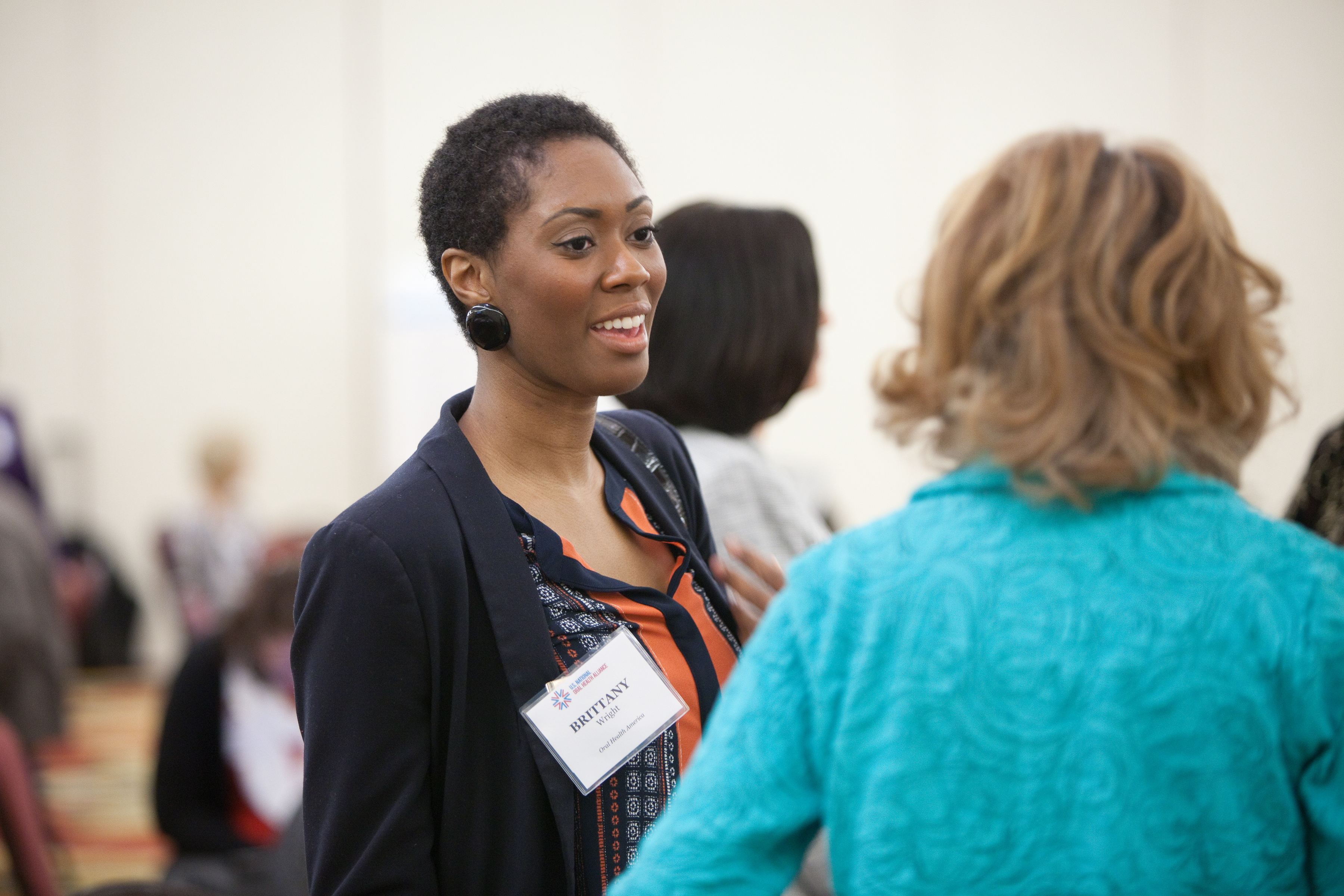
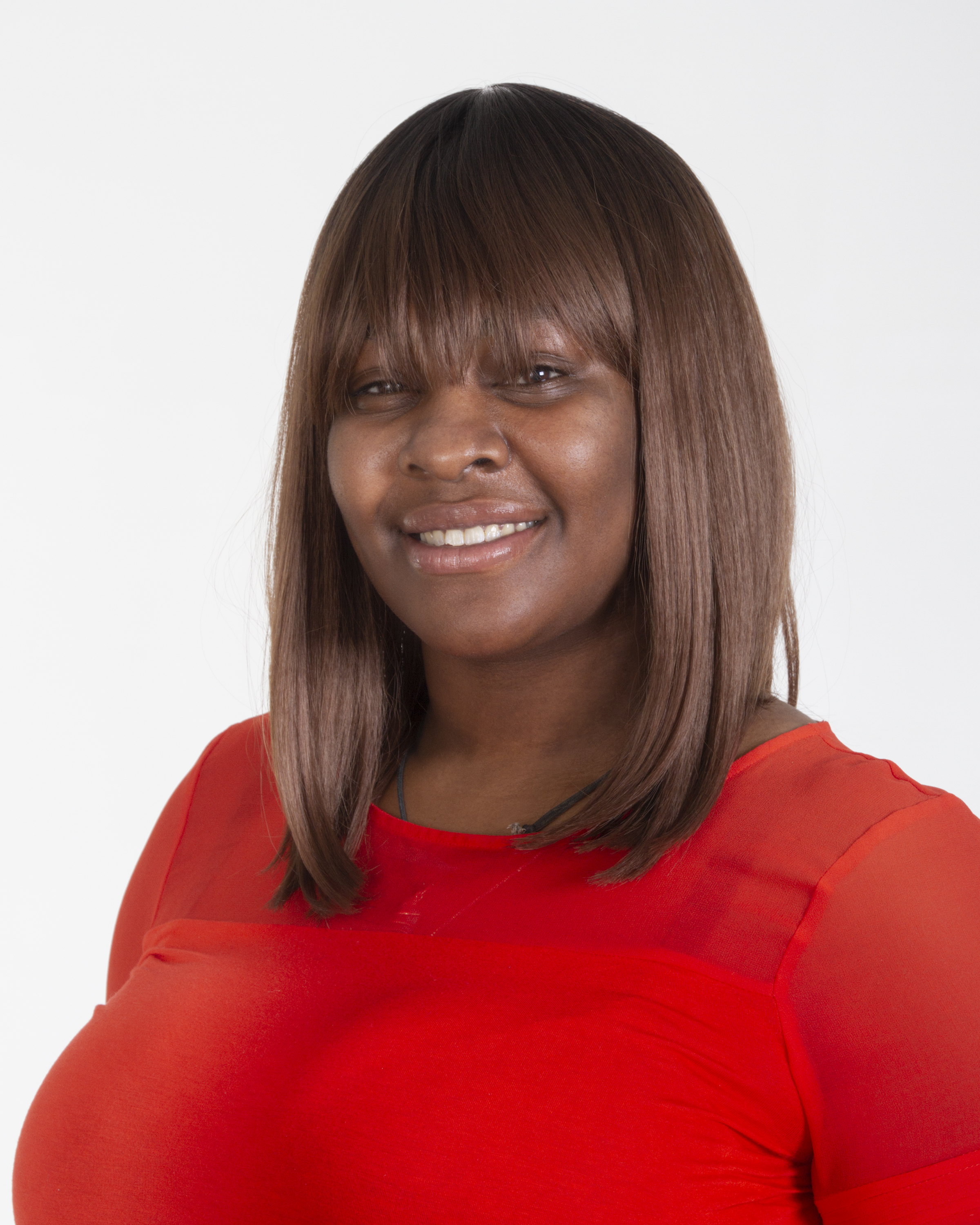
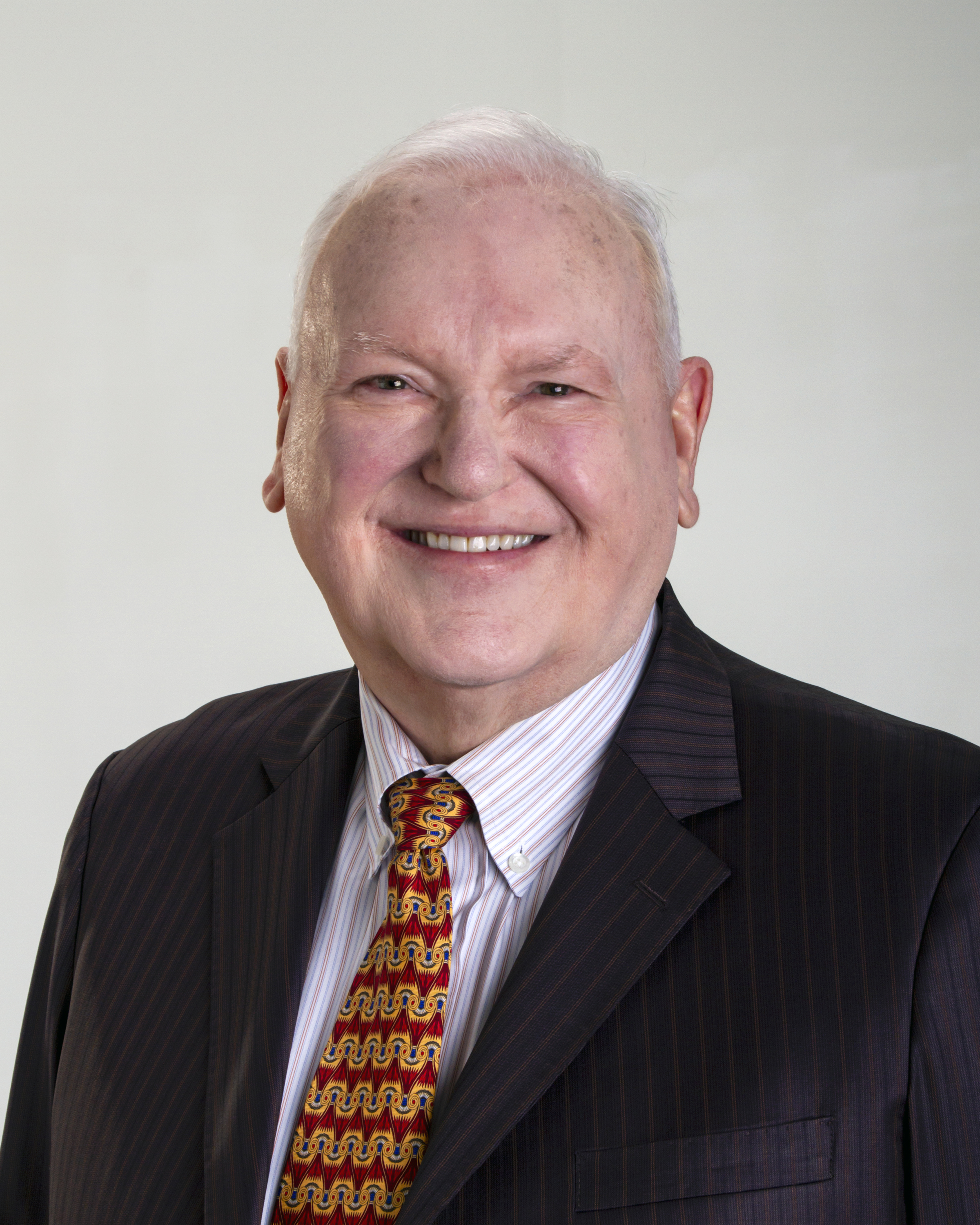
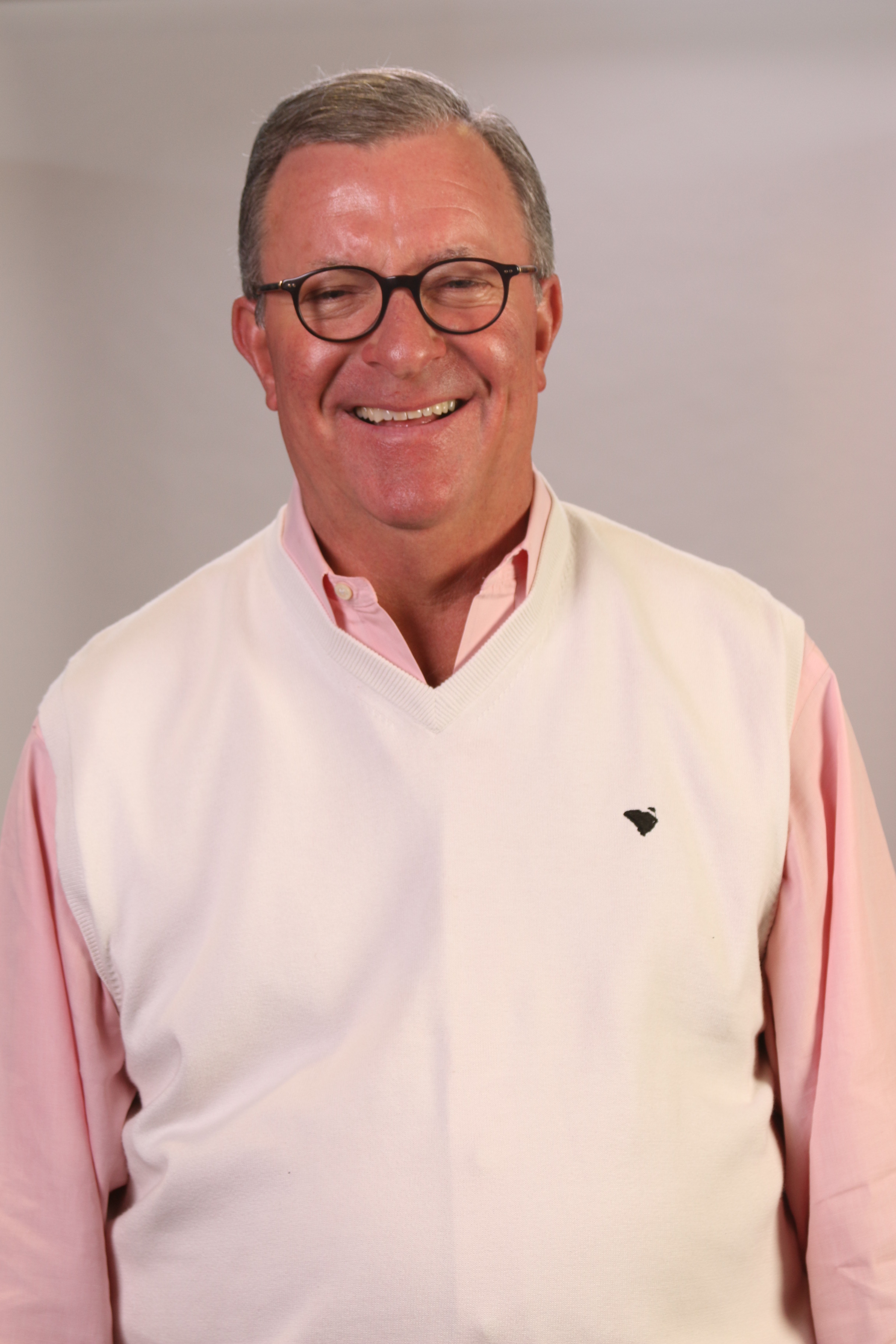
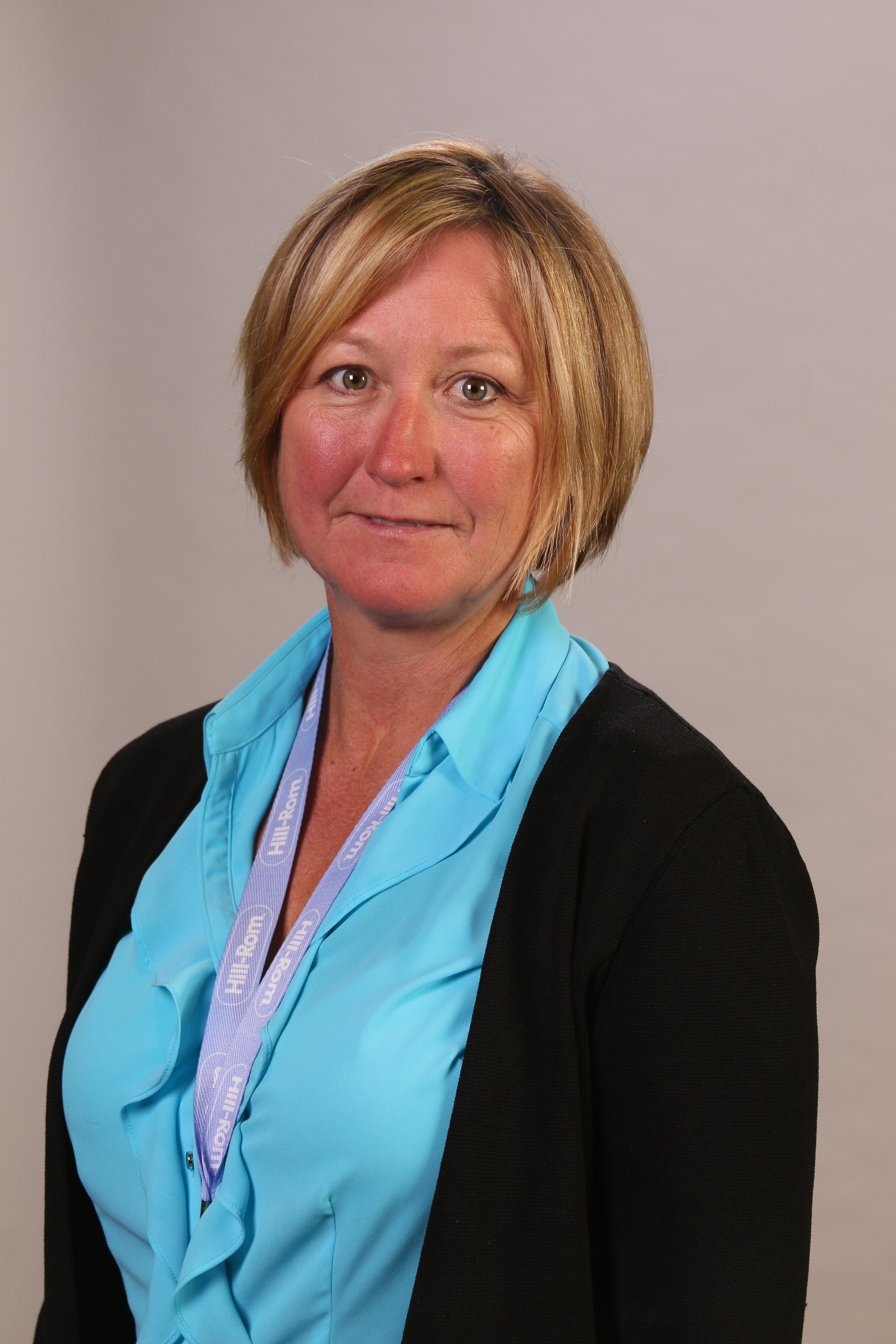
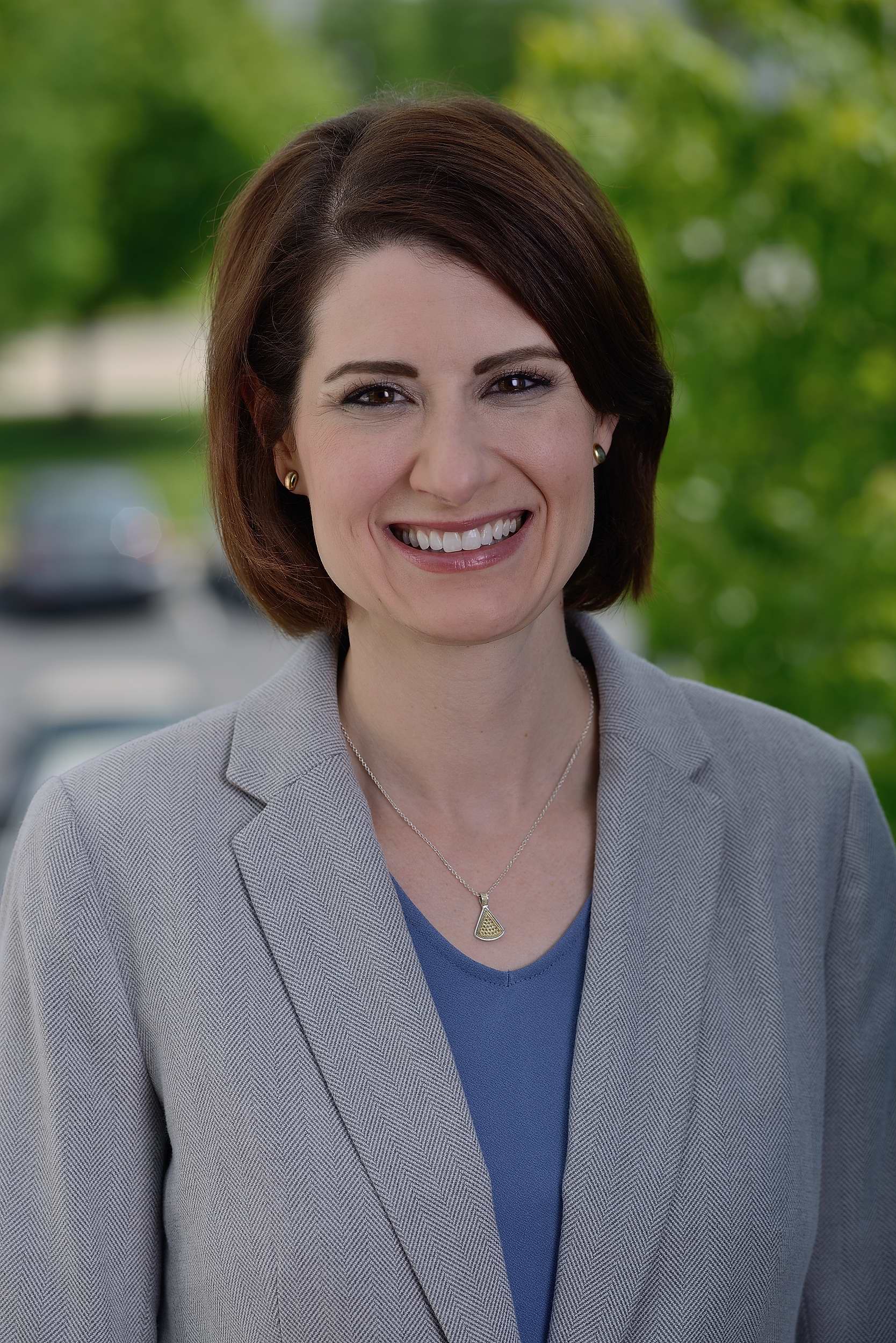
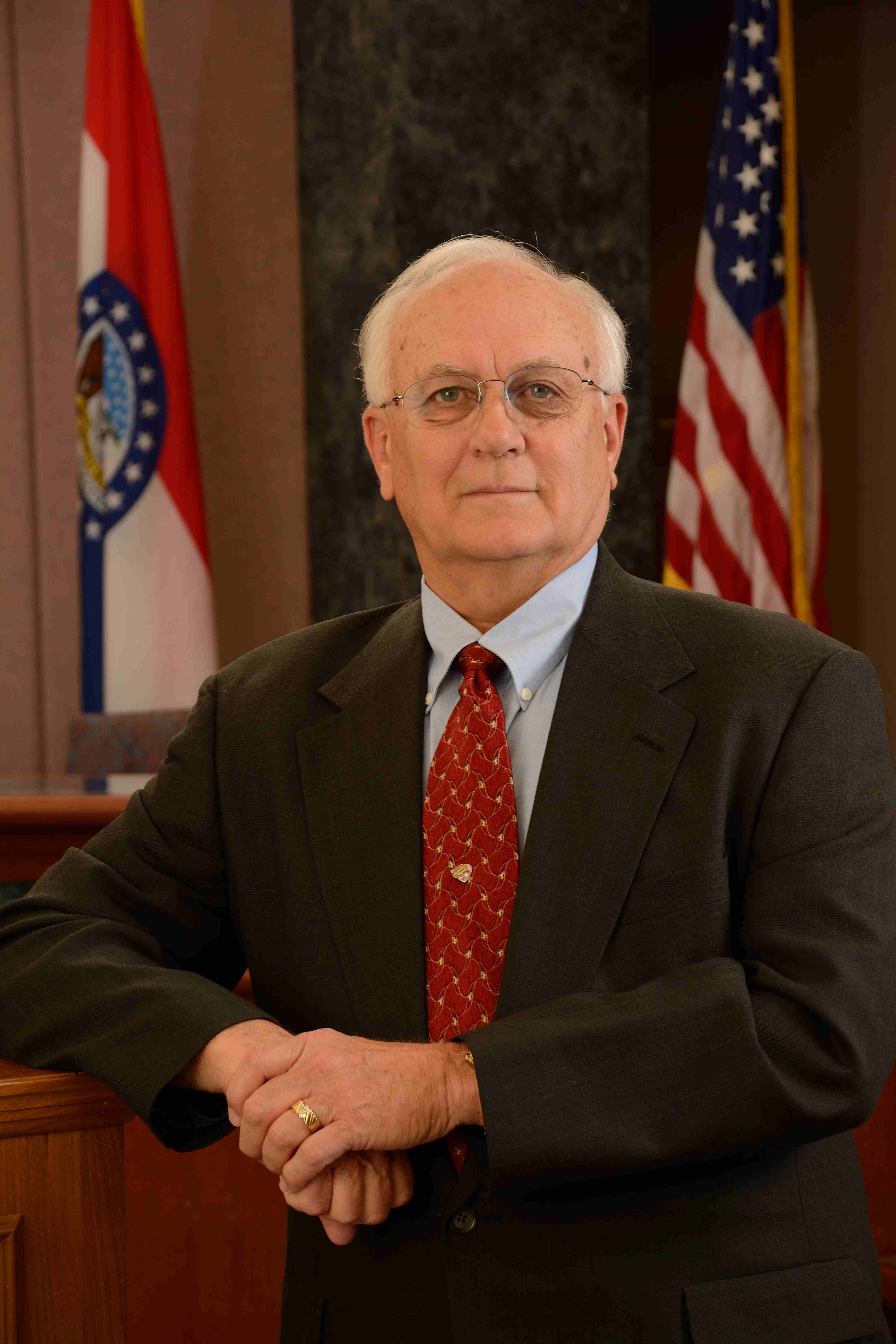
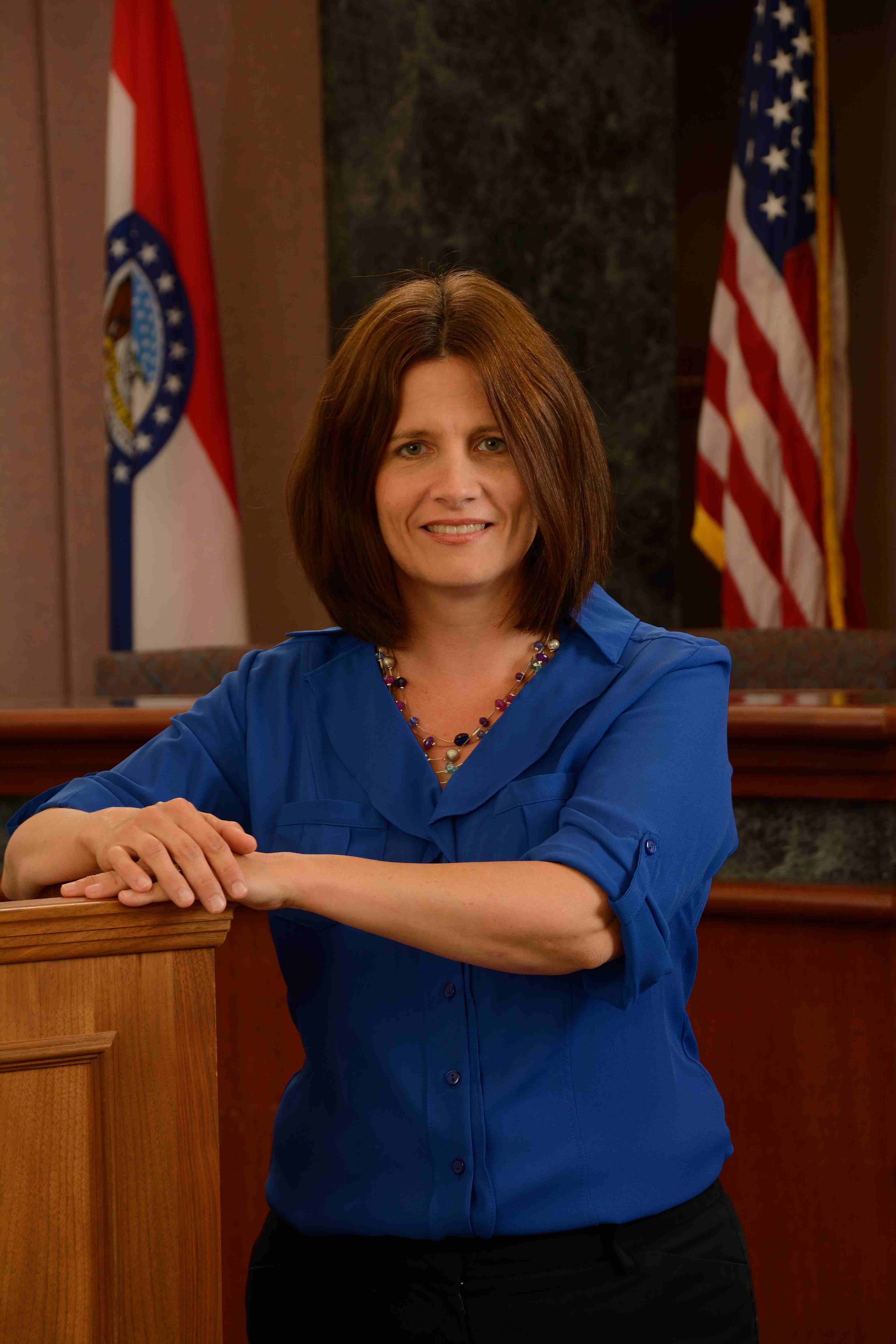
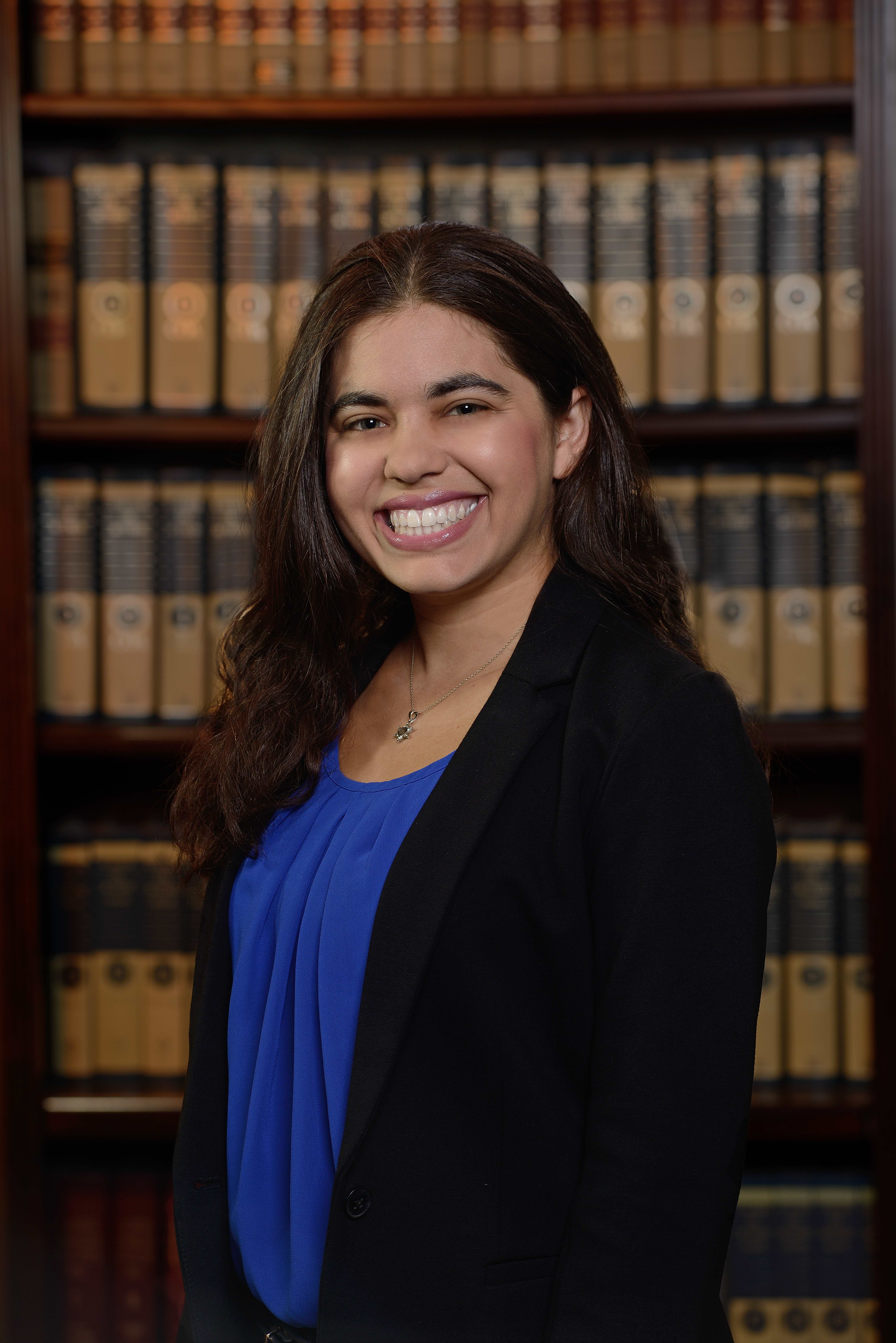
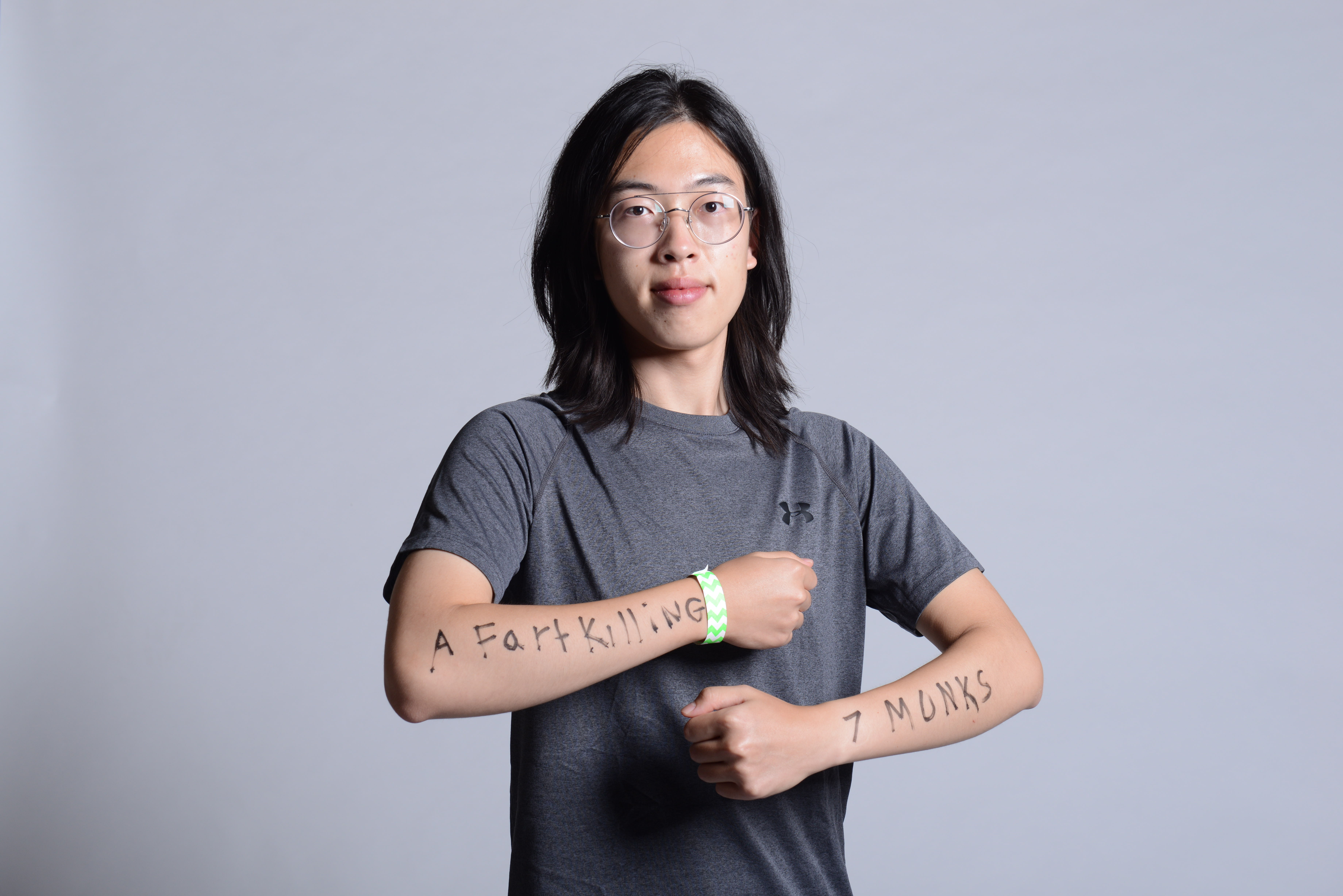
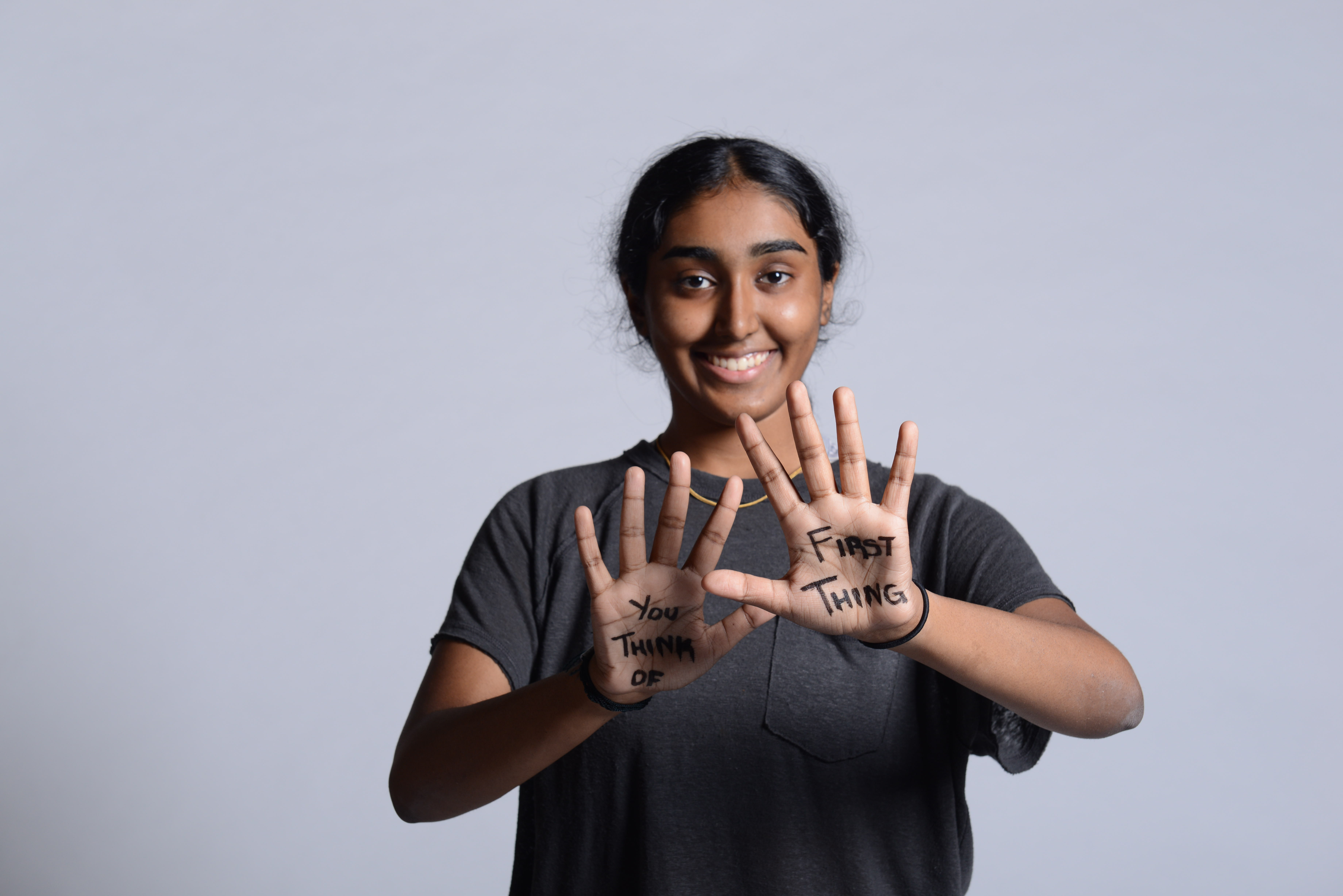
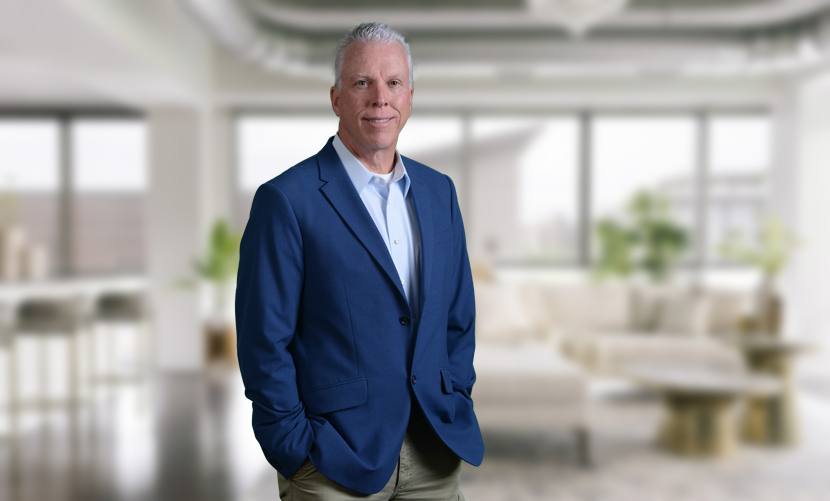
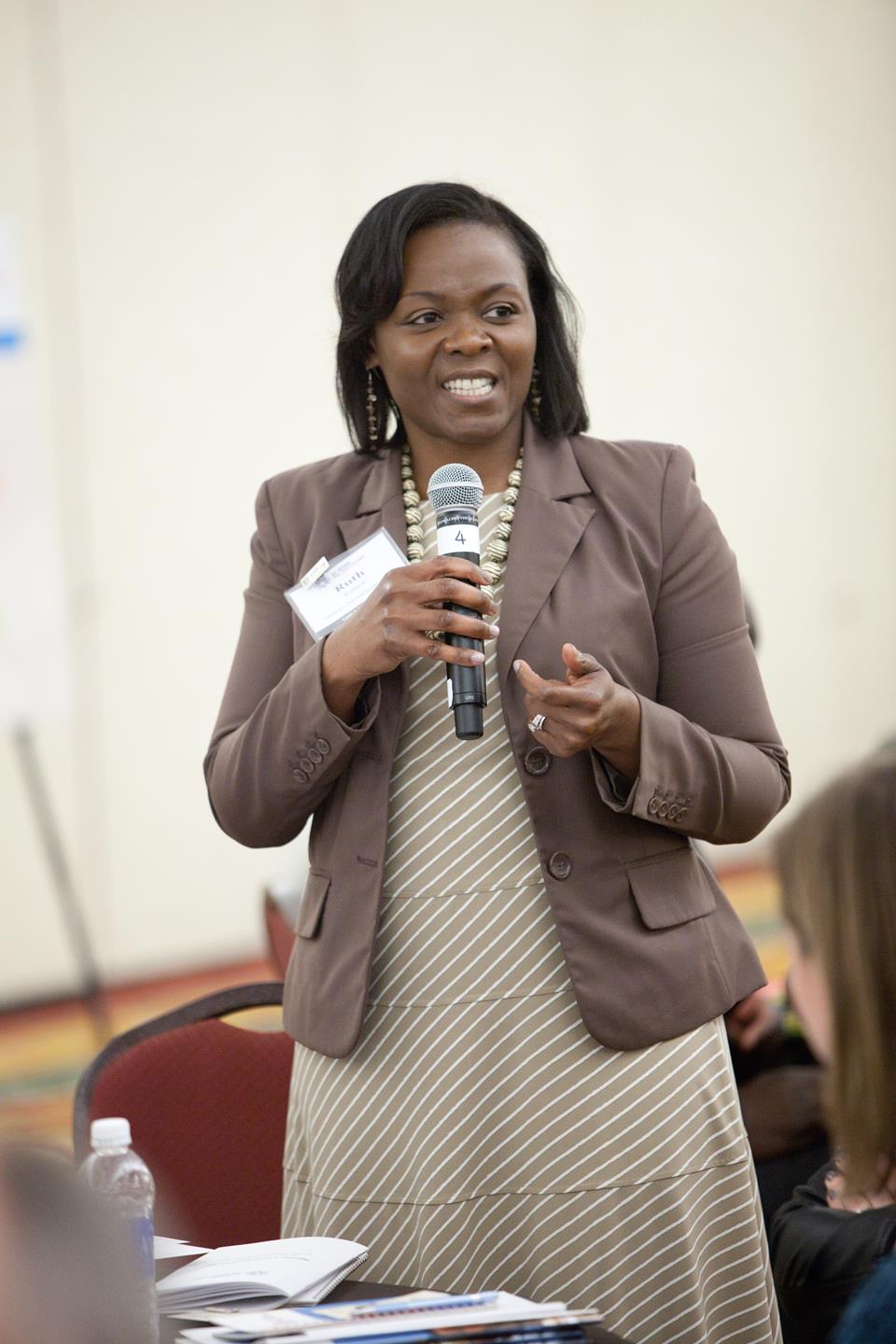
A professional headshot is often one of the most visible images connected to a business. It may appear on a website staff page, LinkedIn profile, email signature, proposal, press release, conference bio, recruiting page, online directory, or social media profile. When those images are outdated, inconsistent, poorly lit, or casually captured, the company can look less professional than it actually is.
Corporate headshots create consistency and credibility. They show that the business values presentation, professionalism, and attention to detail. For small businesses, this is especially important because customers often make decisions based on trust, confidence, and perceived experience.

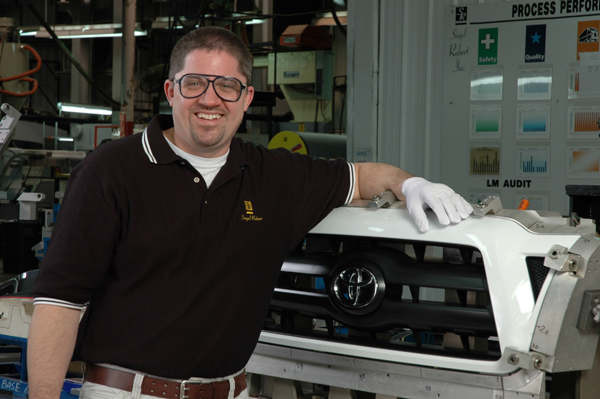
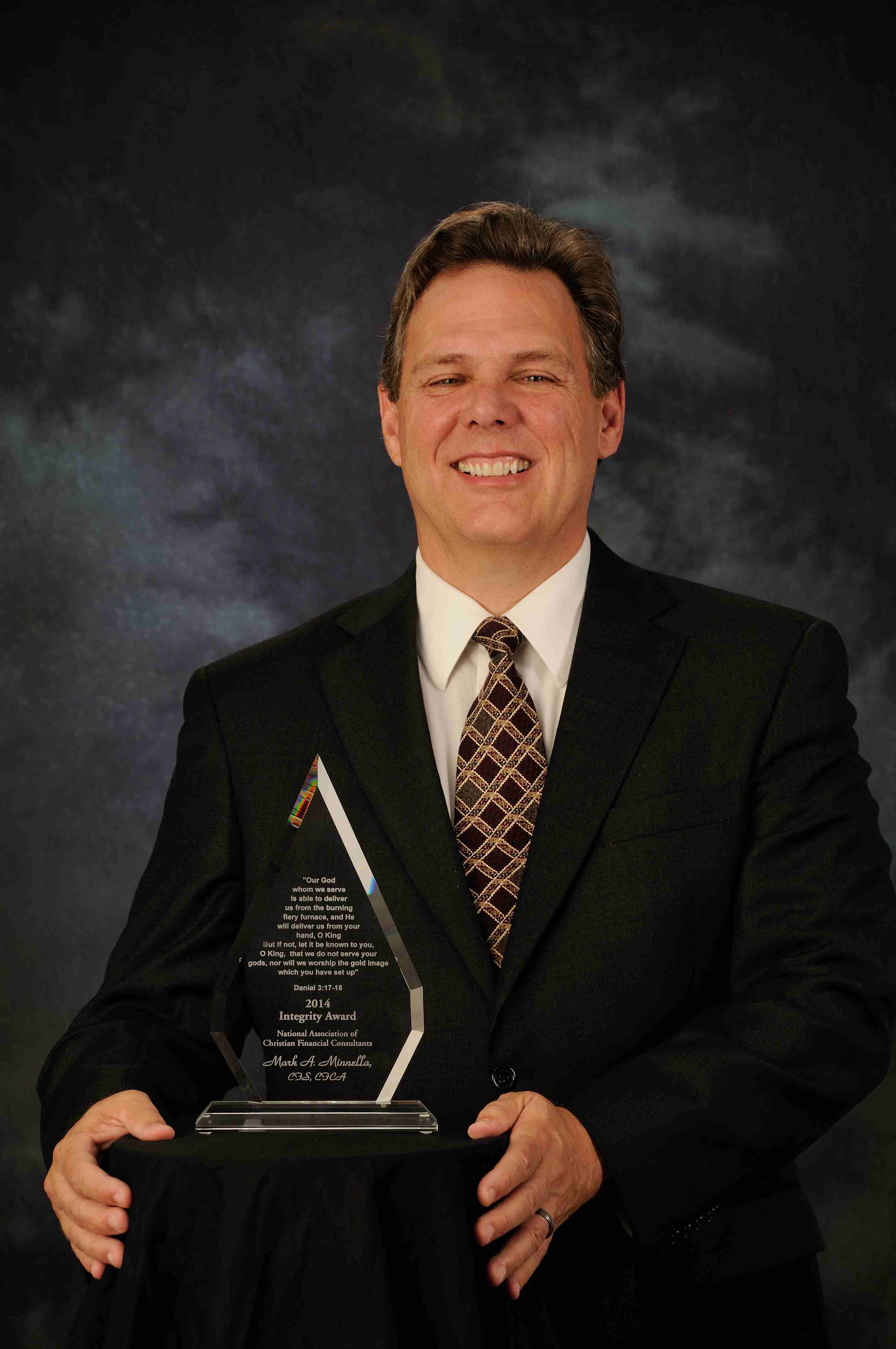
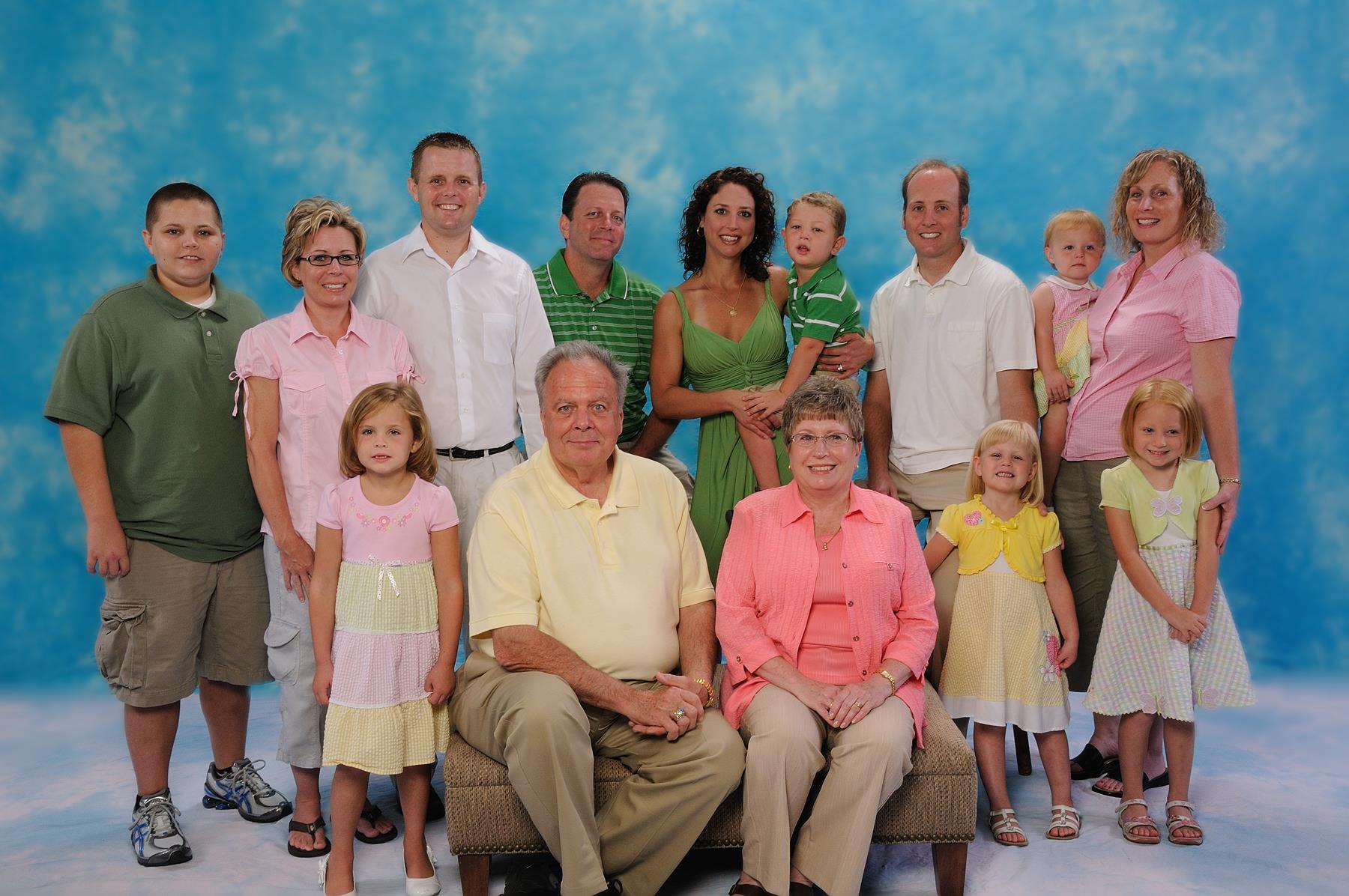
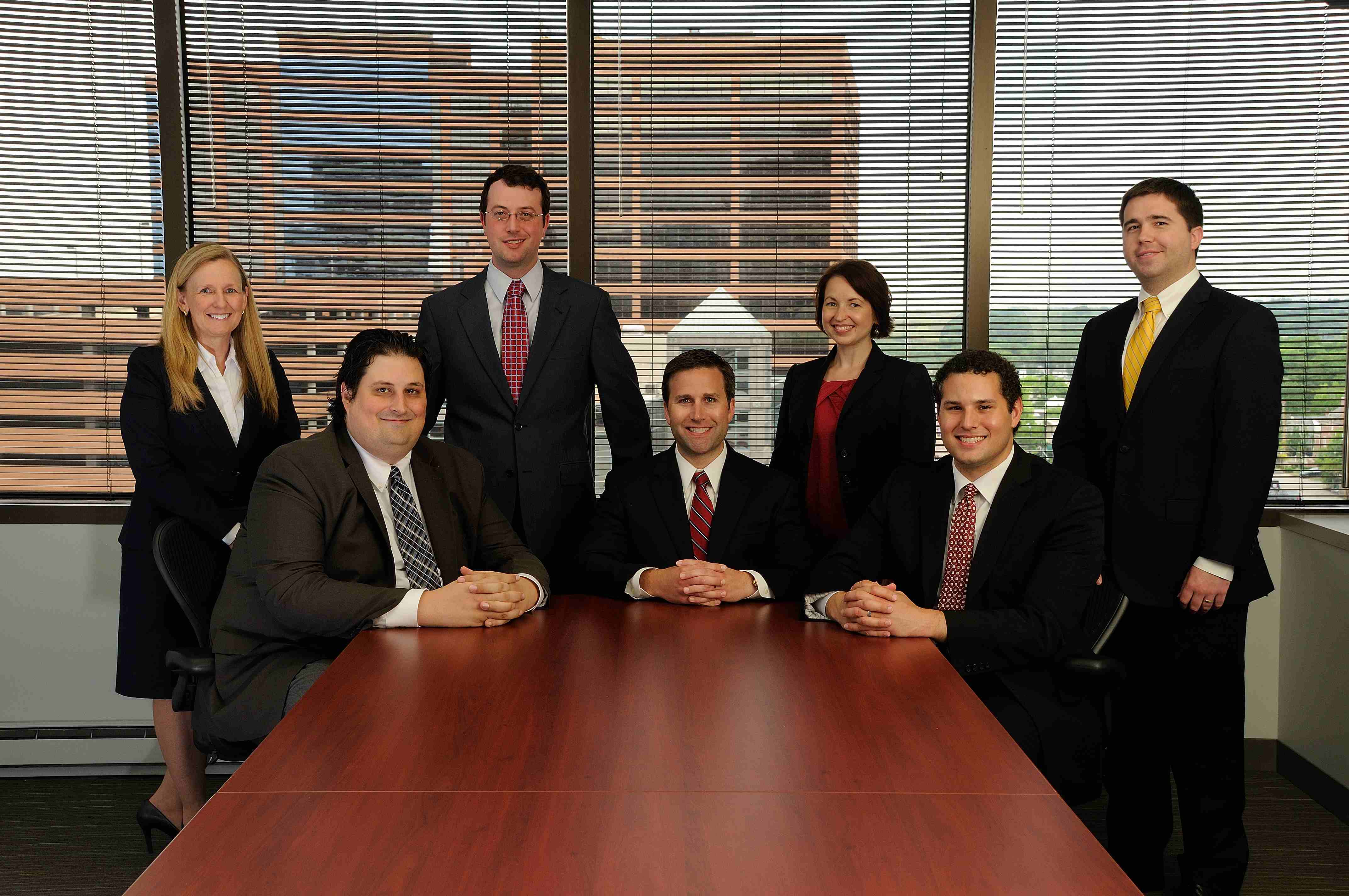
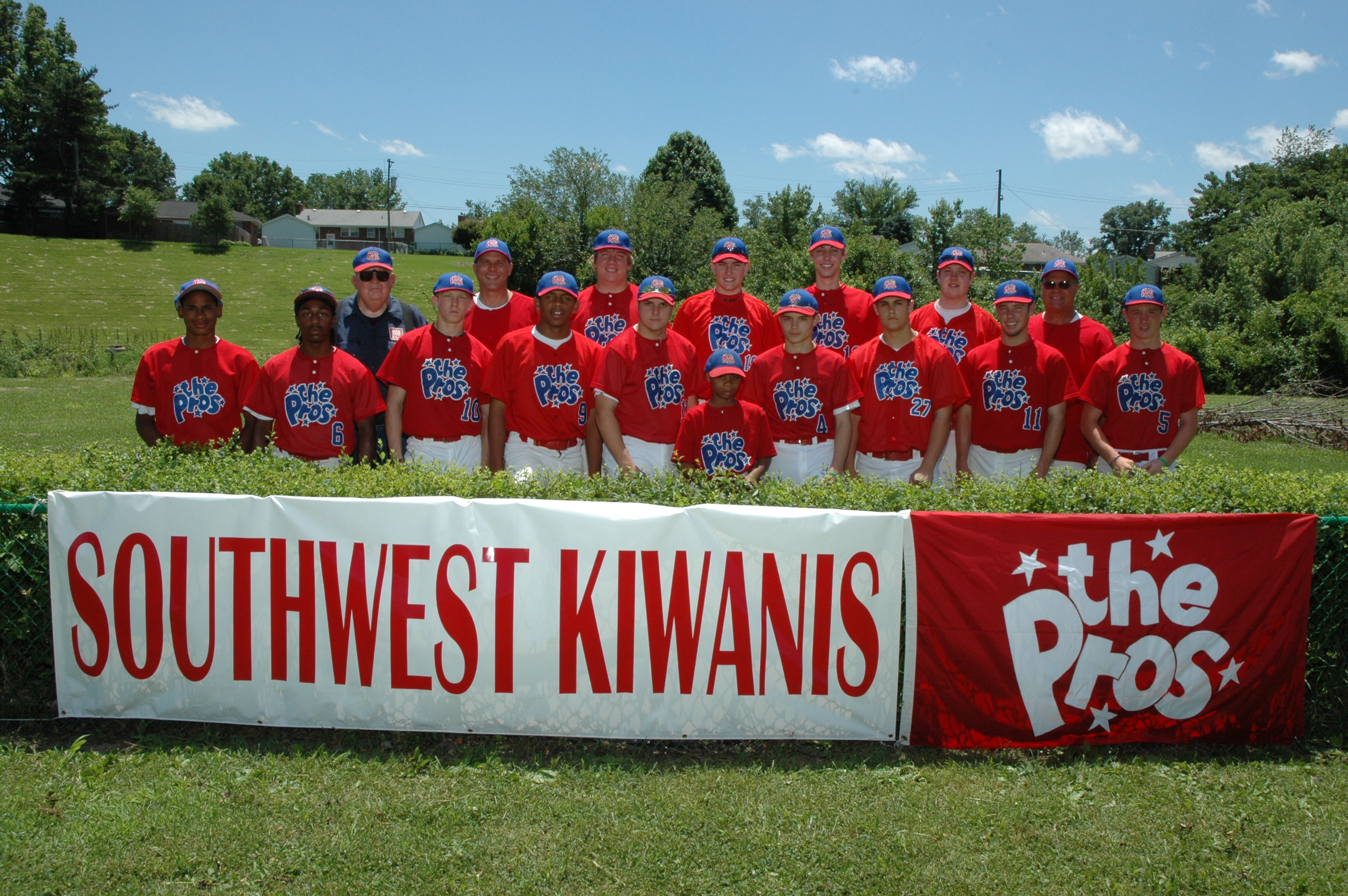
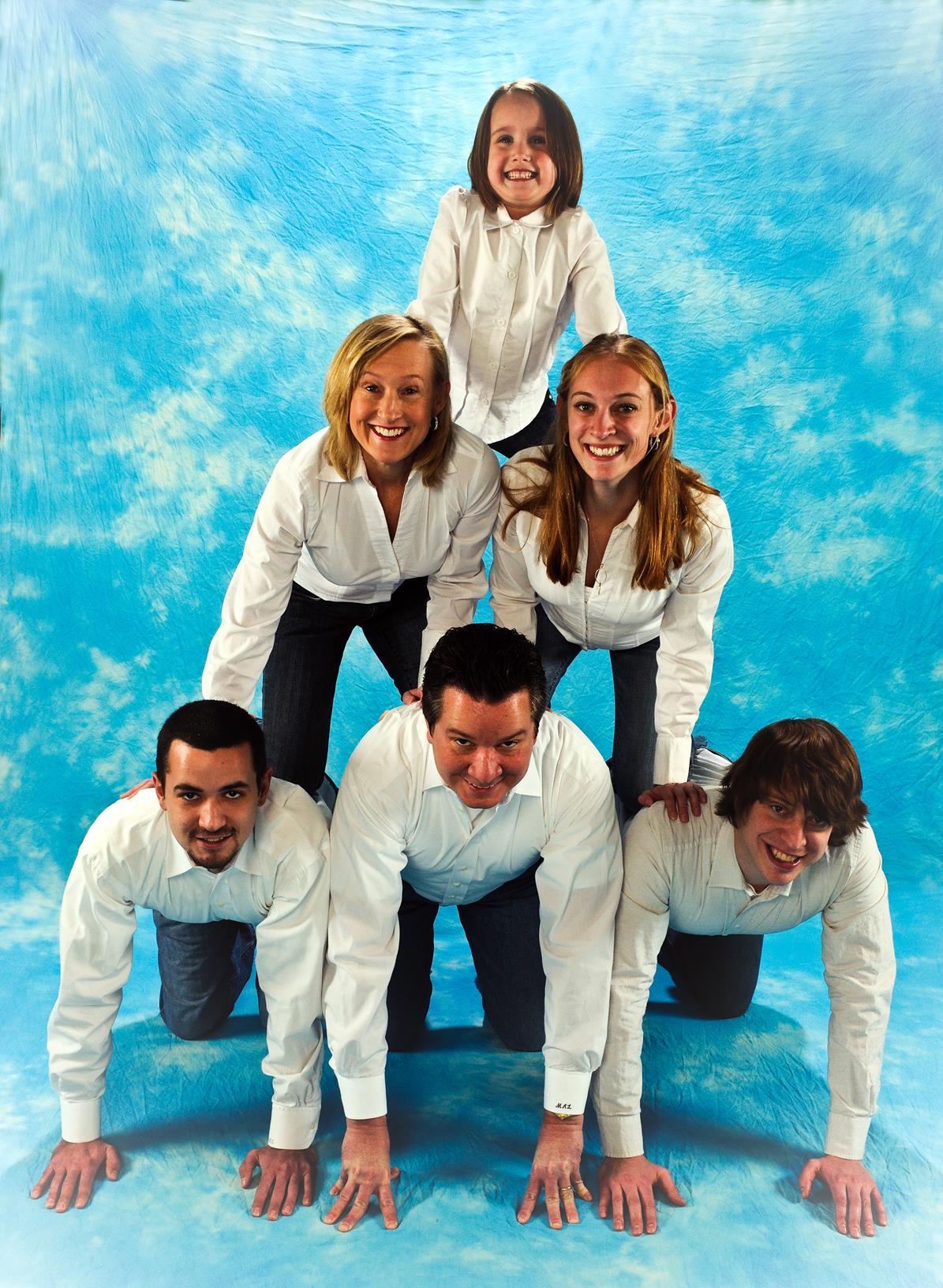
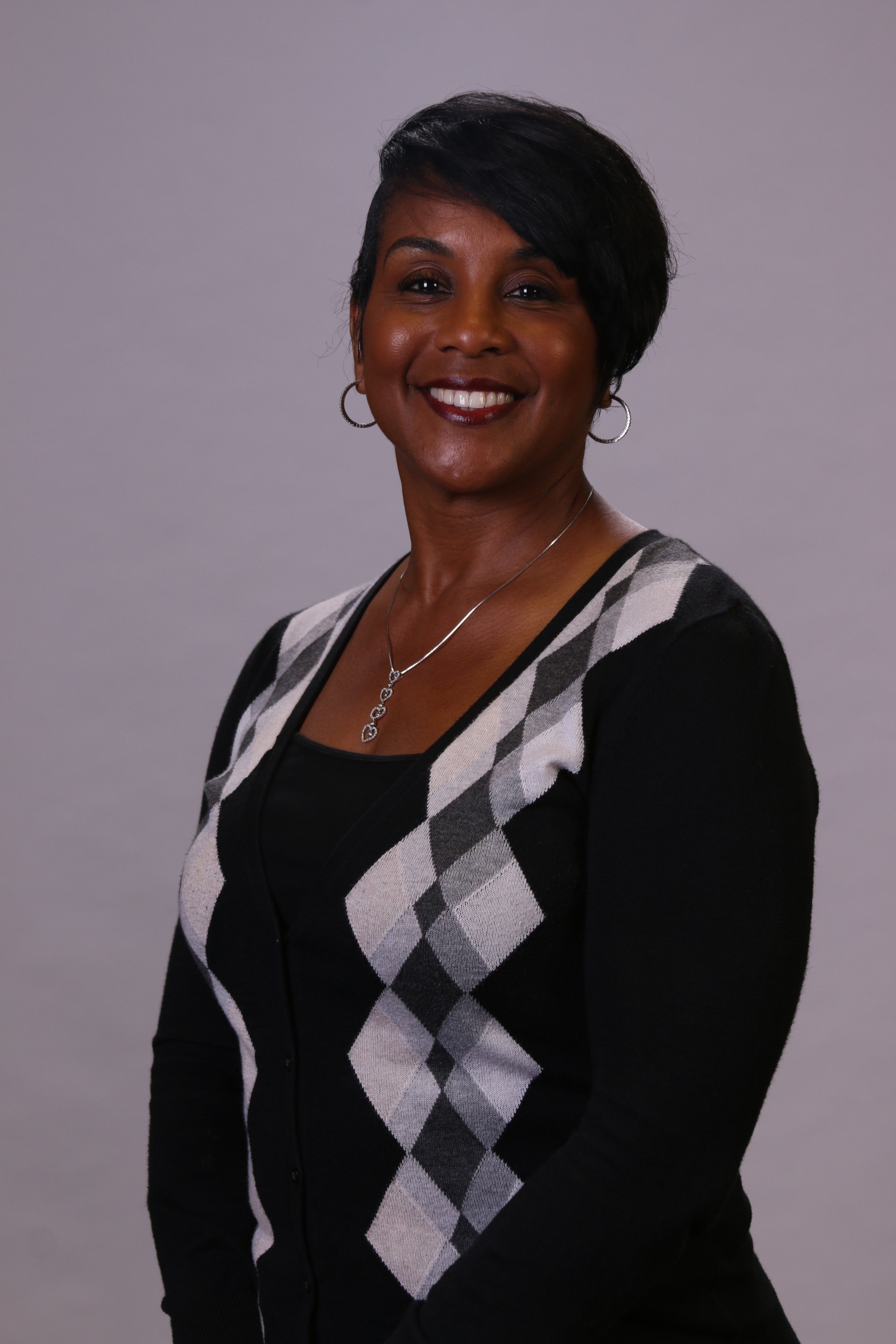

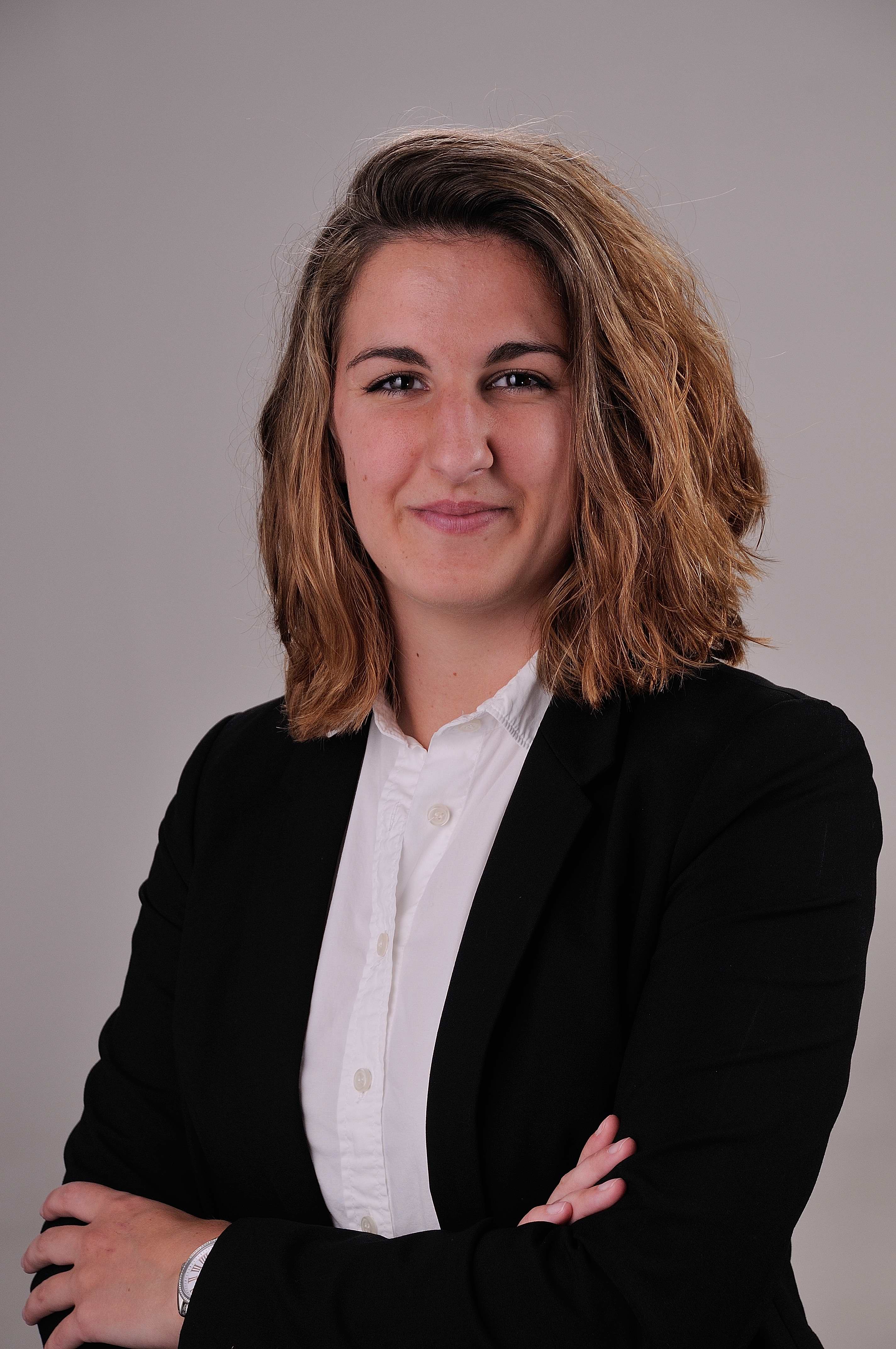
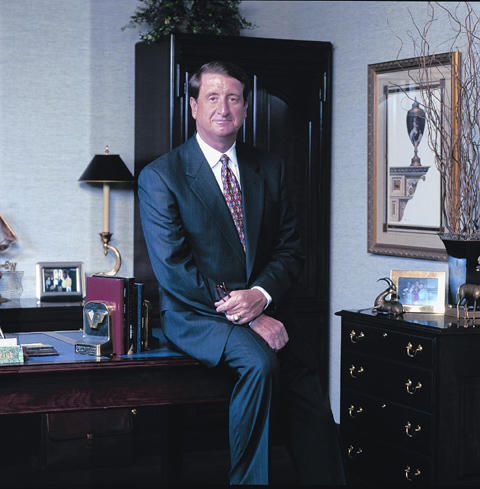
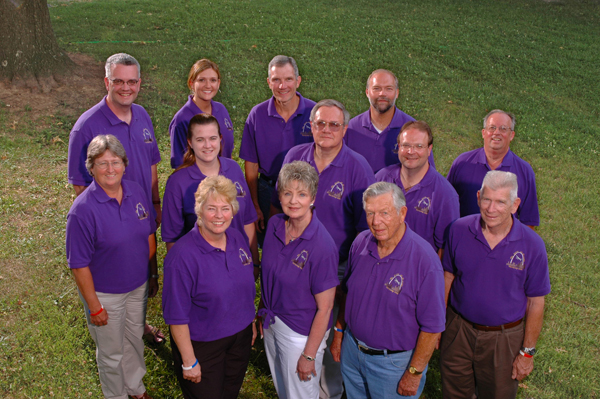

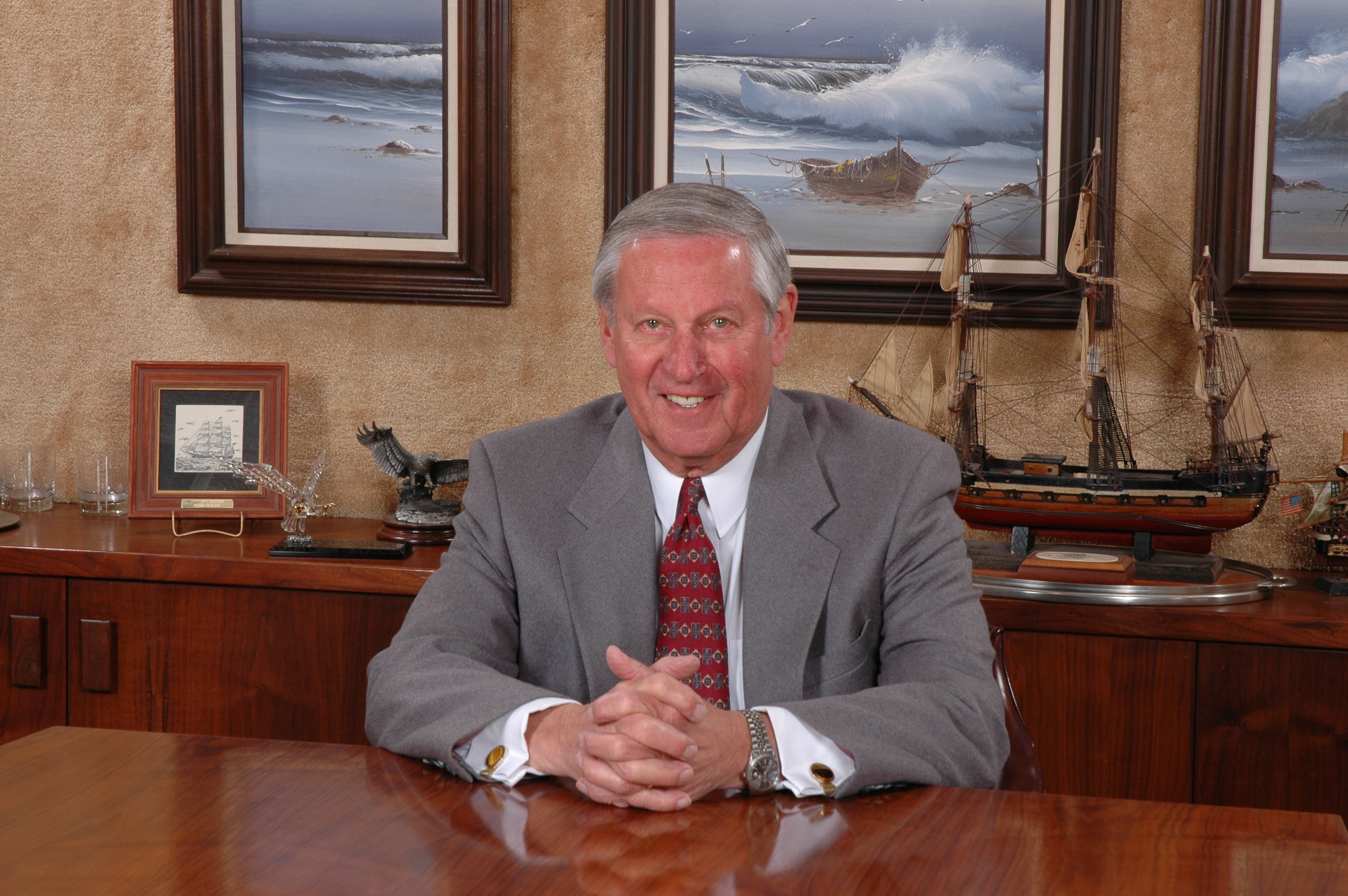
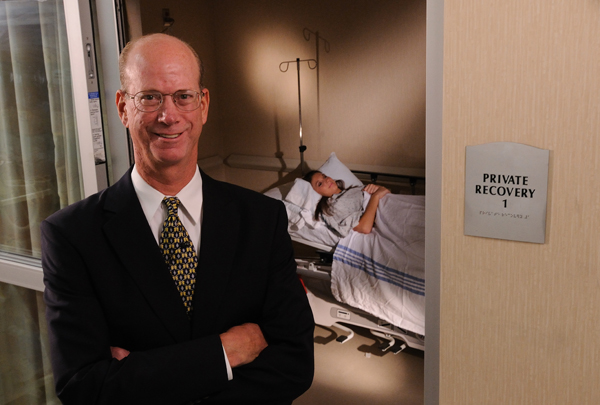
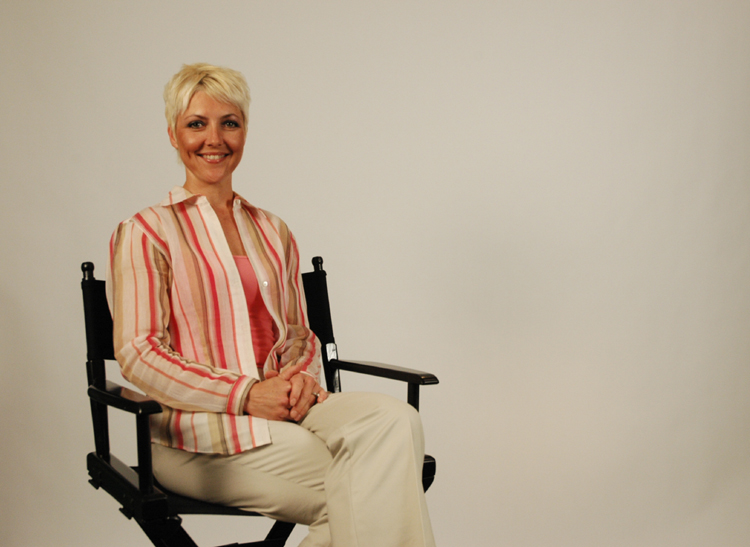
A strong business portrait should be properly lit, well-composed, flattering, and aligned with the company’s brand. Some businesses need formal executive portraits. Others need a friendly, approachable look. A professional service firm may want a clean and confident image. A creative business may want something more environmental and personality-driven. A healthcare, legal, financial, construction, or consulting firm may require a different visual tone.
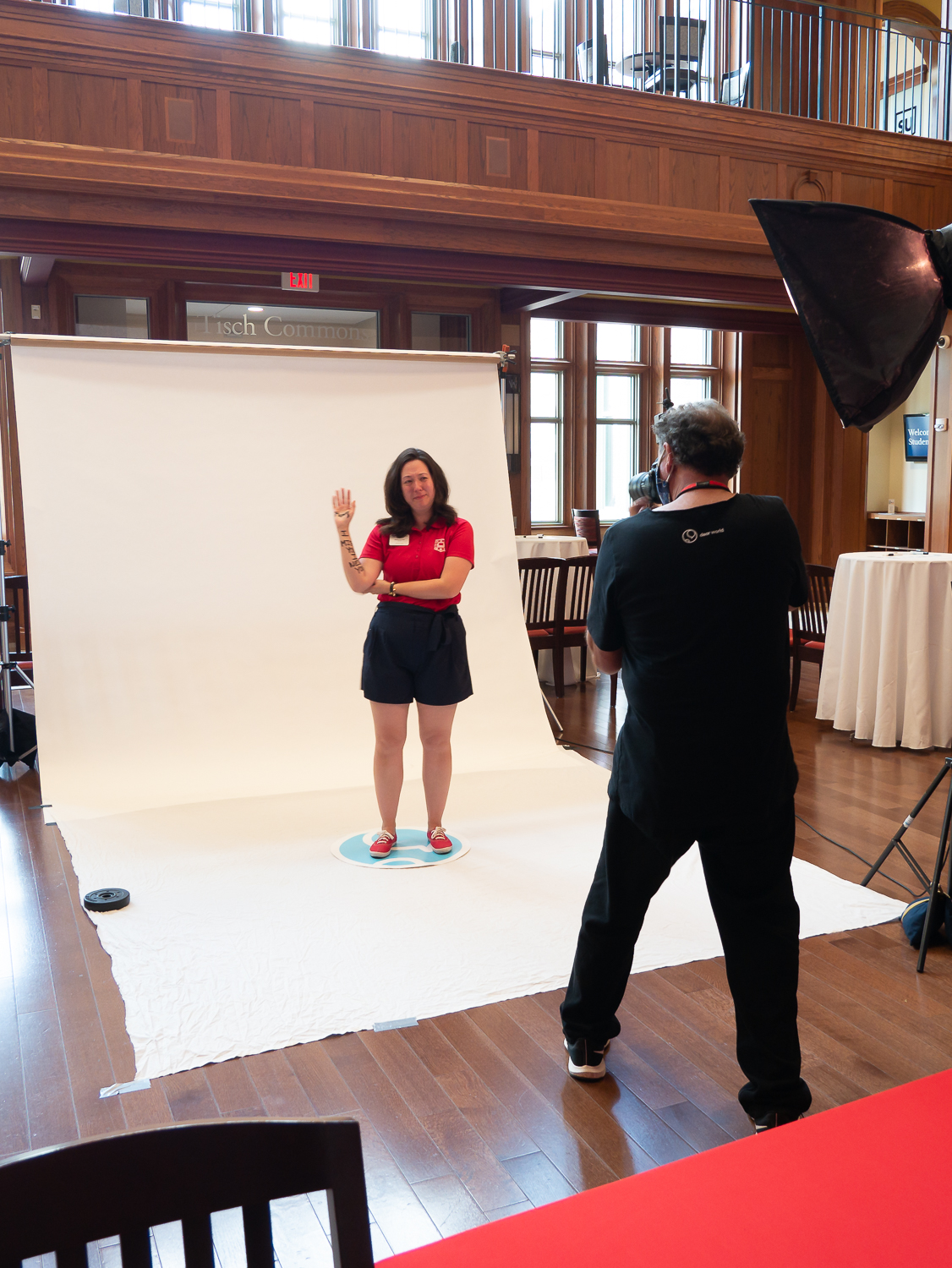
St Louis Corporate Photographers helps businesses plan and produce headshots that fit their industry, message, and audience.
Corporate Portraits for Websites, LinkedIn, Proposals, and Social Media
Headshots and business portraits should be created with multiple uses in mind. A well-planned session can provide photography for:
Website staff pages
LinkedIn profiles
Email signatures
Sales proposals
Speaker biographies
Press releases
Recruiting campaigns
Google Business Profile updates
Social media profiles
Company brochures
Digital ads
Trade show materials
Internal directories
Business presentations
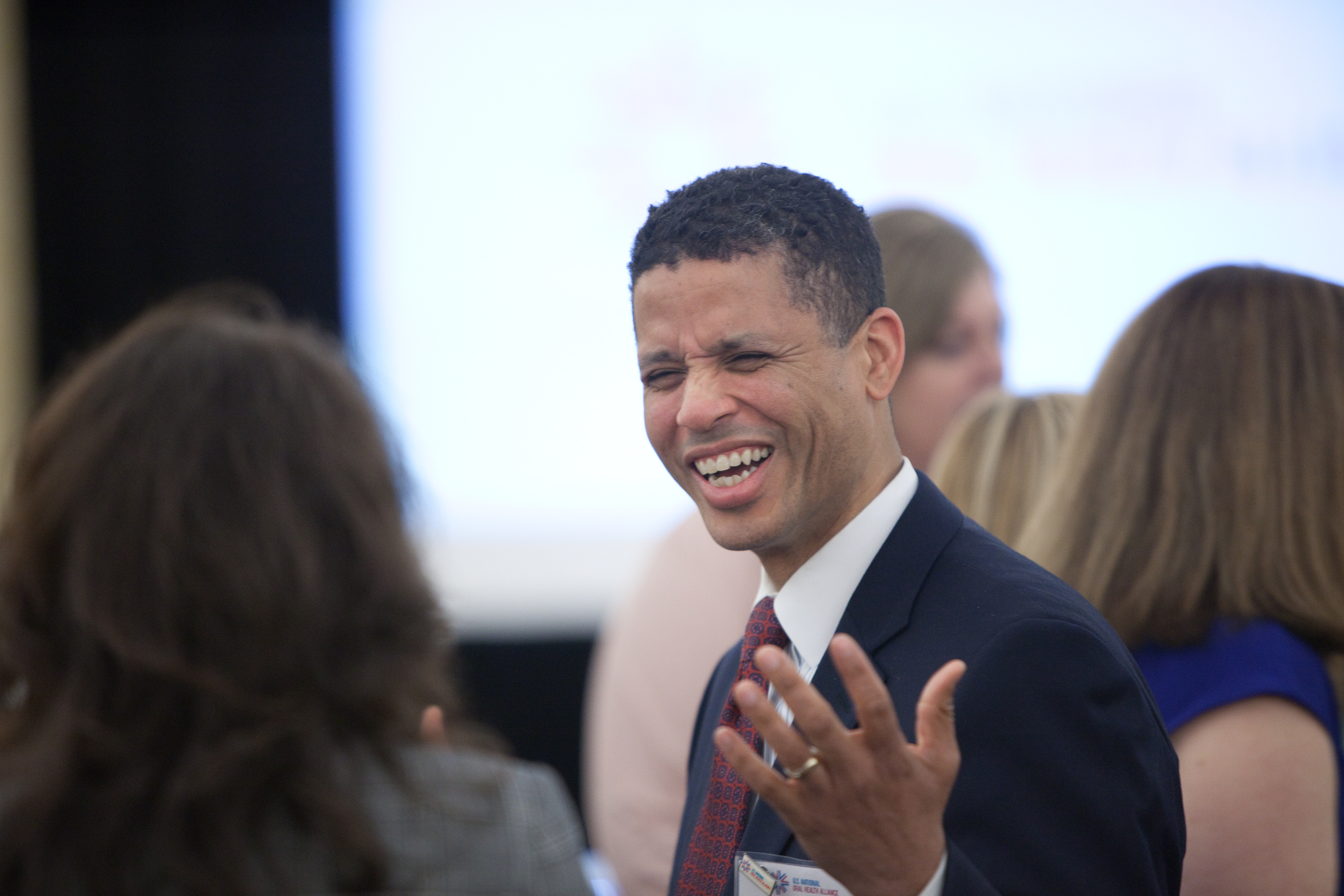
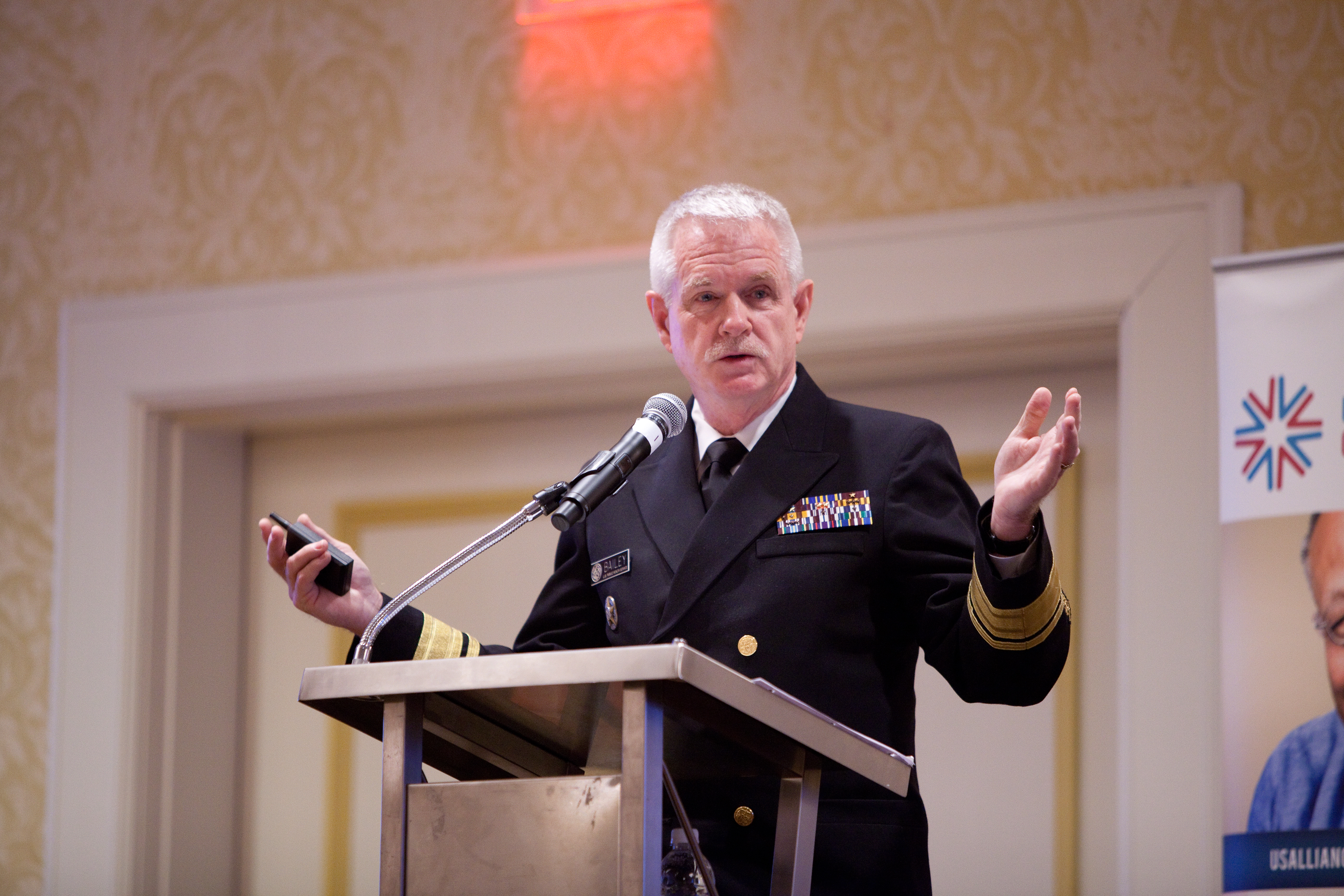
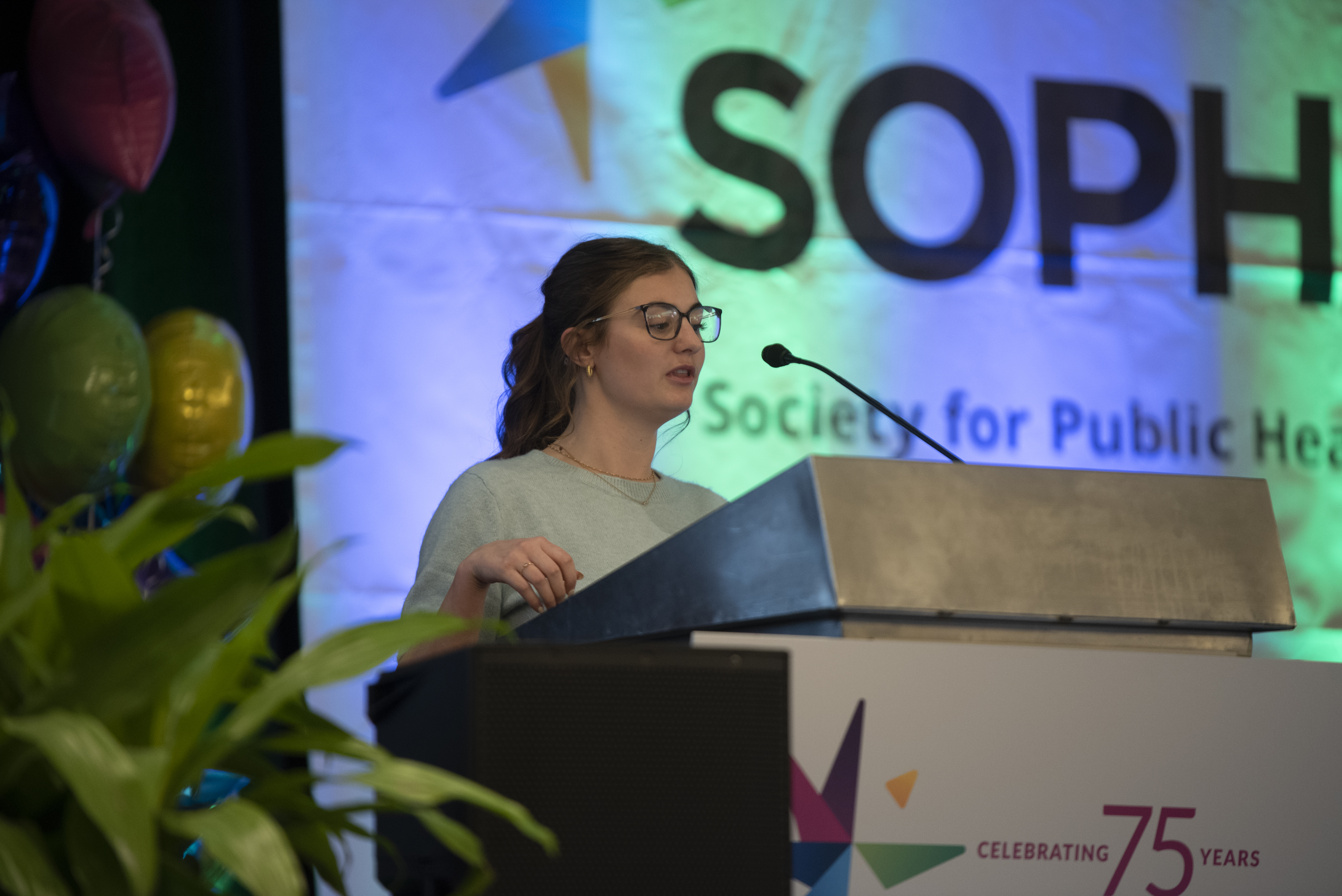
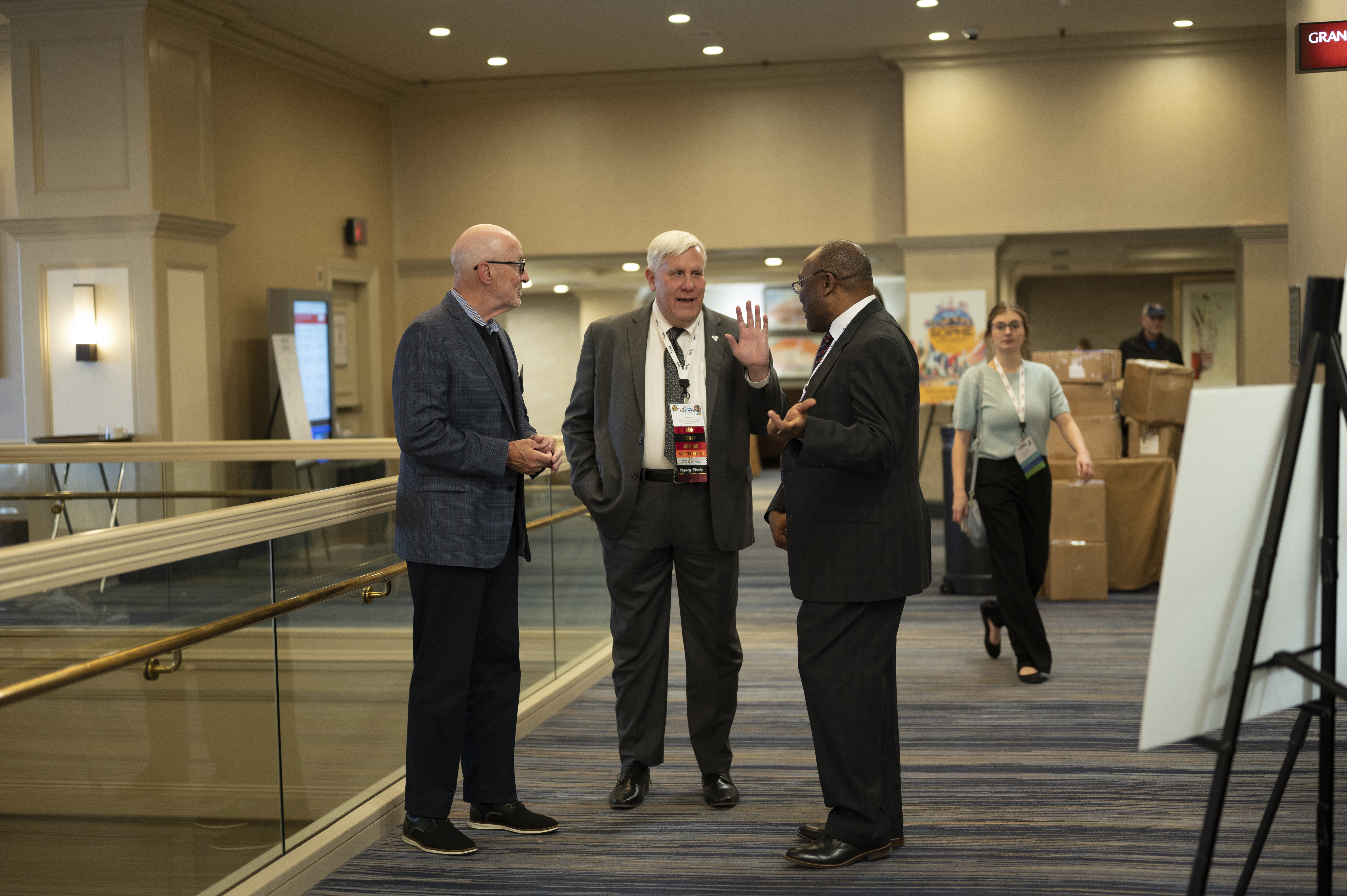
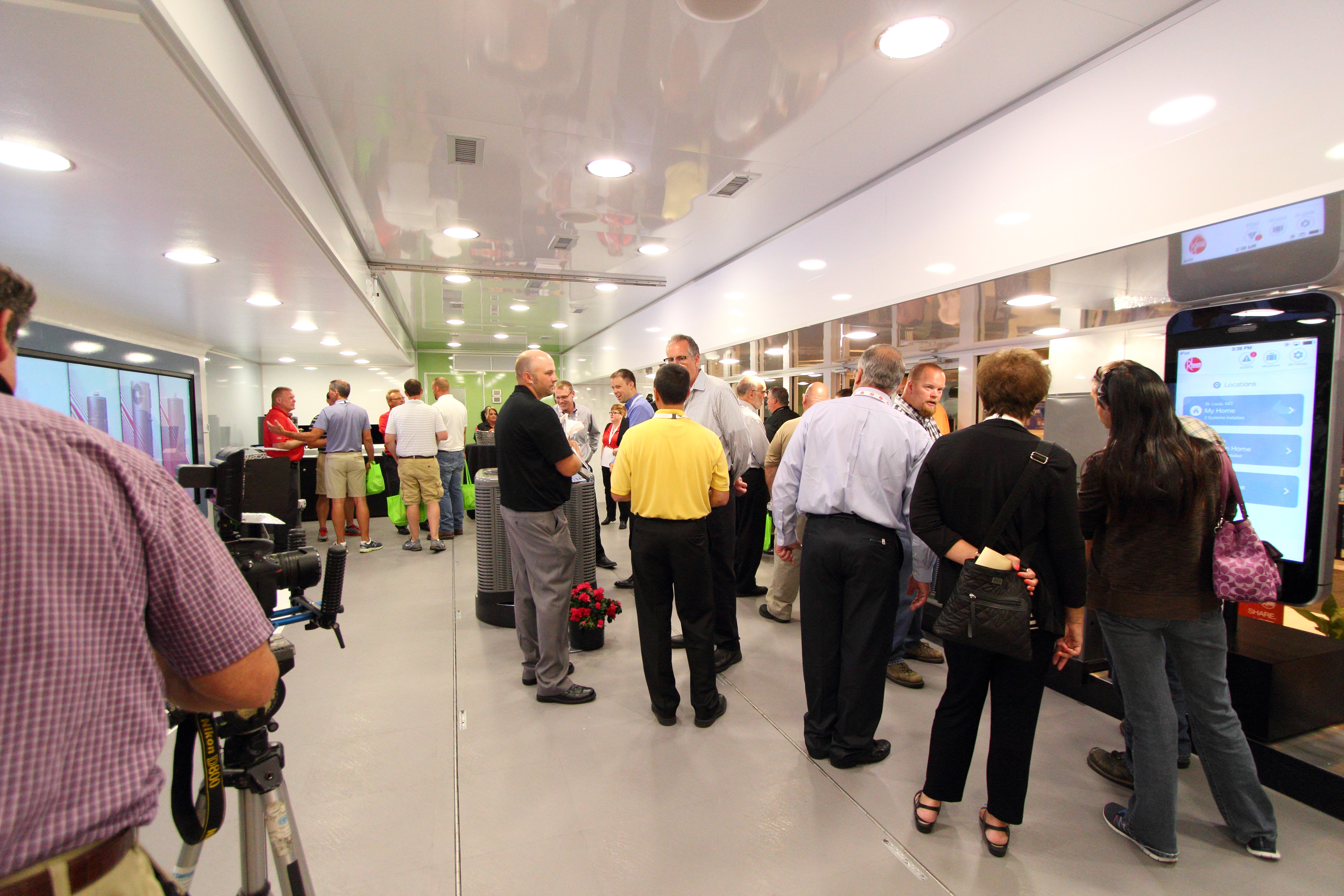
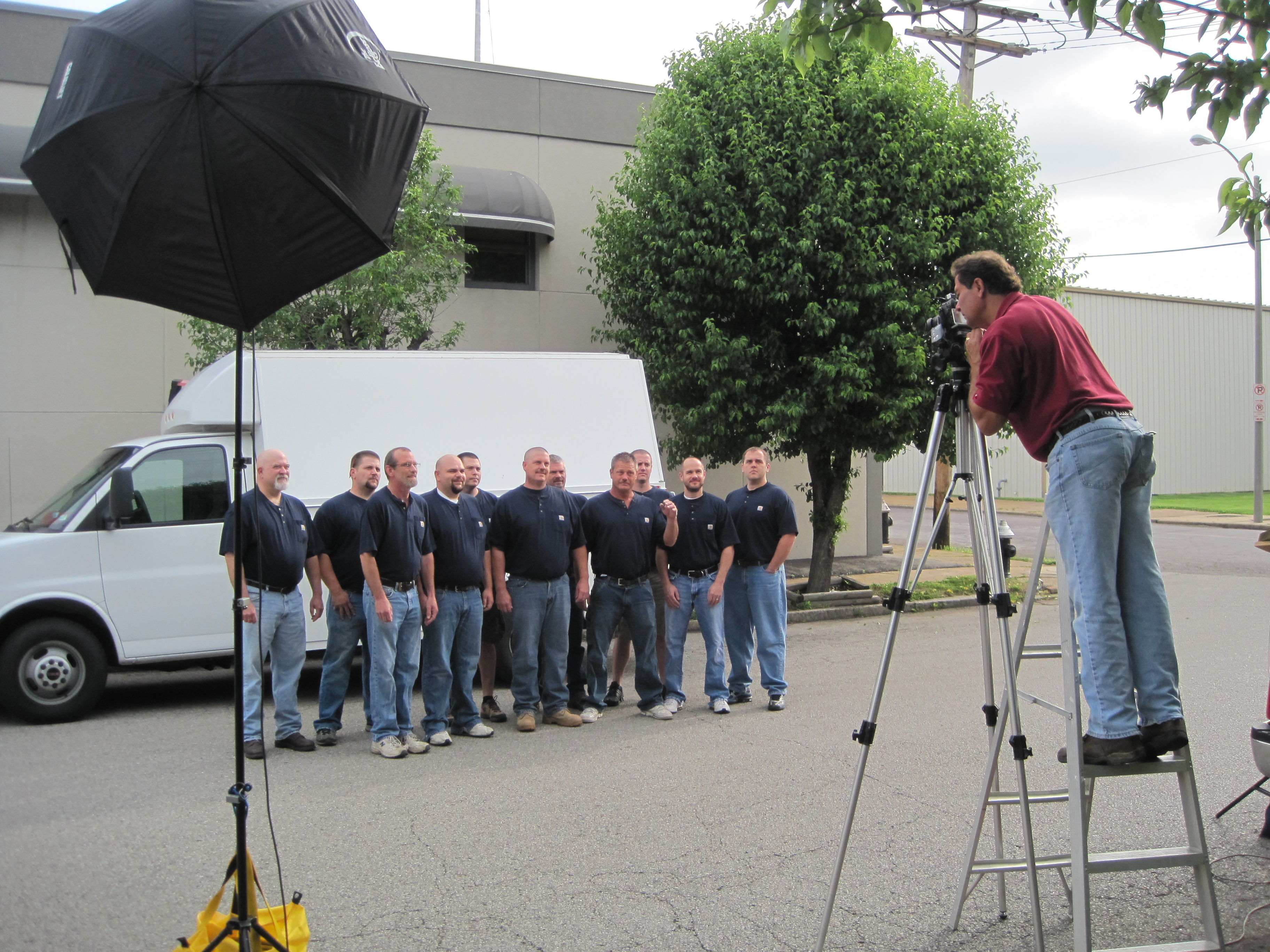
The best corporate headshot sessions are organized around how the final images will be used. A company may need close-up portraits, horizontal crops, vertical crops, team photos, leadership portraits, office lifestyle images, or environmental portraits that show the business setting.
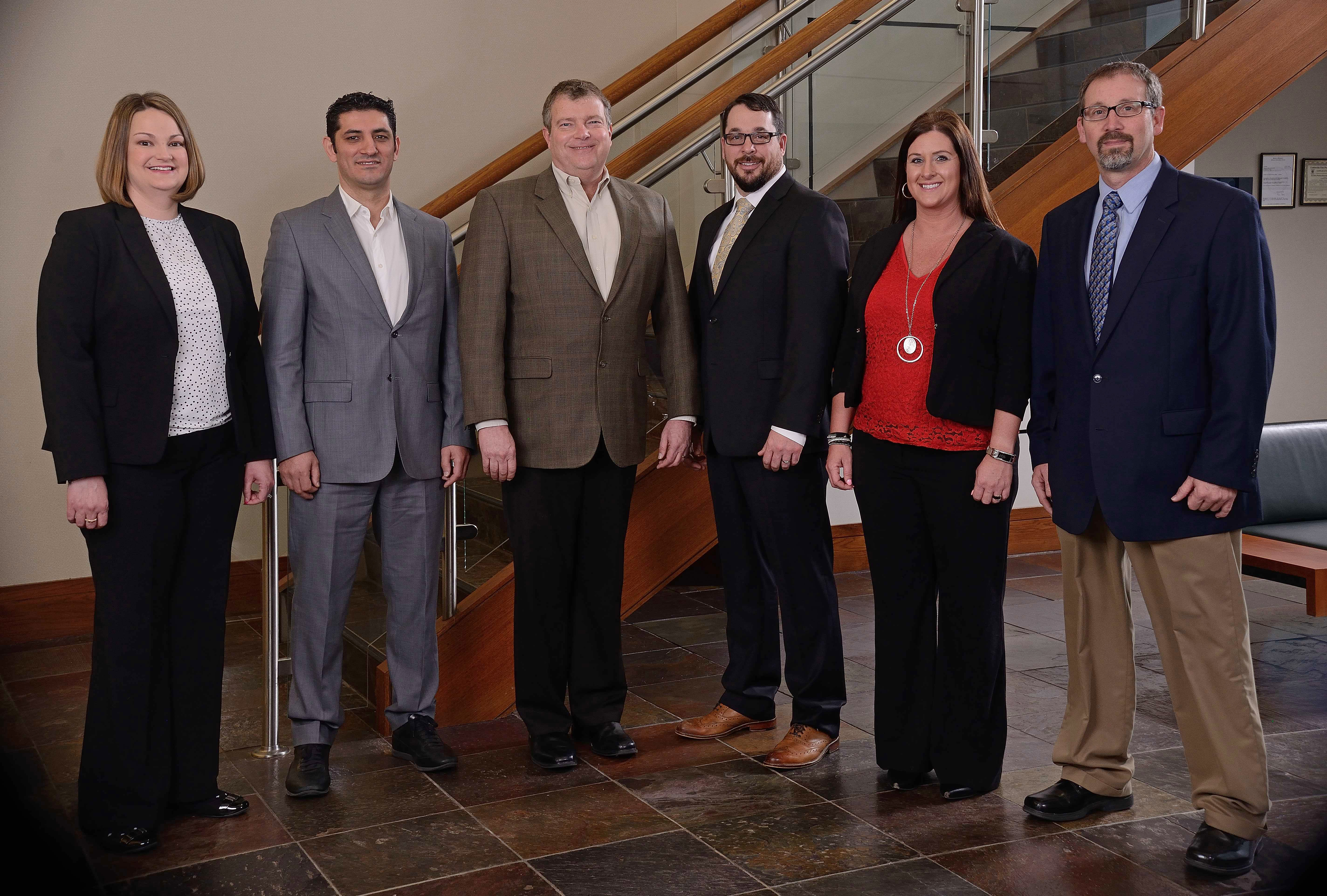
St Louis Corporate Photographers can provide studio portraits, location-based headshots, team photography, and branded business images that help small companies maintain a consistent and professional visual identity.
Short Video Clips for Social Media
Short-form video is one of the most useful tools for small business marketing. A focused 15-second, 30-second, or 60-second video can introduce a company, explain a service, answer a common question, promote an event, highlight a project, or showcase a customer success story.
Small business video does not always need to be complicated. In many cases, the most effective clips are clear, direct, and professionally produced. The goal is to communicate one message well and create content that can be used repeatedly across multiple platforms.
Examples of social media video clips include:
Owner introduction videos
Executive profile clips
Staff introduction clips
Service explanation videos
Customer testimonial clips
Frequently asked question videos
Recruiting videos
Behind-the-scenes content
Project highlights
Facility tours
Product or process demonstrations
Event recap videos
Community involvement clips
Seasonal promotion videos
These clips can be edited for LinkedIn, Facebook, Instagram, YouTube, websites, email campaigns, landing pages, digital ads, and sales follow-ups.
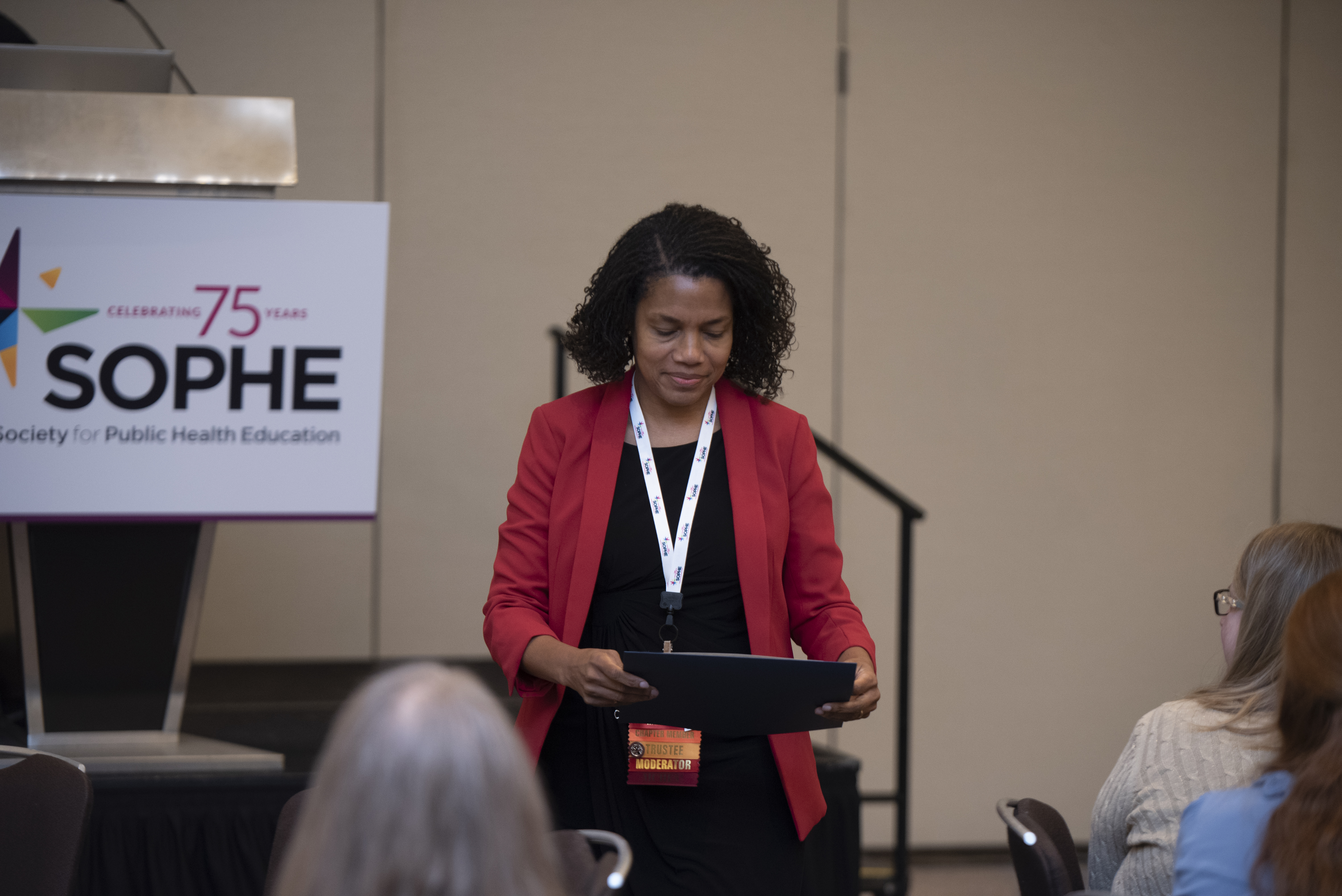
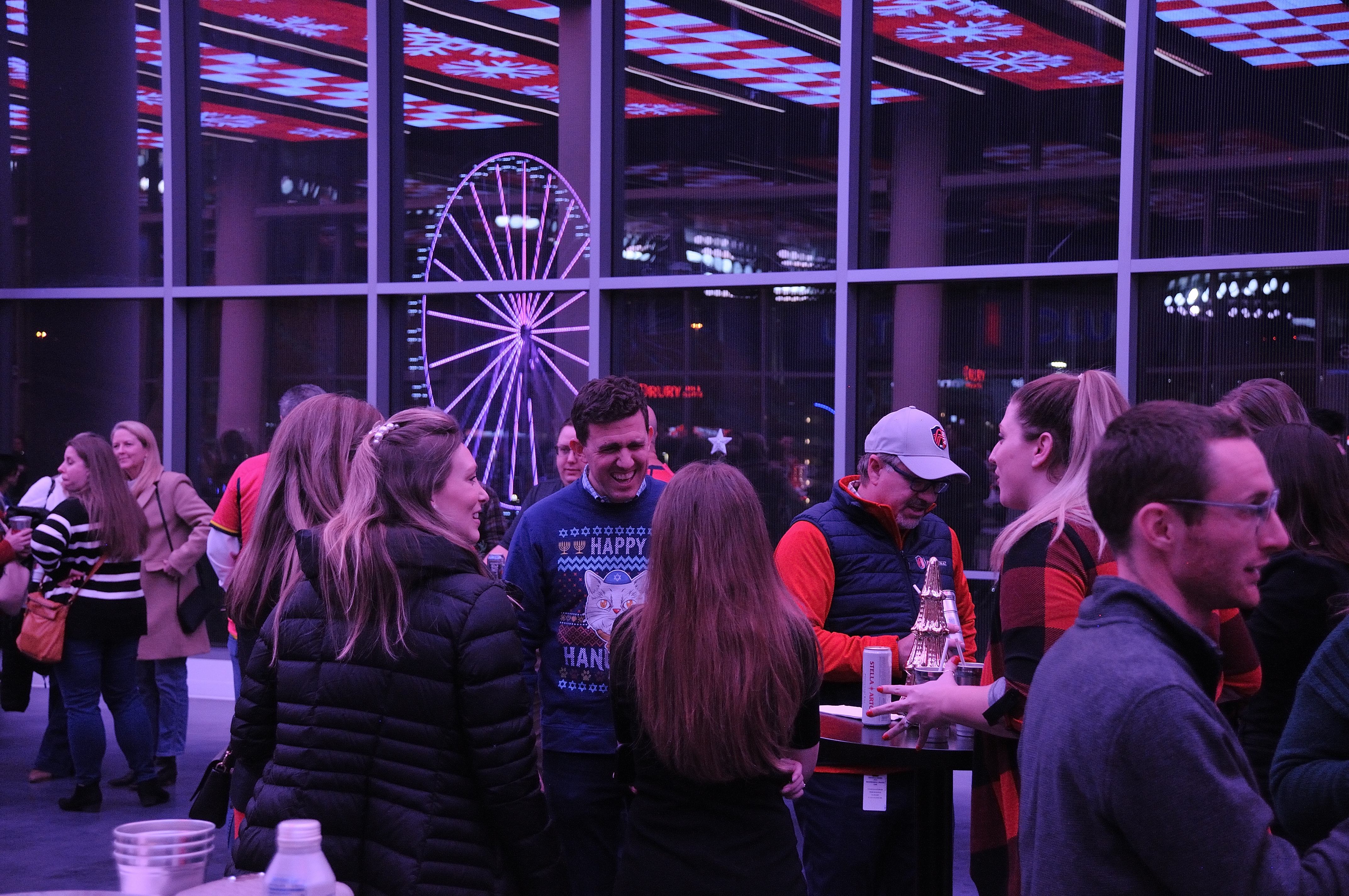
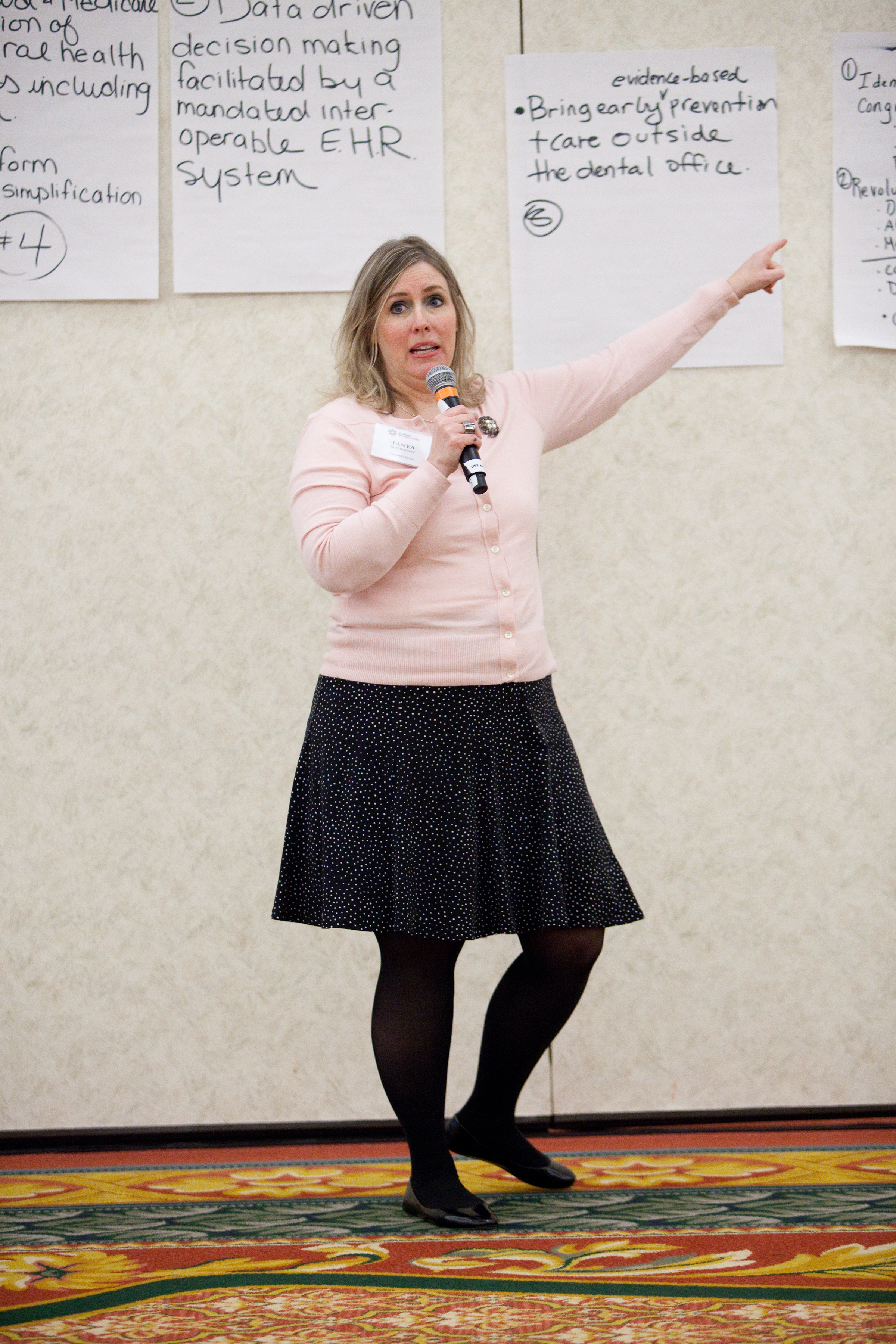
Combining Headshots and Video in One Production Session
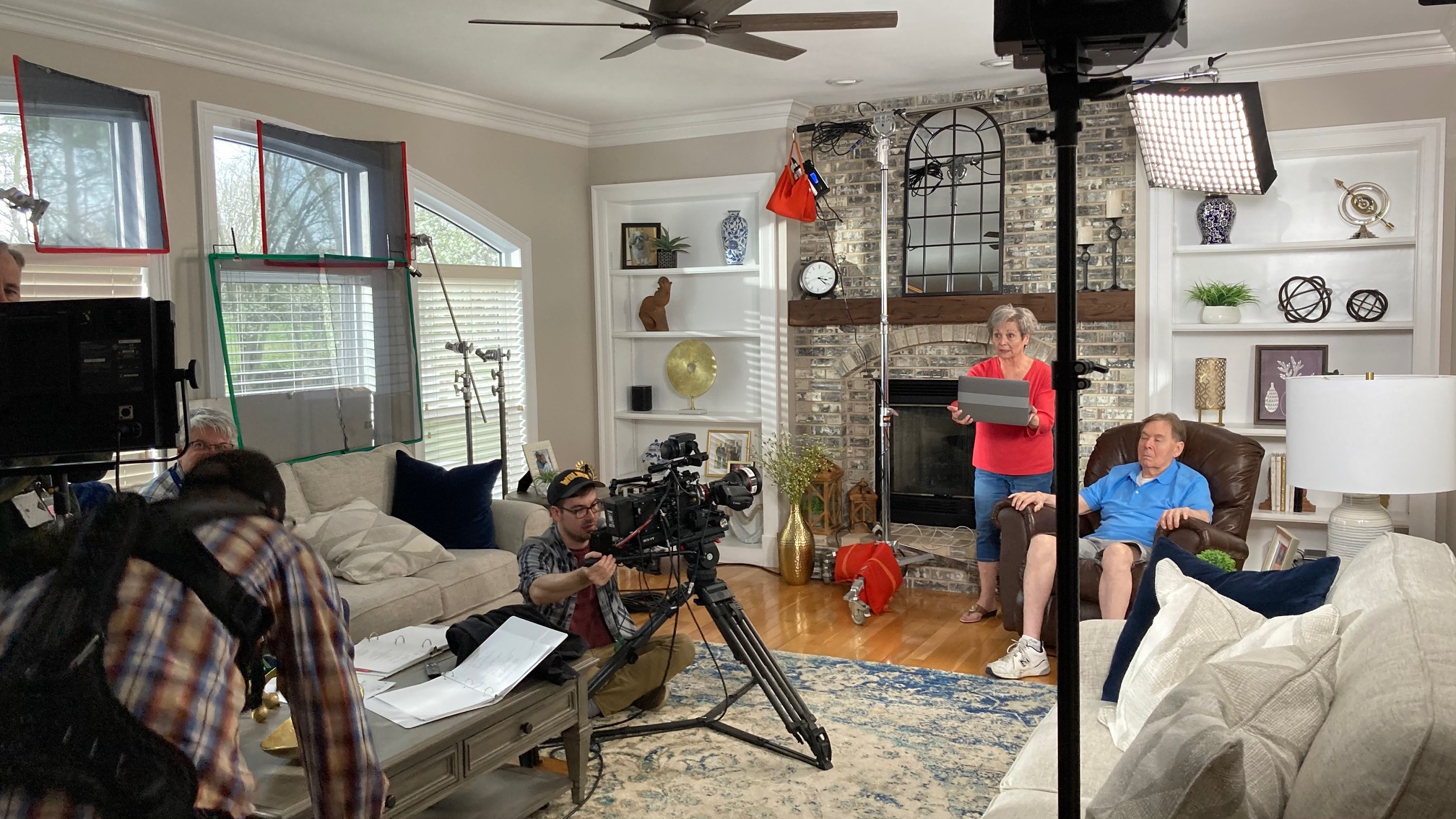
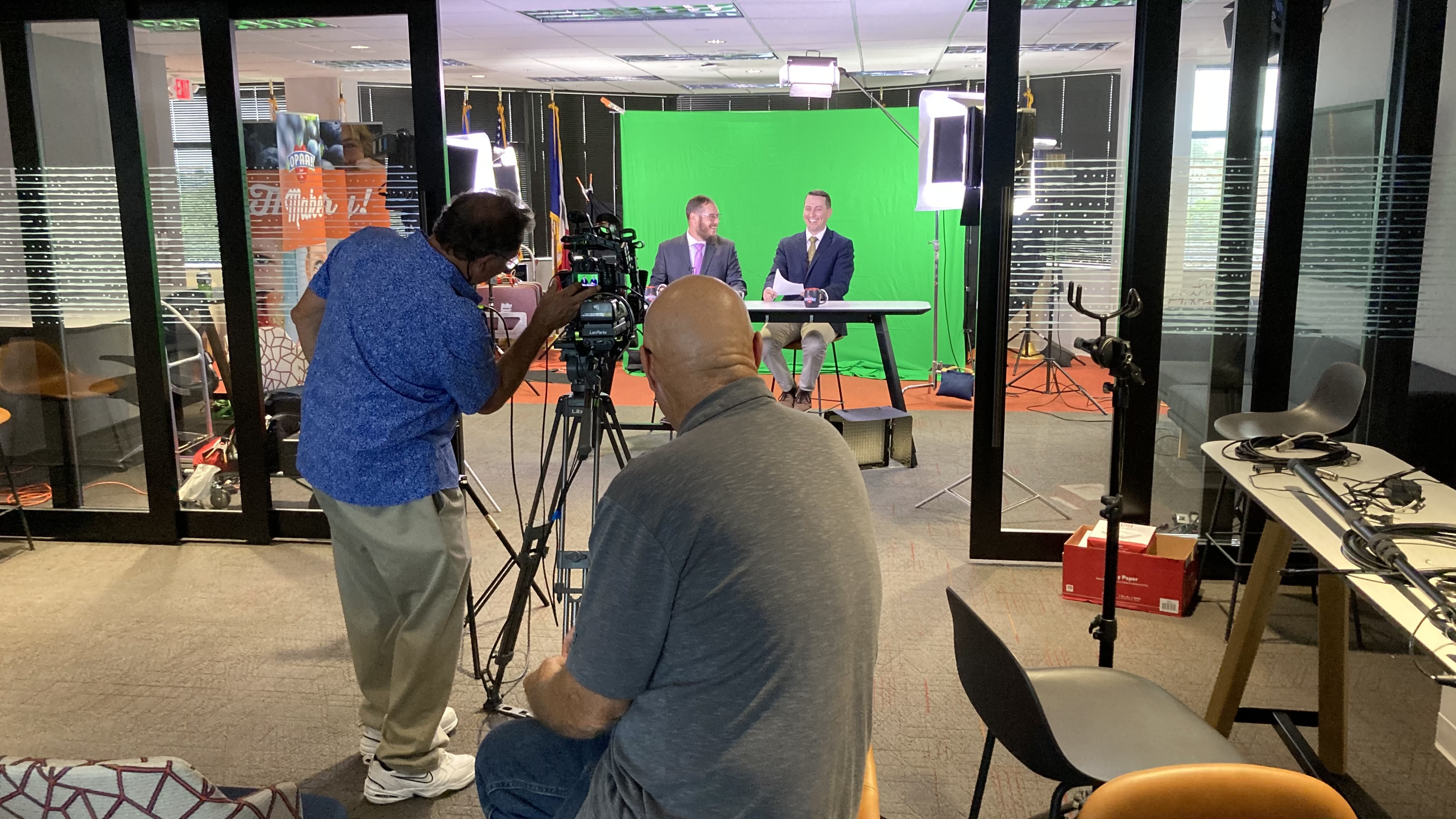
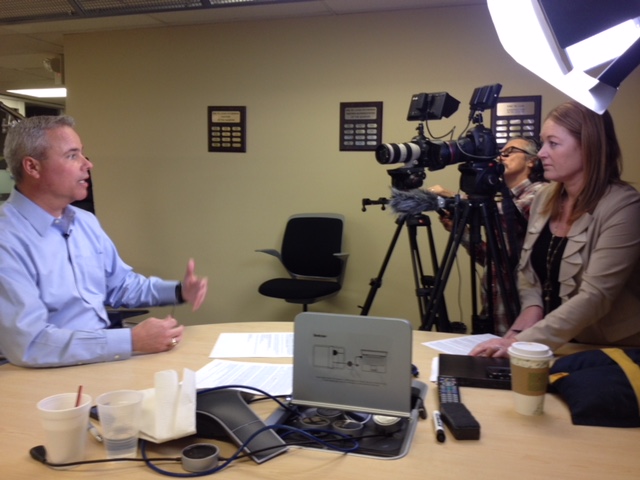
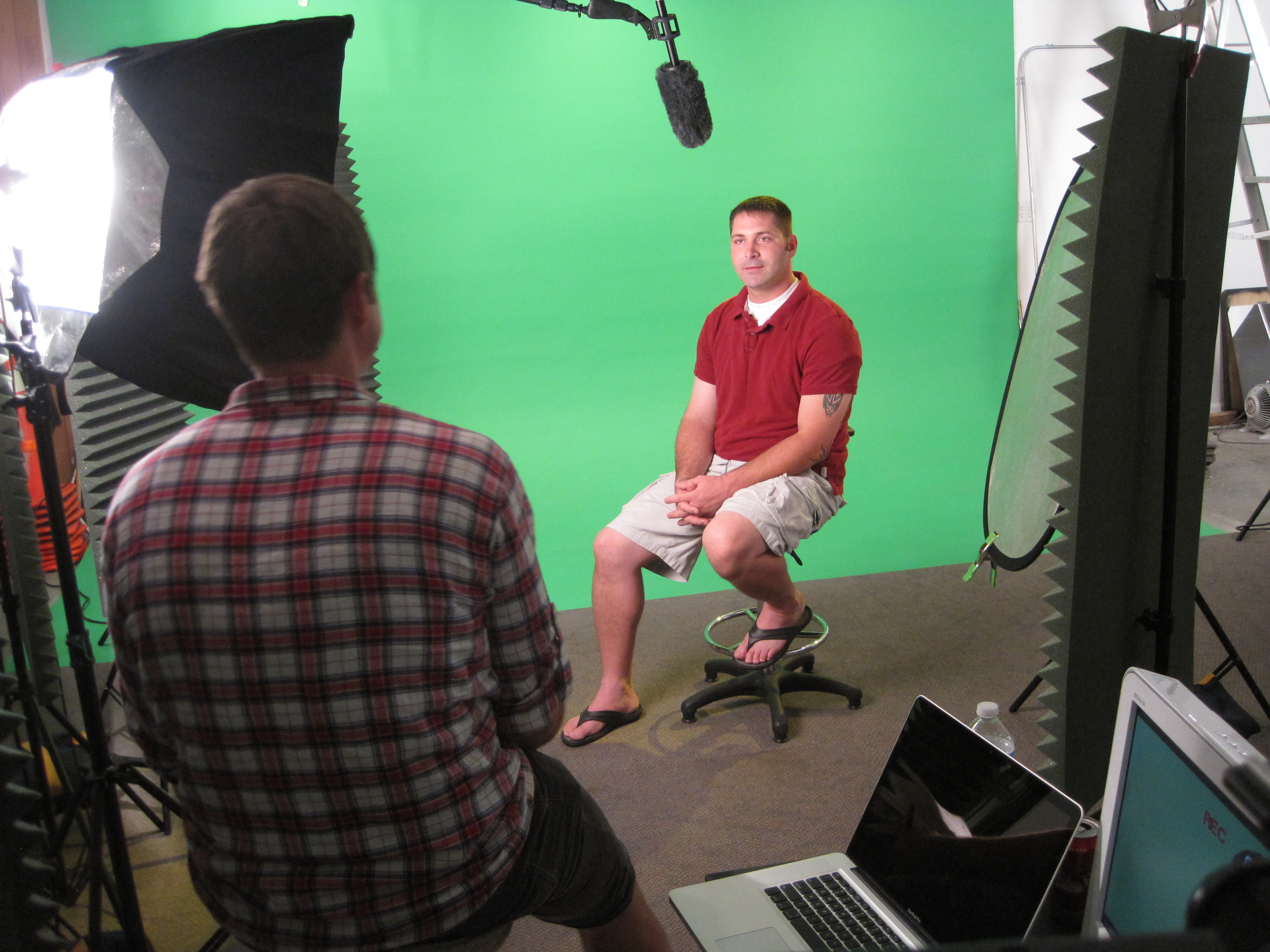
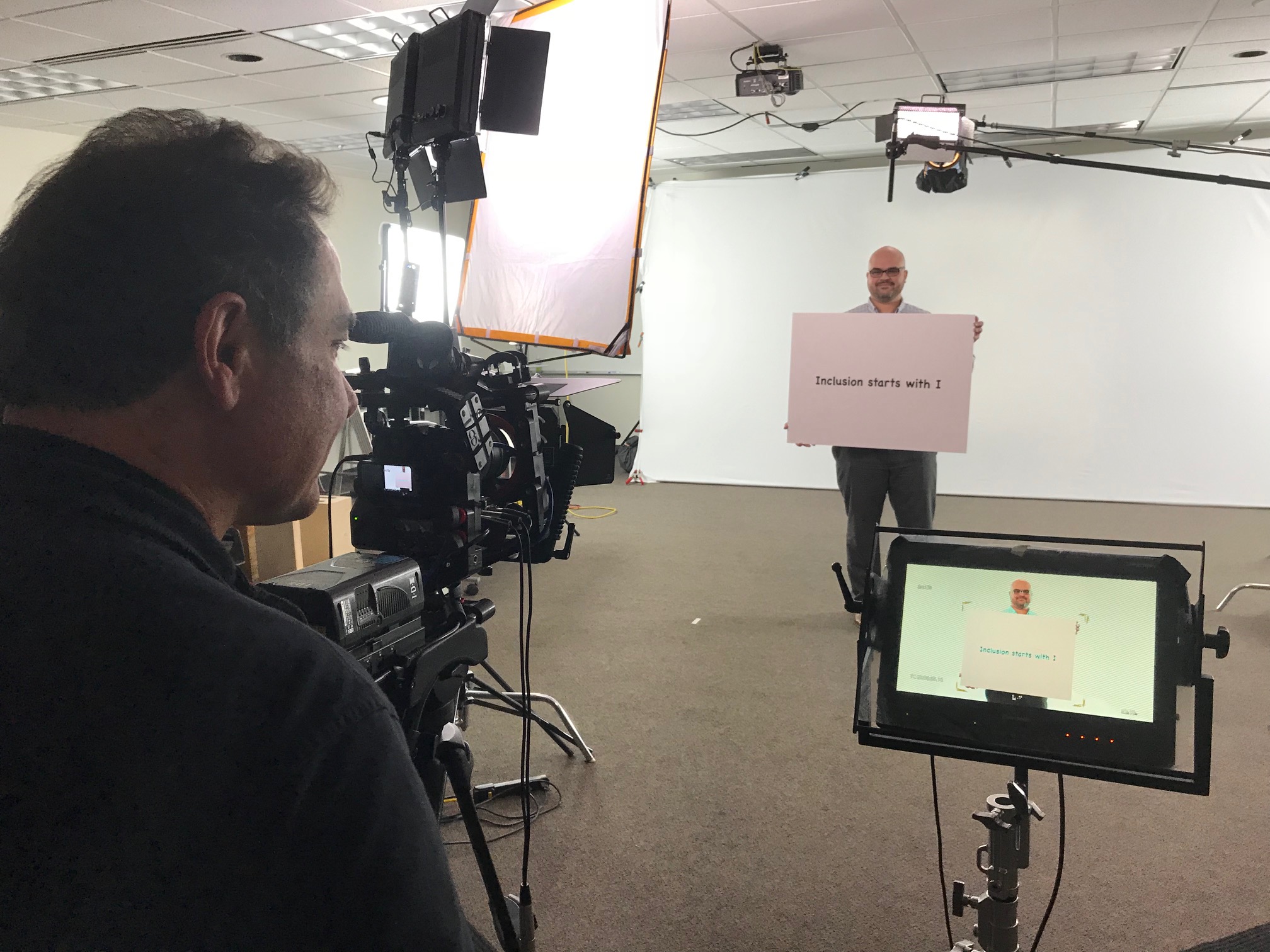
One of the most efficient ways for a small business to improve its marketing content is to combine headshots and video clips into one organized production session. This allows the company to update portraits, record short interviews, capture service explanations, gather b-roll, and create a practical media library from the same production day.
A single session can produce:
Professional headshots
Executive portraits
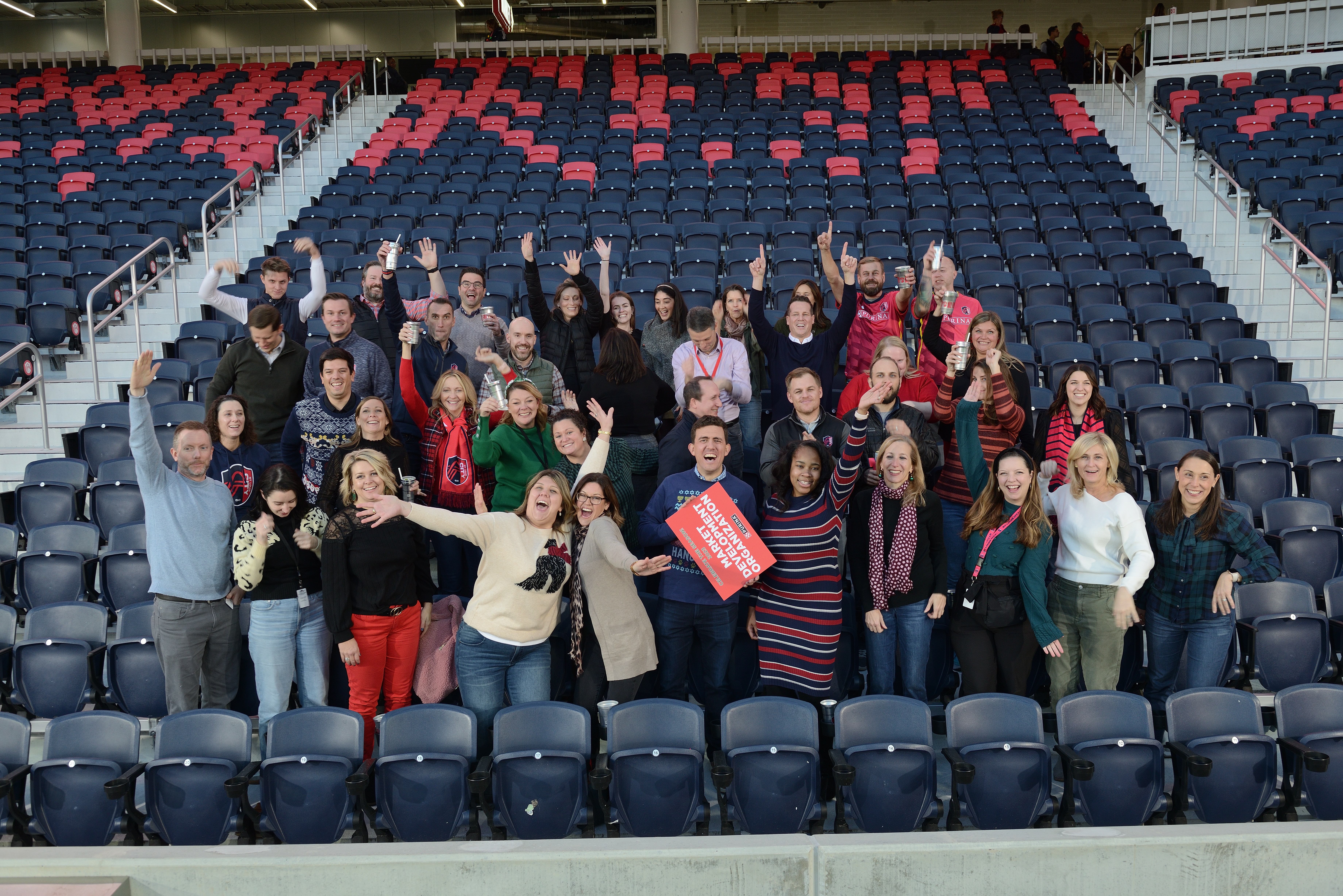
Team photography
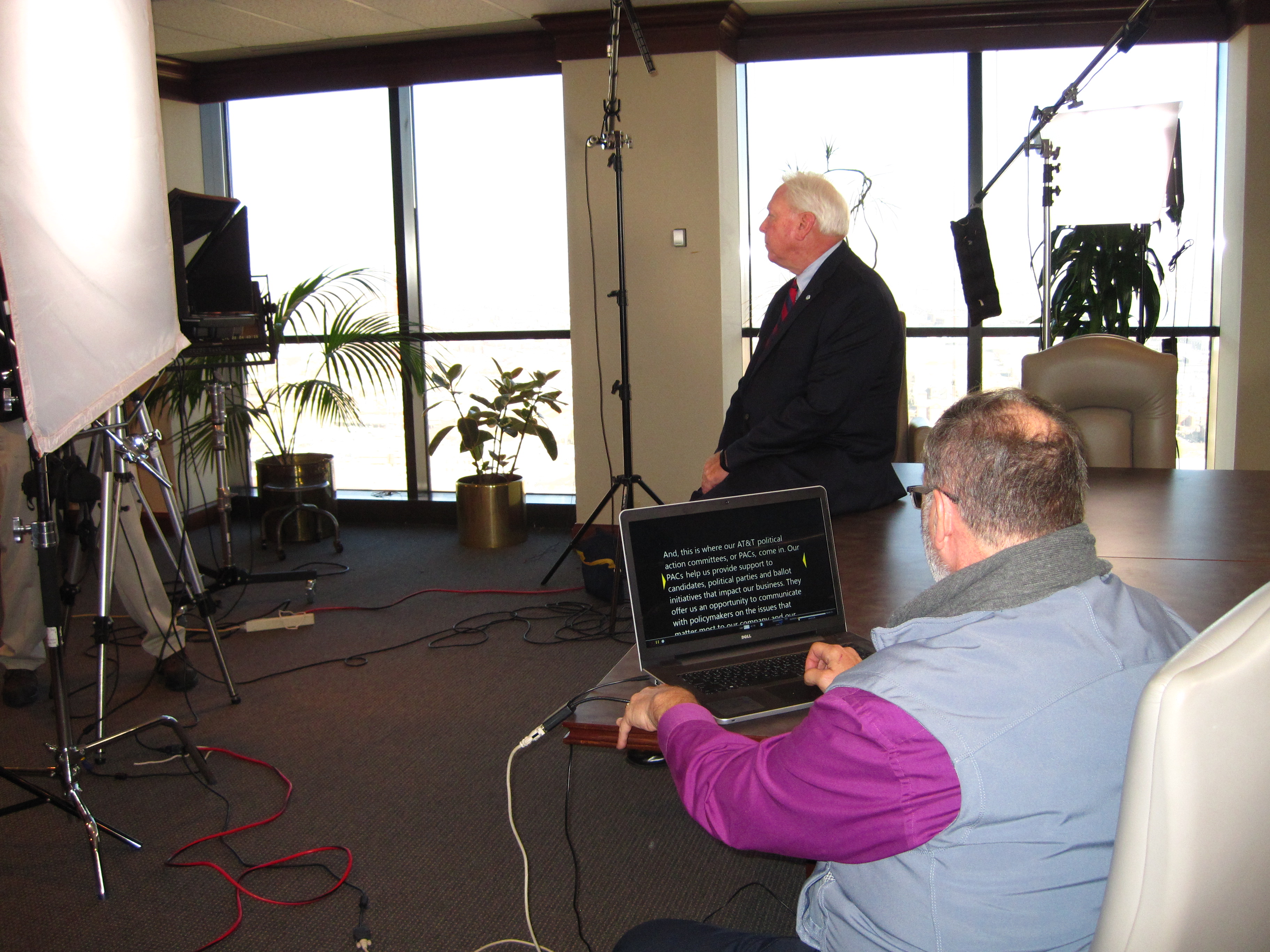
Short interview clips
Social media videos
Website video segments
Customer testimonial clips
B-roll footage
Behind-the-scenes content
Recruiting media
Still images for thumbnails and posts
This approach saves time, keeps the visual style consistent, and gives the business more useful content to work with after the shoot. Instead of scheduling separate productions for every marketing need, a small business can build a library of photography and video assets that support weeks or months of communication.
Planning the Message Before Production
Professional photography and video should be planned around a business objective. Before production begins, it is important to consider the audience, message, platforms, visual style, location, wardrobe, background, talking points, and final deliverables.
For corporate headshots, planning may include background selection, lighting style, posing direction, cropping preferences, retouching needs, and file formats.
For social media video clips, planning should focus on short, useful messages. Small businesses may benefit from answering questions such as:
Who do you serve?
What problem do you solve?
What makes your company different?
What should customers know before hiring you?
What service needs a clearer explanation?
What questions do prospects ask most often?
What parts of your work are best shown visually?
The strongest social media clips are usually focused on one clear idea. Rather than trying to say everything in one video, businesses often get better results by creating a series of short clips, each with a specific purpose.
Professional Lighting, Audio, and Direction
The quality of a headshot or video clip depends on more than the camera. Lighting, audio, composition, background control, direction, lens choice, editing, and file preparation all affect the finished product.
For headshots, professional lighting helps shape the face, control shadows, improve skin tone, and create separation from the background. Direction helps subjects look natural, confident, and approachable.
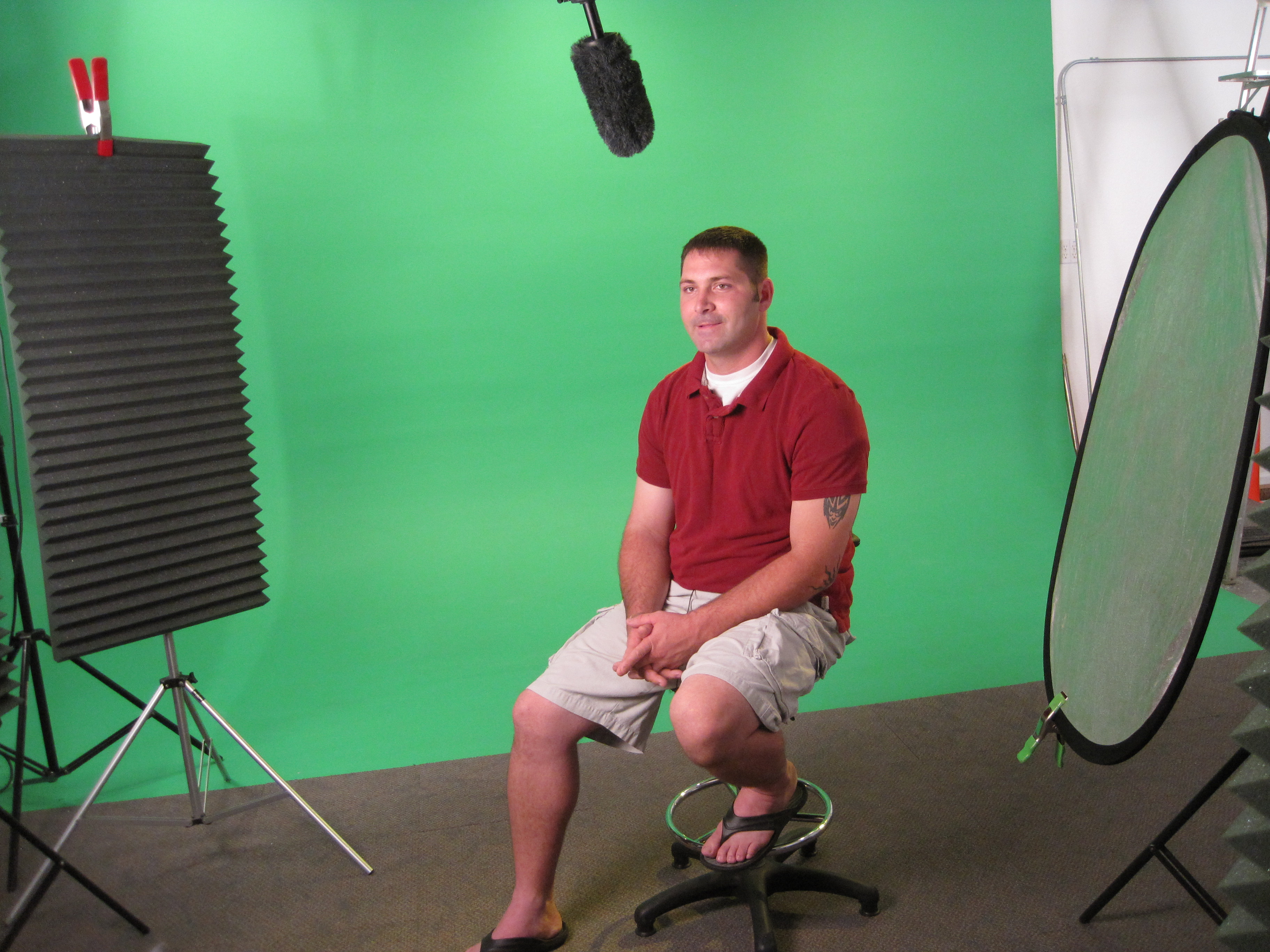
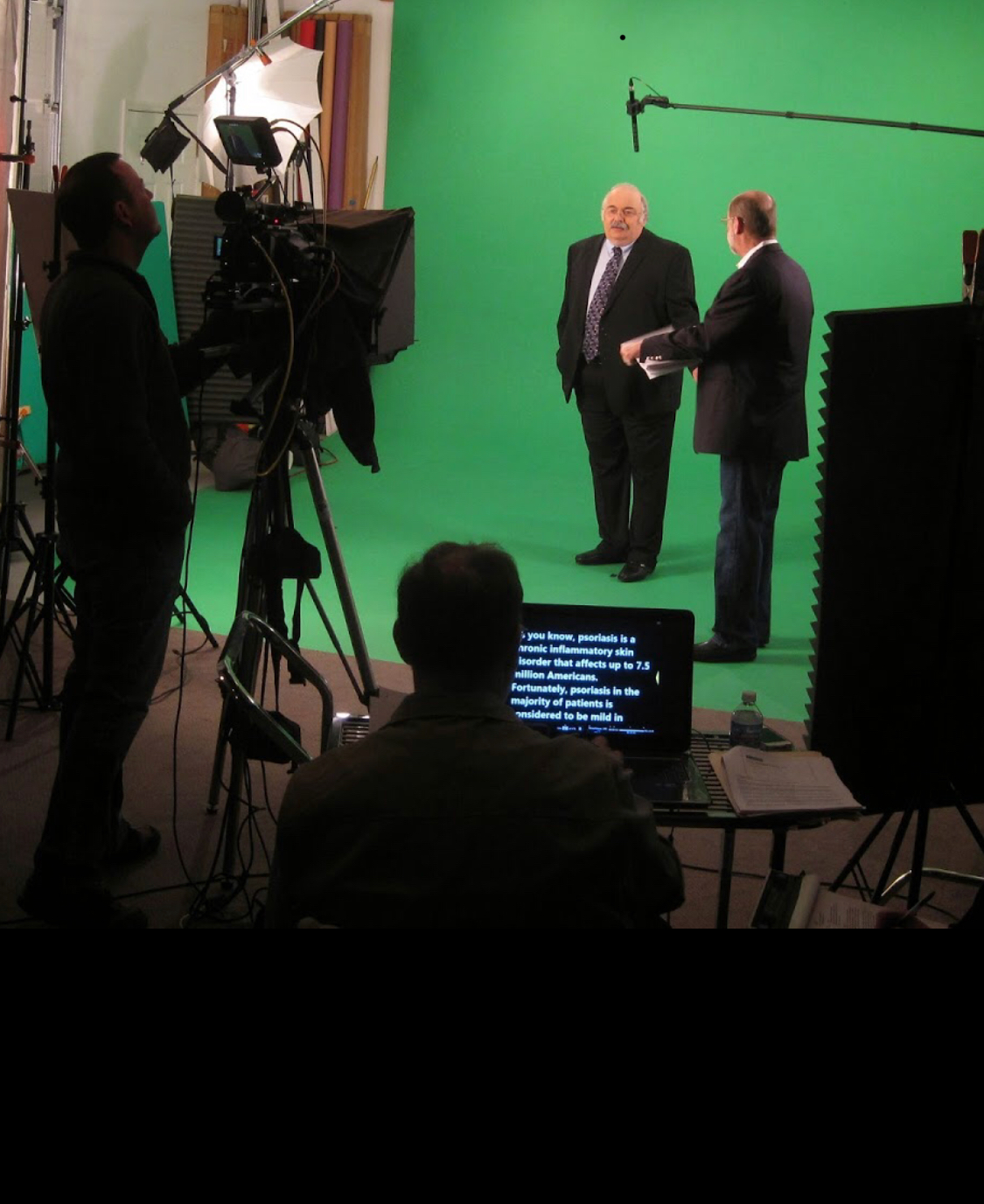
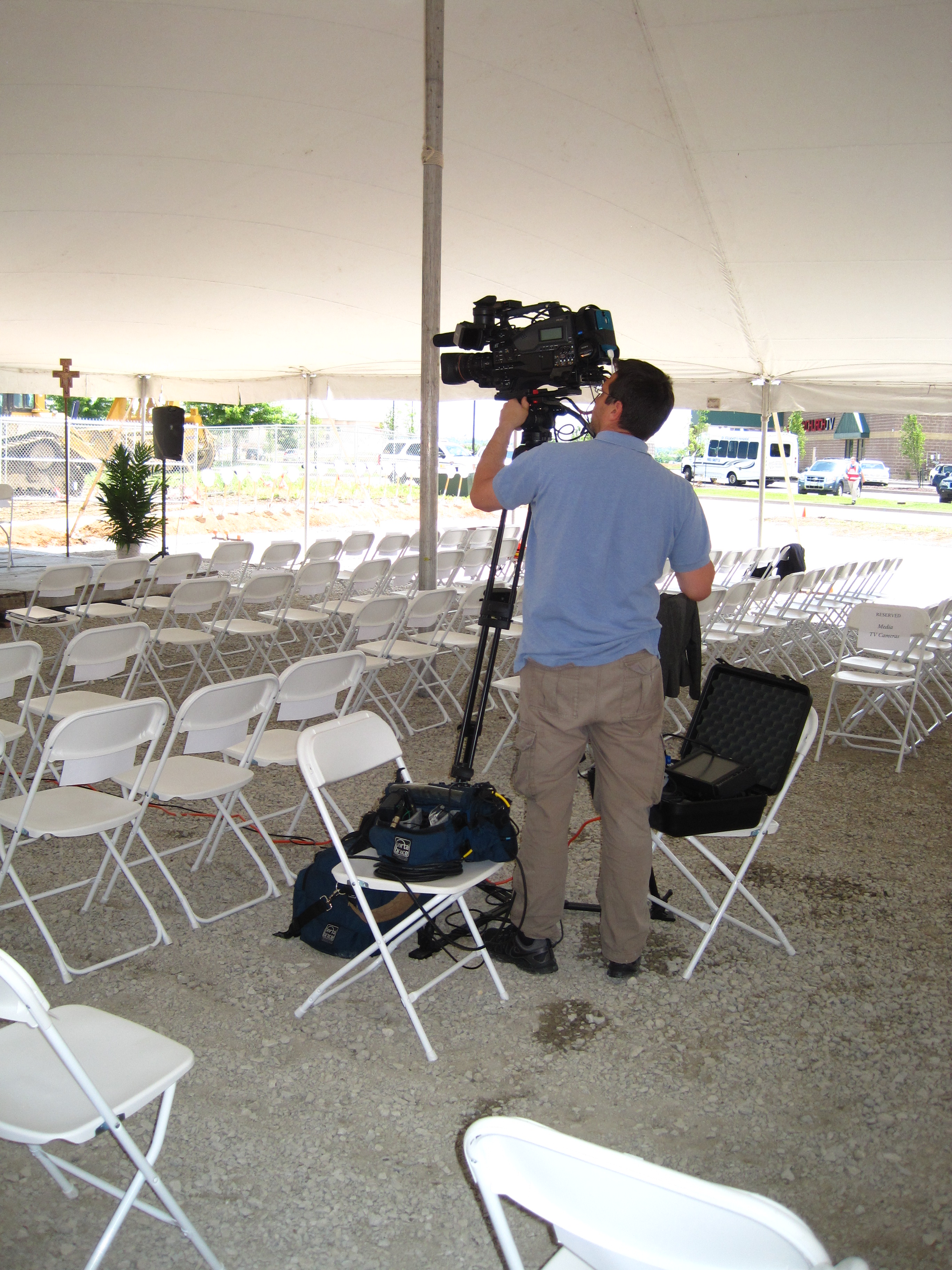
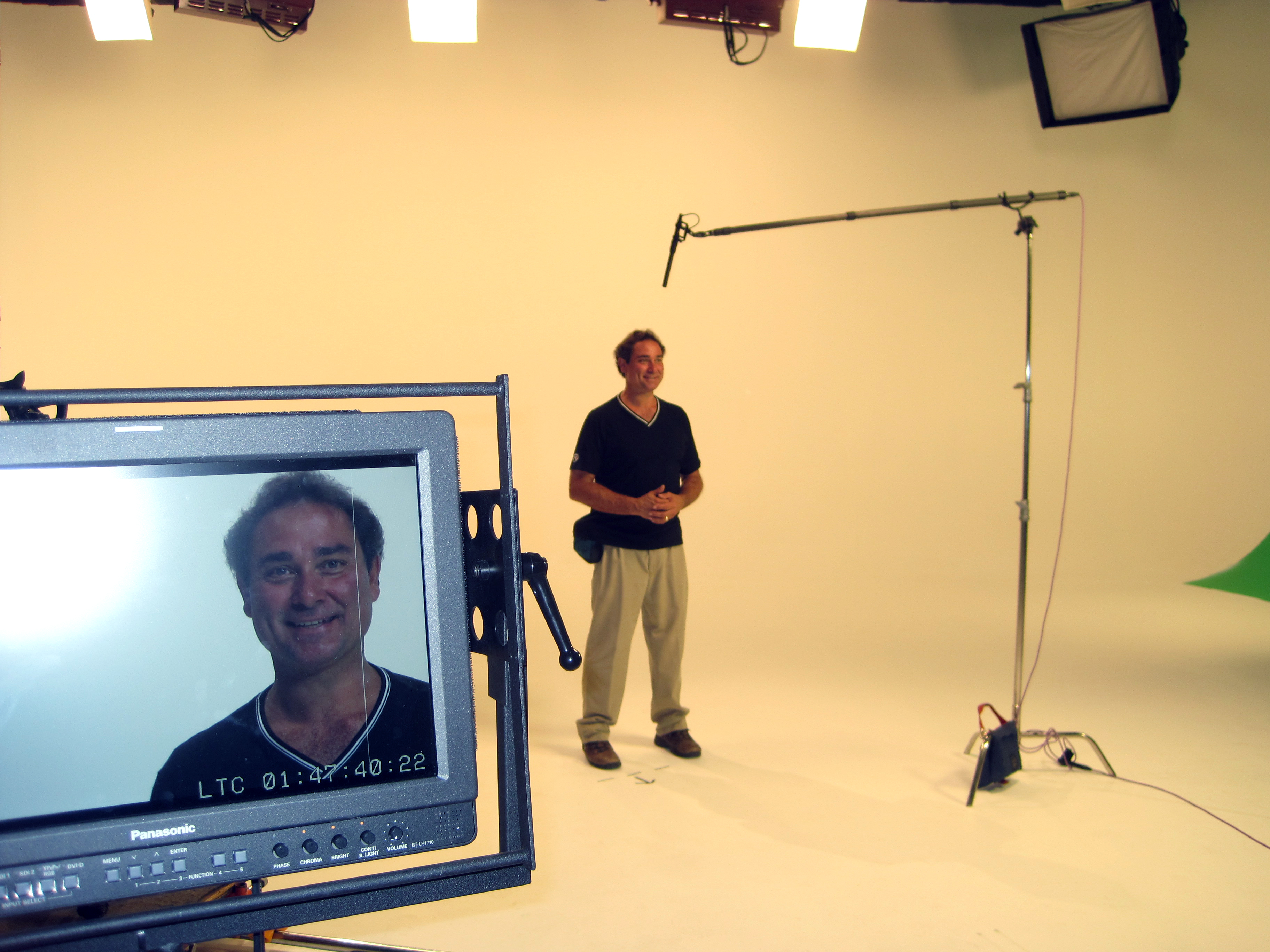
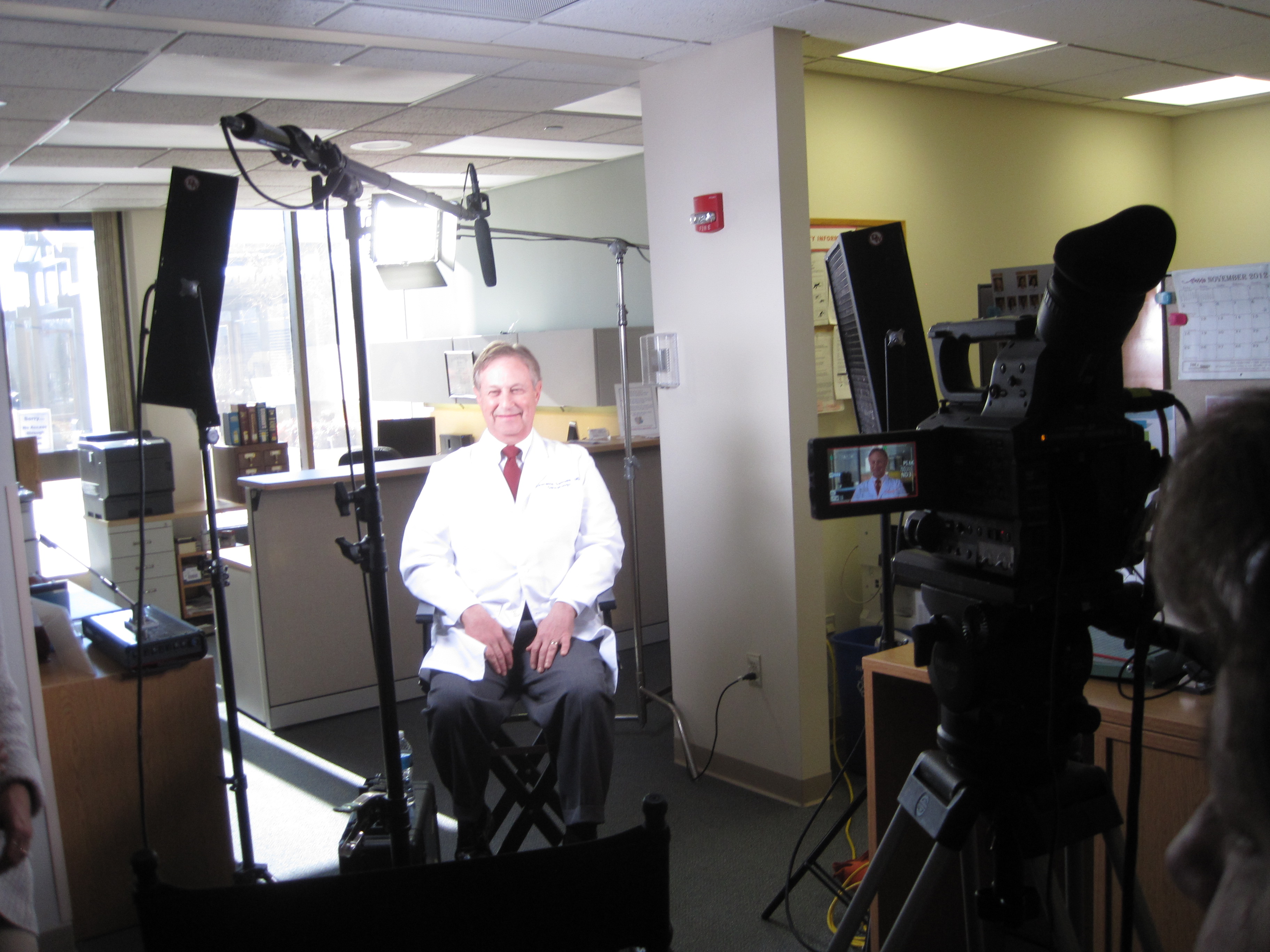
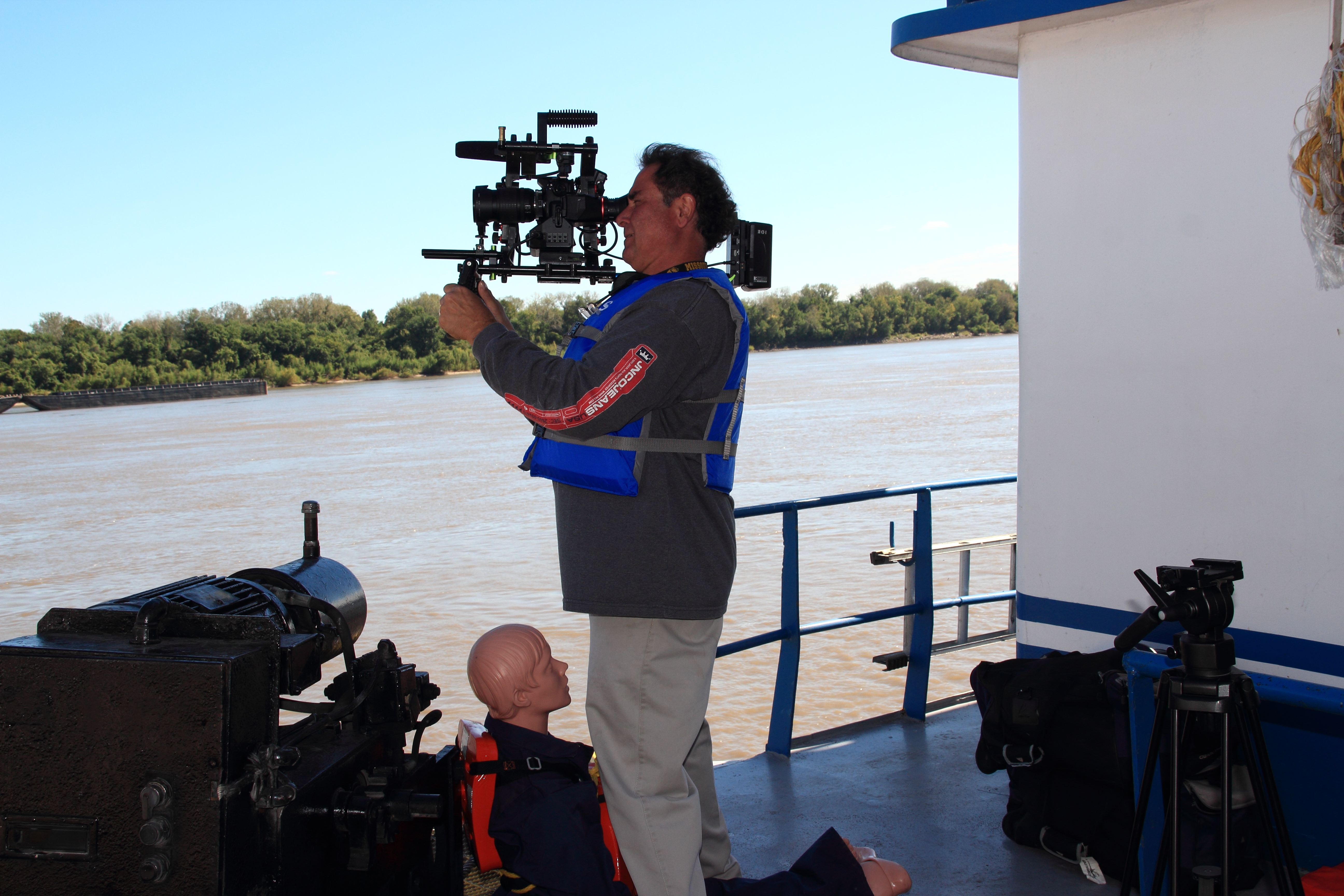
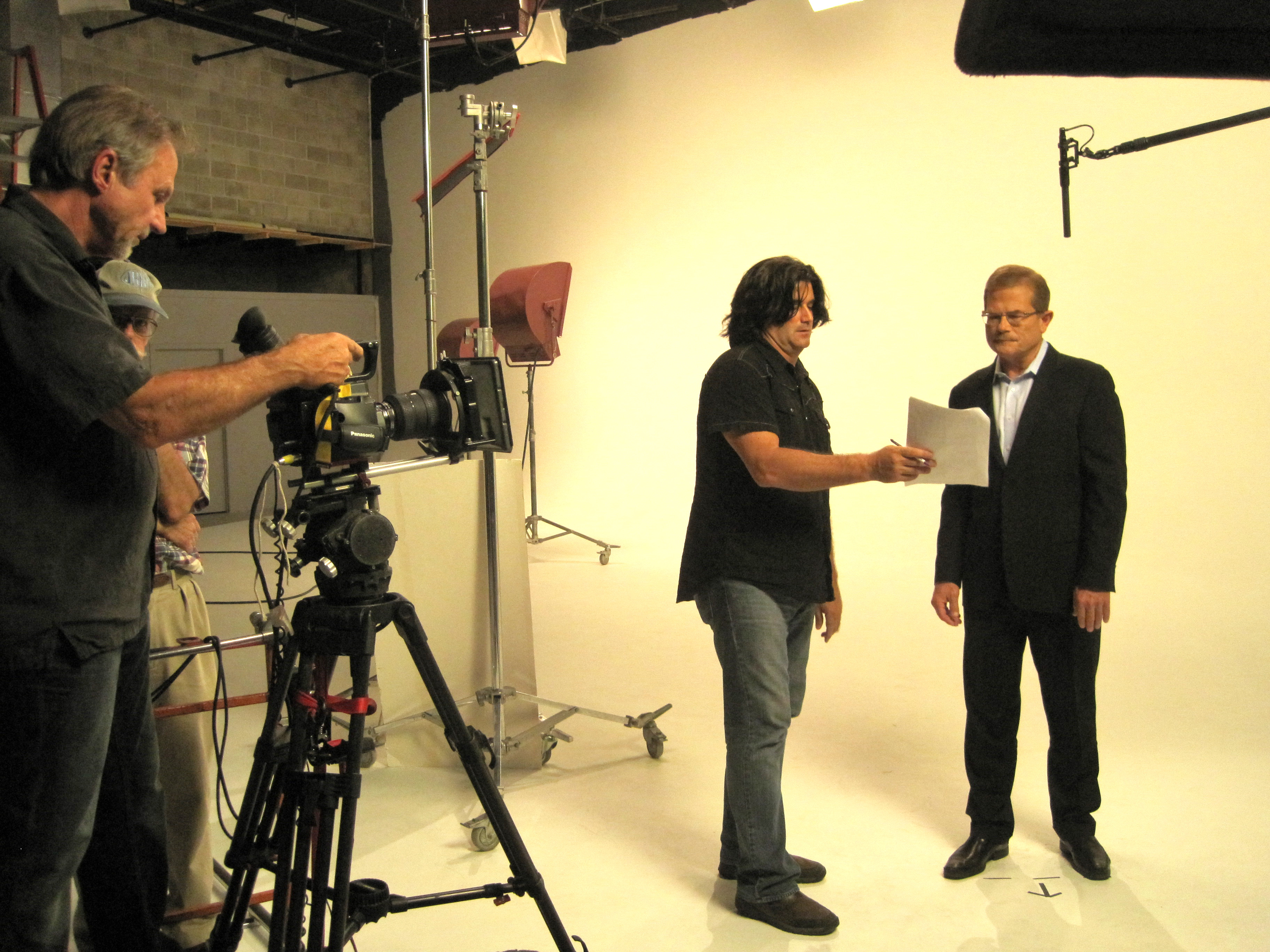
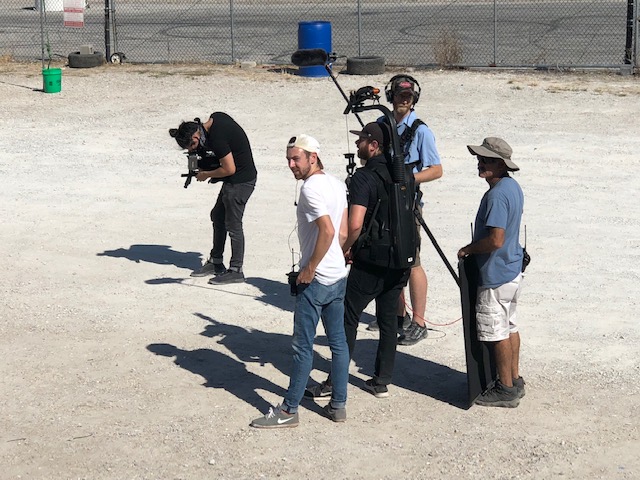
For video, clean audio is essential. Viewers may accept a simple visual style, but poor sound can quickly weaken the message. Professional microphones, lighting, camera support, and thoughtful framing help business video clips feel credible and watchable.
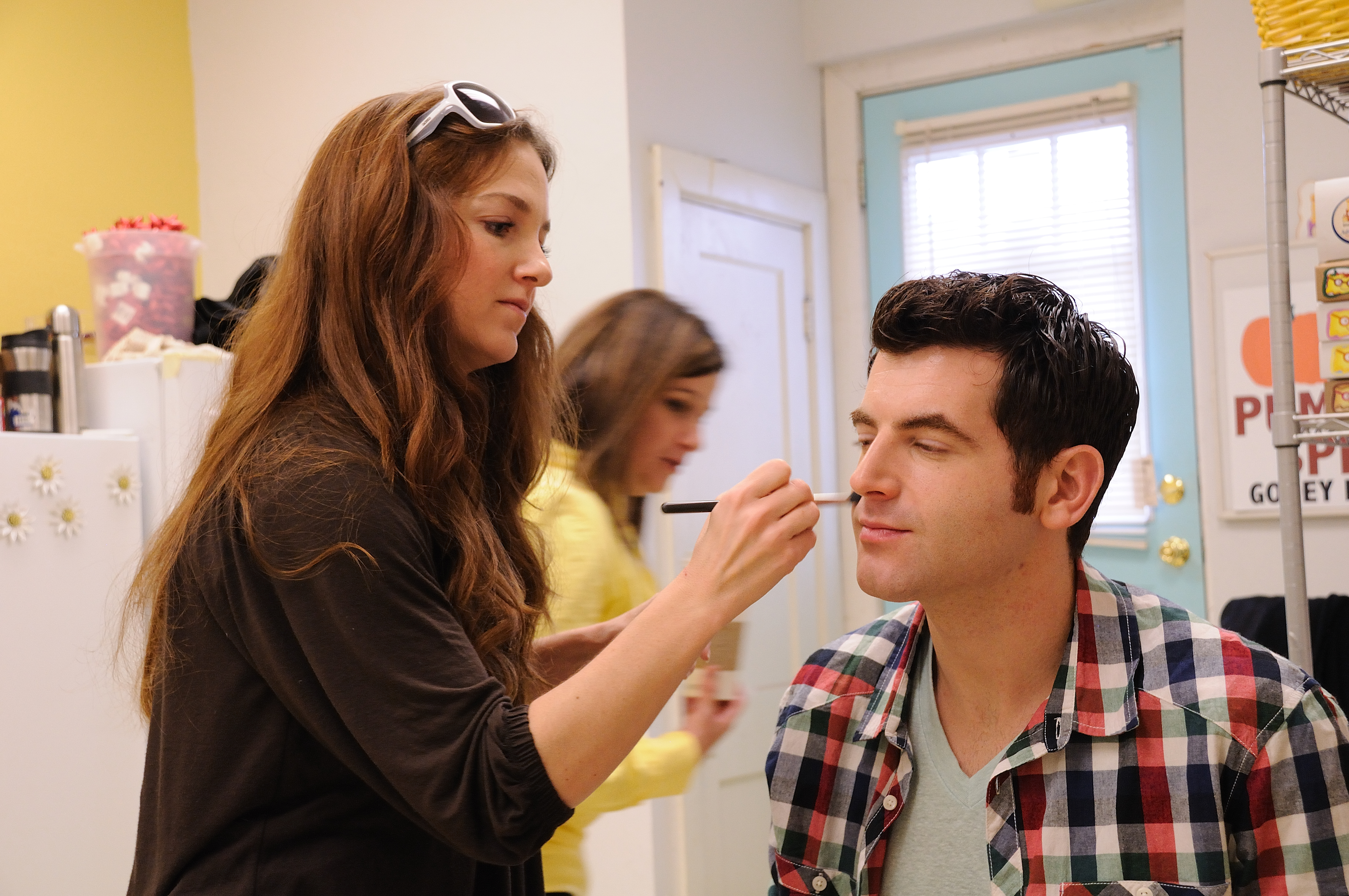
St Louis Corporate Photographers understands how to create professional visual content while helping business owners, executives, employees, and clients feel comfortable in front of the camera.
B-Roll Adds Value to Business Videos
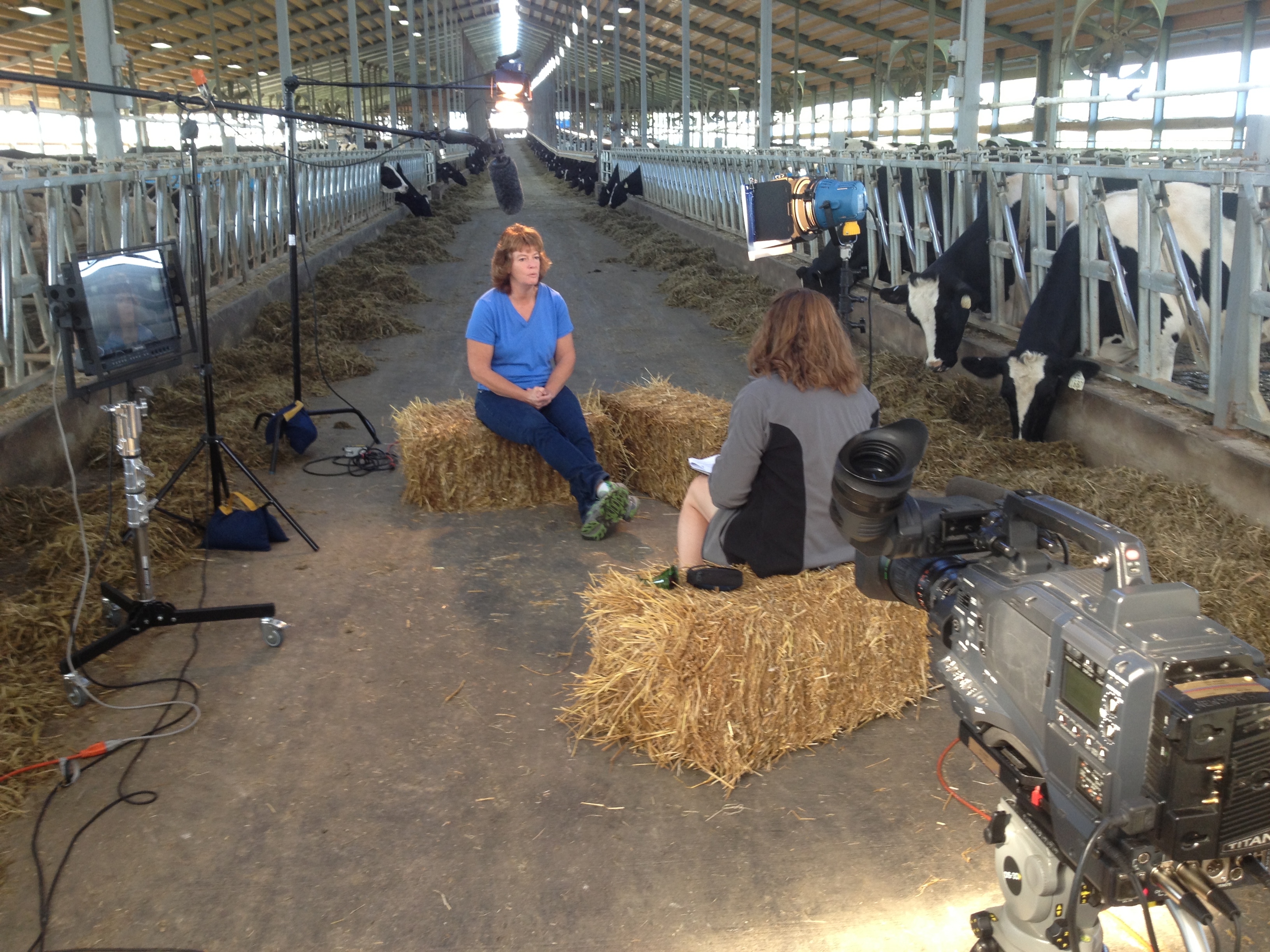
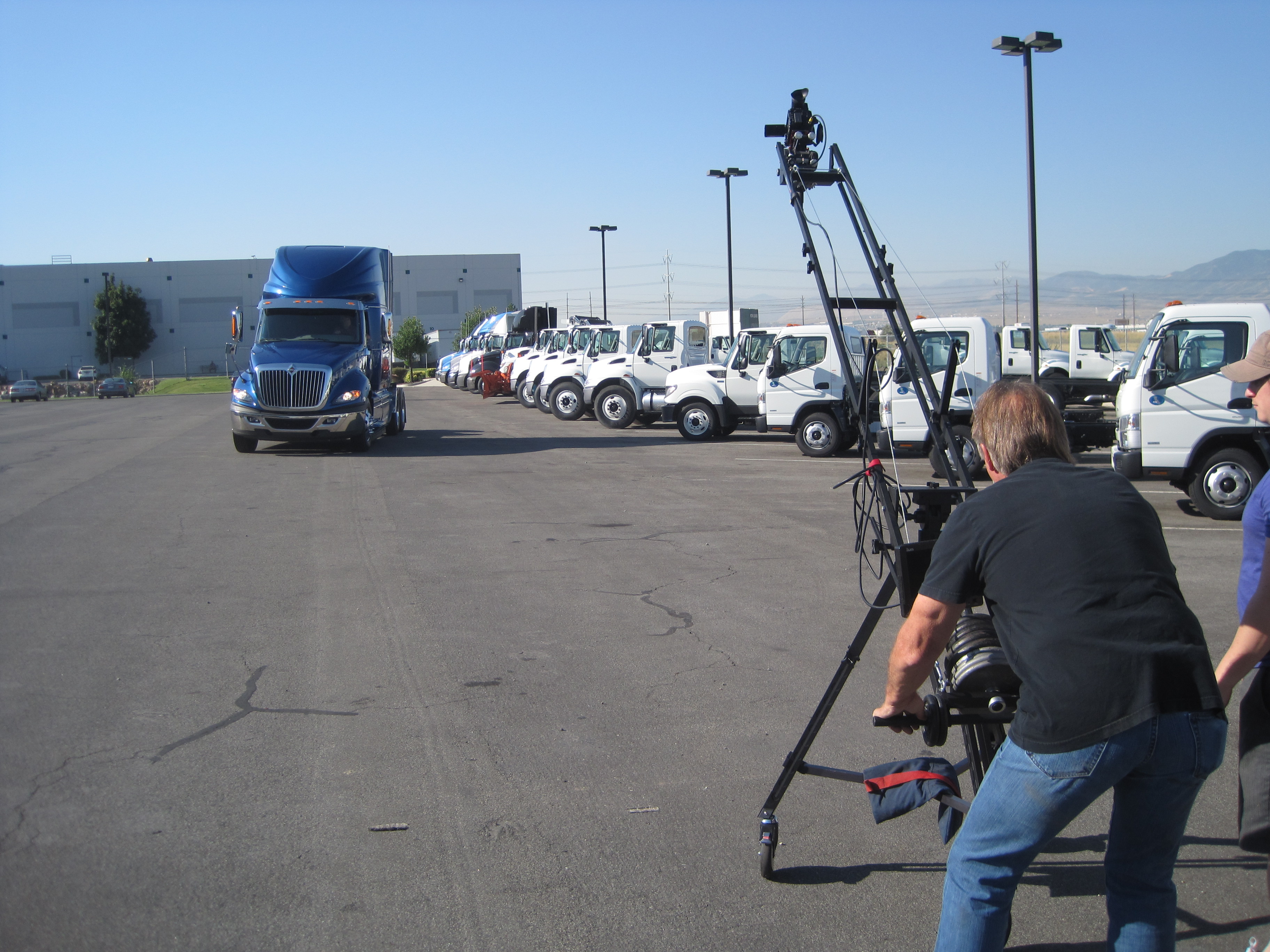
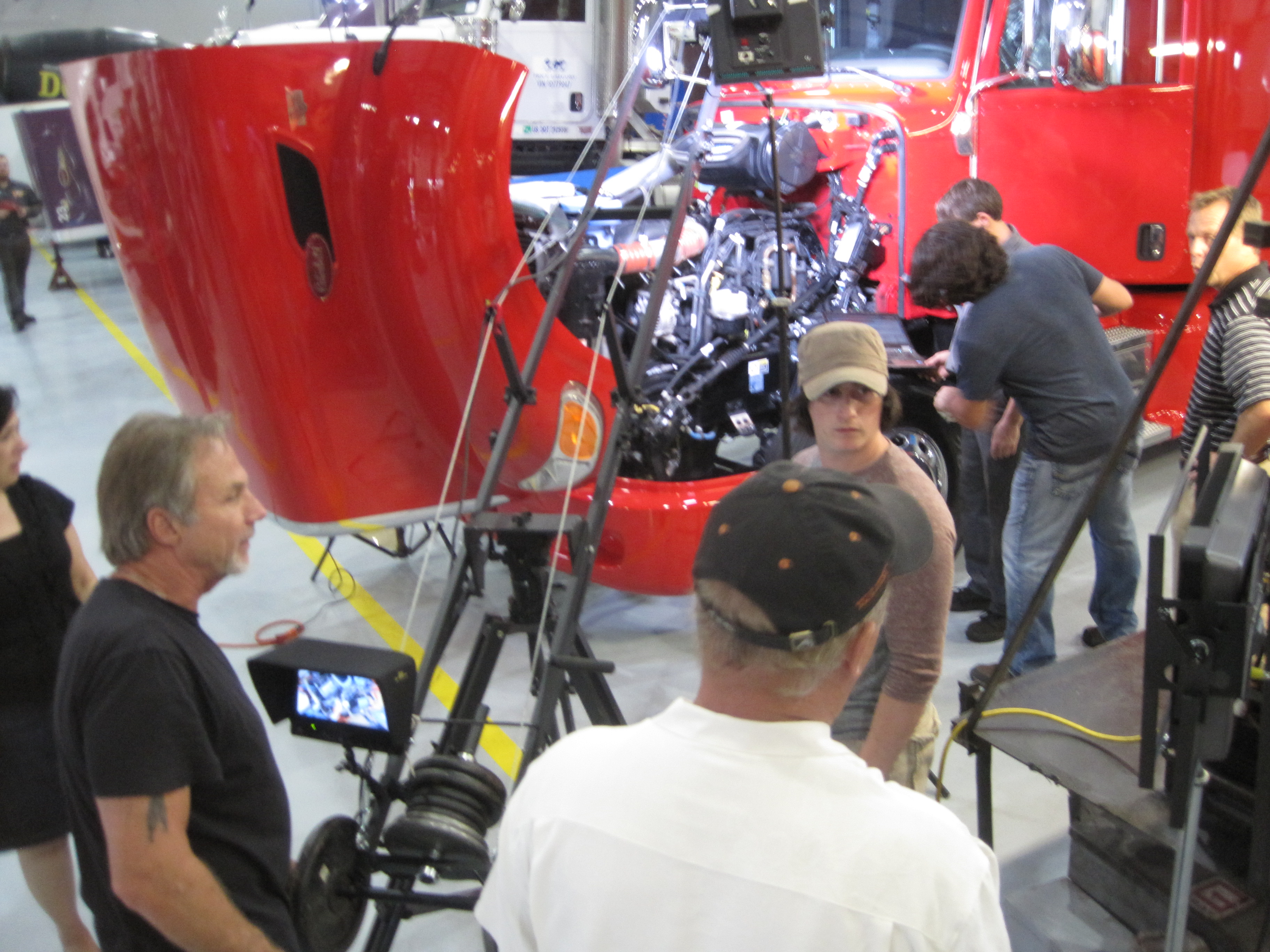
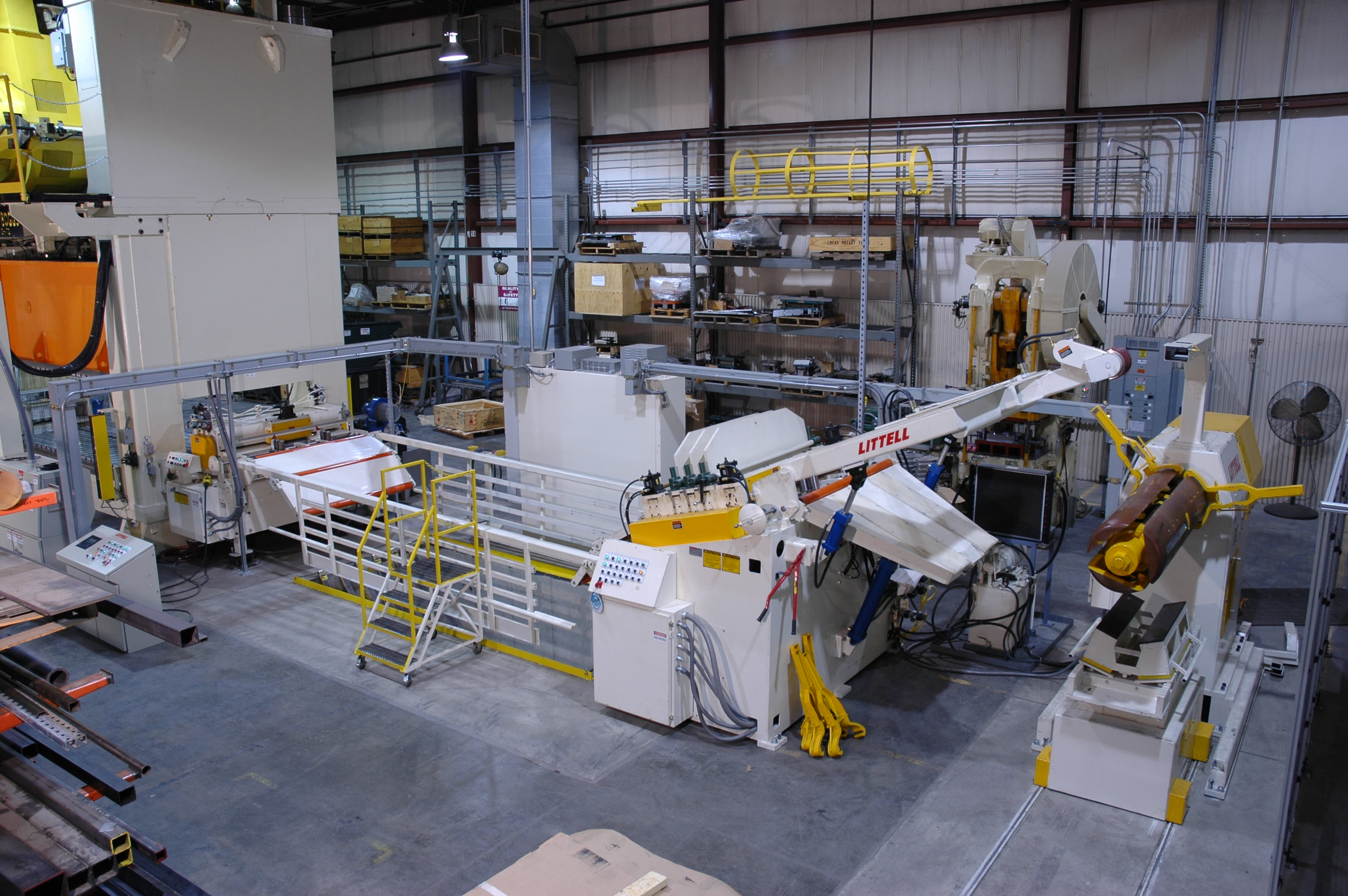
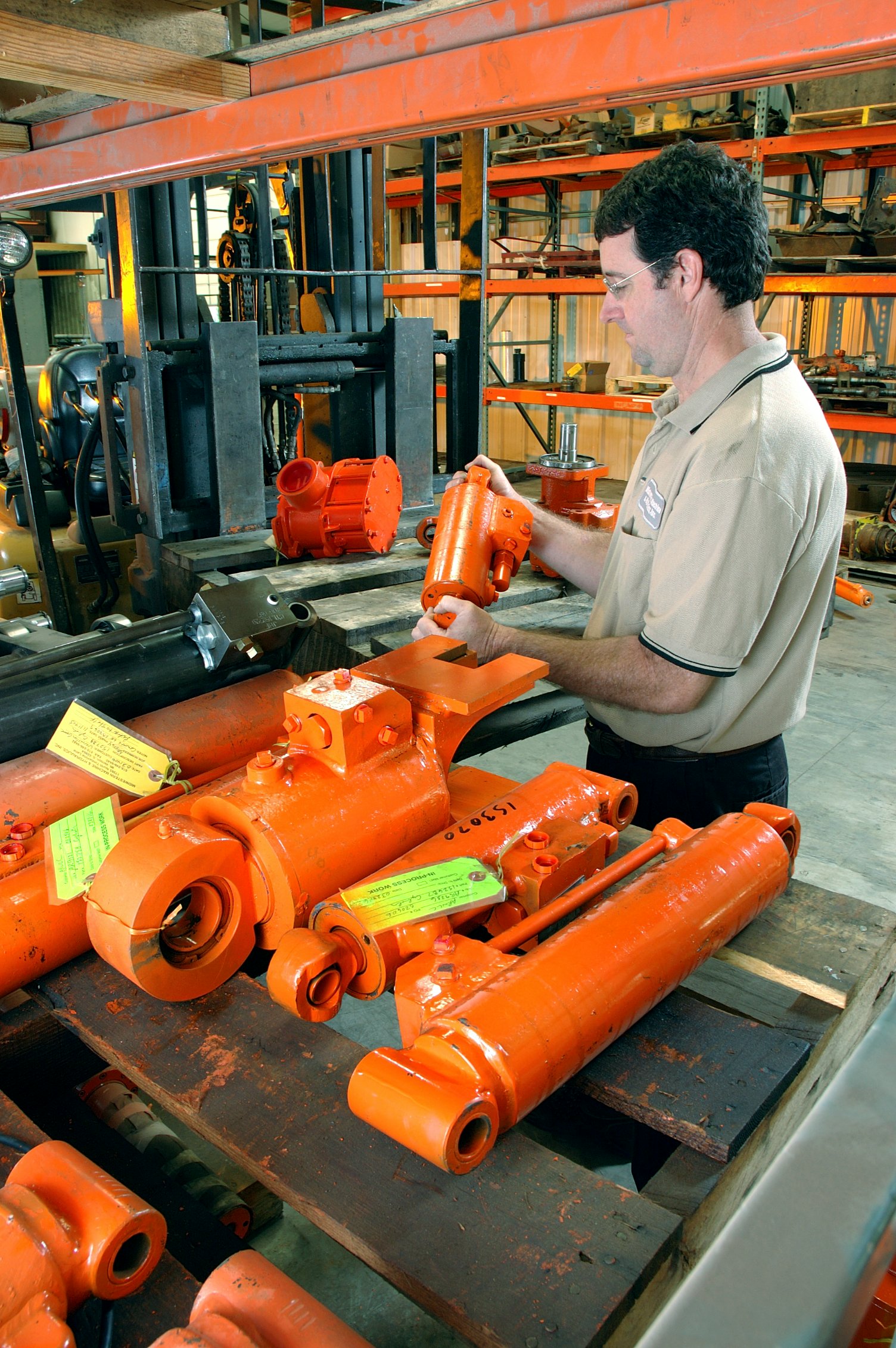
B-roll is the supporting footage that helps tell the story visually. It may show employees working, customers being served, products being prepared, equipment in use, meetings, office activity, facility details, signage, vehicles, tools, processes, or completed projects.
For social media clips, b-roll makes the video more engaging and easier to edit. Instead of relying only on a talking head, the viewer can see the business in action.
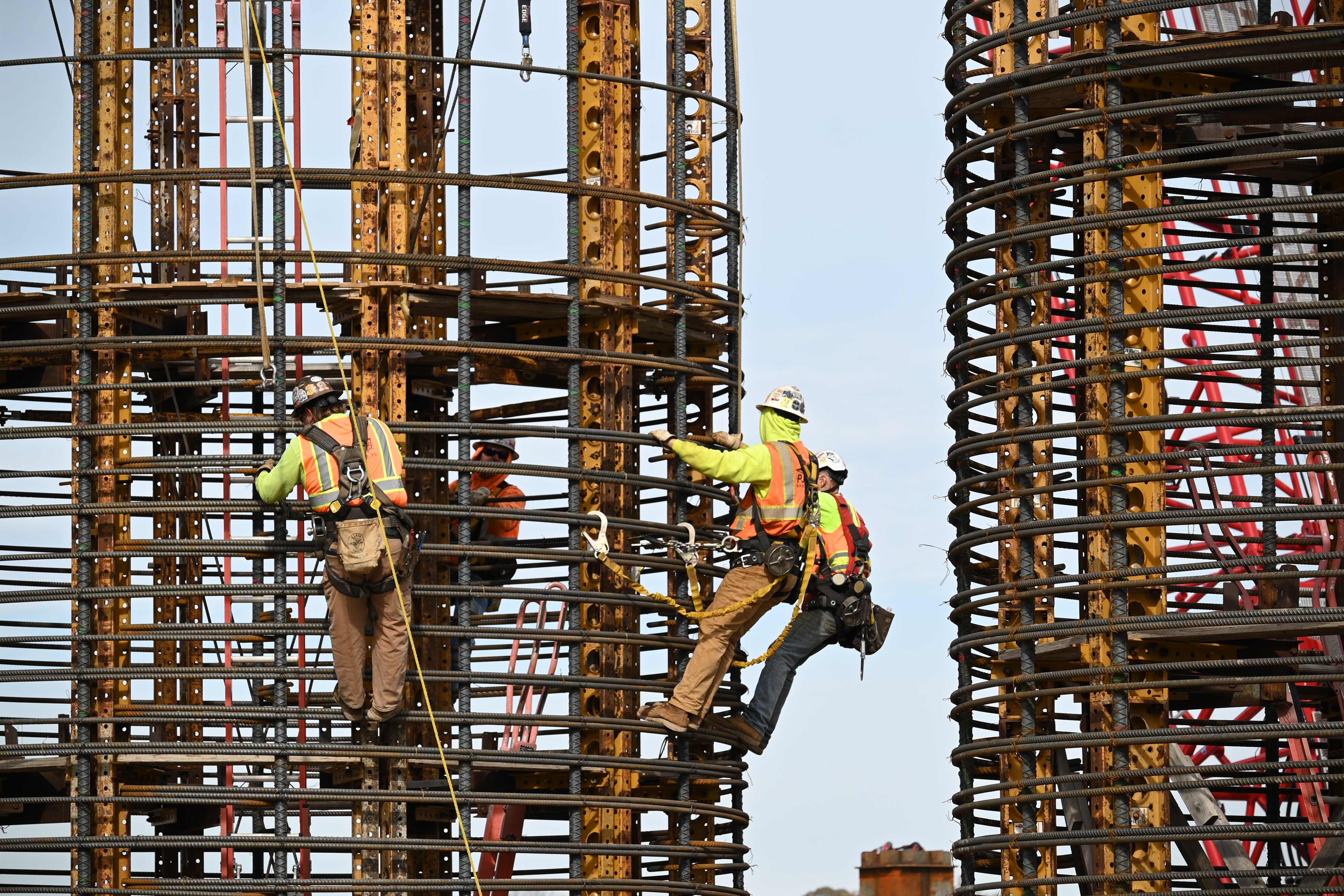
For professional service firms, b-roll may include consultations, meetings, team collaboration, client interaction, technology, documents, and branded materials. For contractors, manufacturers, healthcare practices, retailers, and service companies, b-roll may include facilities, tools, equipment, procedures, jobsites, products, and finished results.
Strong b-roll gives every business video more flexibility, polish, and marketing value.
Repurposing Content for Better Marketing Results
Small businesses should get as much value as possible from every production. A well-planned photography and video session can create content that supports websites, LinkedIn, social media, digital ads, sales presentations, recruiting, email marketing, and internal communications.
One interview can become several short clips. One headshot session can provide portraits for LinkedIn, staff pages, proposals, and email signatures. One location shoot can generate website banners, social media posts, thumbnail images, recruiting visuals, and b-roll for future edits.
Repurposing photography and video branding helps small businesses stay visible without constantly starting from scratch. It also helps maintain a consistent visual identity across platforms.
St Louis Corporate Photographers helps businesses think beyond a single finished image or video. The goal is to create practical, flexible media assets that can support long-term marketing and communication needs.
Studio and Location Production Options
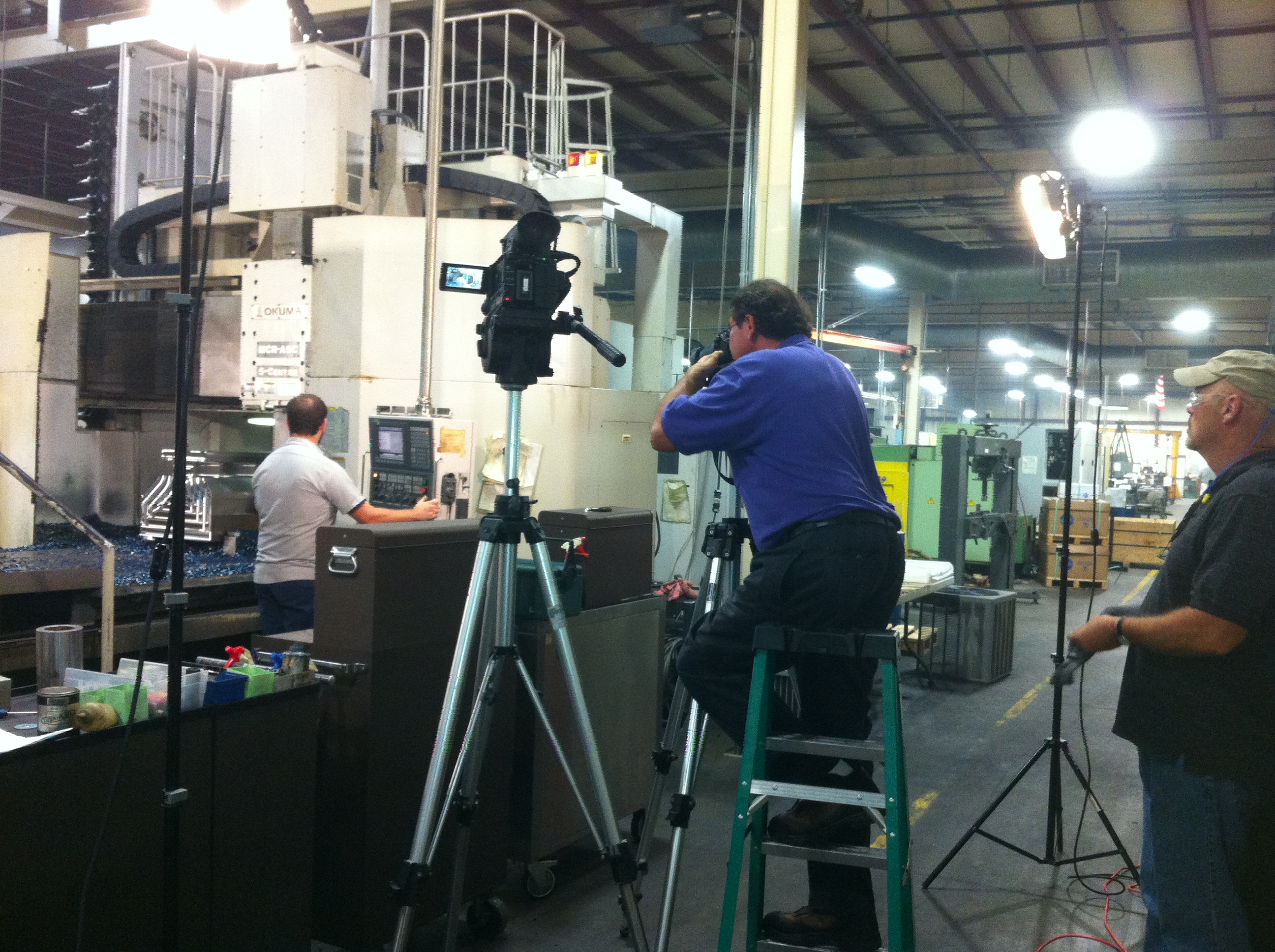
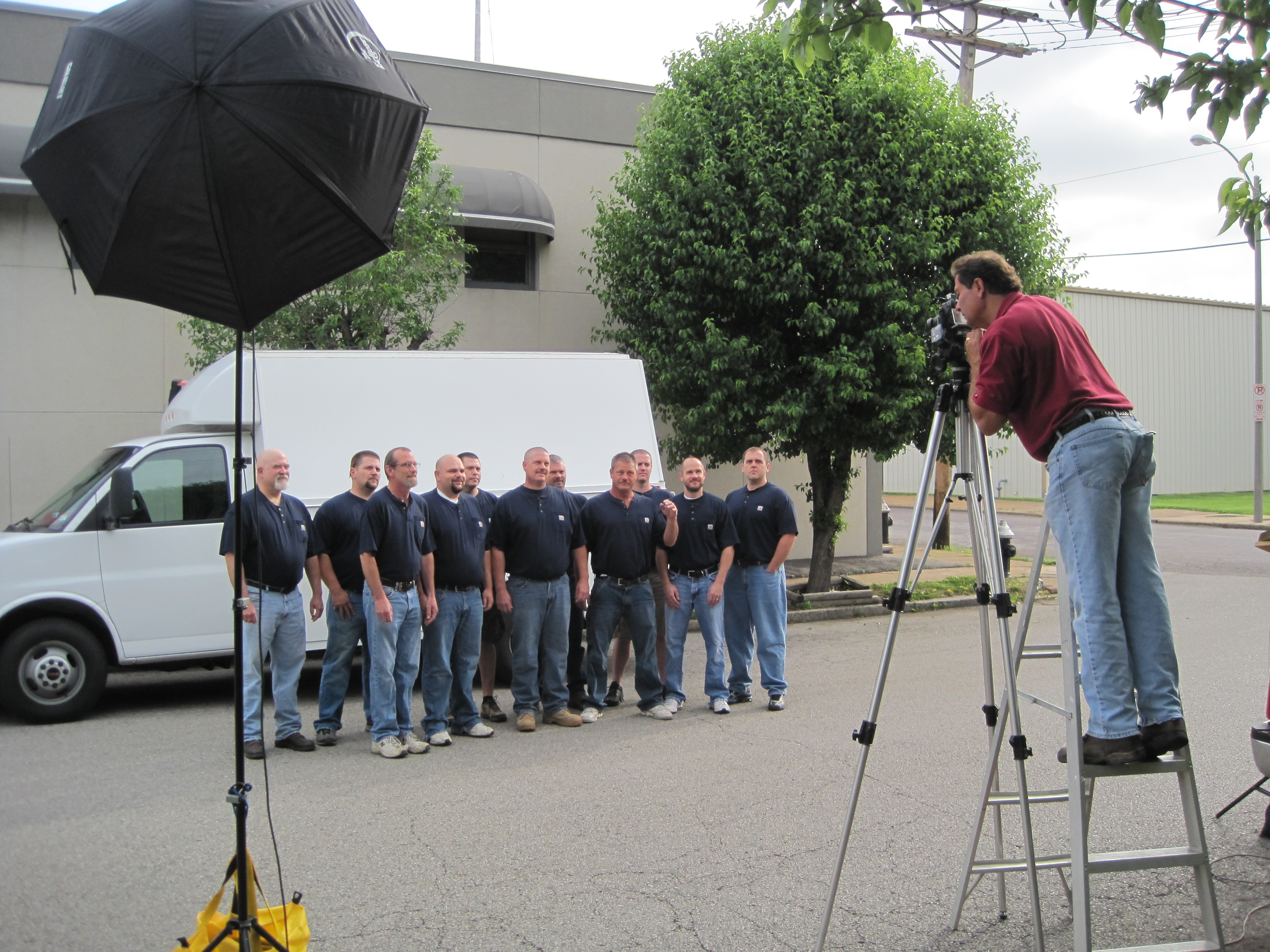
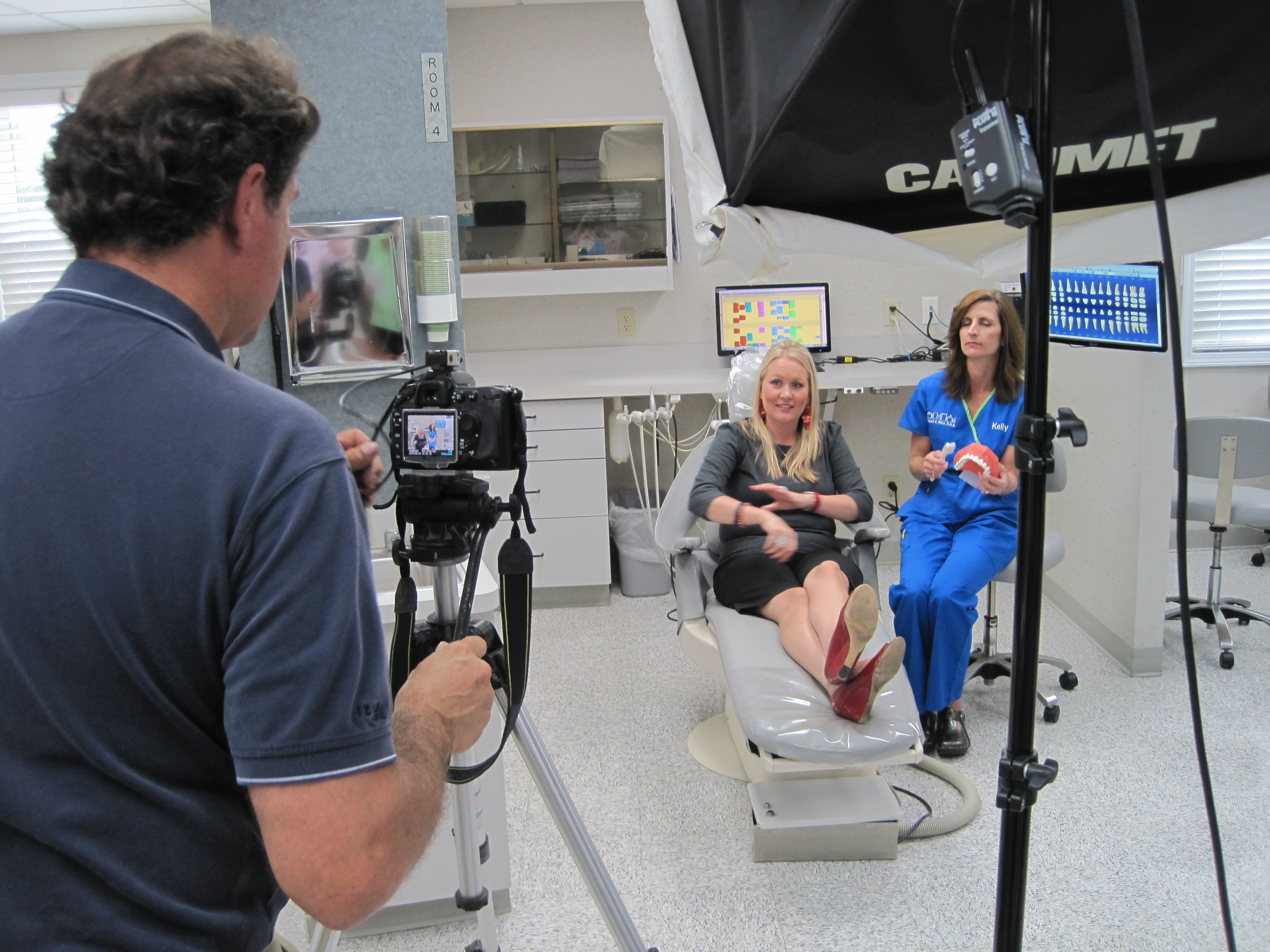
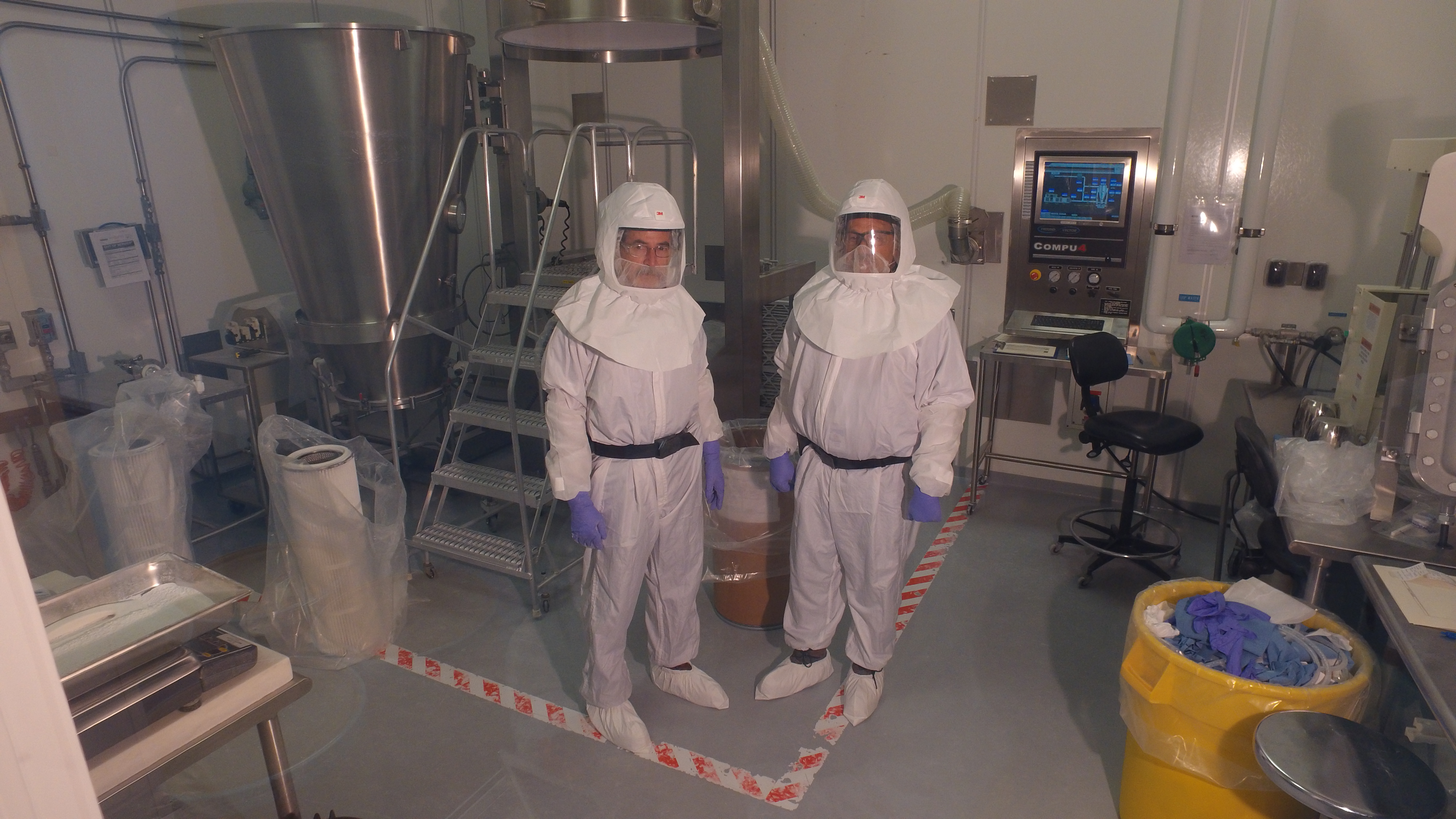
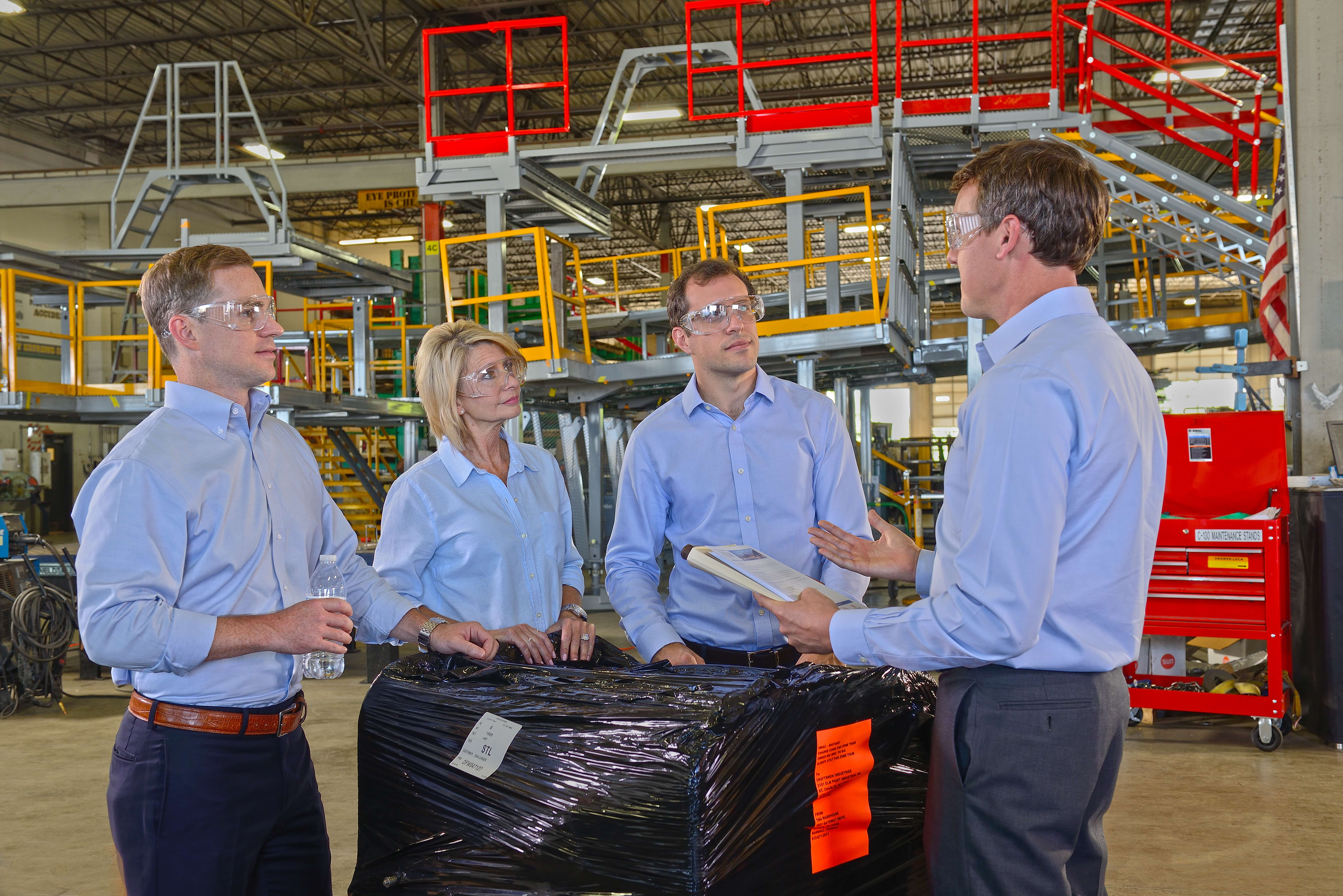
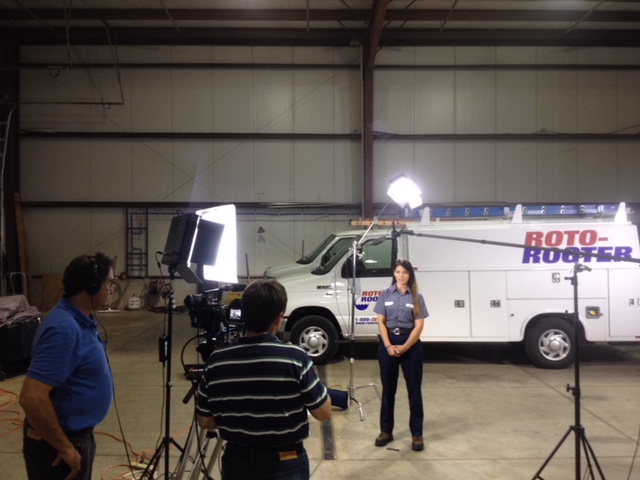
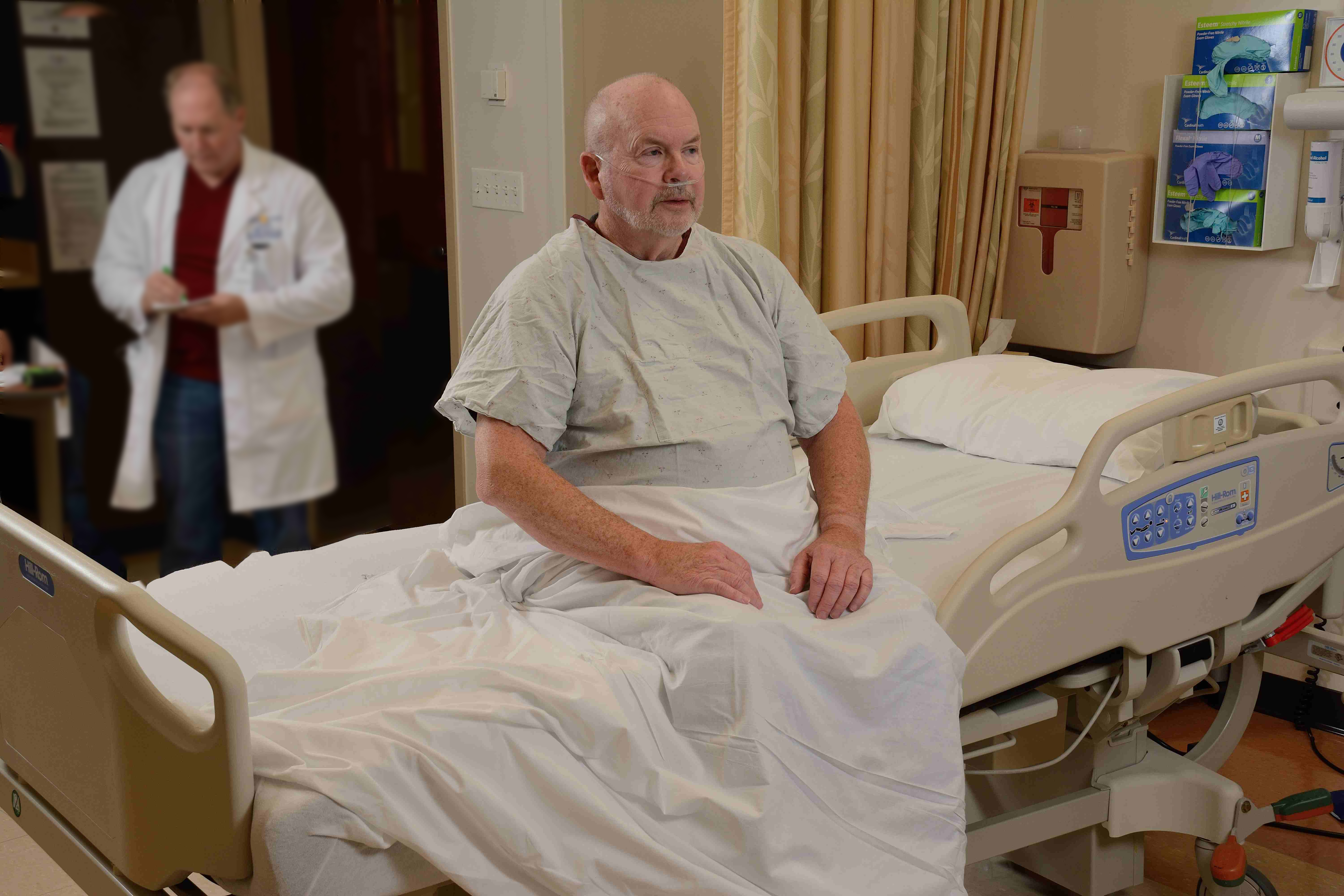
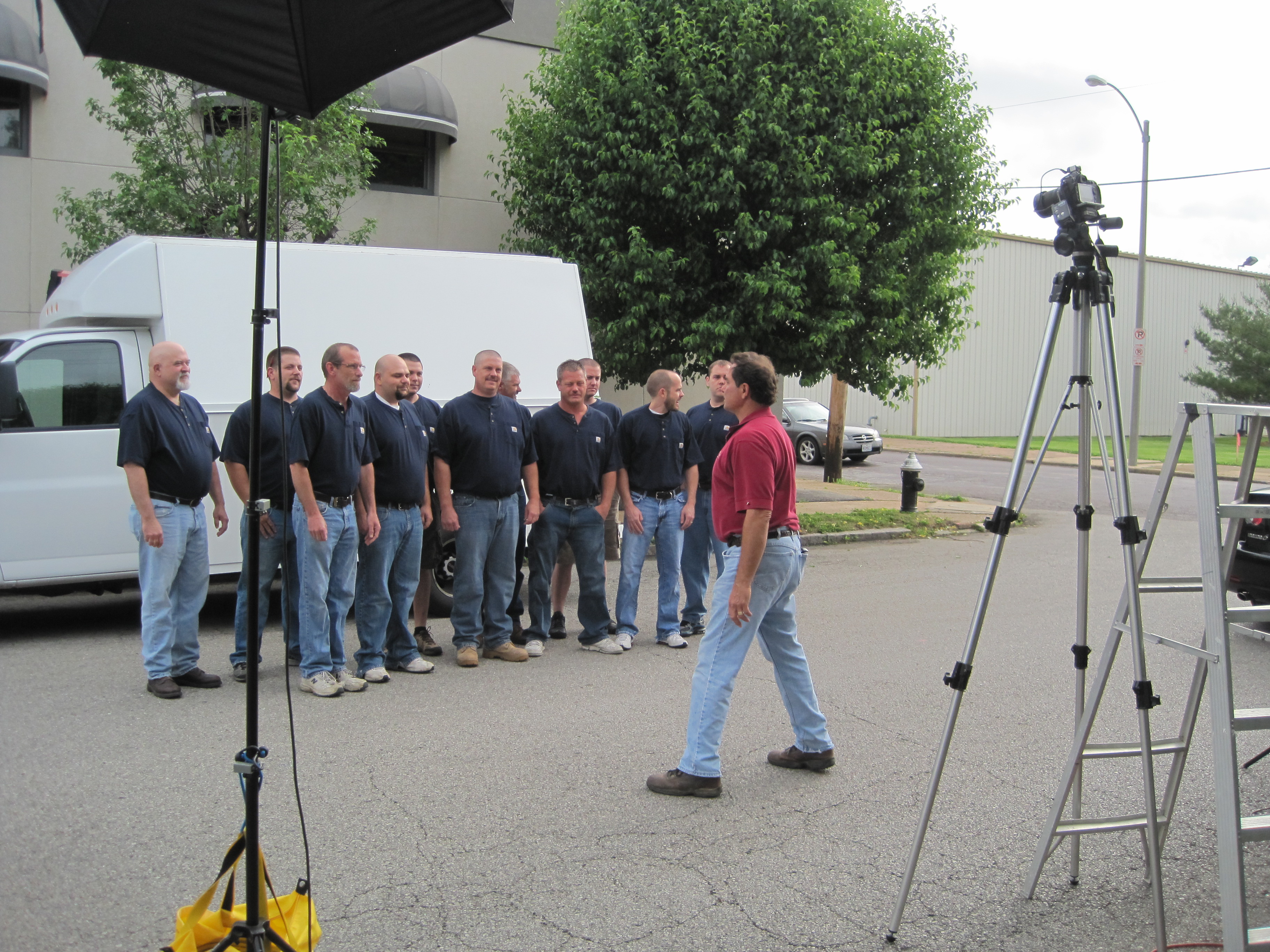
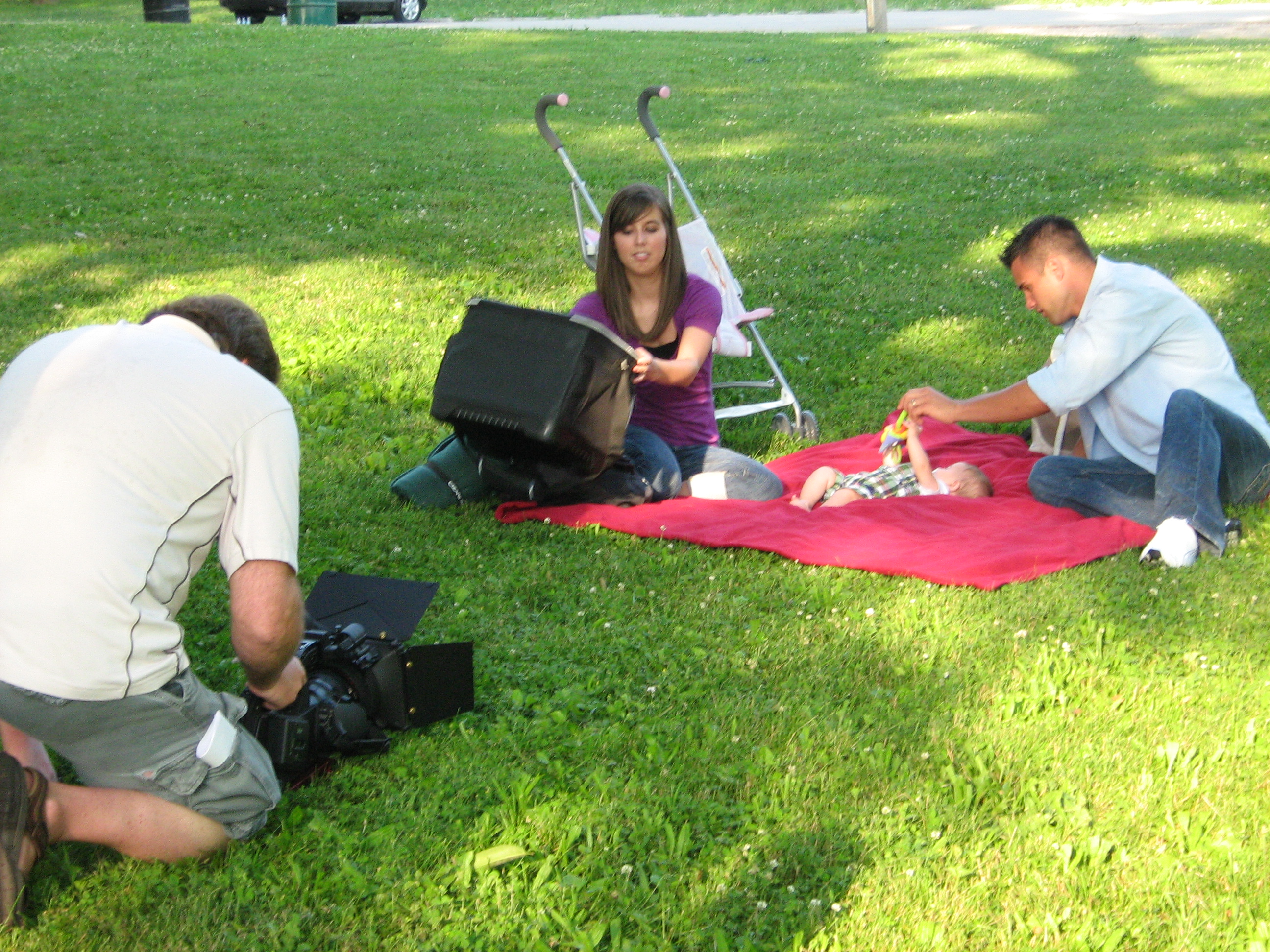
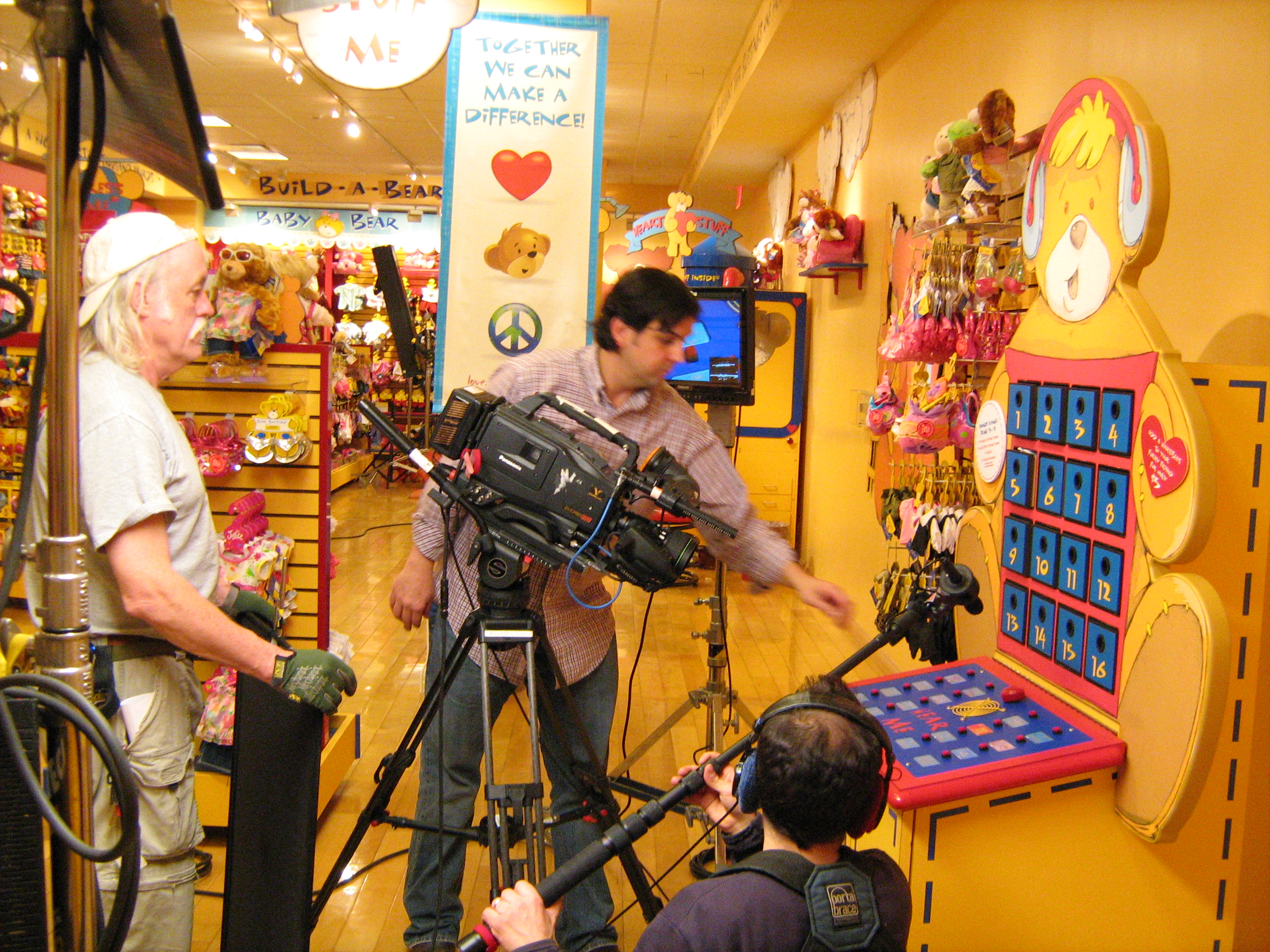
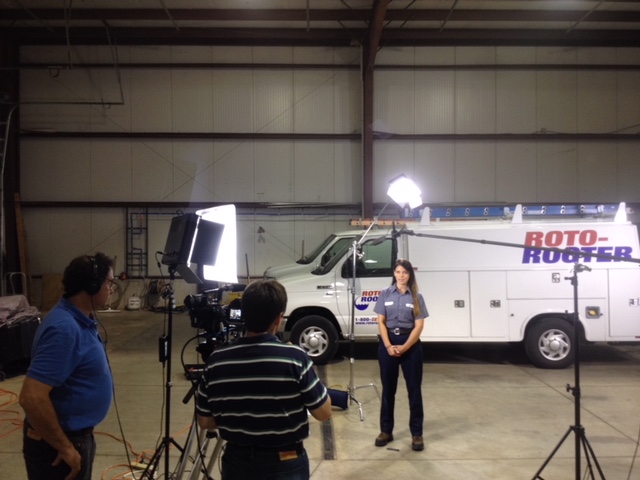
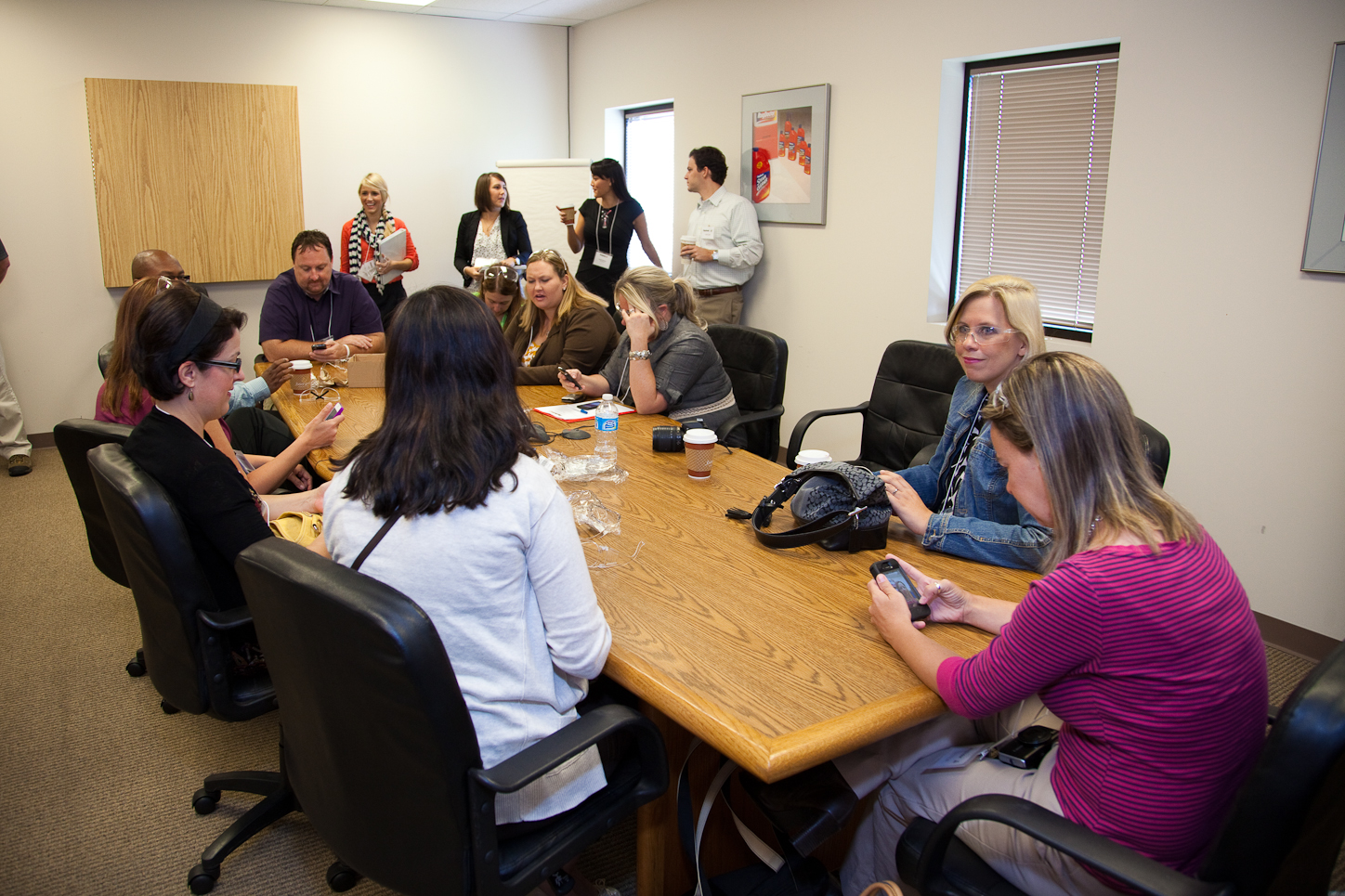
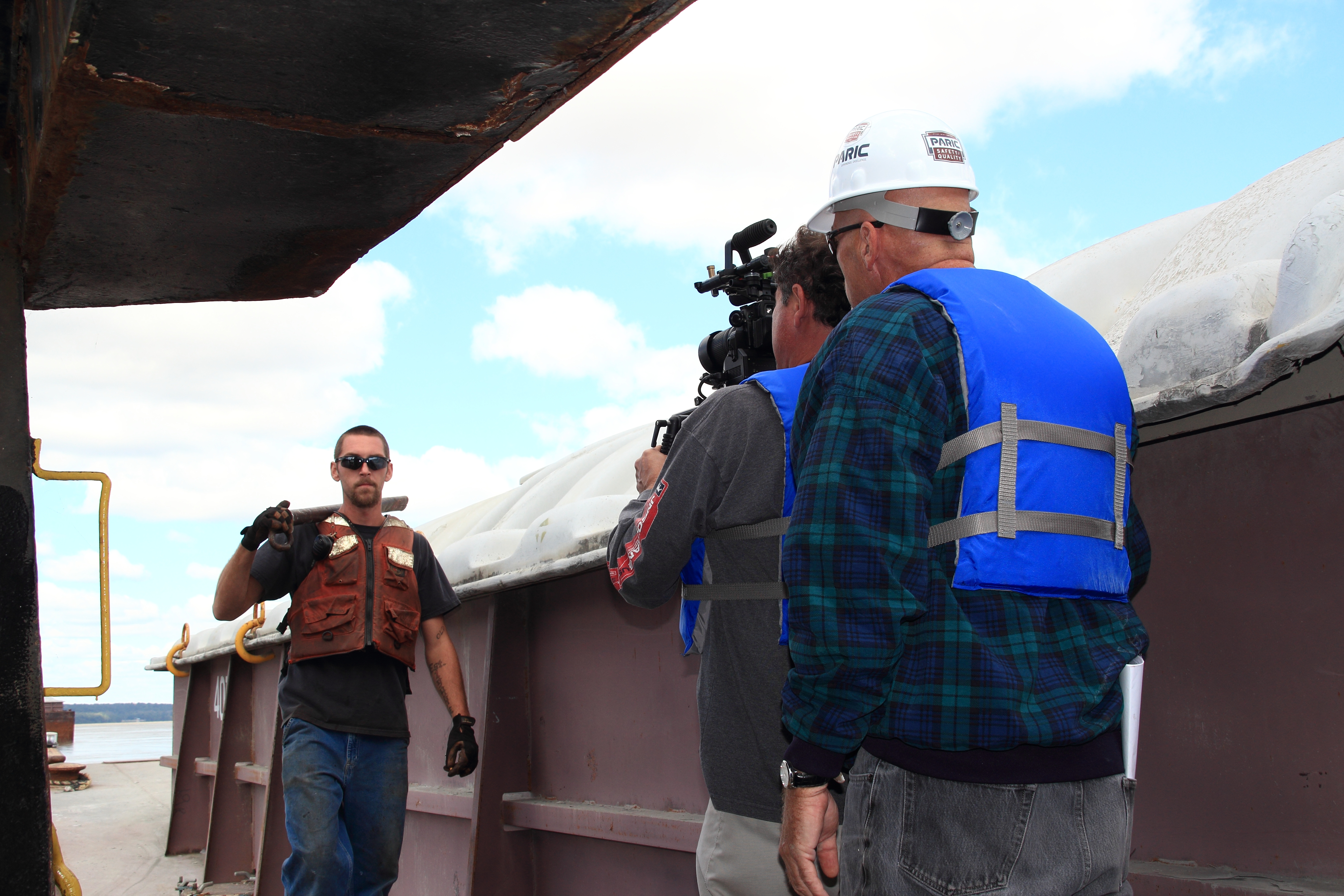
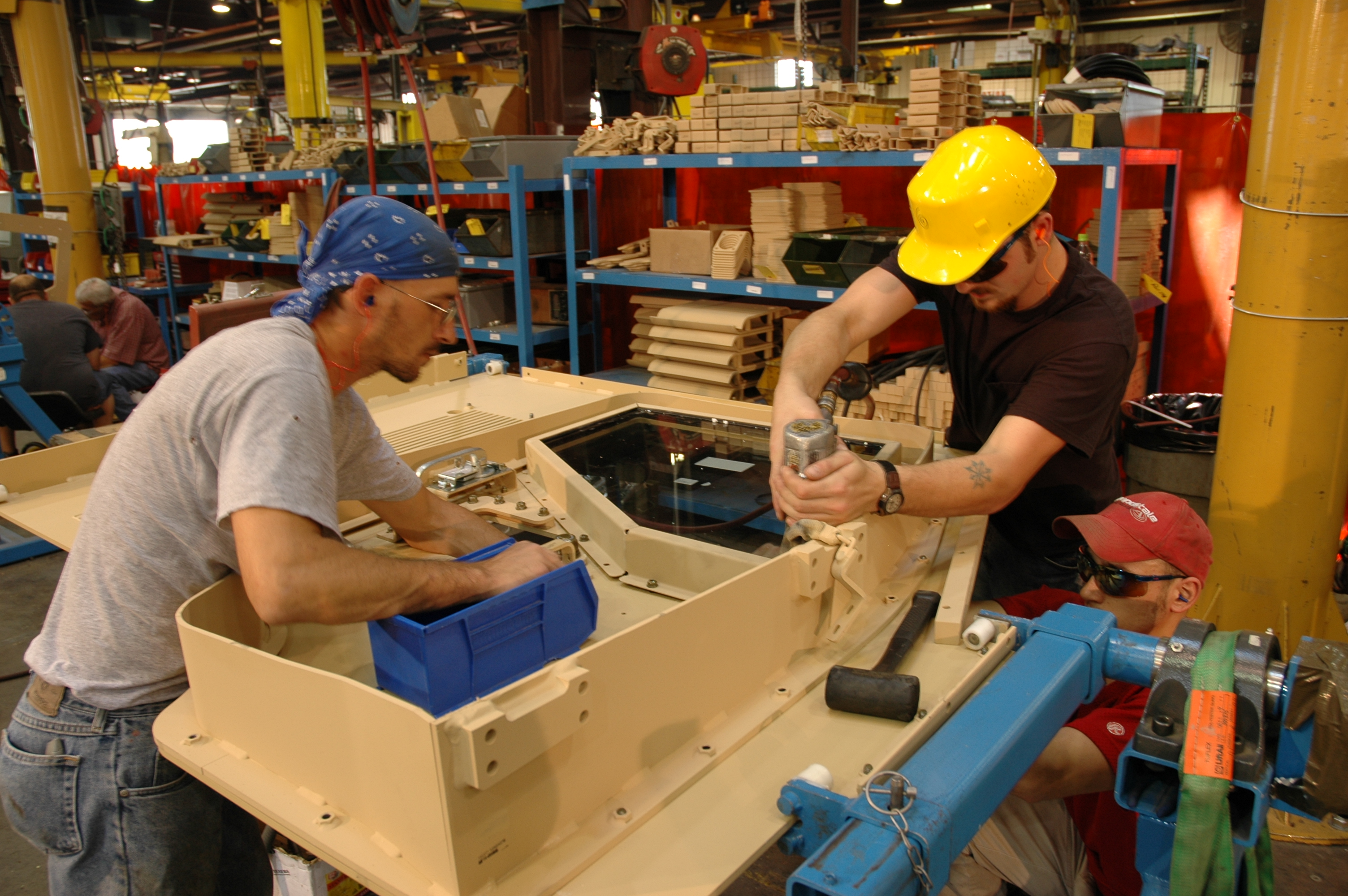
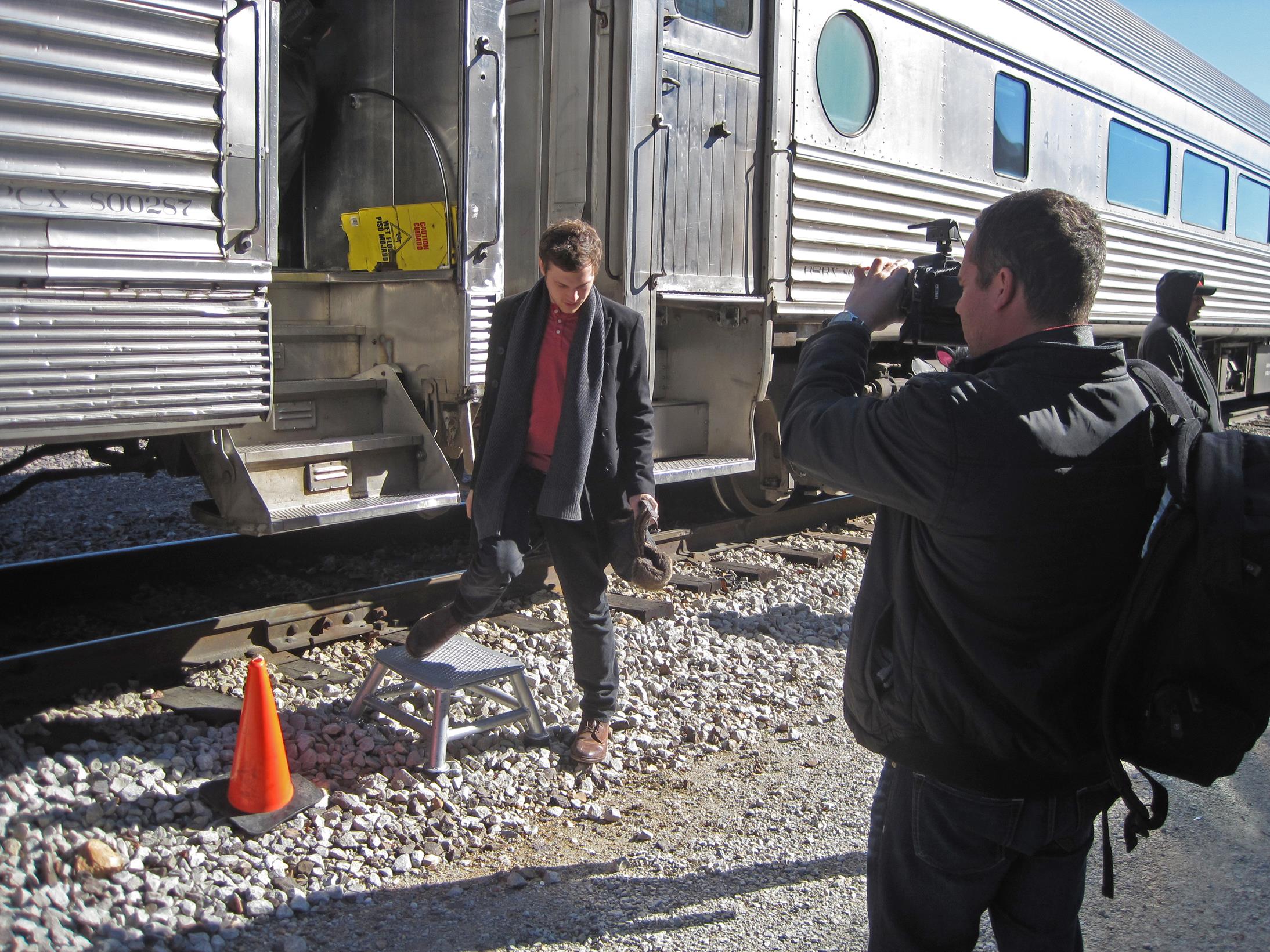
Some business projects are best produced in a controlled studio environment. Others need to be captured on location at an office, showroom, warehouse, clinic, jobsite, restaurant, retail space, manufacturing facility, event venue, or customer location.
Studio production is ideal for corporate headshots, executive portraits, interviews, product photography, controlled lighting setups, small productions, and clean branded visuals. Location production is valuable when the business wants to show its people, environment, process, equipment, service experience, or completed work.
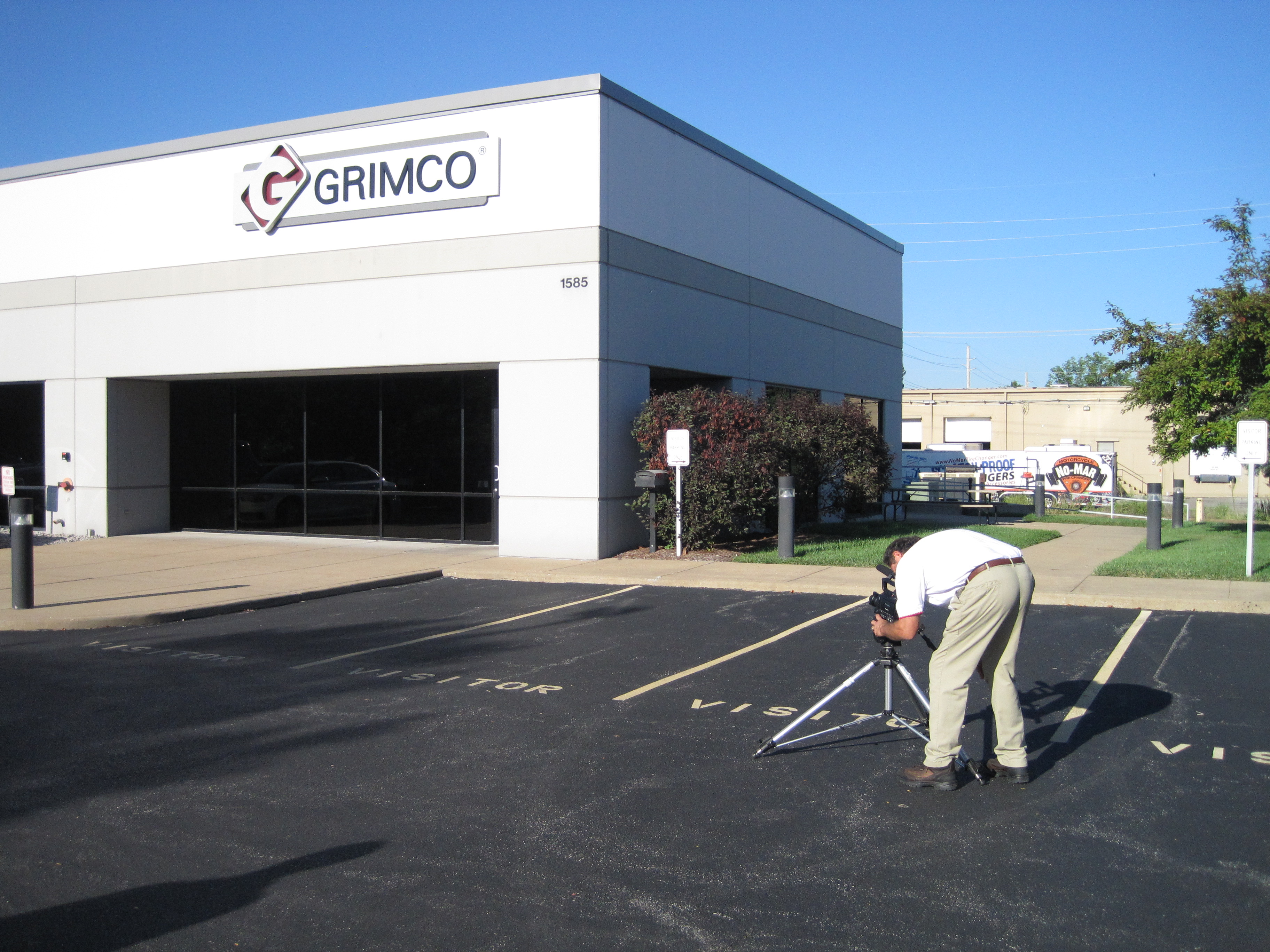
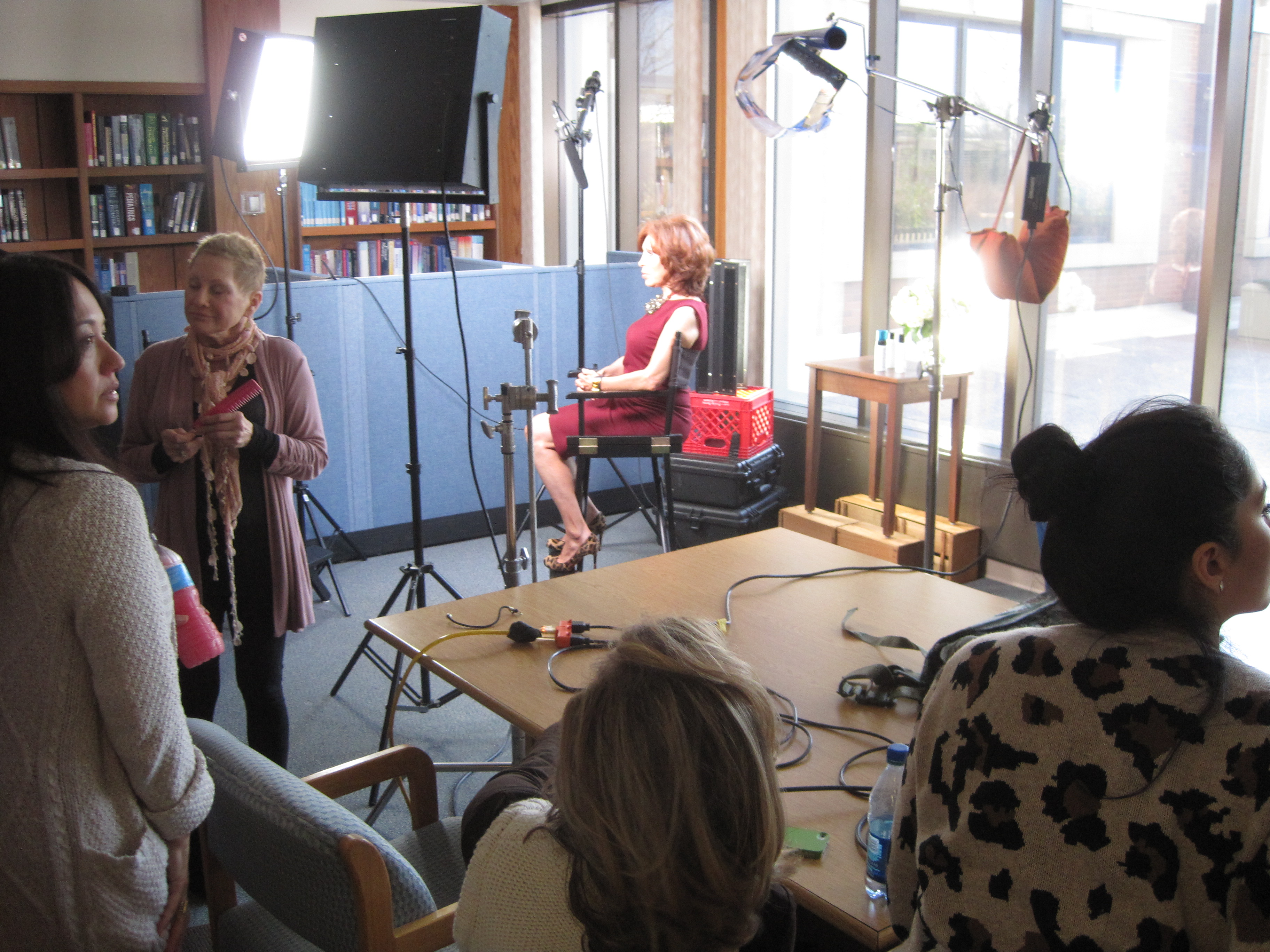
St Louis Corporate Photographers provides both studio and location photography and video production, allowing each project to be designed around the company’s message, audience, and intended use.


Corporate Photography and Video for Professional Service Firms
Professional service businesses depend heavily on reputation. Law firms, financial advisors, consultants, healthcare providers, real estate professionals, architects, engineers, agencies, and business-to-business service providers need visuals that communicate competence, trust, and experience.
For these organizations, headshots and short videos can introduce leadership, explain services, answer common client questions, support recruitment, and make the business feel more accessible.
A professional services media package may include:
Executive headshots
Staff portraits
Team photography
Office lifestyle images
Interview clips
Consultant or advisor profile videos
Service explanation clips
Client testimonial videos
Website banner images
LinkedIn content
Recruiting videos
Meeting and collaboration b-roll
This type of content helps prospects understand who they may be working with before the first conversation begins.
Drone and Specialized Imaging Services
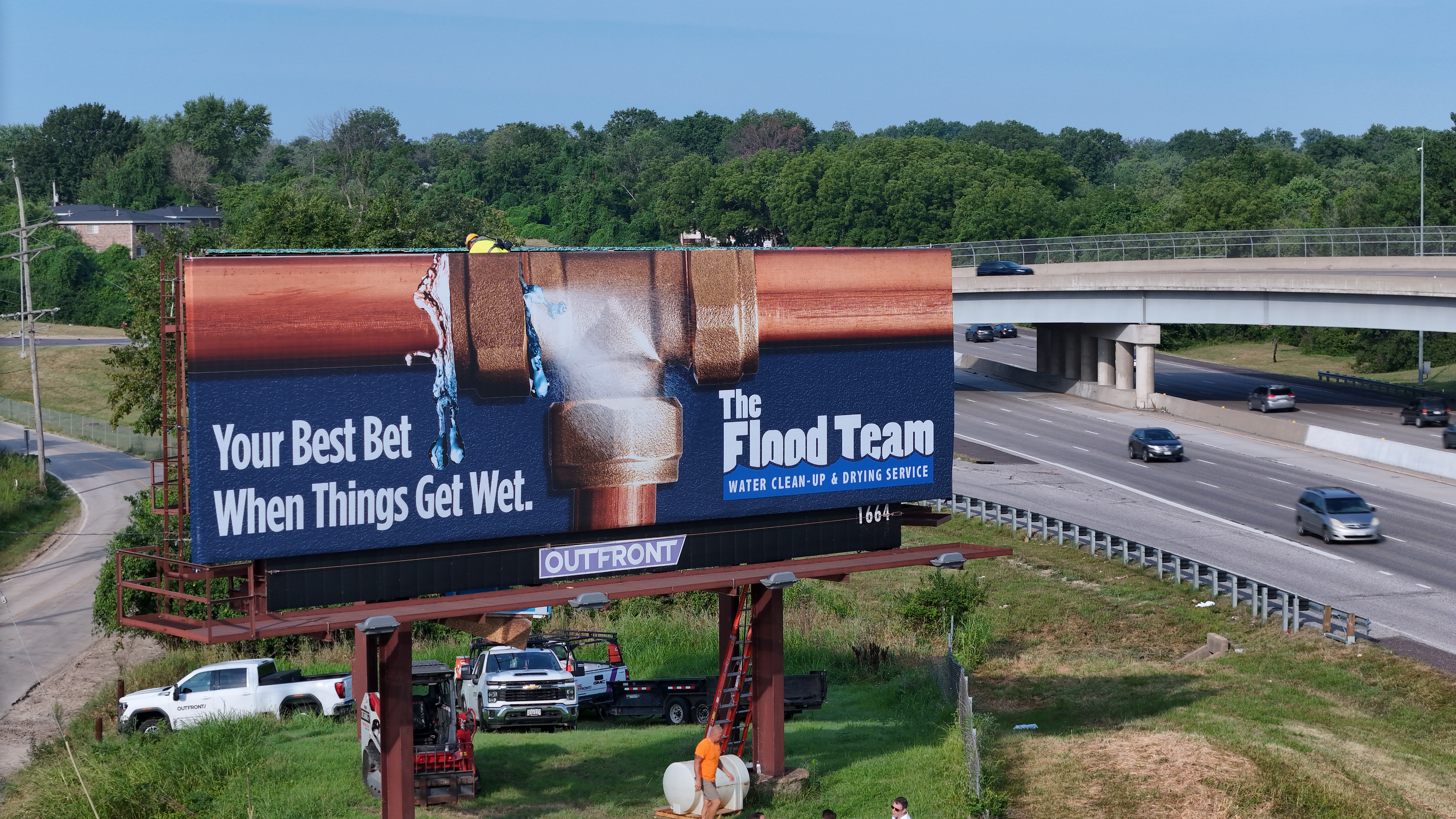
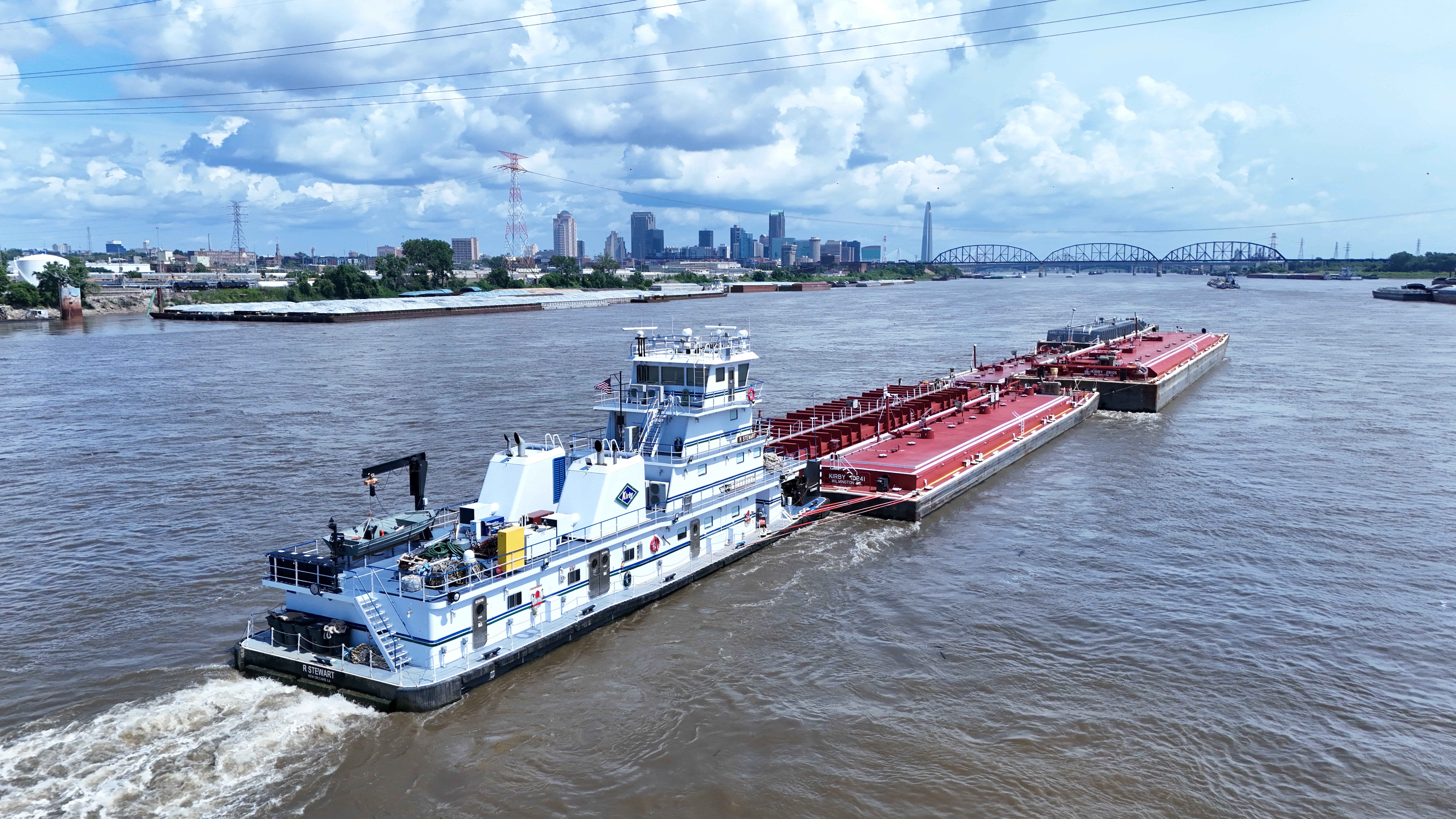
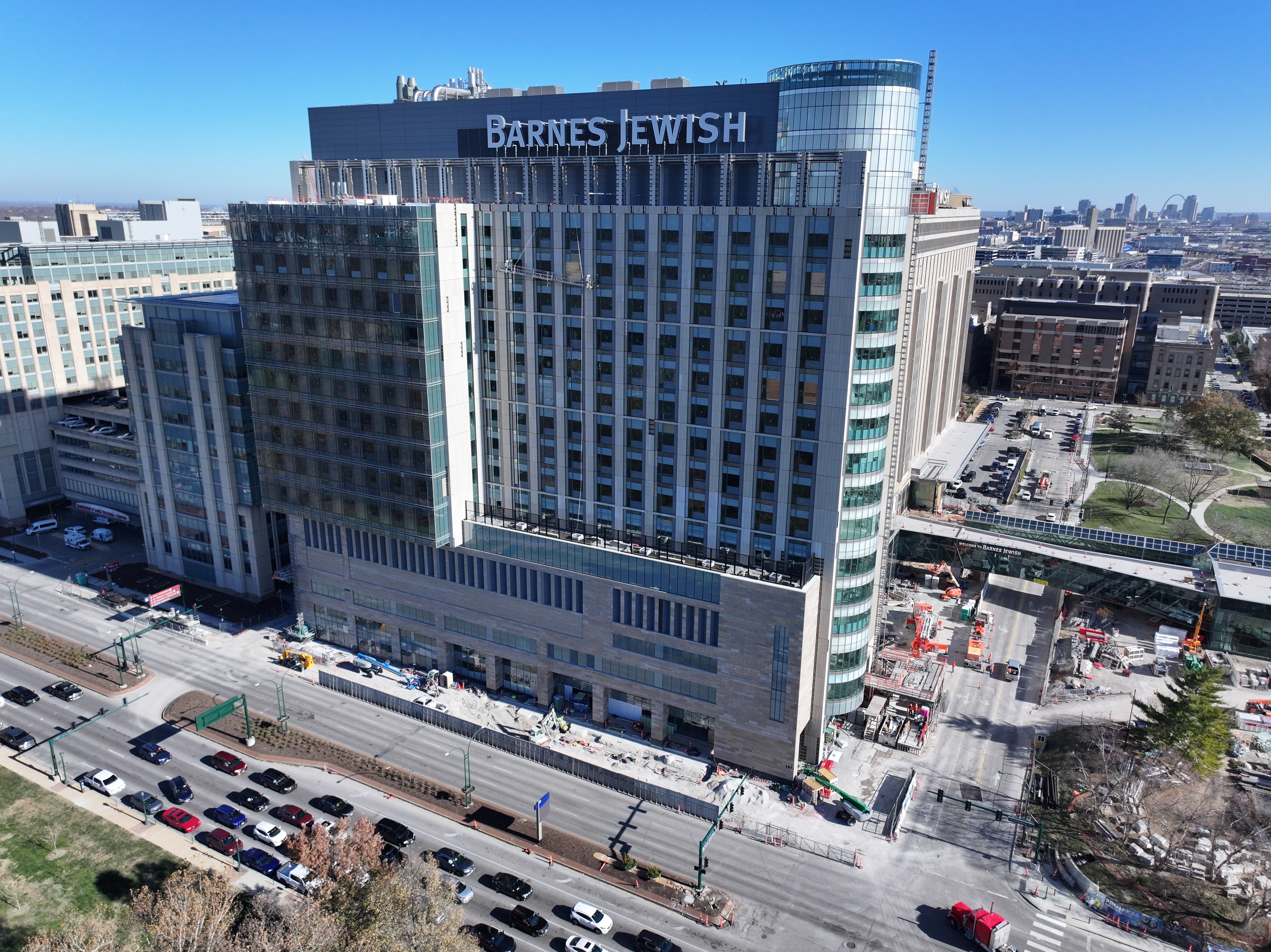
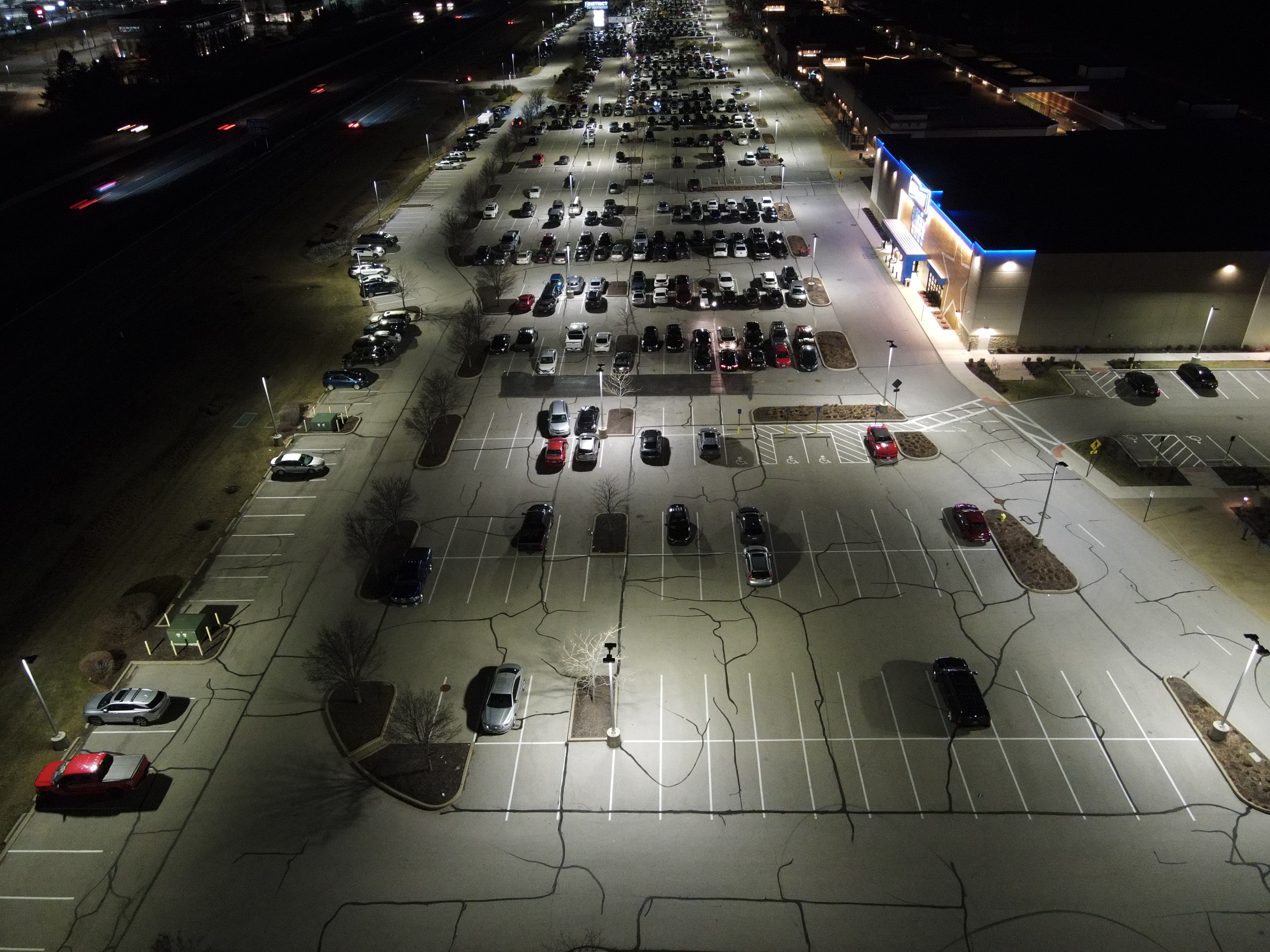
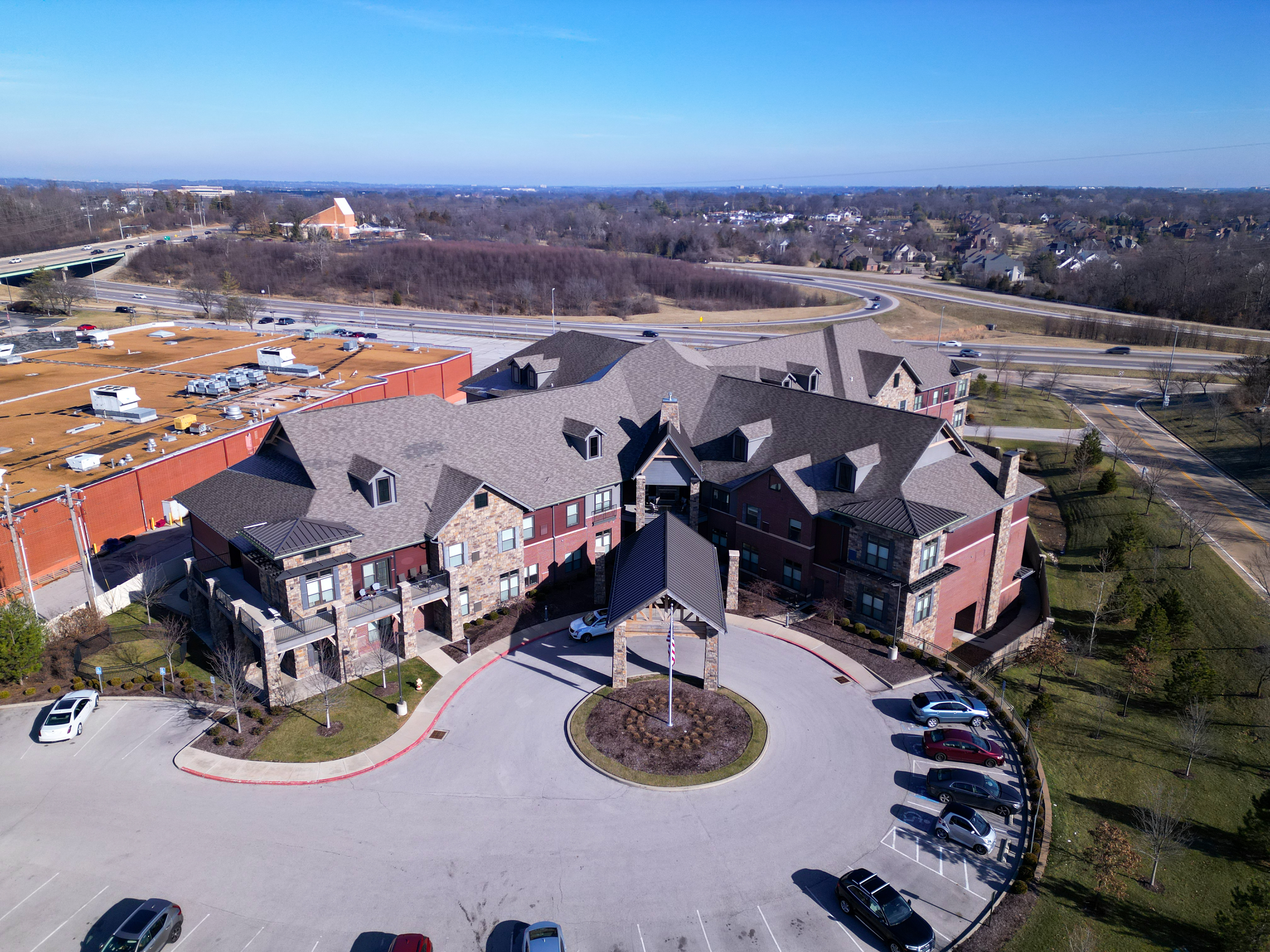
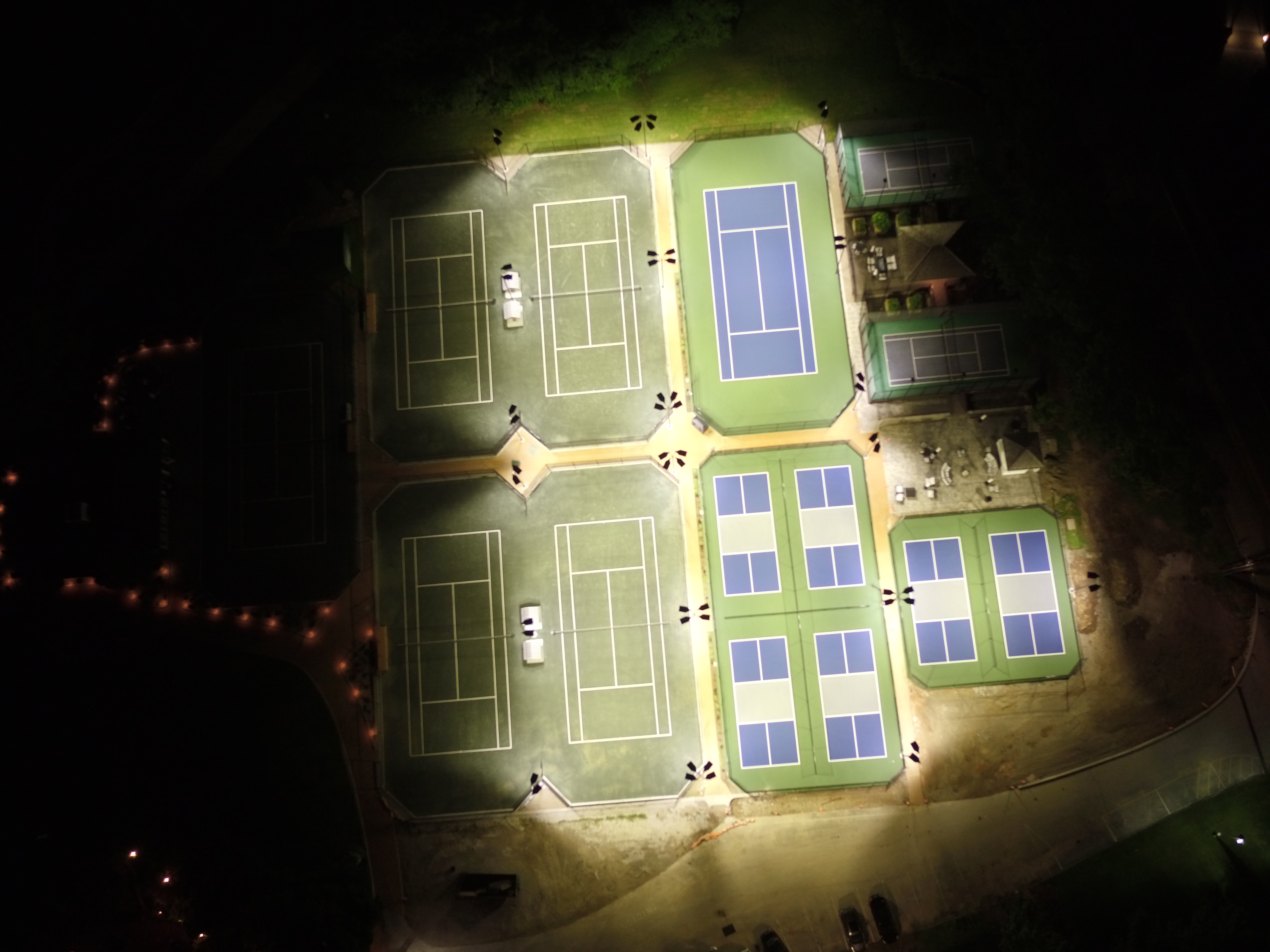
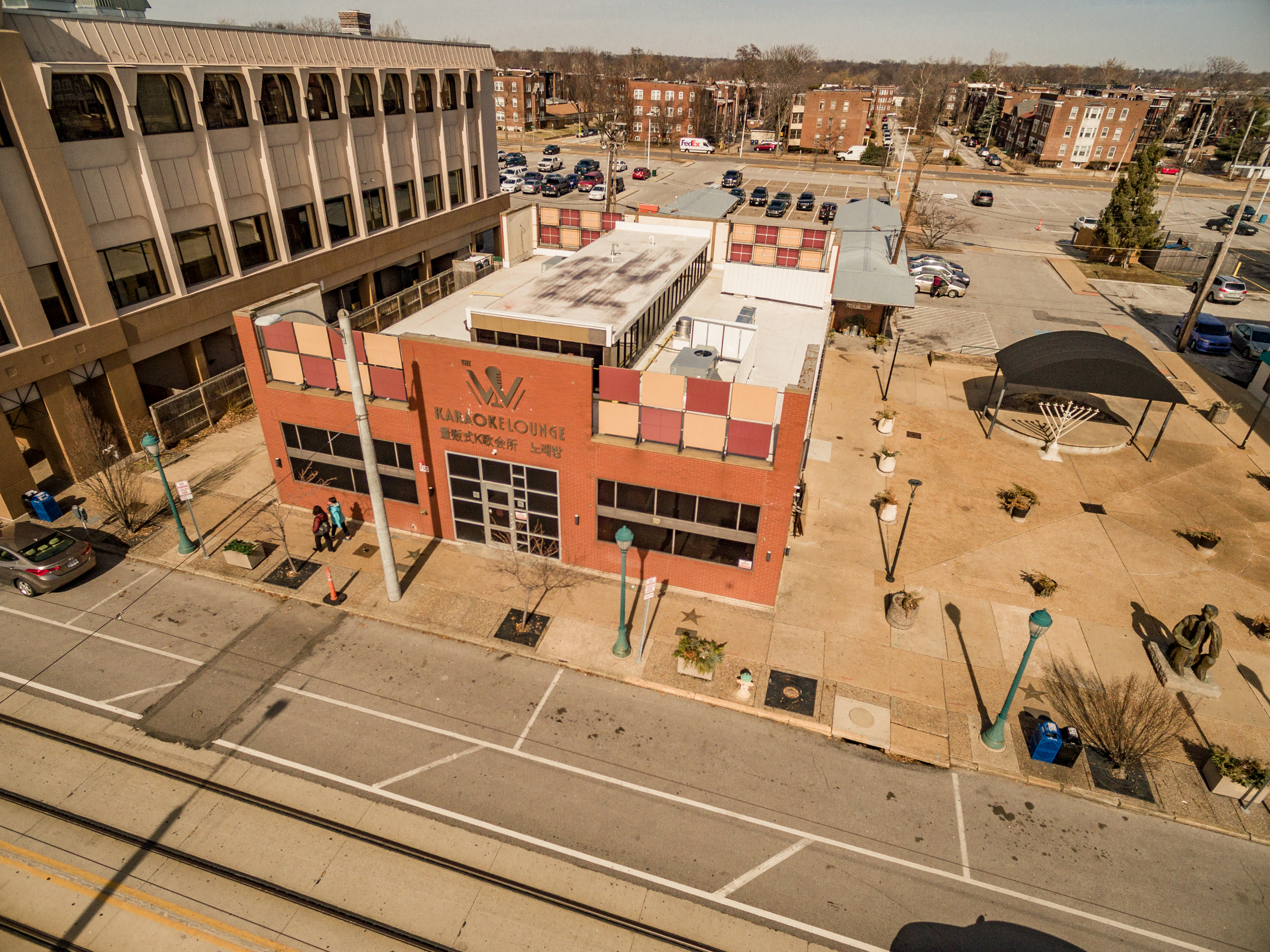
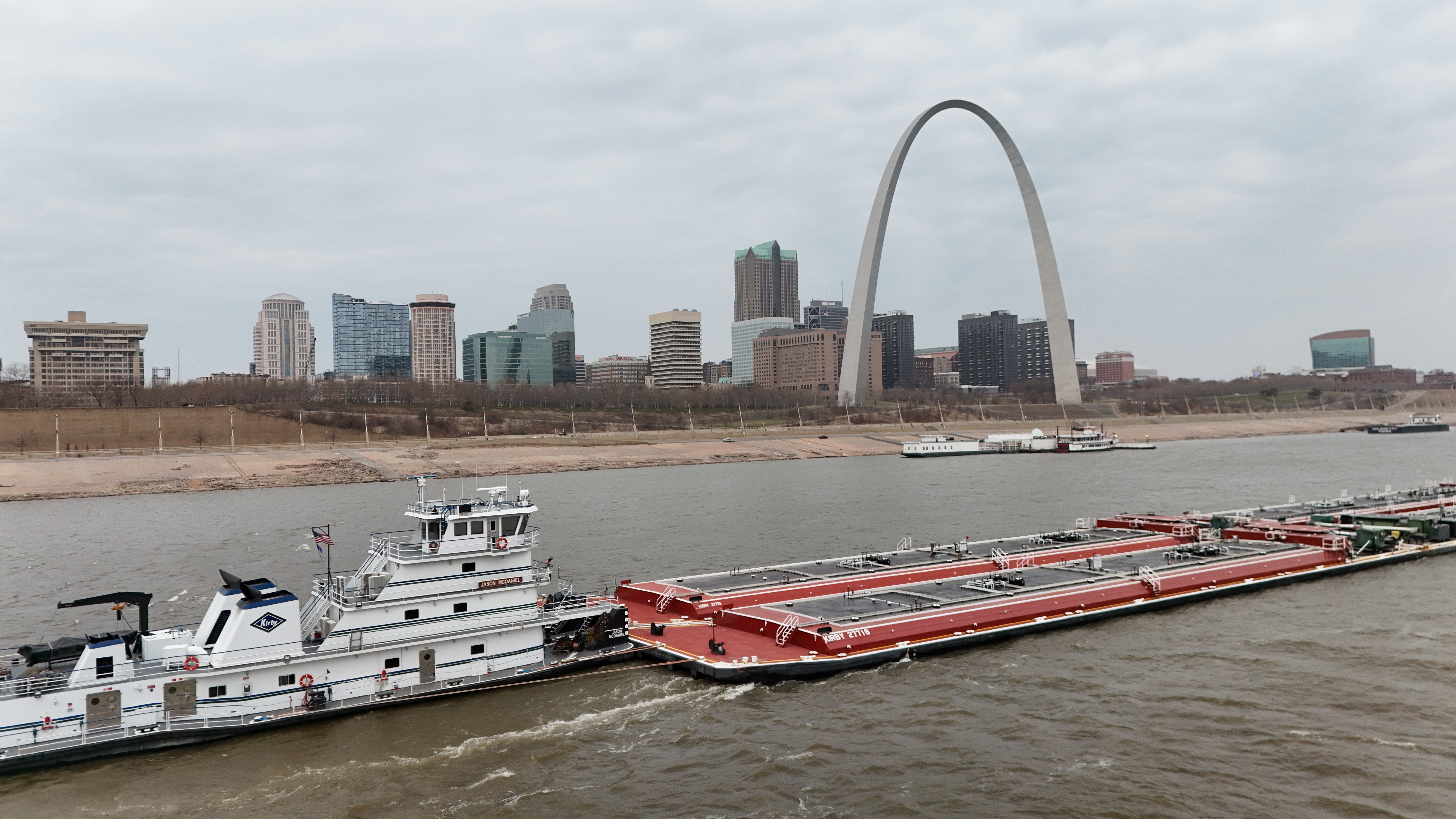
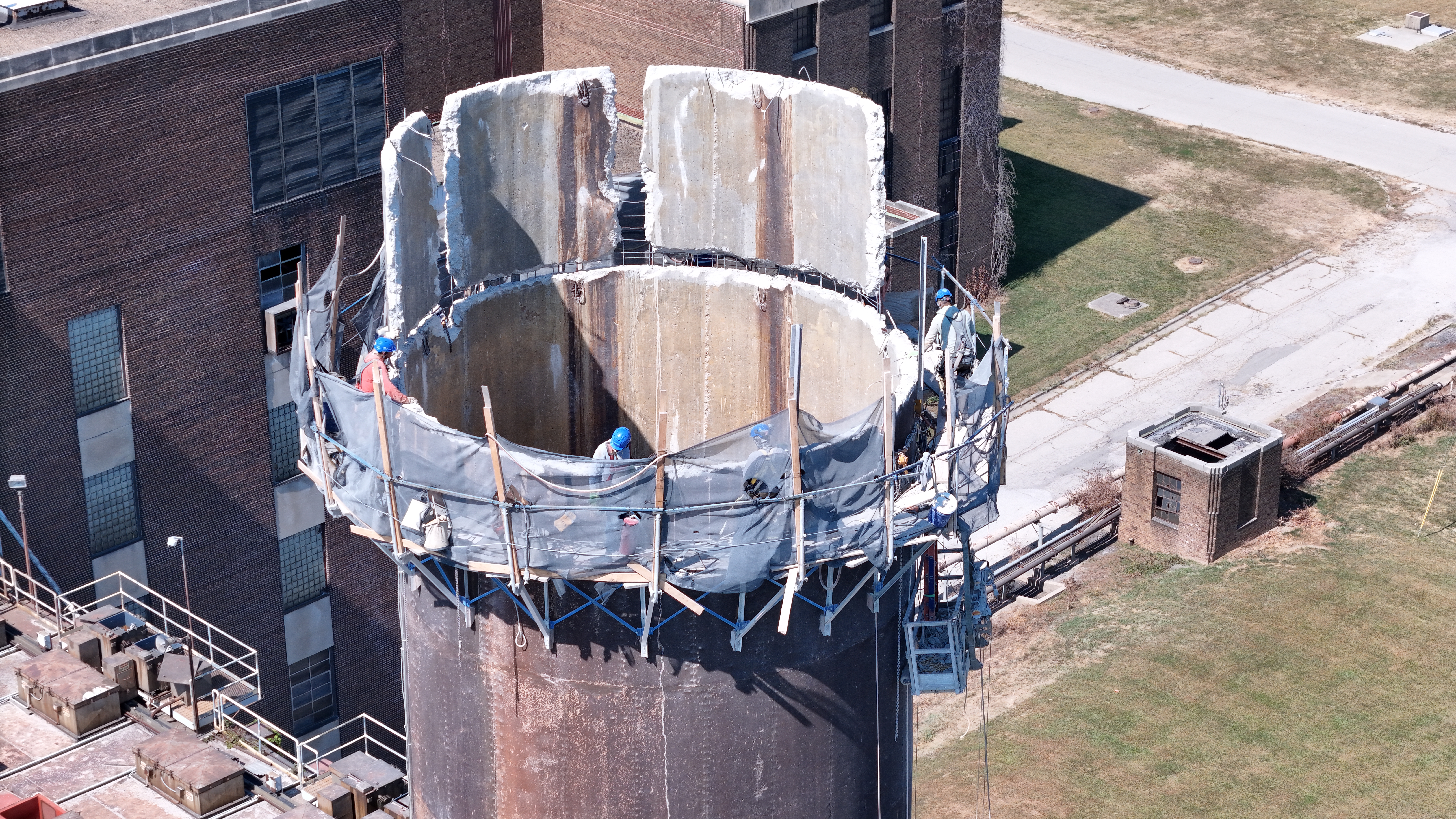
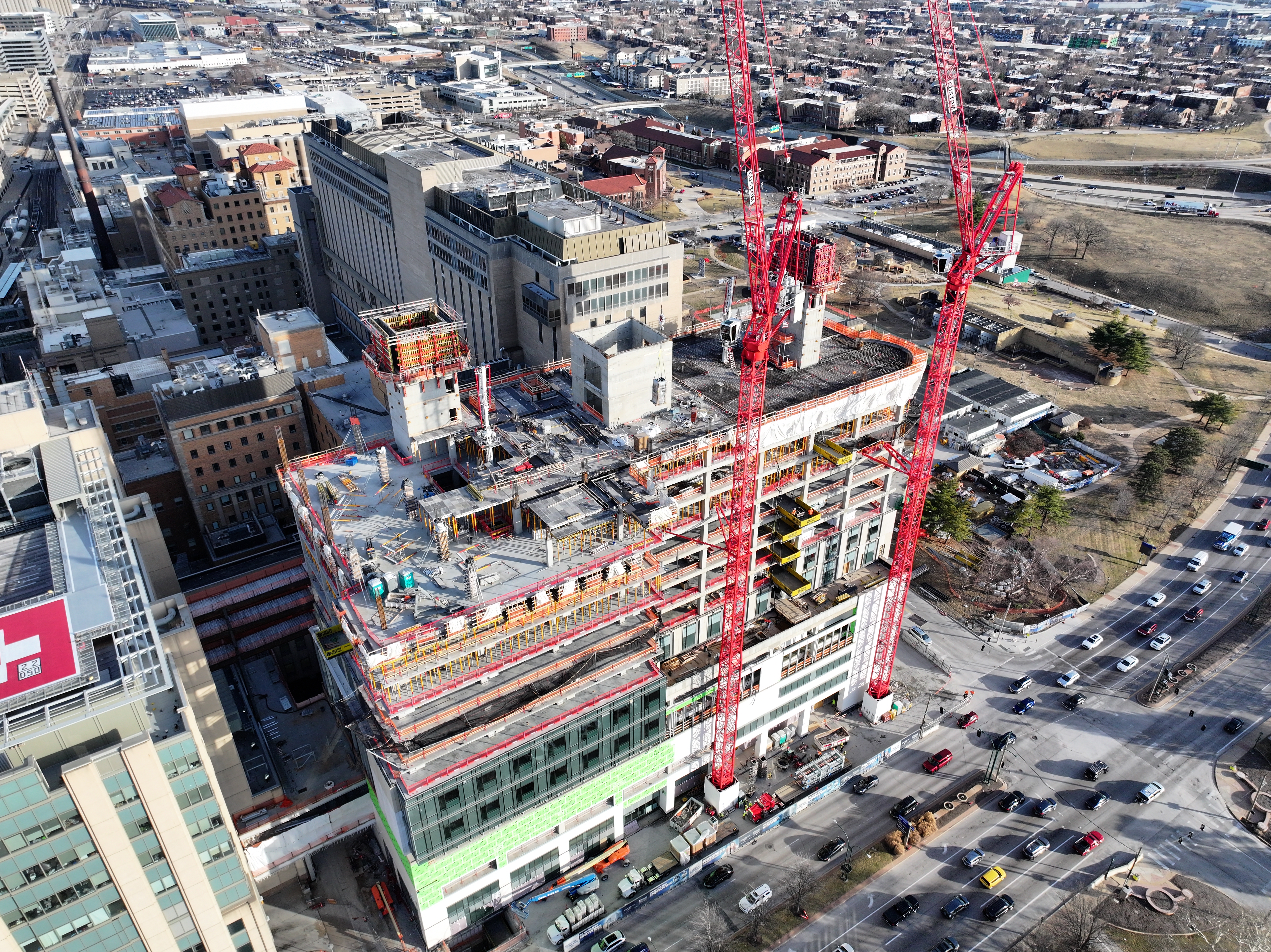
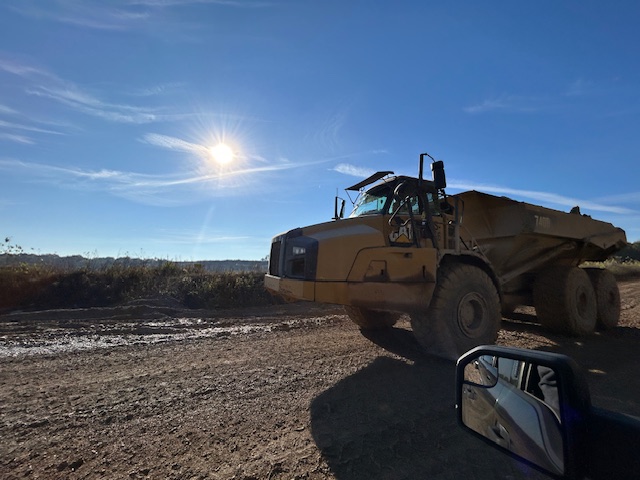
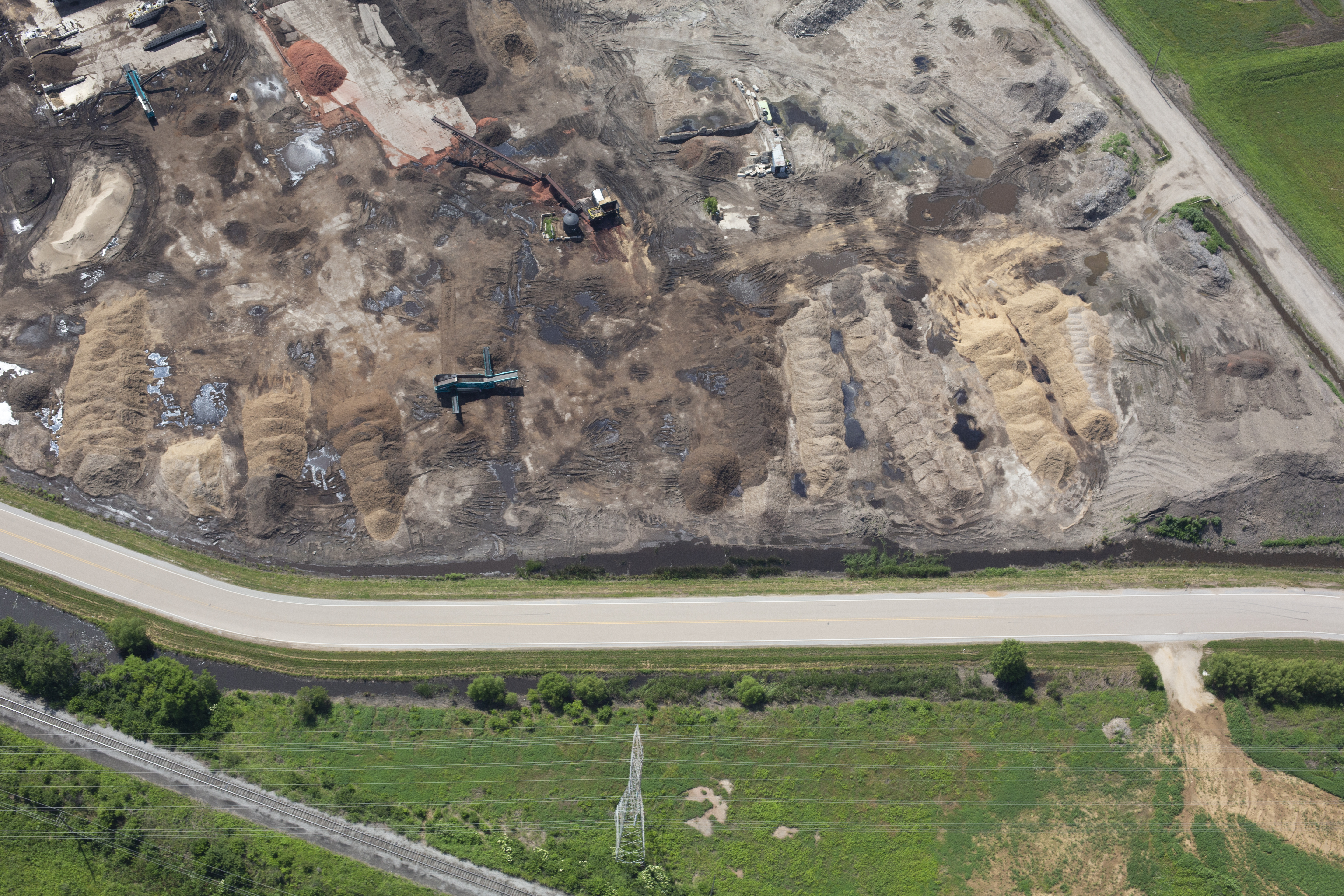
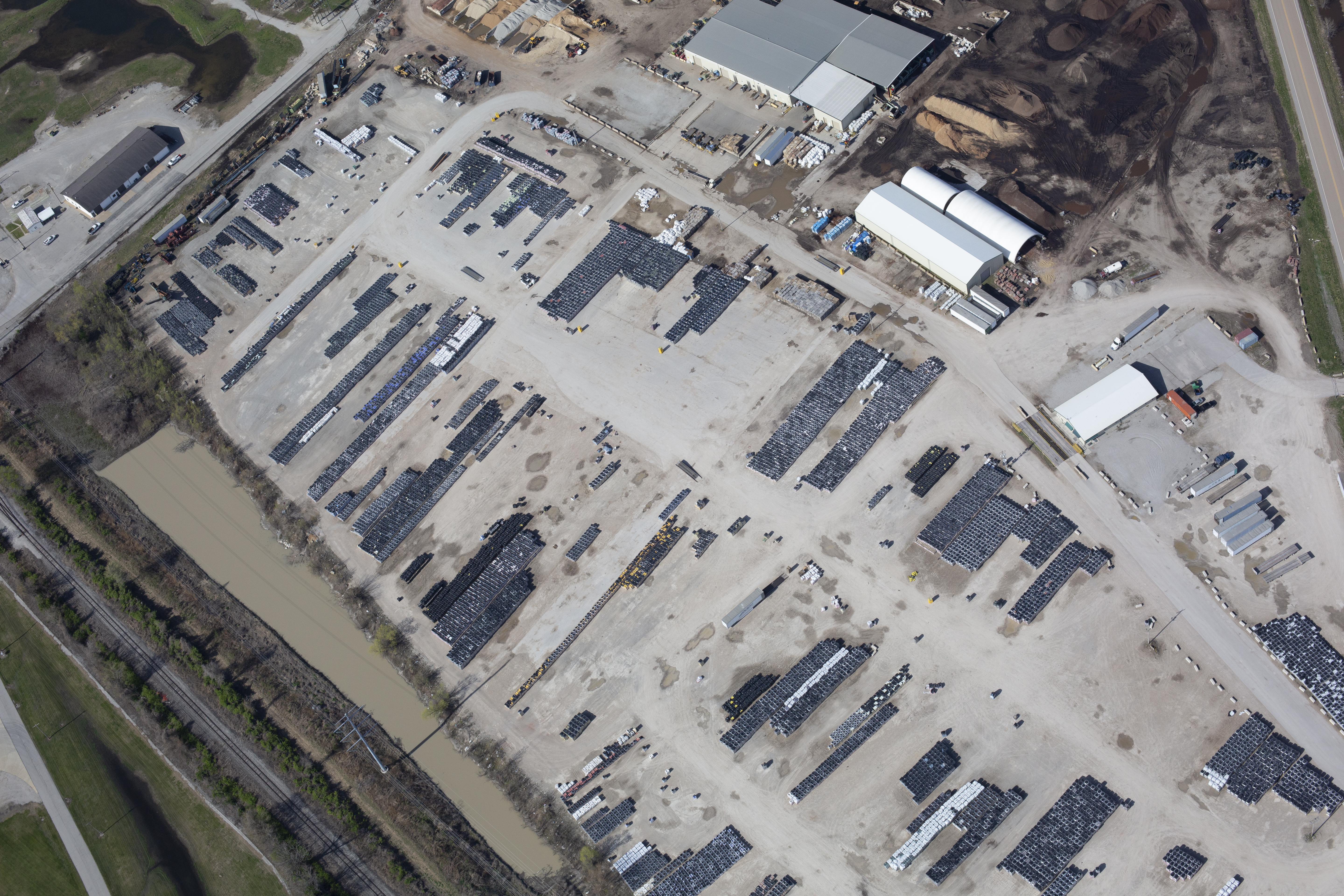
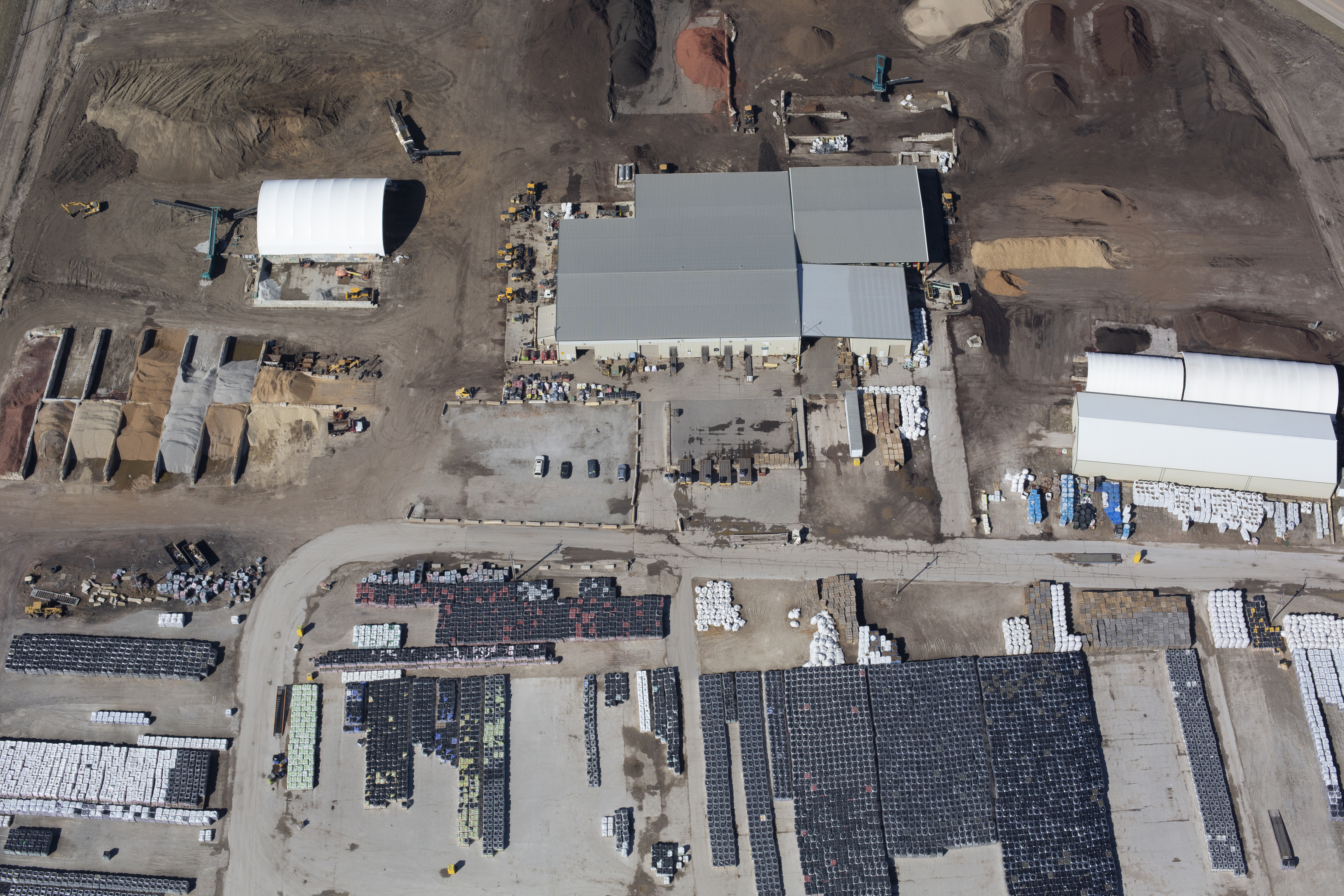
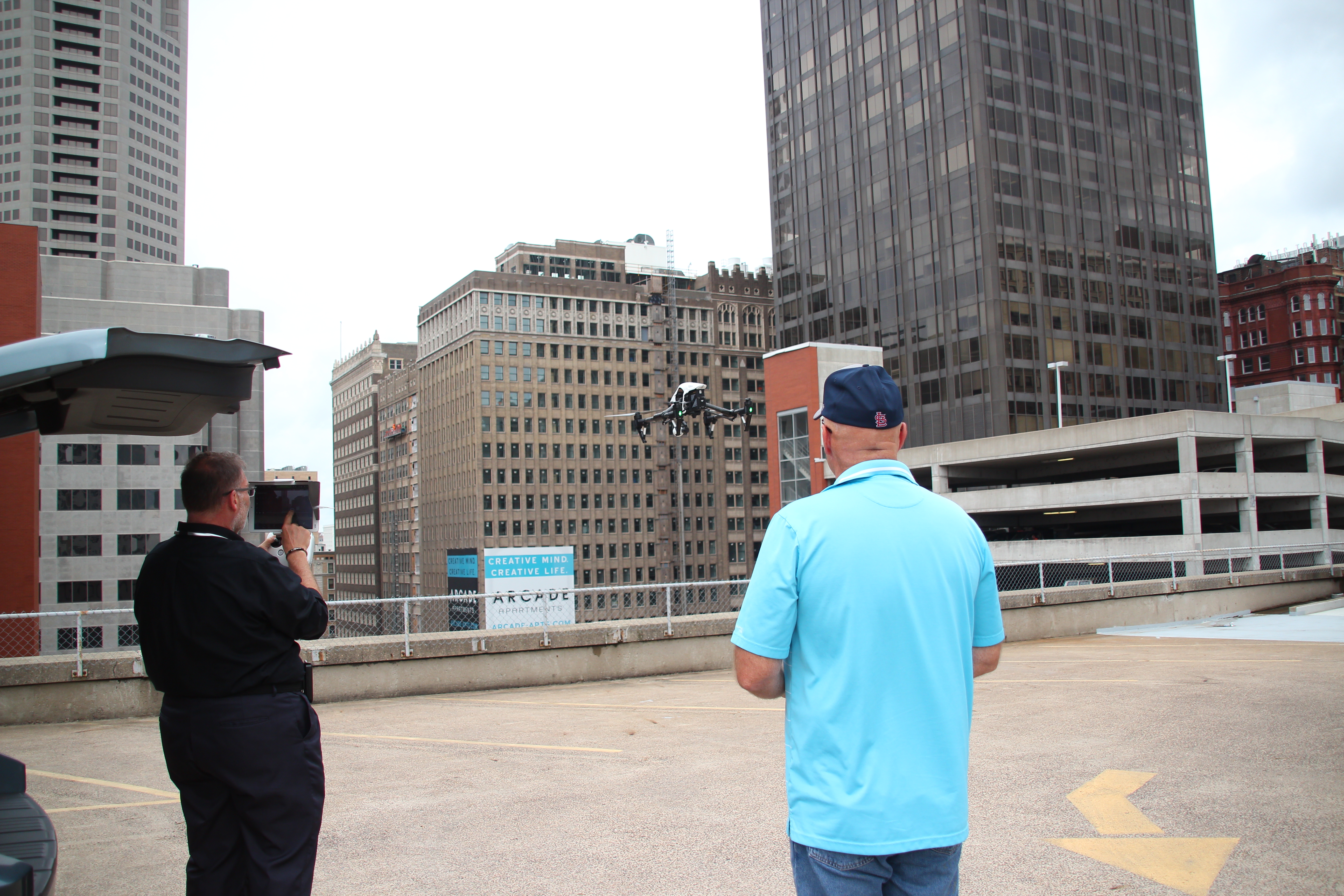
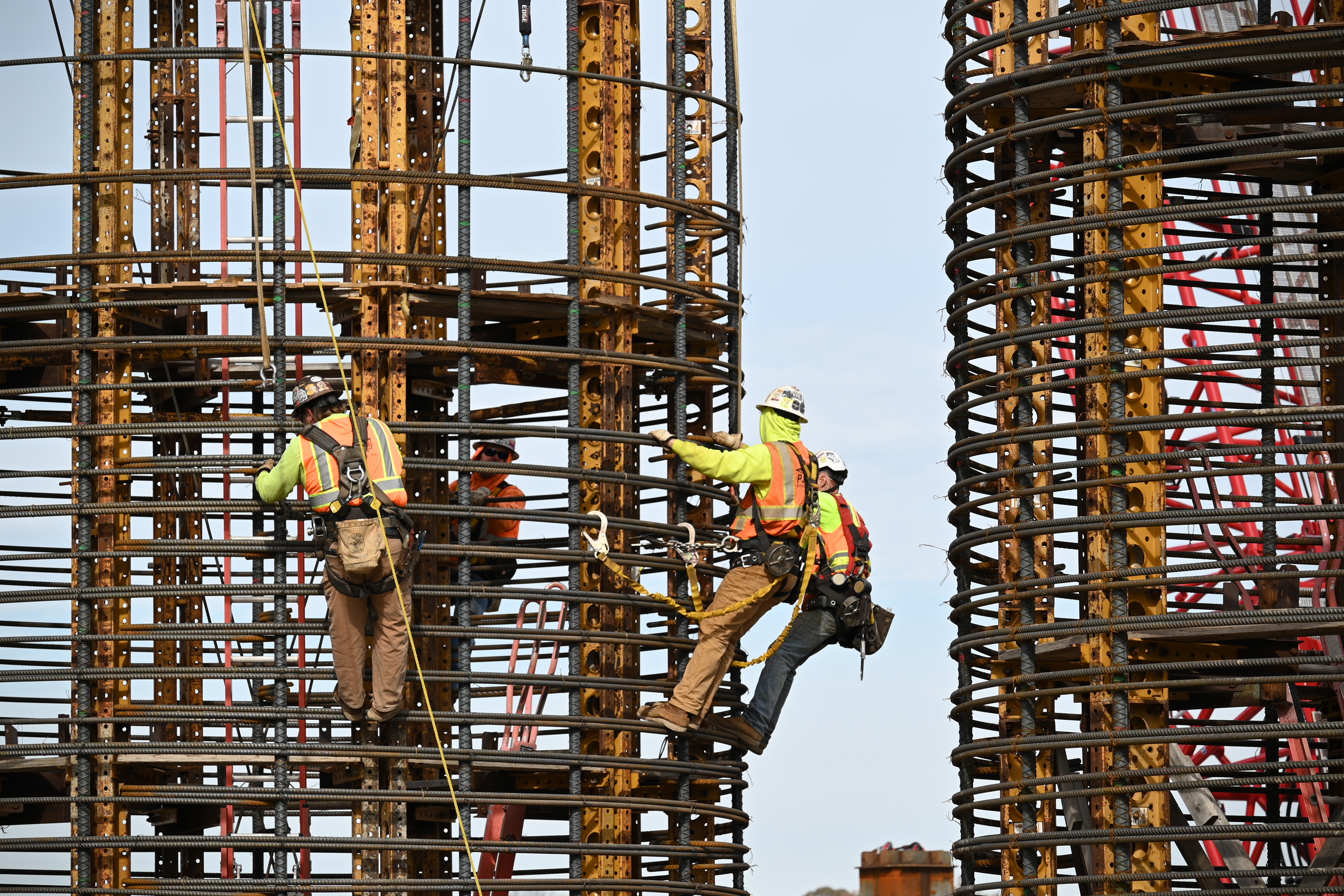
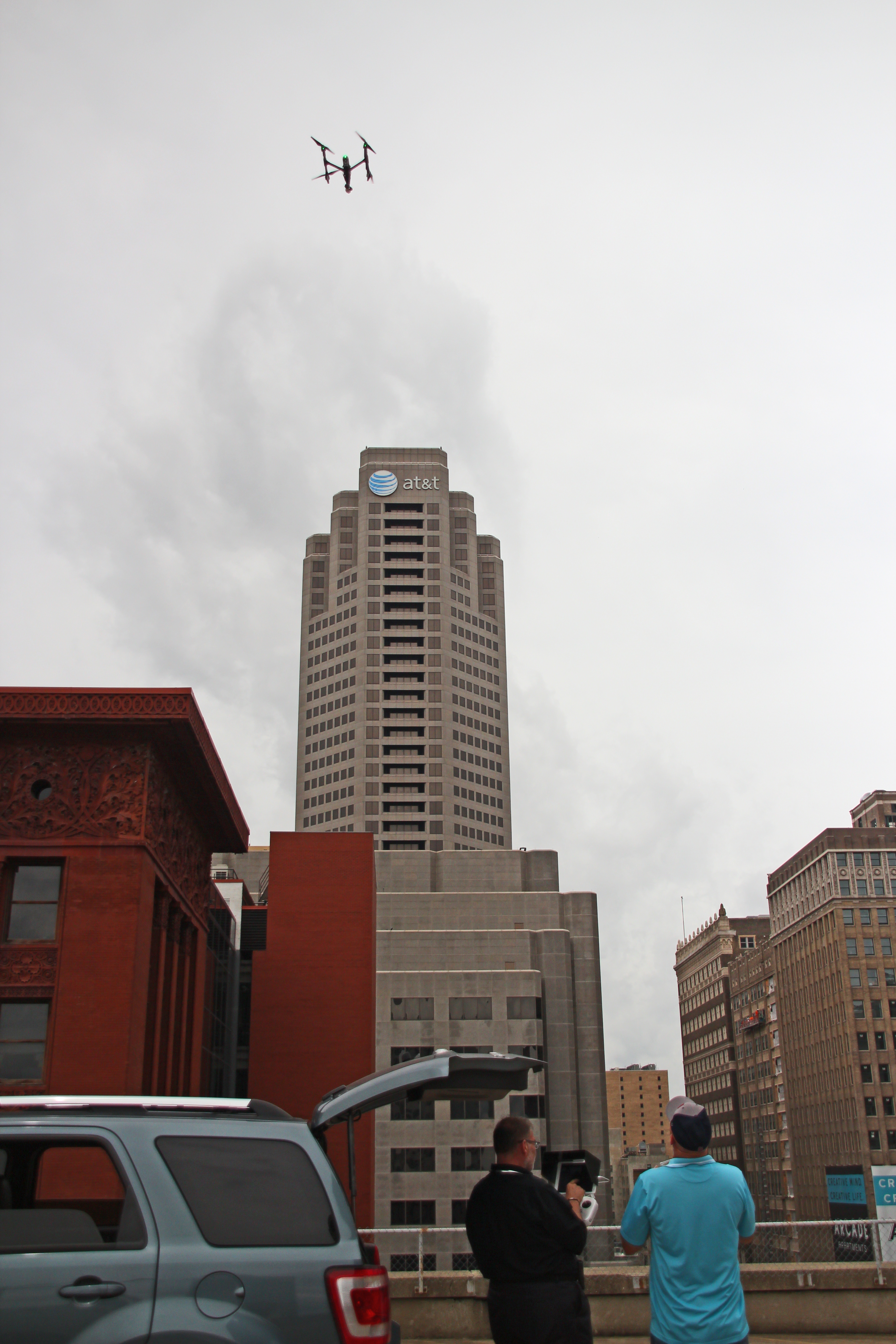
Some commercial projects require more than standard photography and video. Exterior locations, large properties, construction sites, campuses, industrial facilities, commercial buildings, and event spaces may benefit from aerial imagery or advanced drone services.
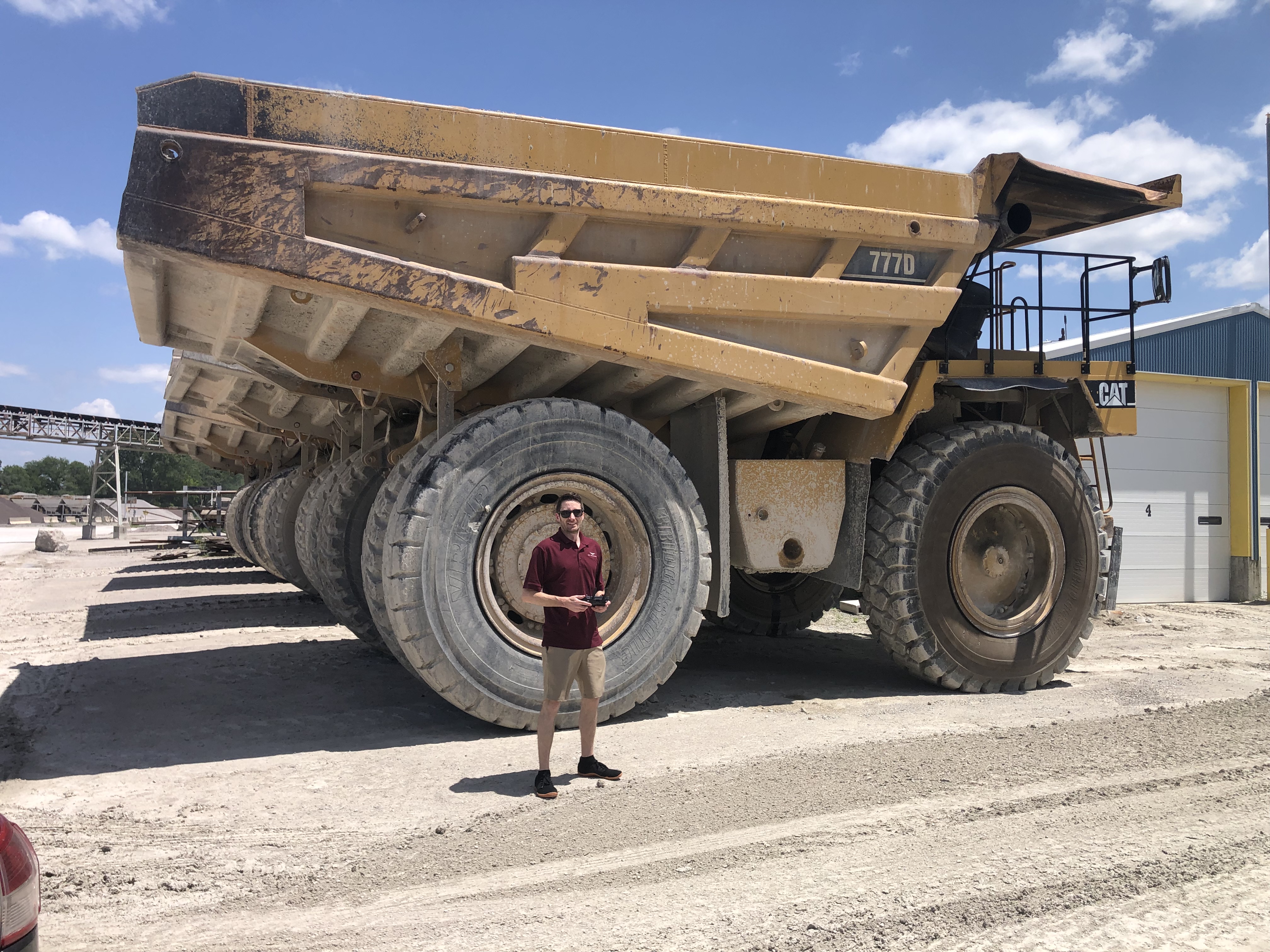
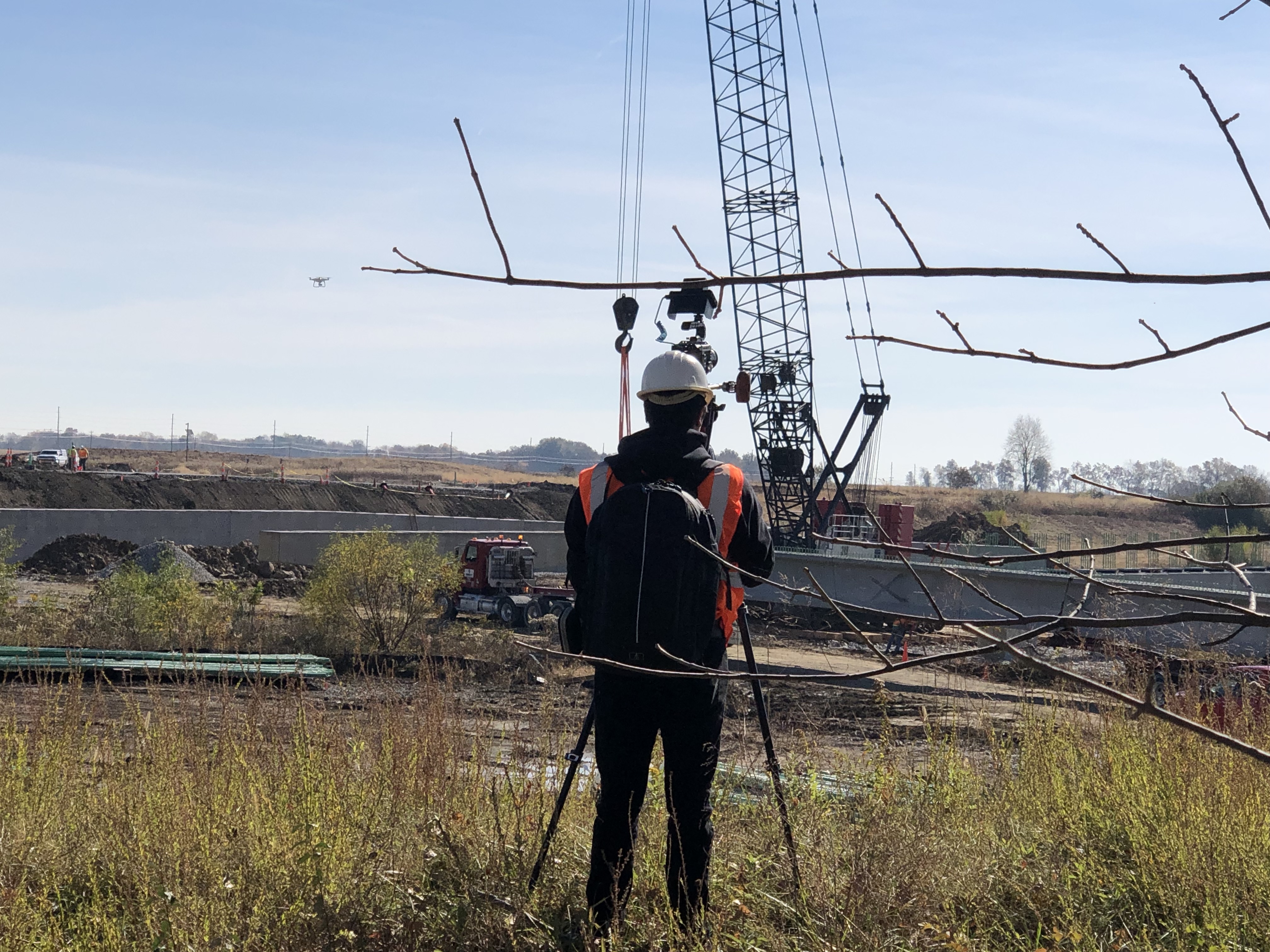
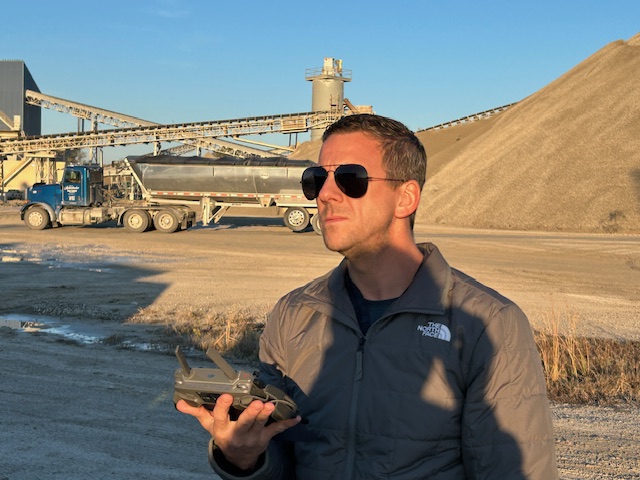
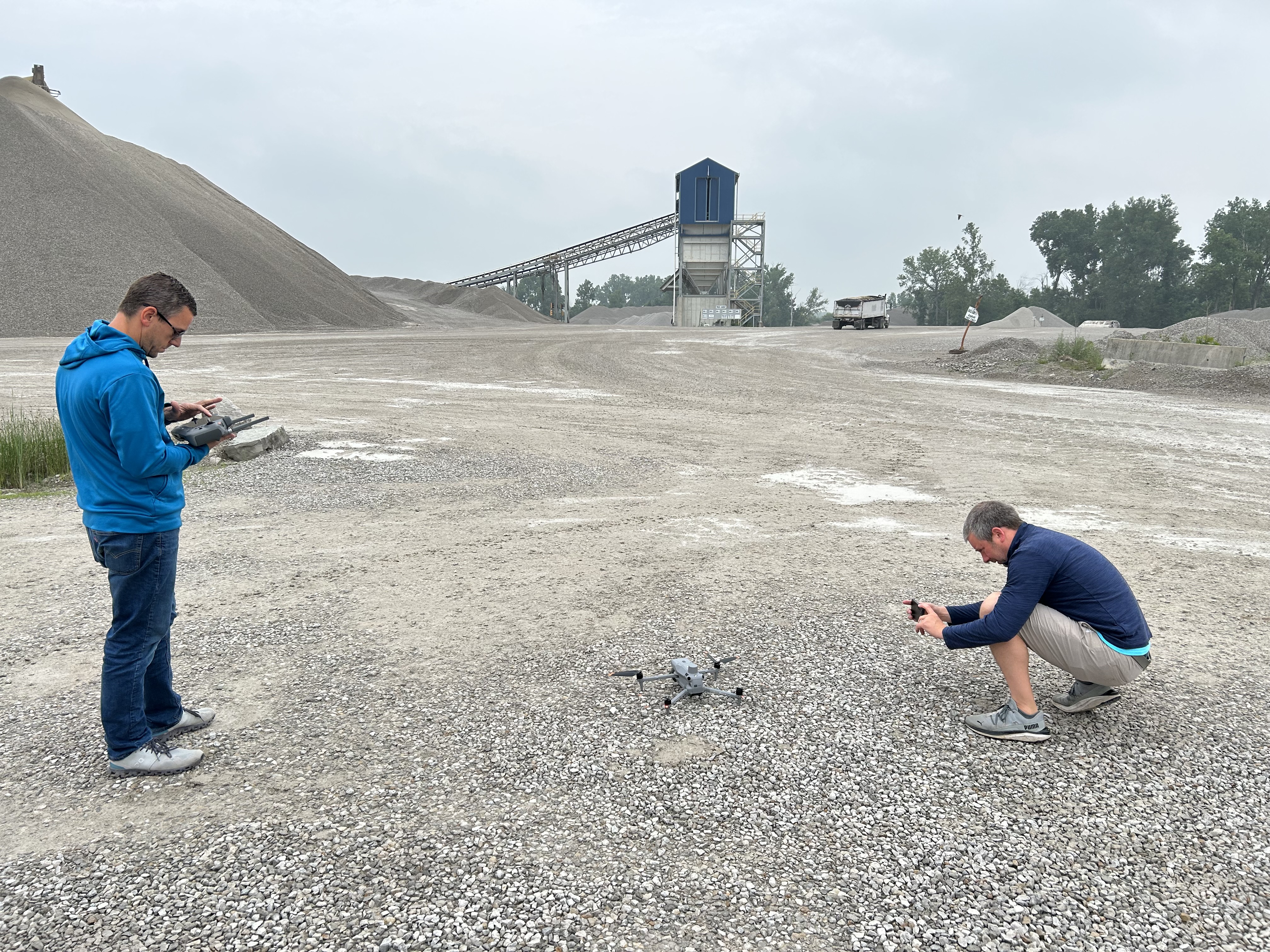
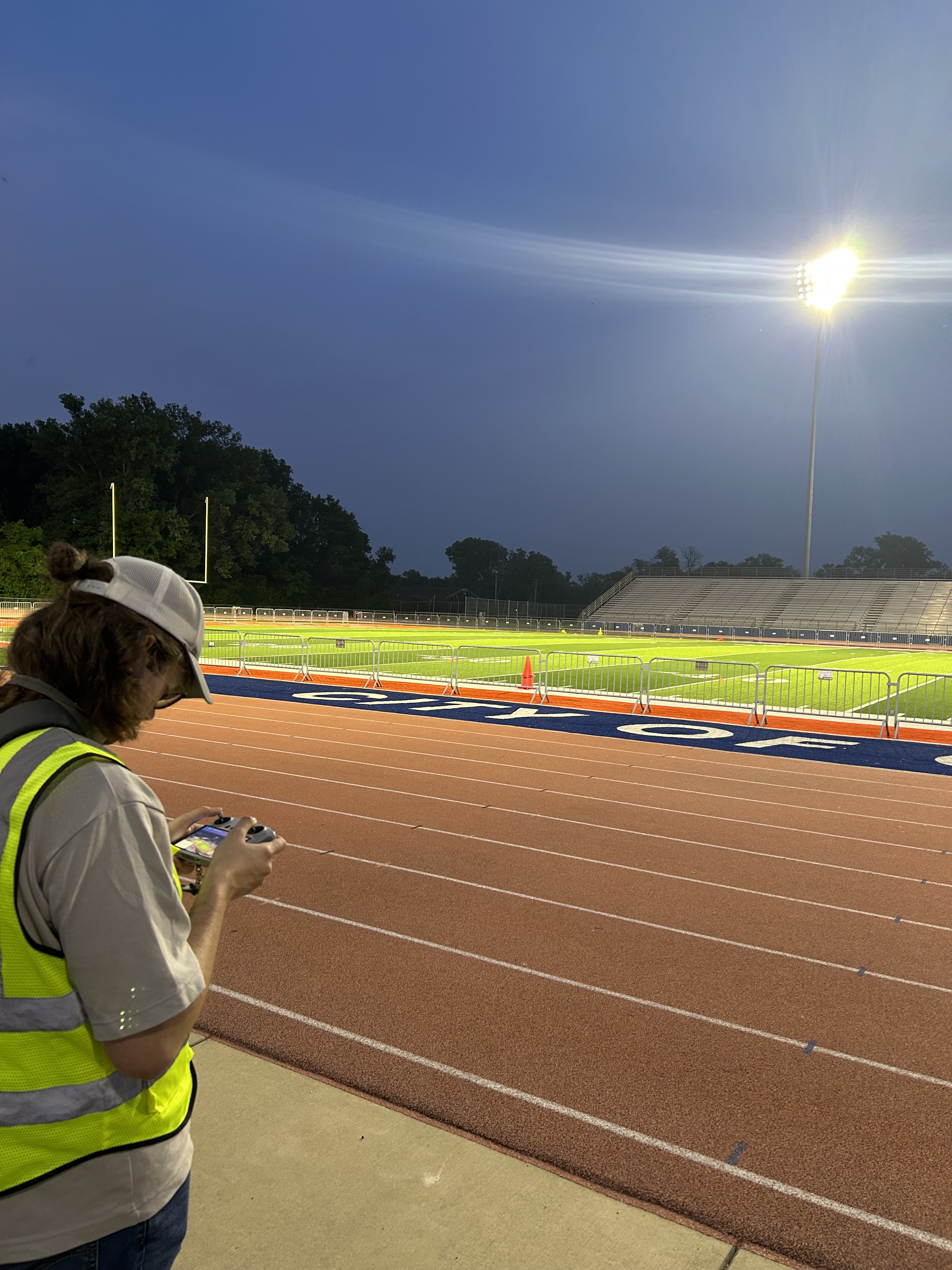
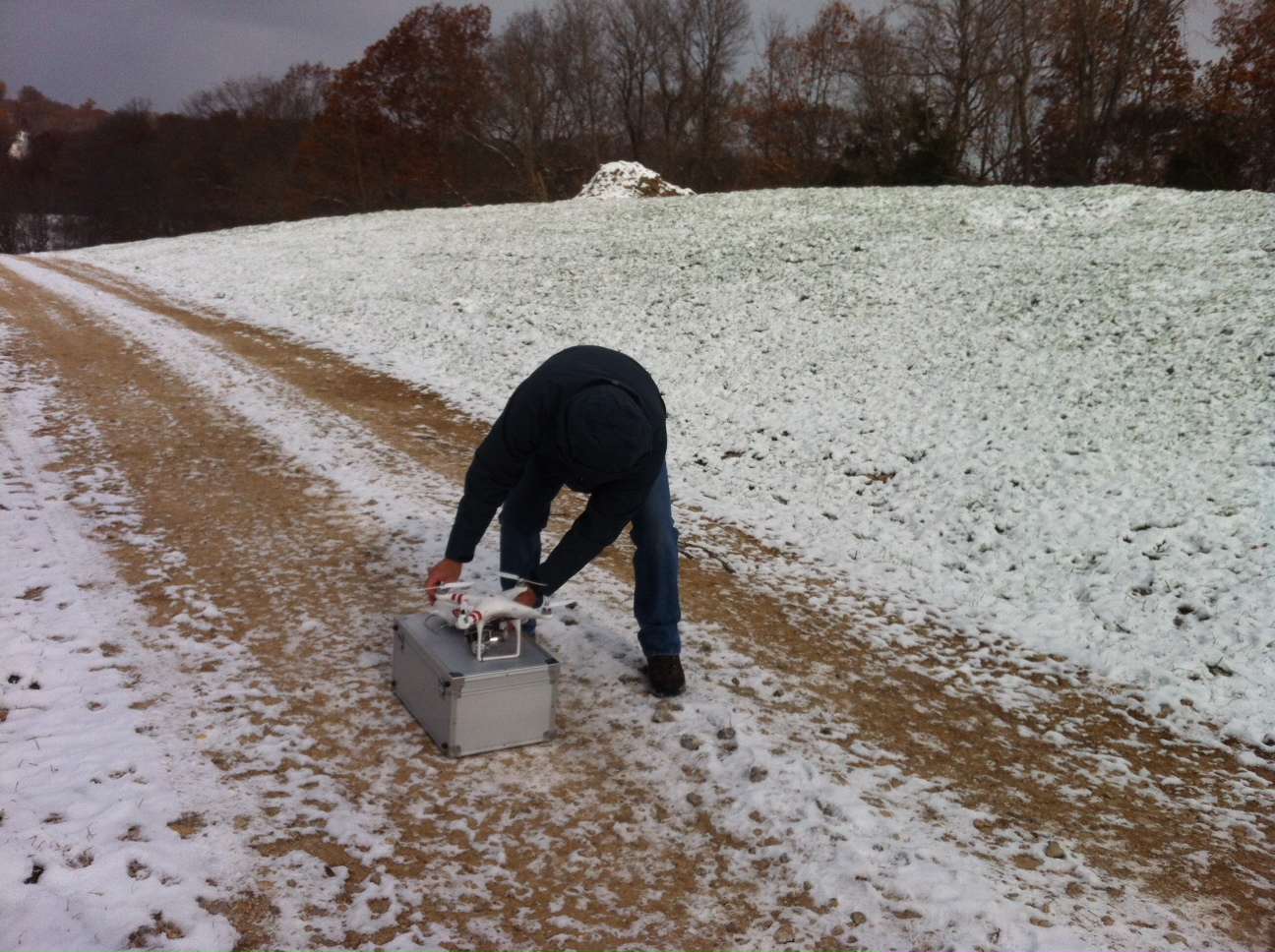
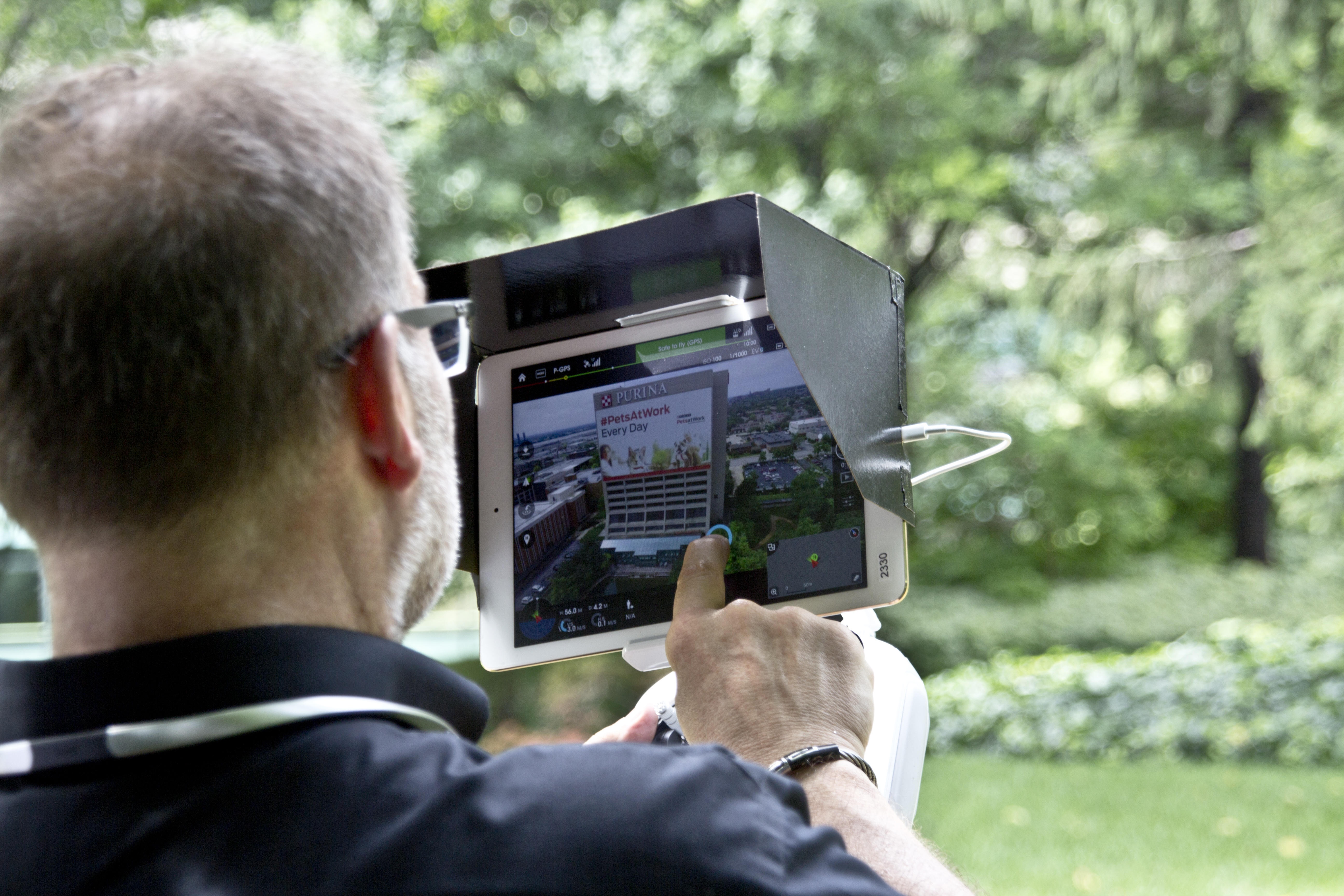
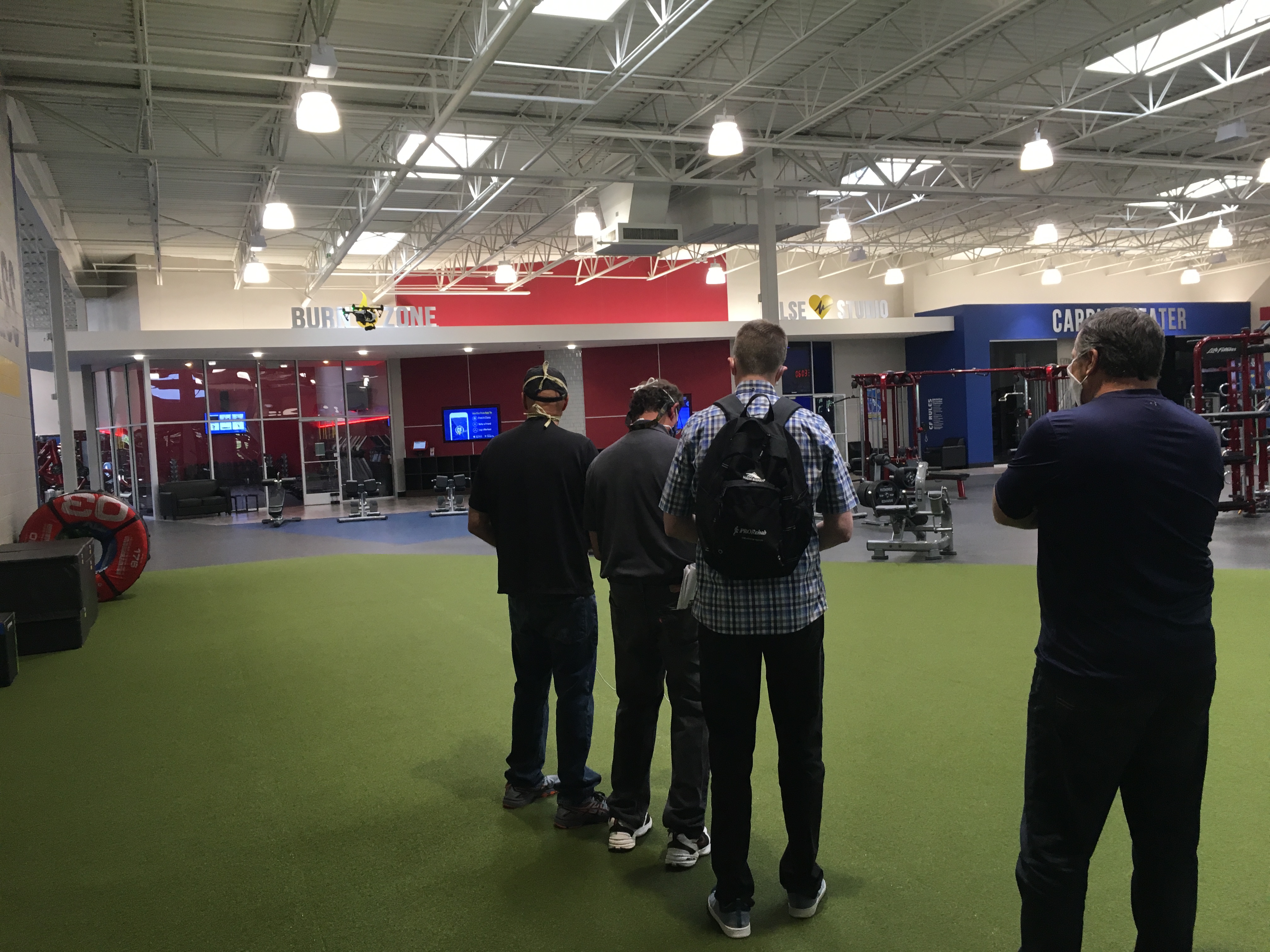
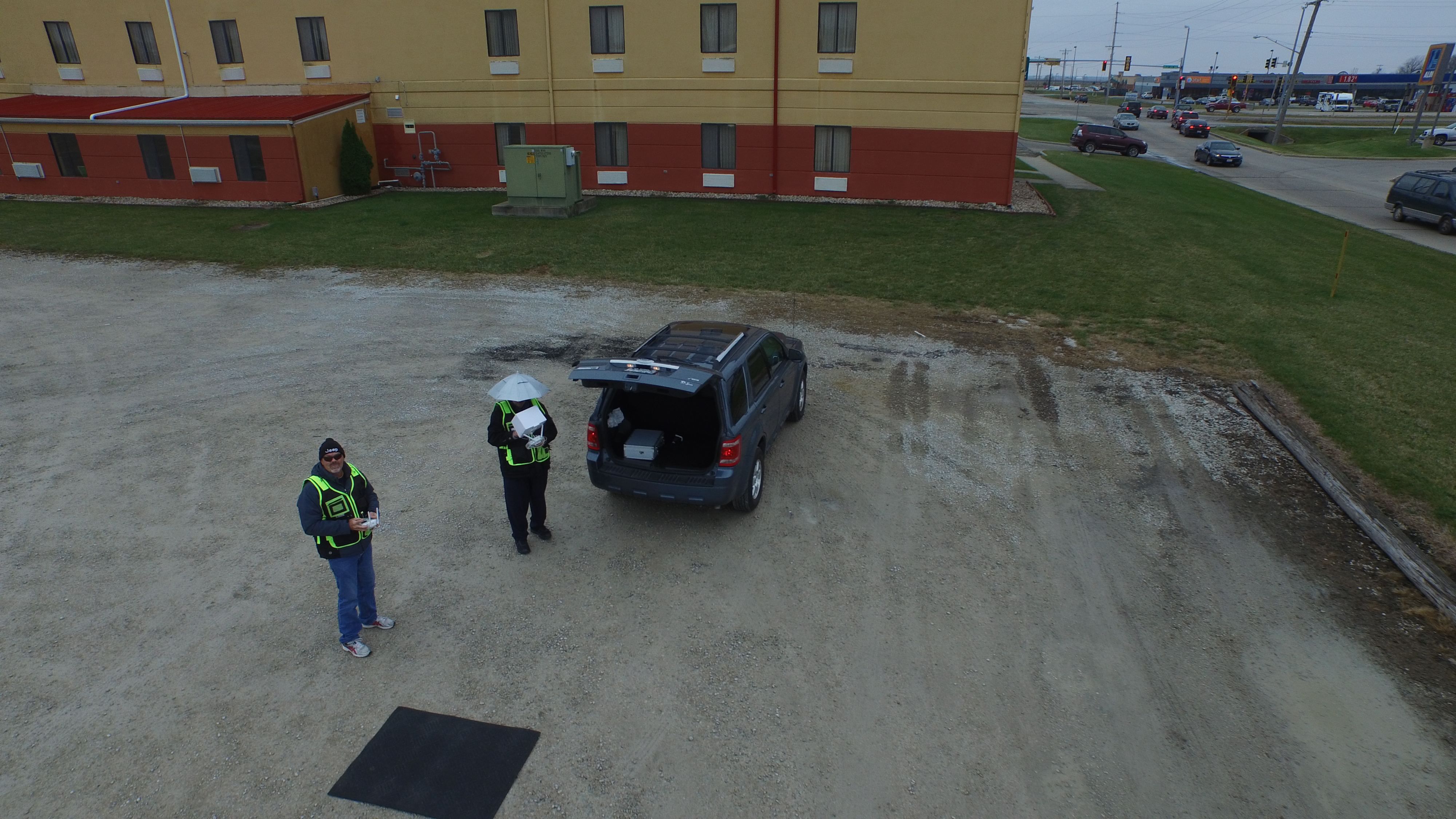
St Louis Corporate Photographers provides licensed drone services when aerial photography or video can add value to the project. The company can also fly specialized FPV drones indoors, creating dynamic movement through offices, warehouses, showrooms, event venues, facilities, and commercial interiors.
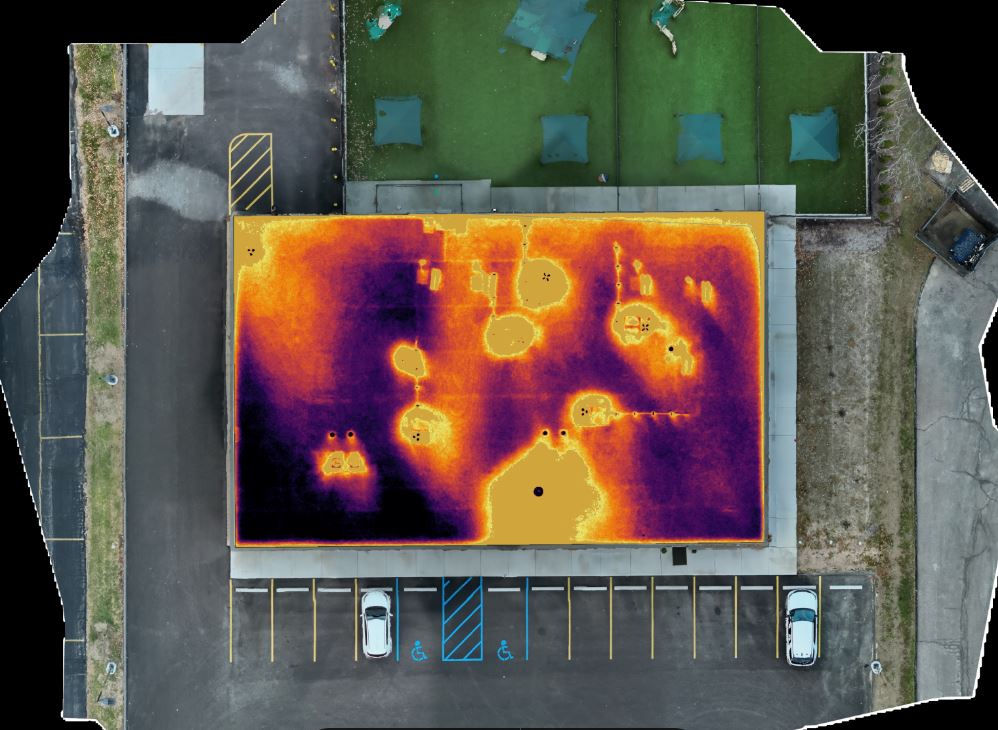
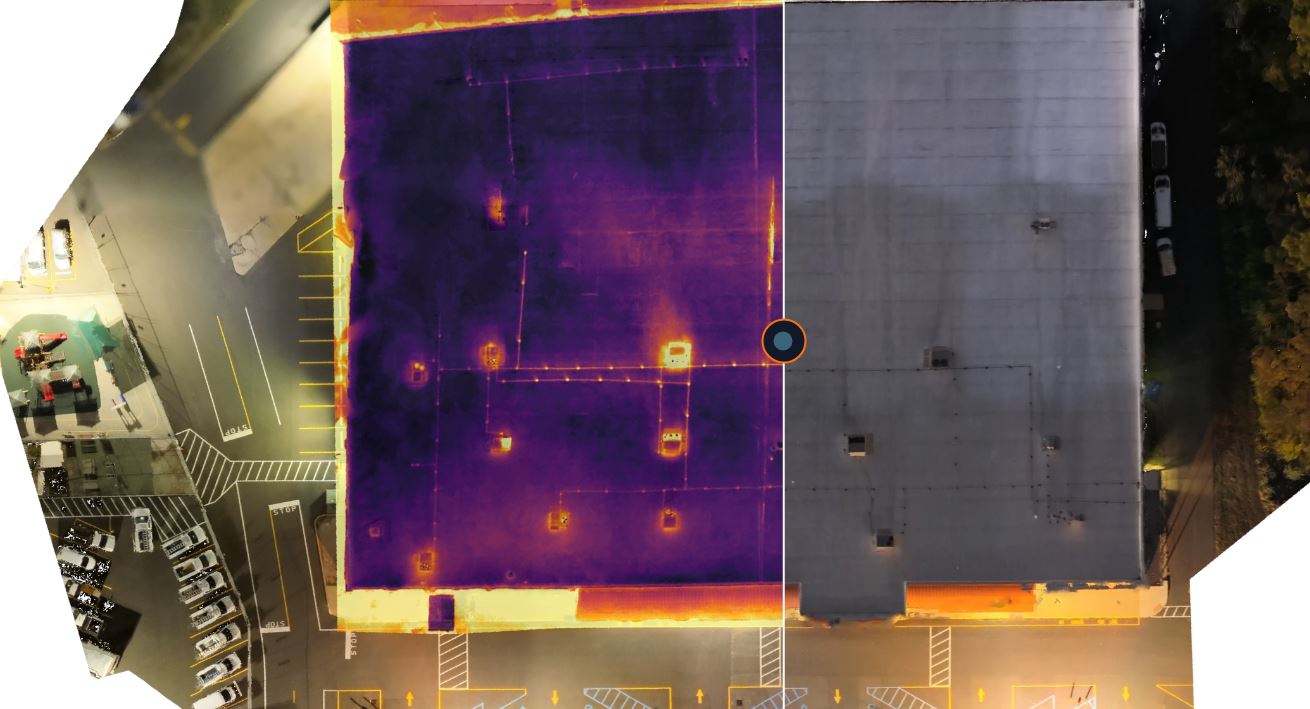
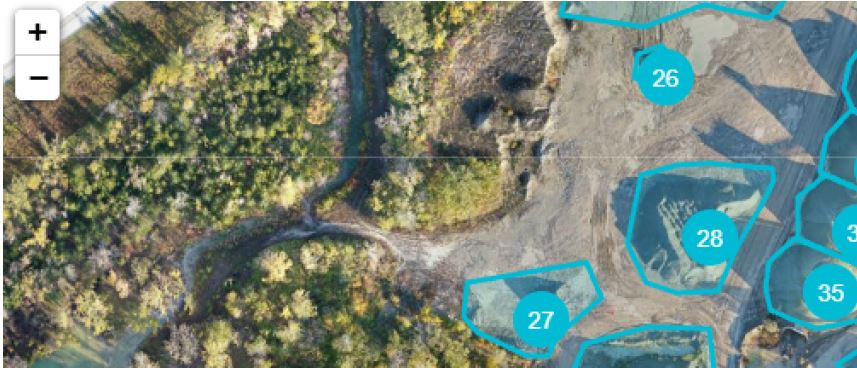
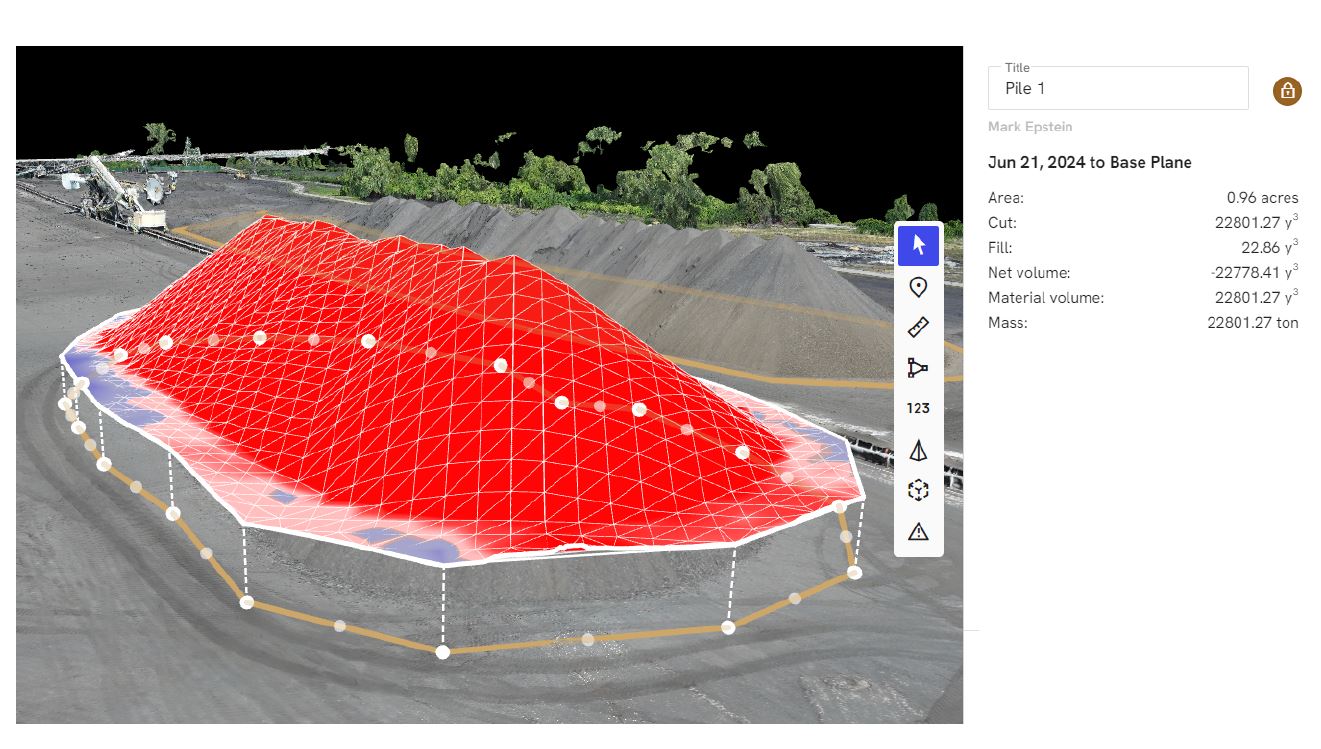
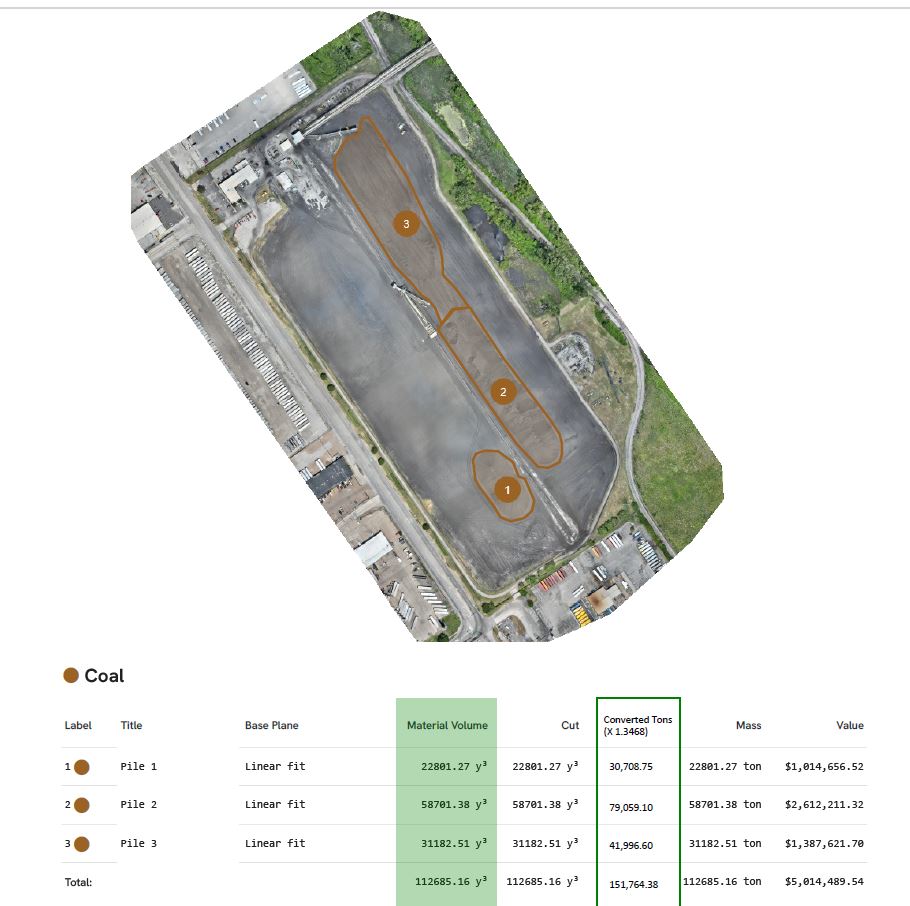
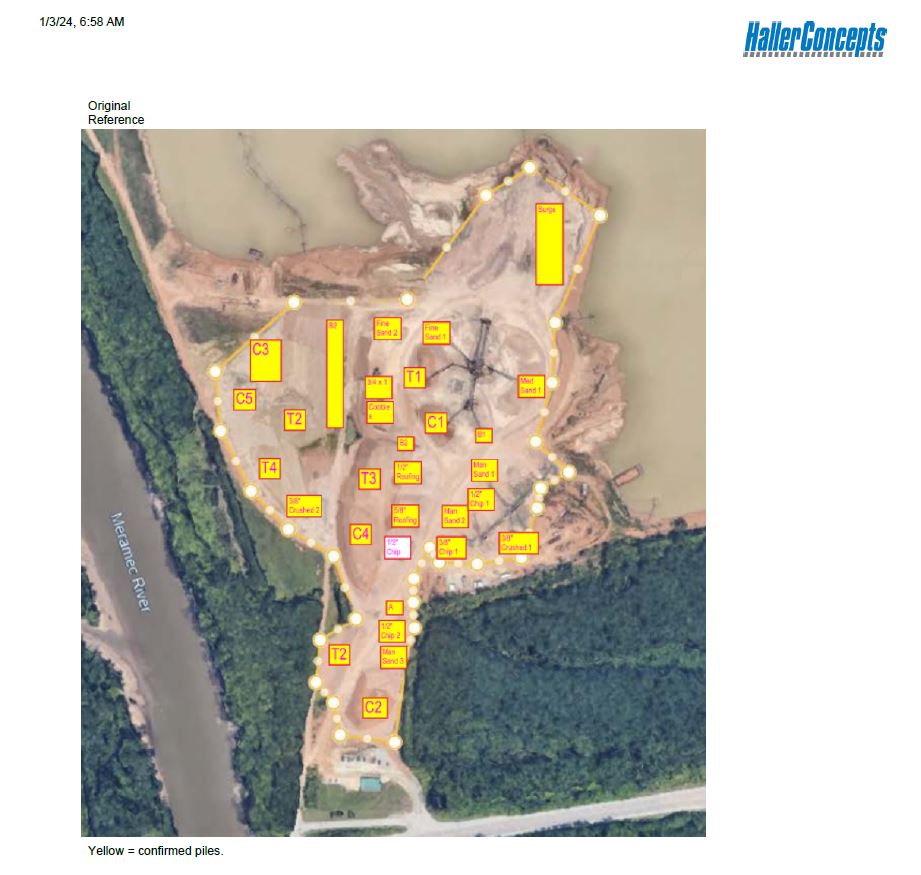
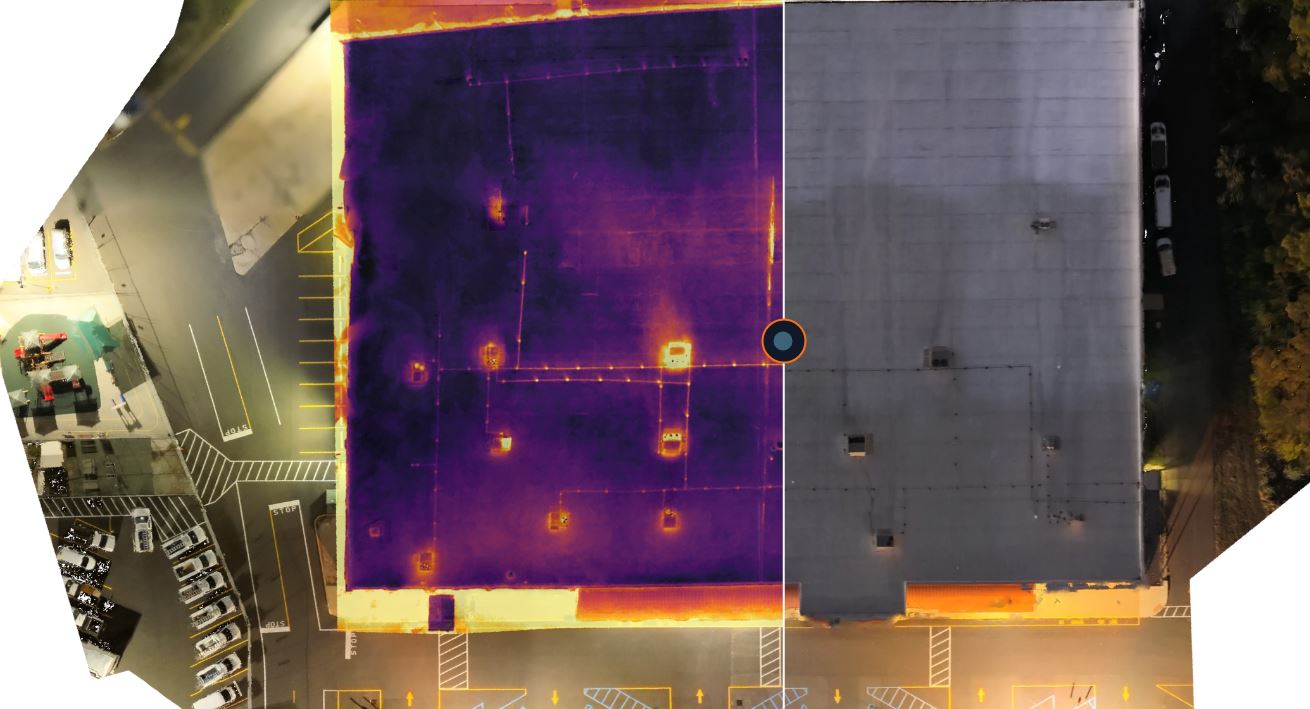
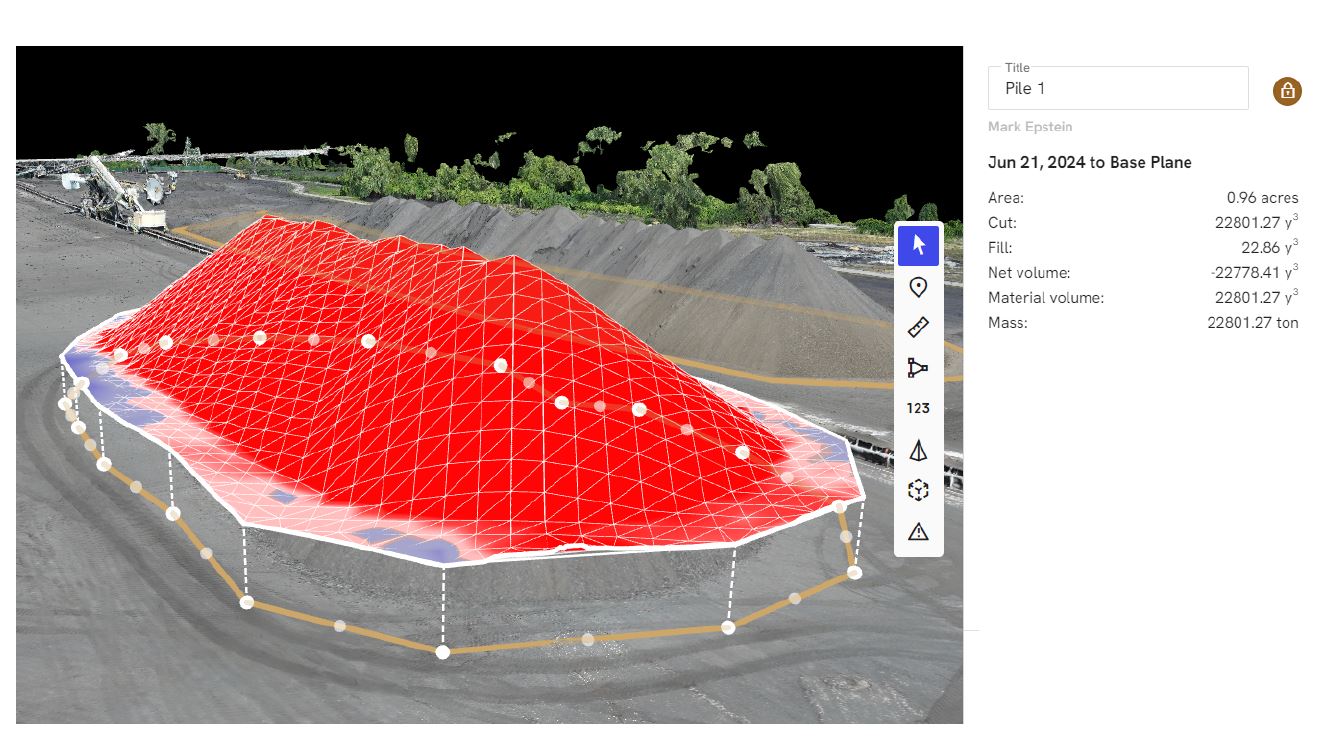
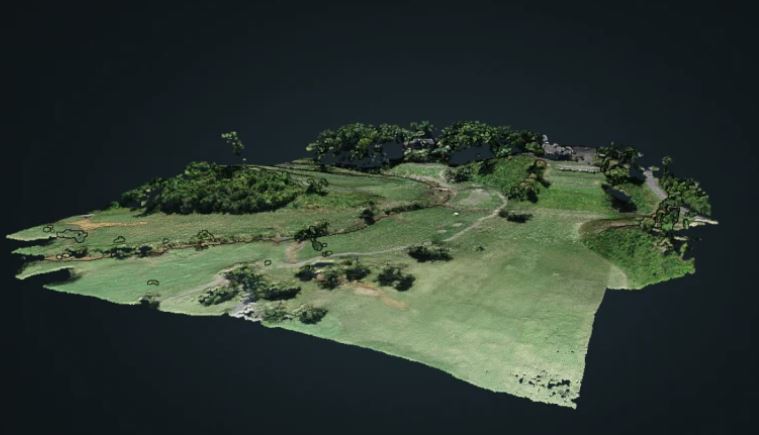
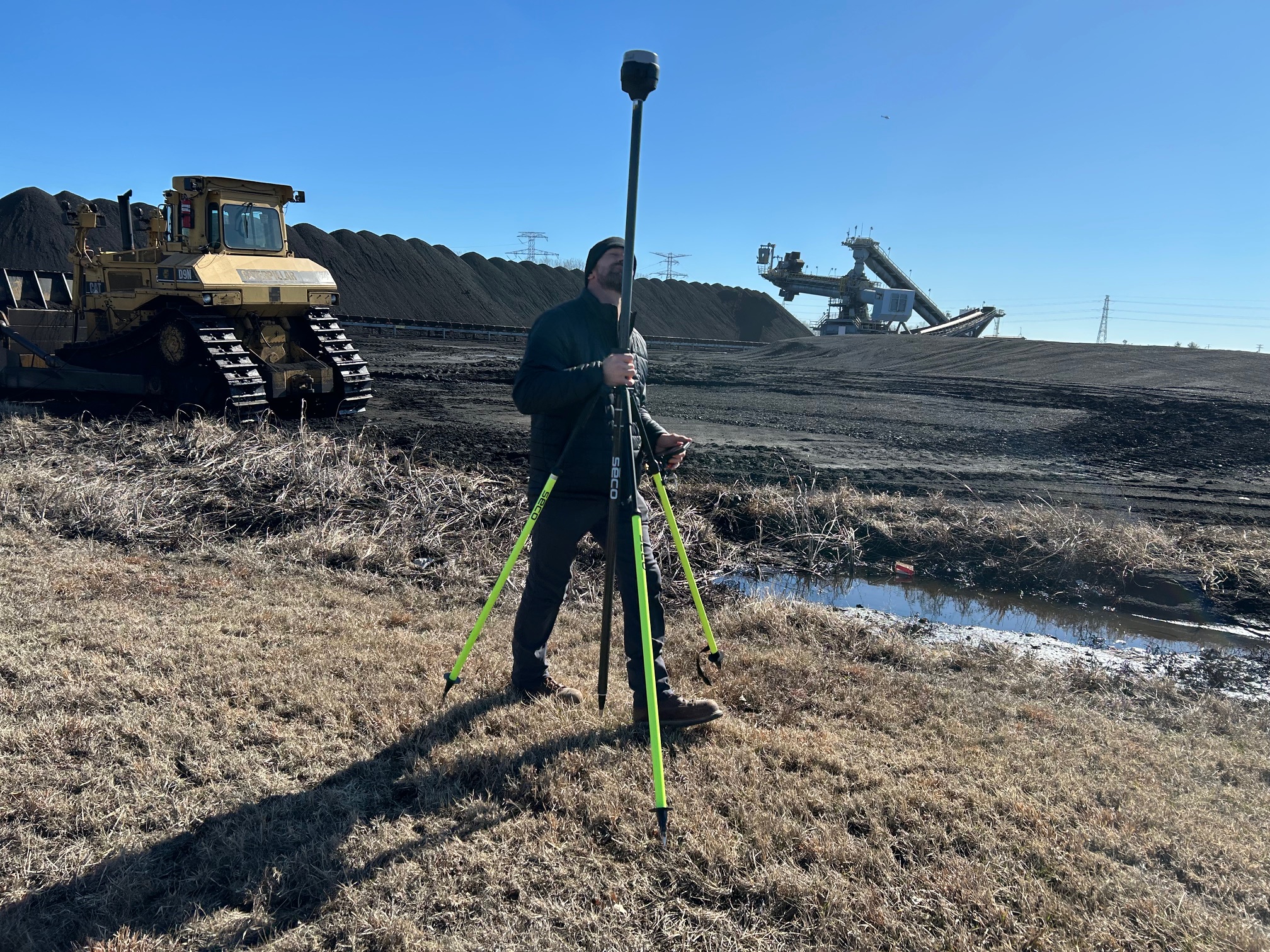
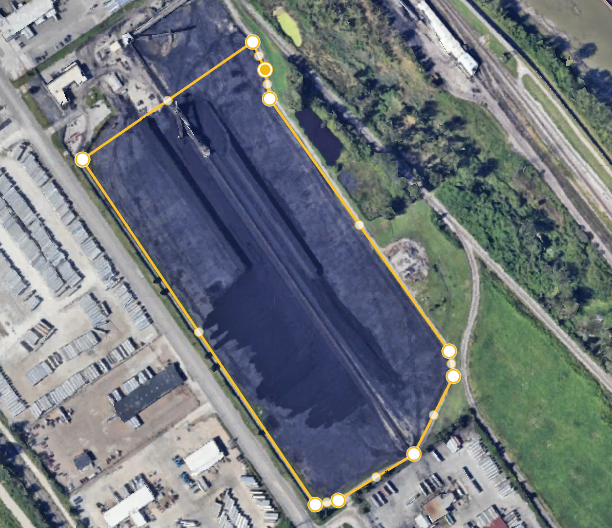
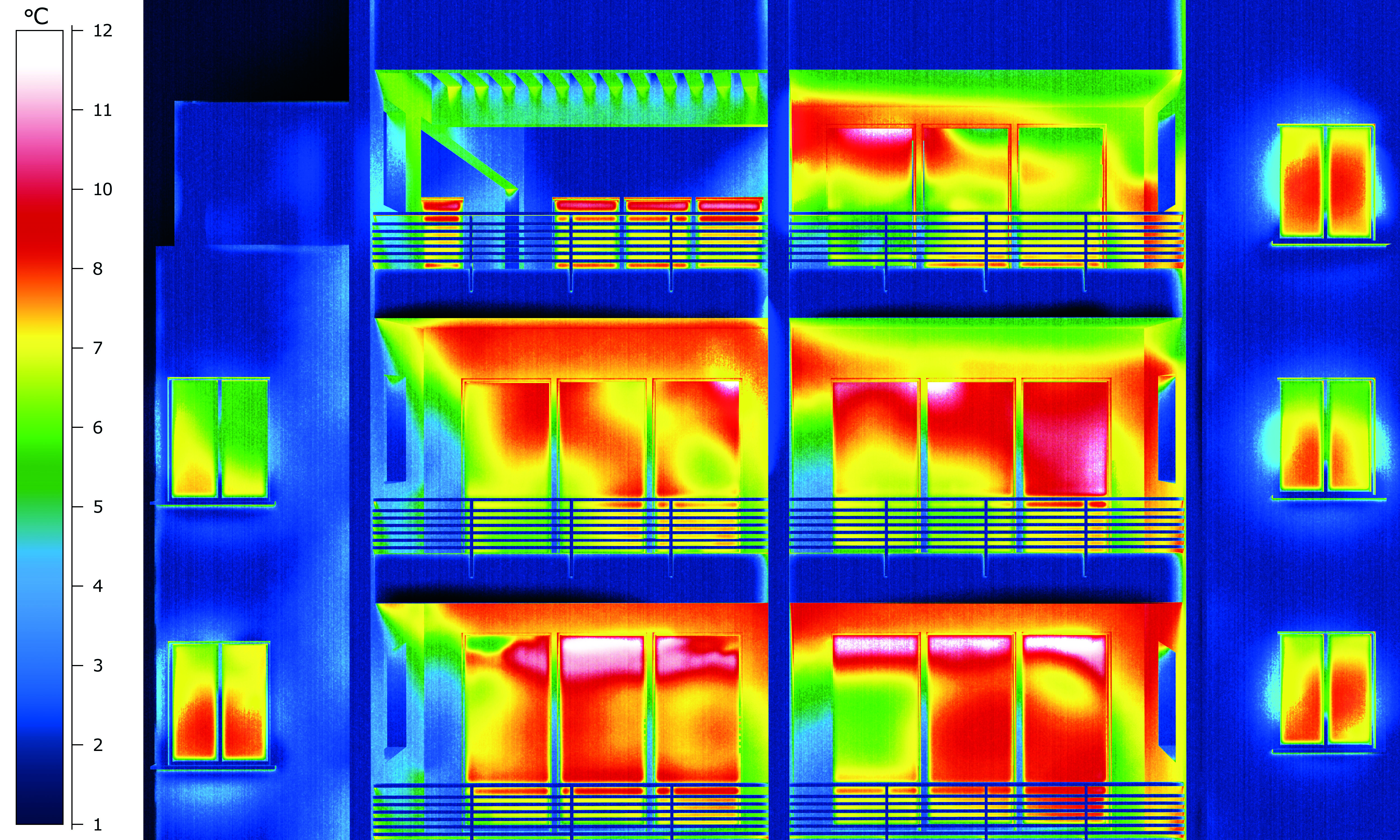
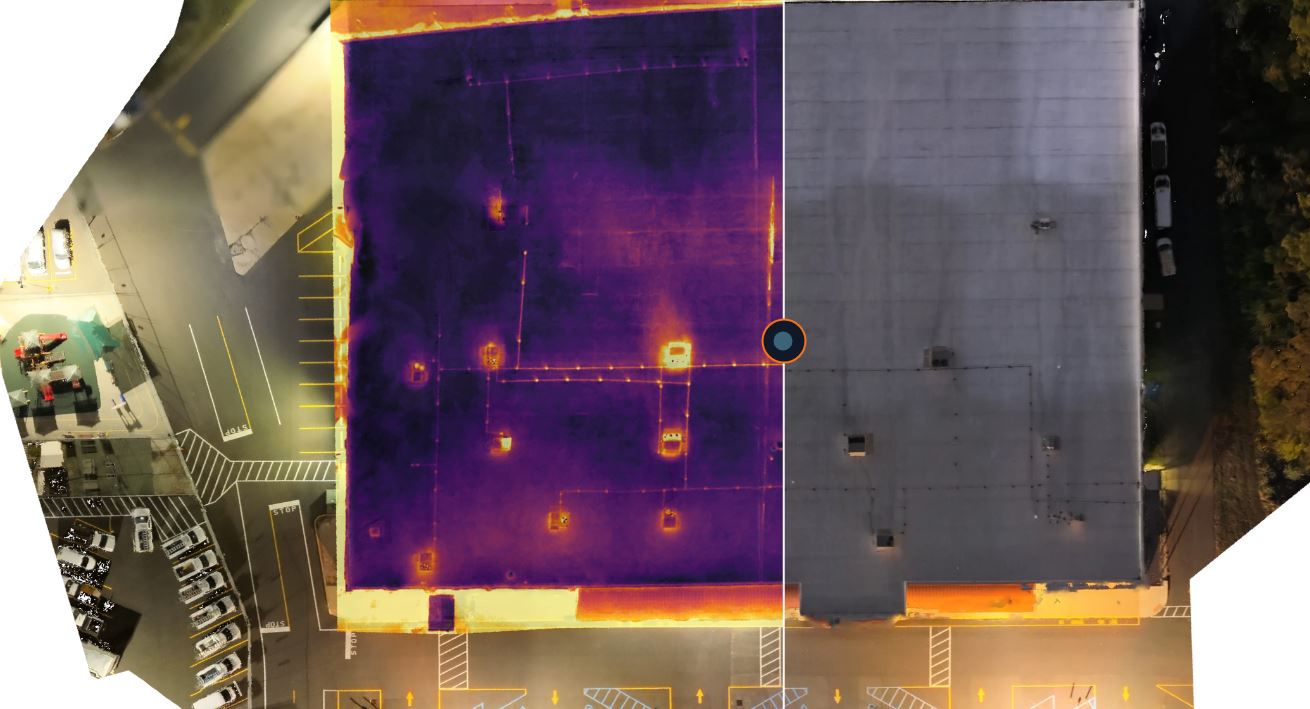
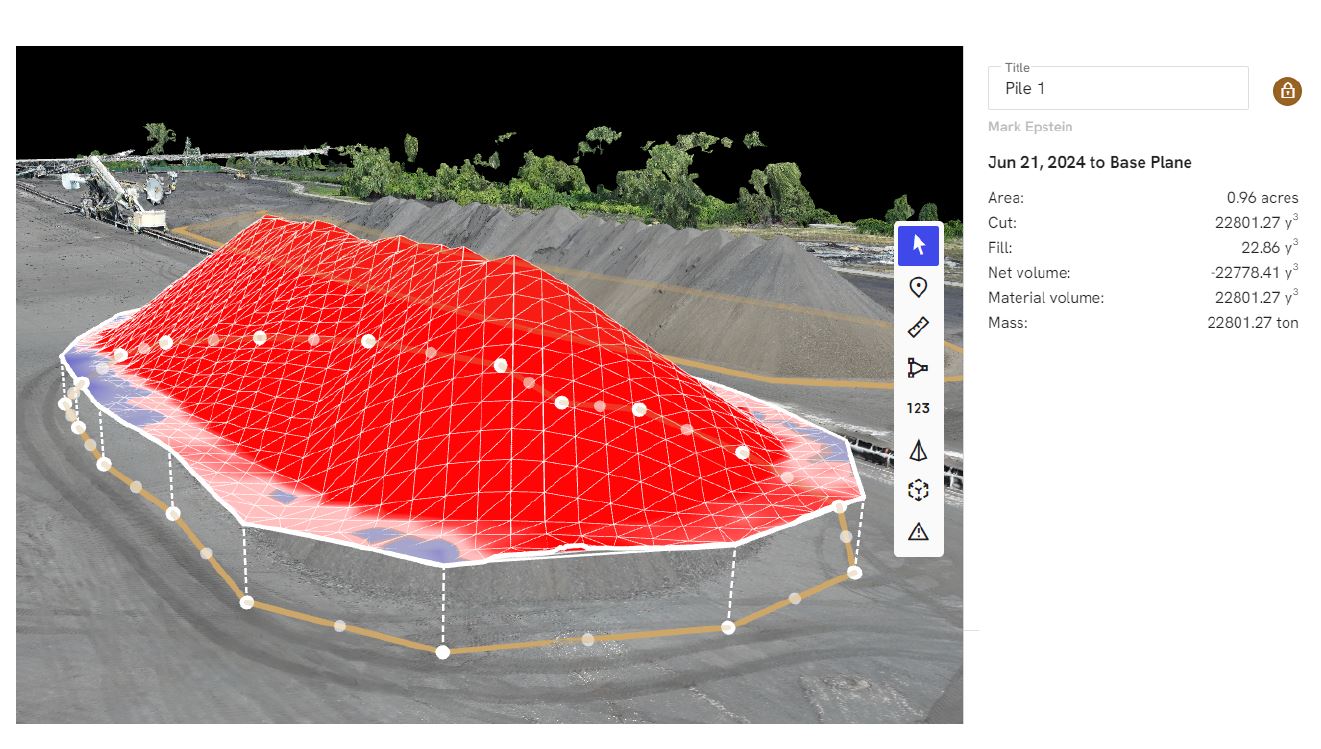
Additional specialized drone services include infrared thermal imaging, orthomosaics, and LiDAR. These services can support inspection, documentation, mapping, construction, industrial, technical, and analytical projects where advanced visual information is needed.
Deliverables for Small Business Marketing
A professional corporate photography and video production can provide a wide range of deliverables, including:
Retouched headshots
Executive portraits
Team photos
Website-ready image files
LinkedIn-ready portraits
Social media image files
Short vertical video clips
Horizontal website videos
Interview clips
Customer testimonial videos
B-roll footage
Captioned video versions
Branded title graphics
Thumbnail images
Drone photography
Drone video
FPV interior footage
Edited clips for digital advertising
Selected raw footage when requested
Deliverables should be planned before the shoot so the right formats, aspect ratios, resolutions, usage needs, and file types are considered from the beginning.
Professional Media Helps Small Businesses Compete
Small businesses often compete against larger organizations with bigger marketing departments and larger advertising budgets. Professional photography and video can help narrow that gap by making the company look more established, more trustworthy, and more prepared.
A polished headshot builds credibility. A short video clip explains expertise. A testimonial supports confidence. B-roll shows the company in action. Drone footage adds scale and perspective. Together, these assets help a small business improve visibility and communicate more effectively.
Professional visual content is not just decorative. It supports sales, recruiting, customer education, public relations, internal communication, digital advertising, and brand recognition.
Work With St Louis Corporate Photographers
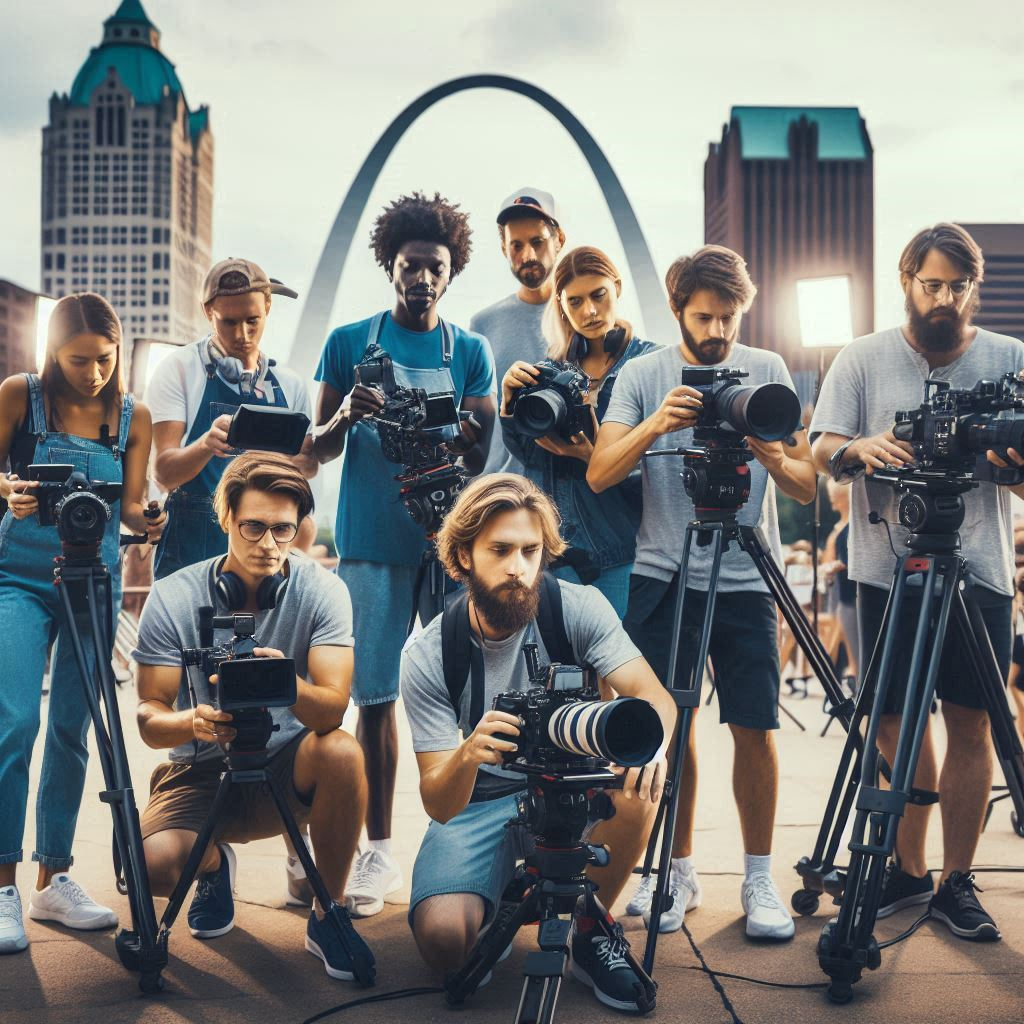
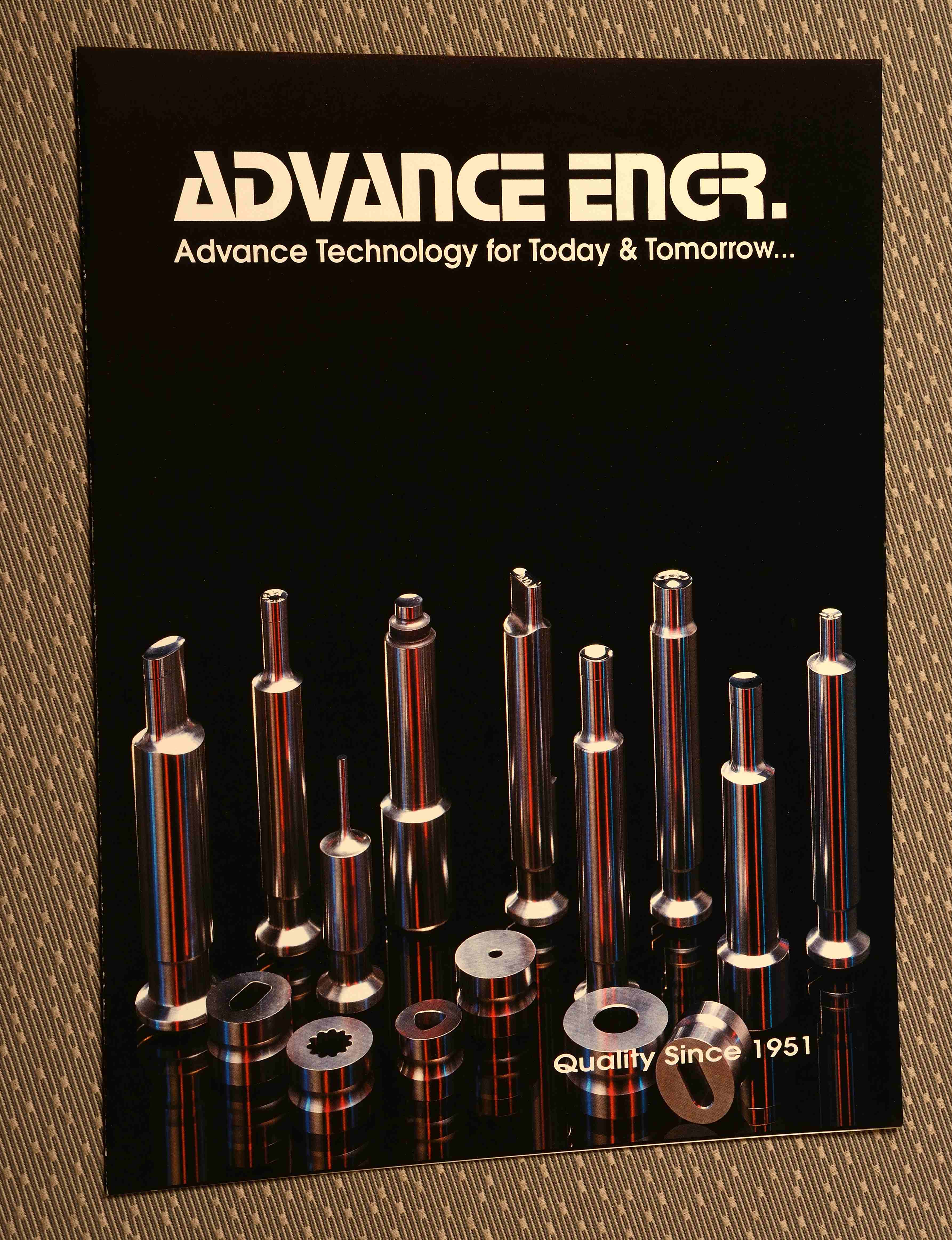
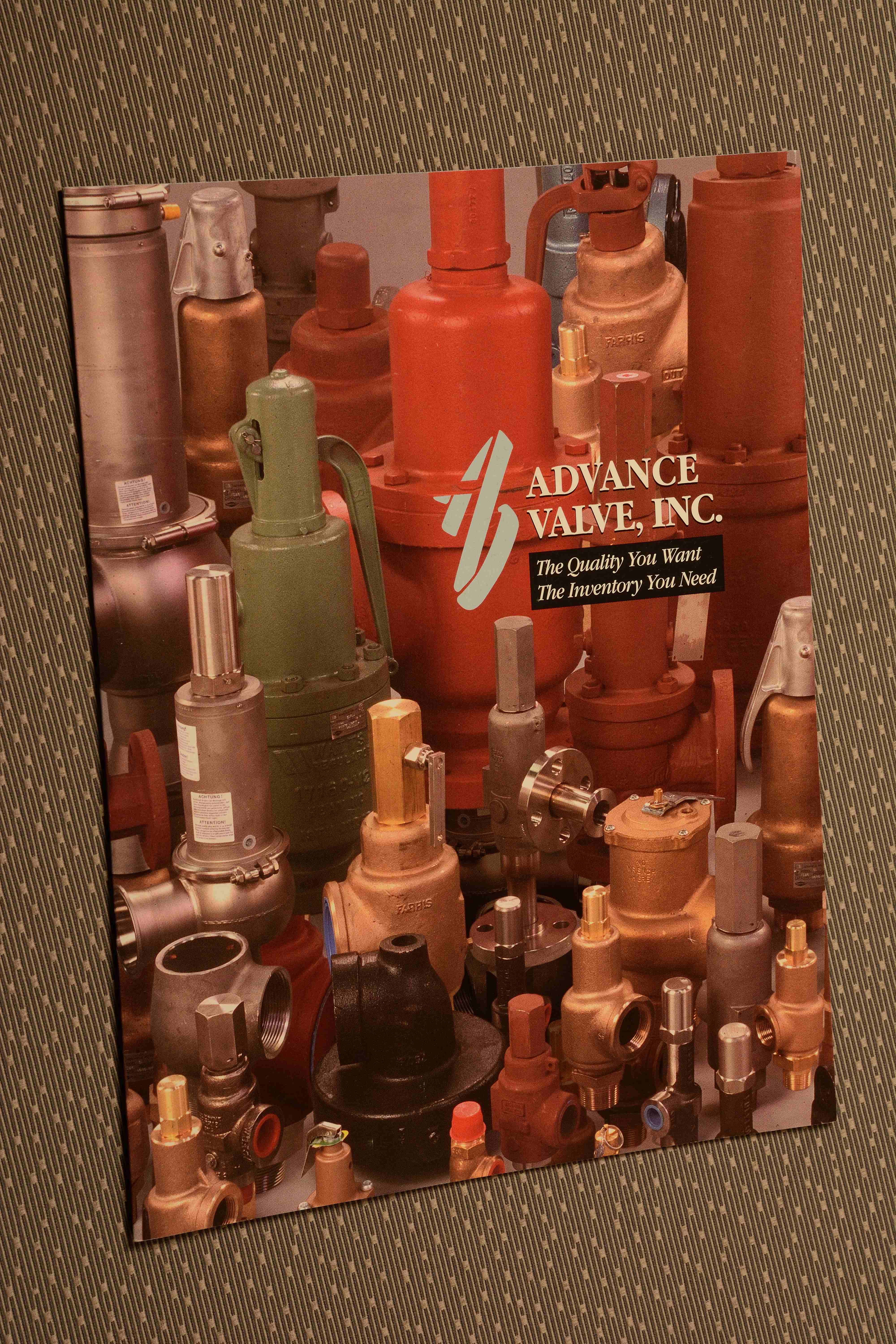
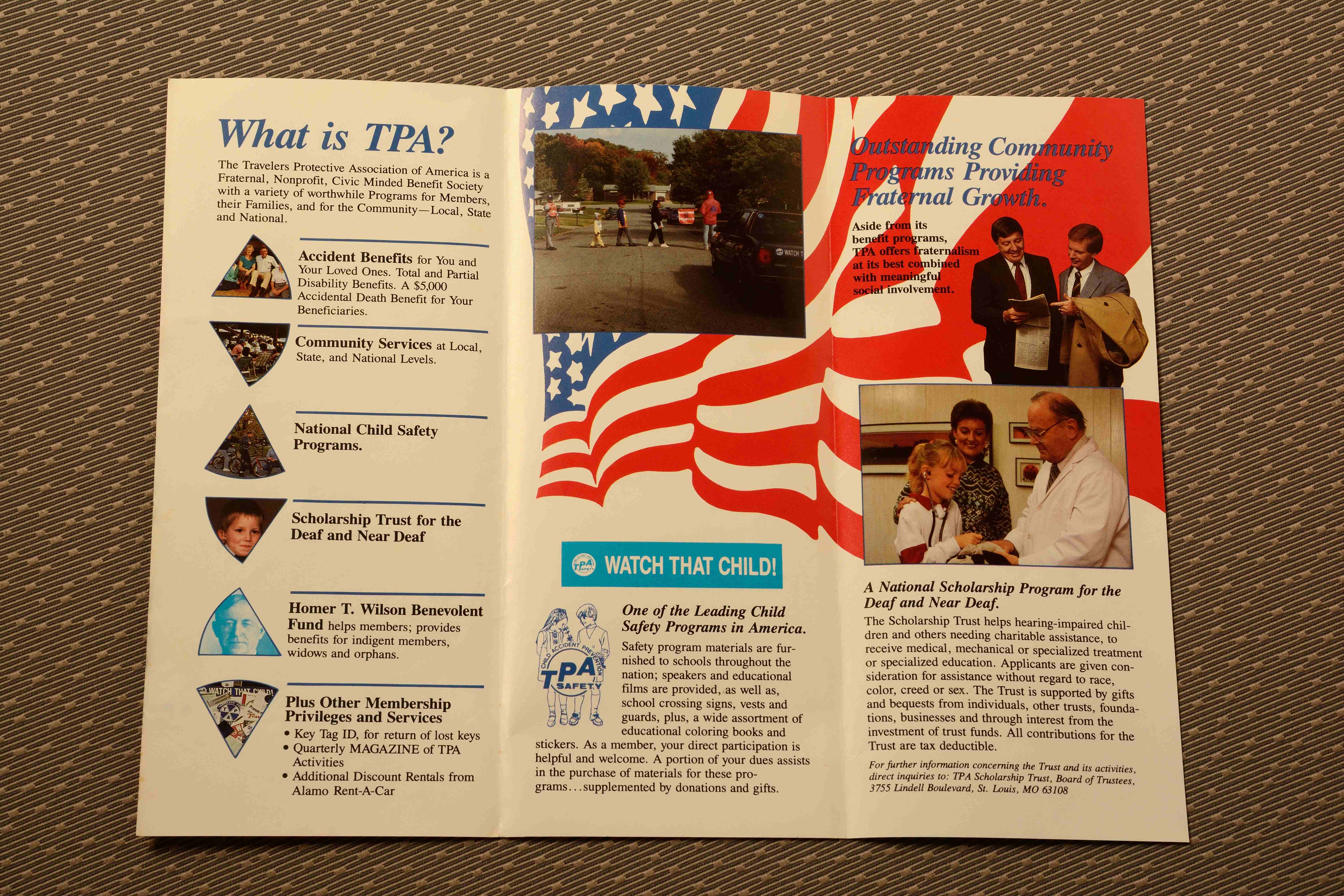
St Louis Corporate Photographers is an experienced full-service professional commercial photography and video production company with the right equipment, creative crew service experience, and production knowledge needed for successful image acquisition. We provide full-service studio and location video and photography, along with editing, post-production, and licensed drone services.
St Louis Corporate Photographers can customize productions for diverse media requirements, including small business headshots, corporate portraits, executive profiles, social media video clips, interviews, testimonials, b-roll, website content, recruiting media, marketing campaigns, drone footage, and branded visual assets. Repurposing photography and video branding to gain more traction is another specialty.

We are well-versed in all file types, media styles, and accompanying software needed to prepare professional deliverables for websites, social platforms, digital advertising, presentations, internal communications, and long-term marketing use. We also use the latest in Artificial Intelligence for our media services, supporting efficient workflows, creative development, and modern post-production options.
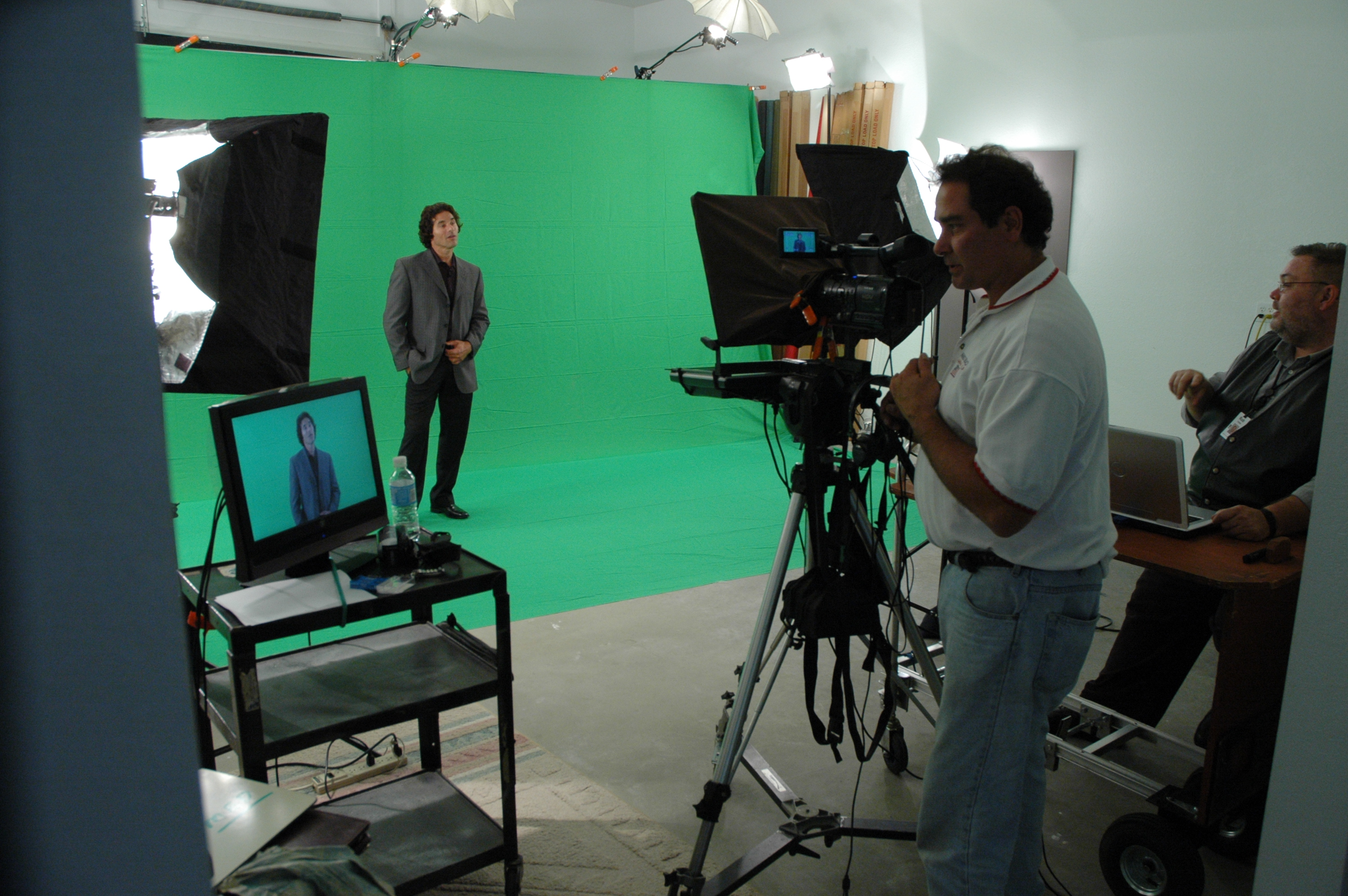
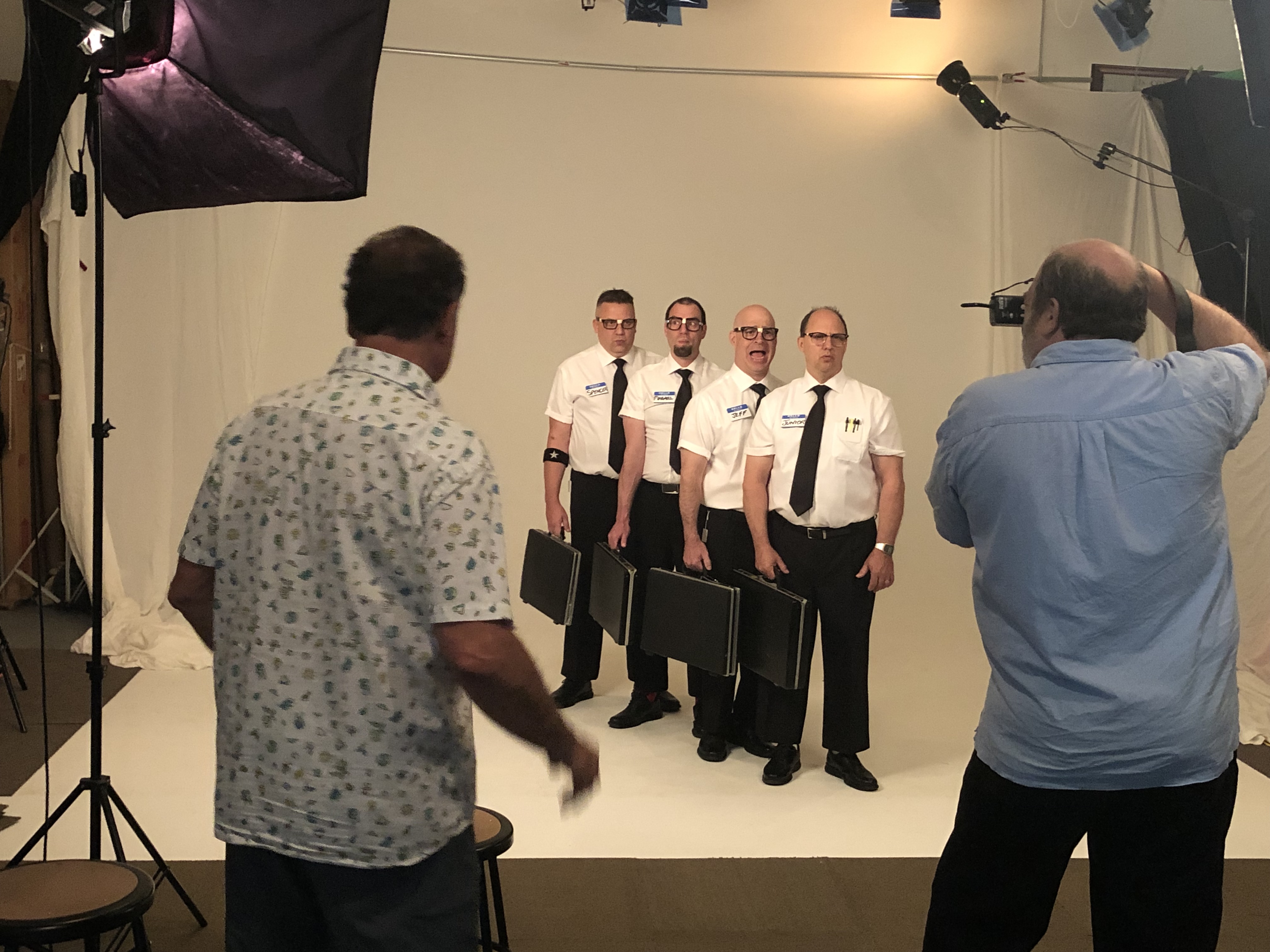
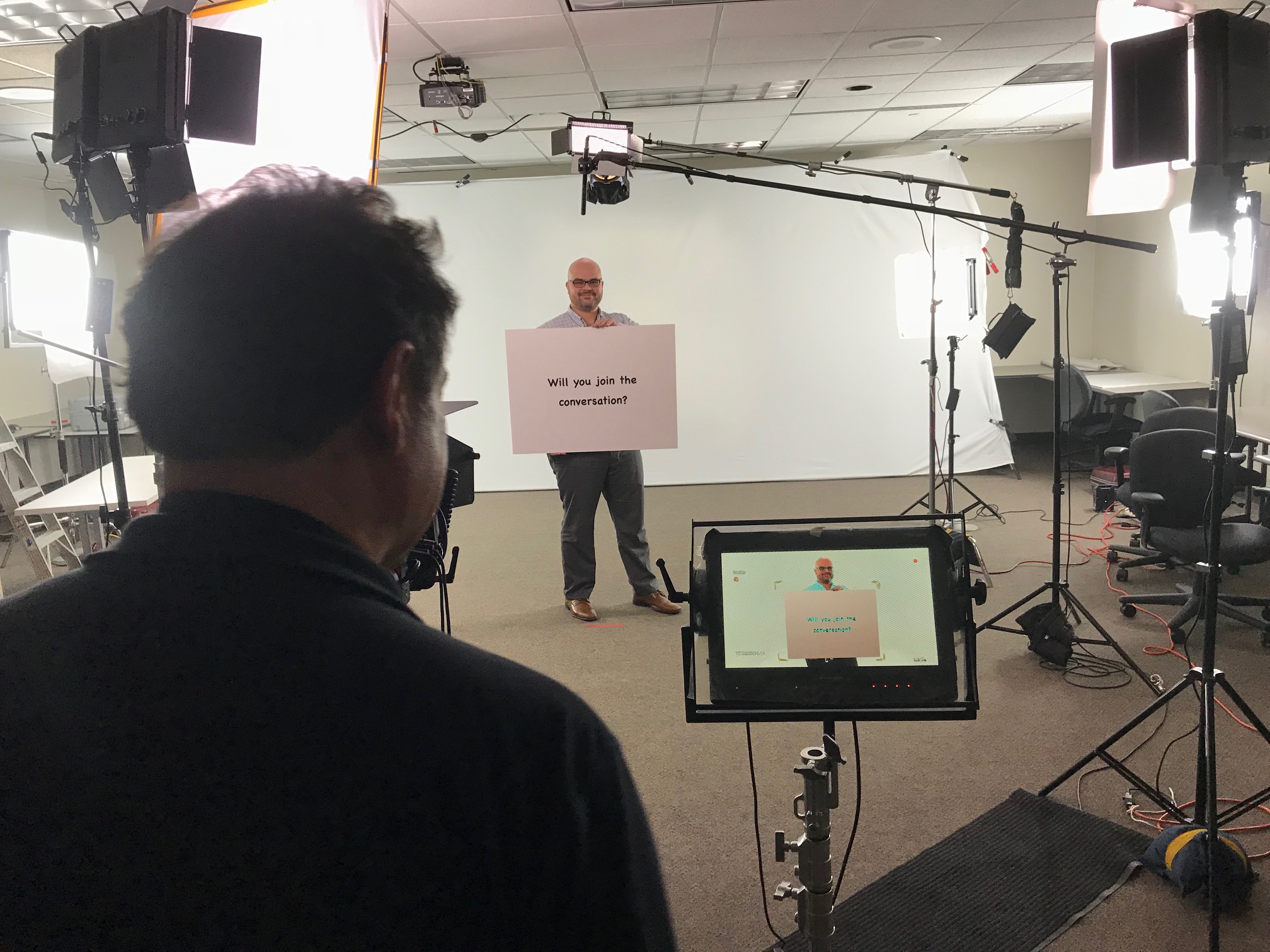
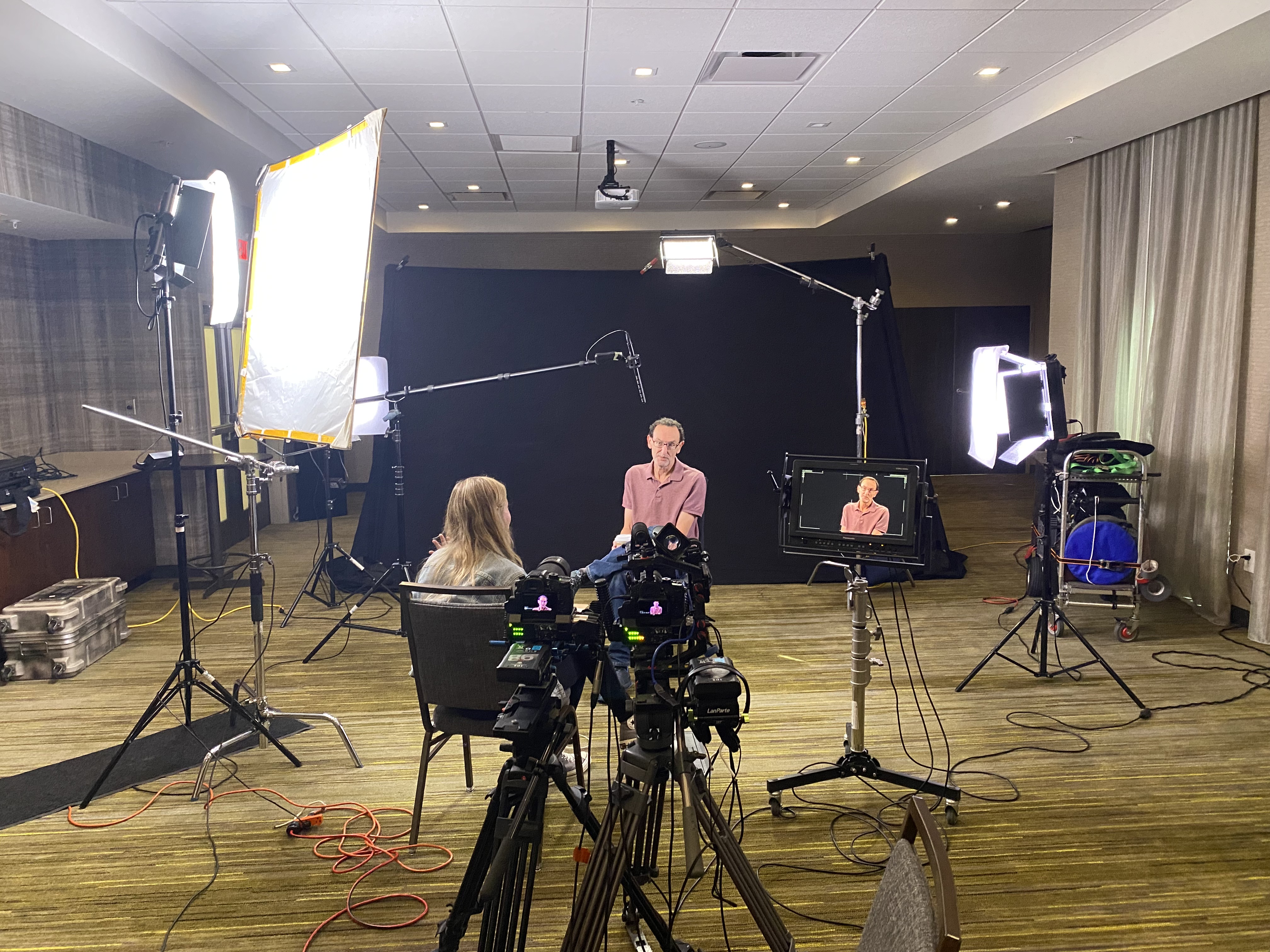
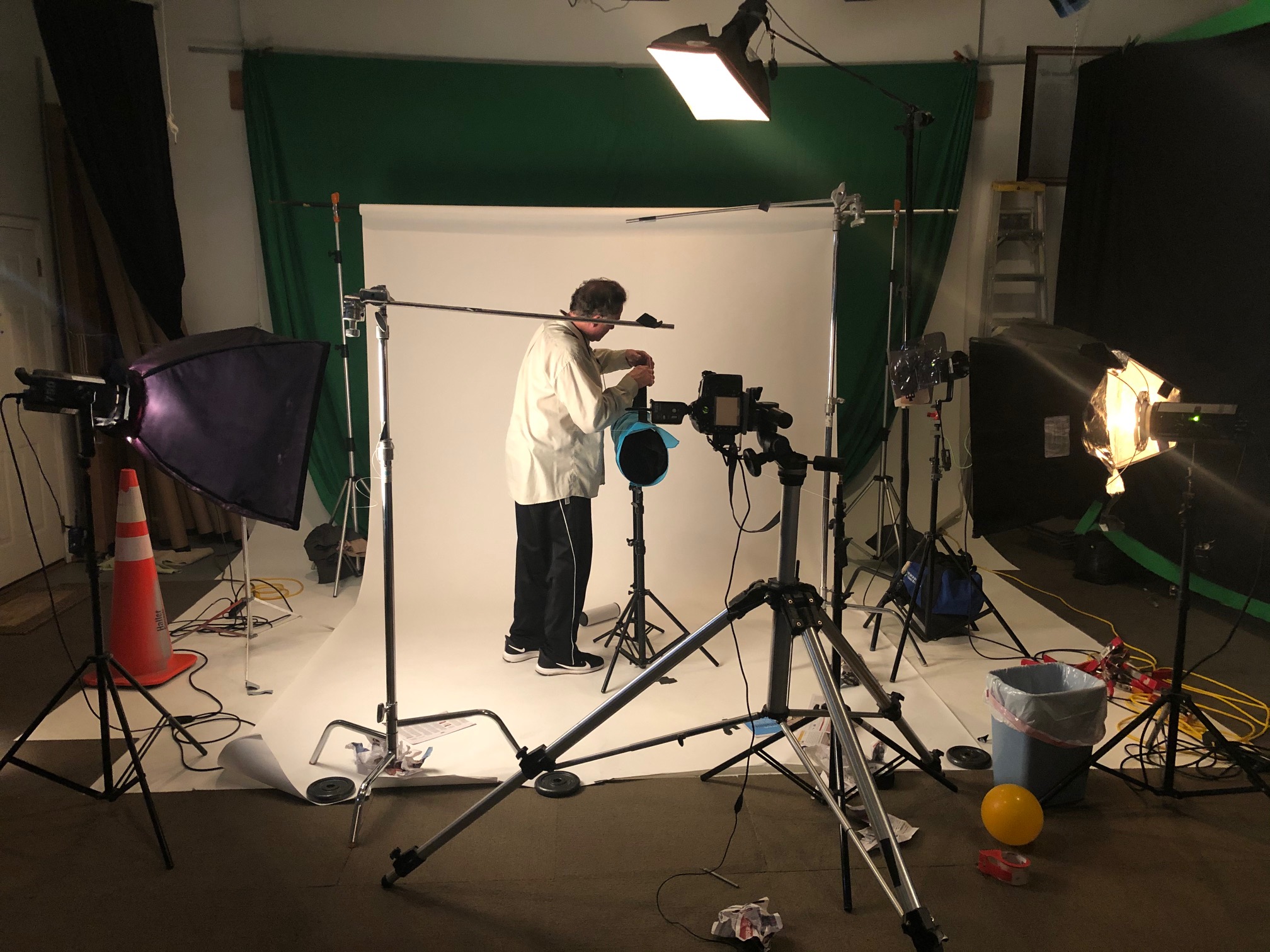
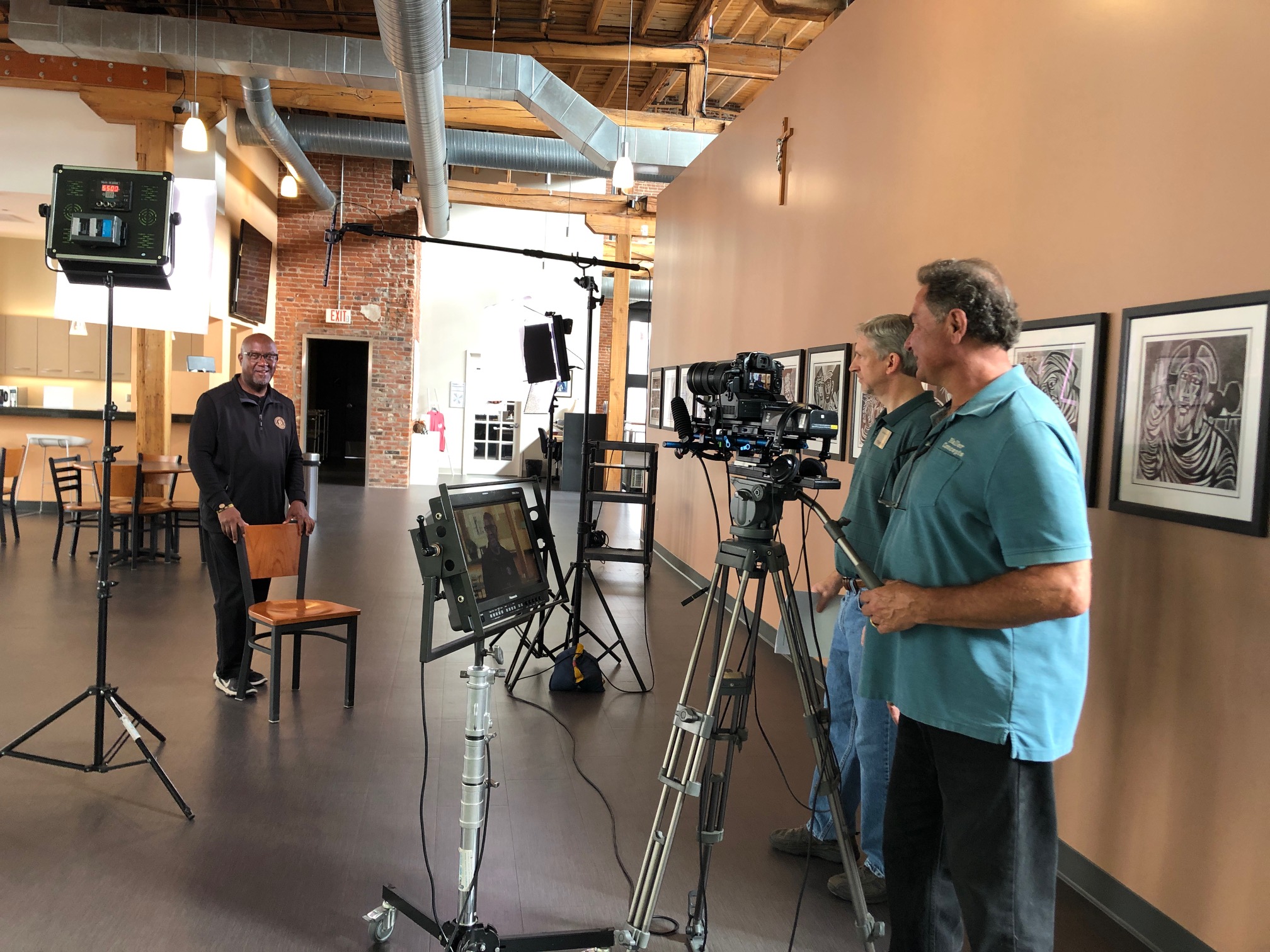
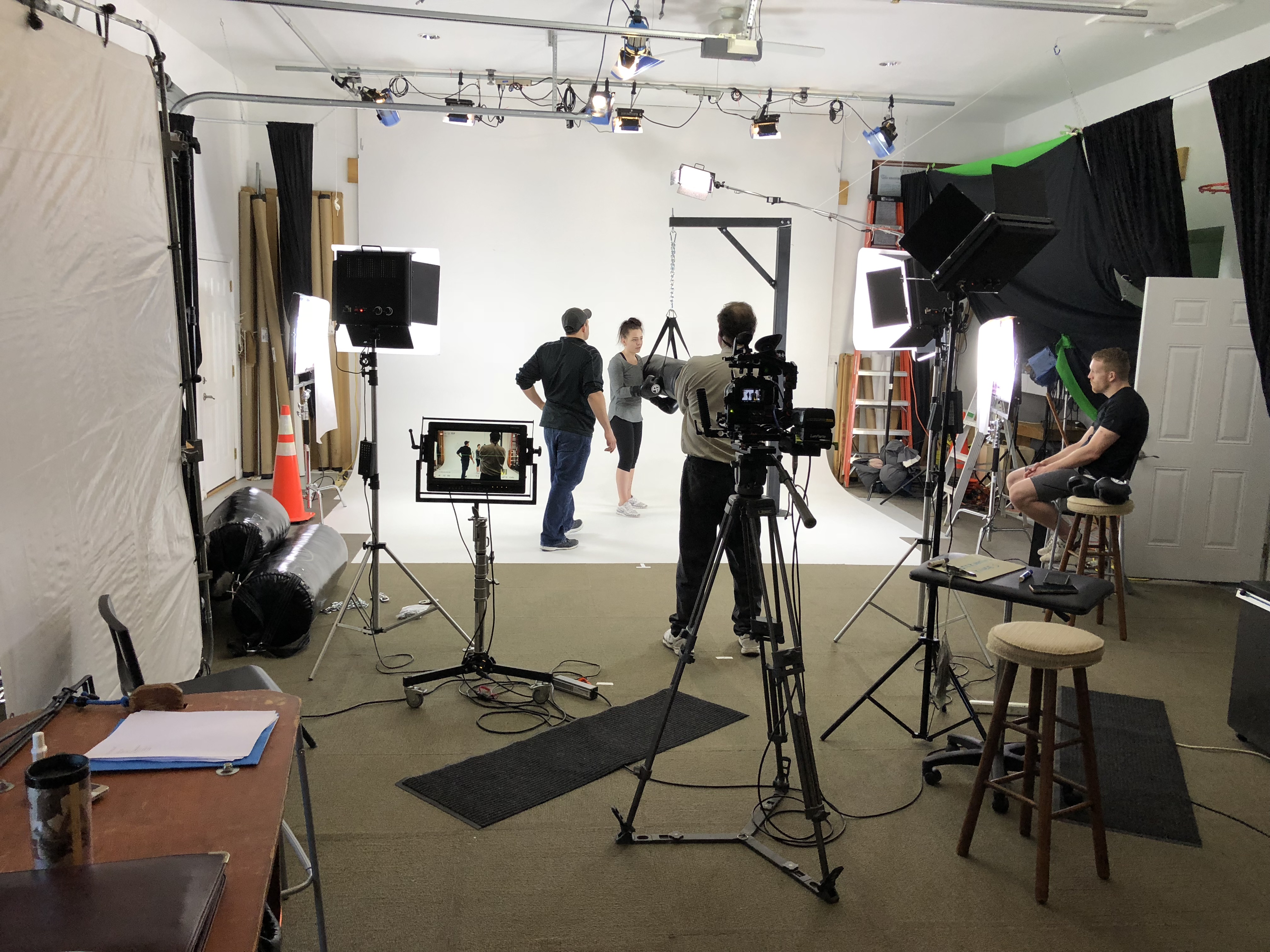
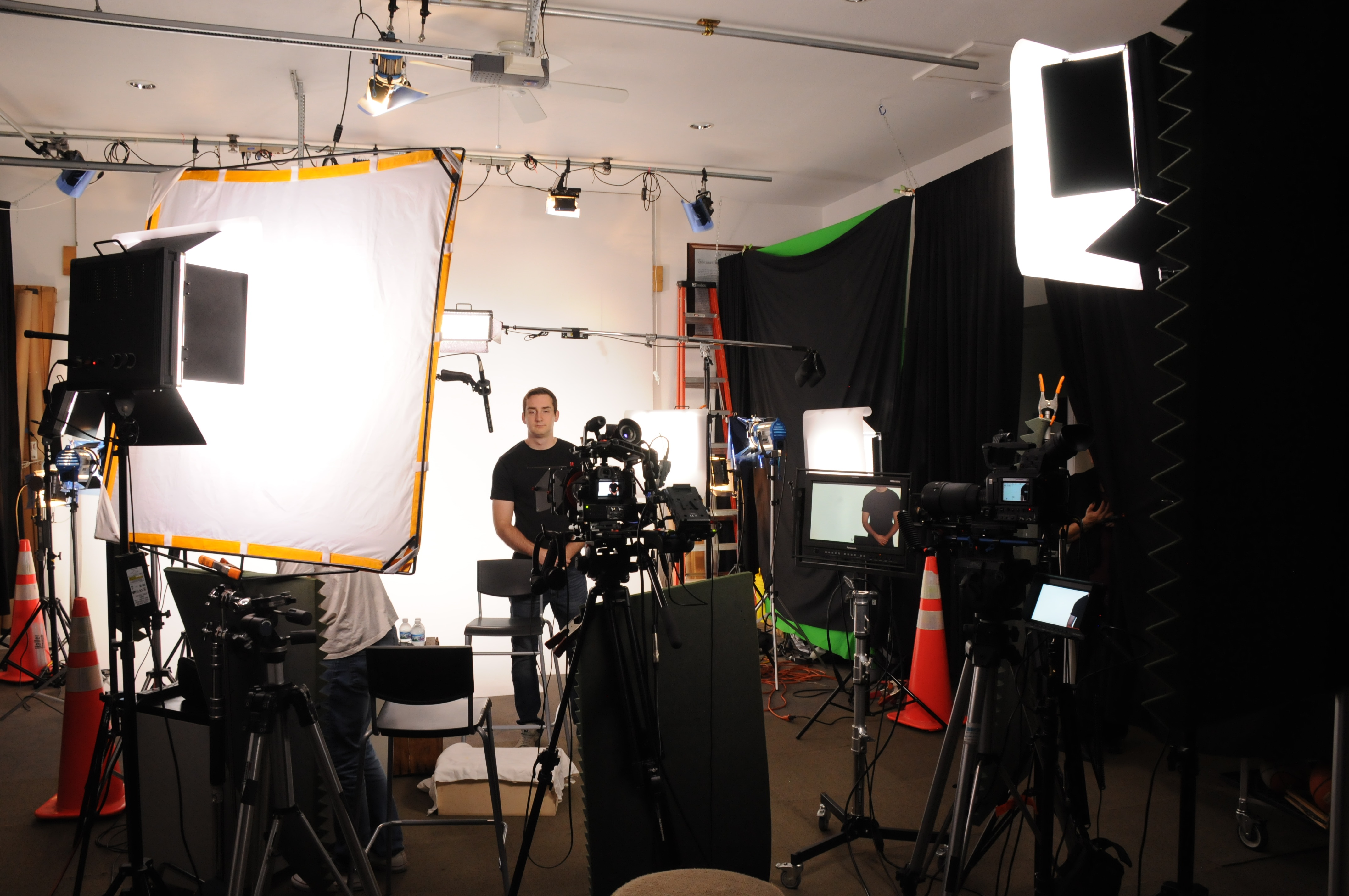
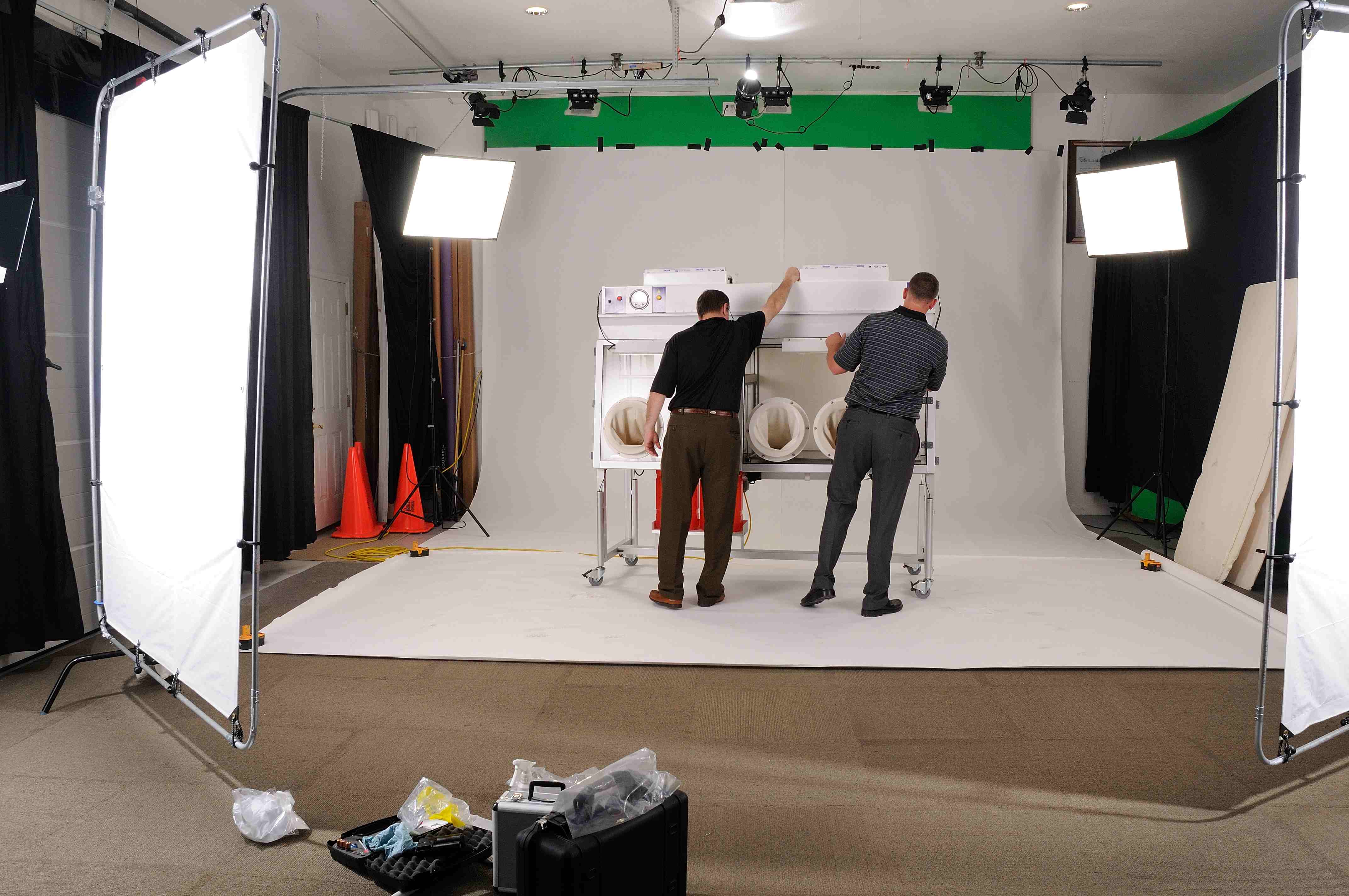
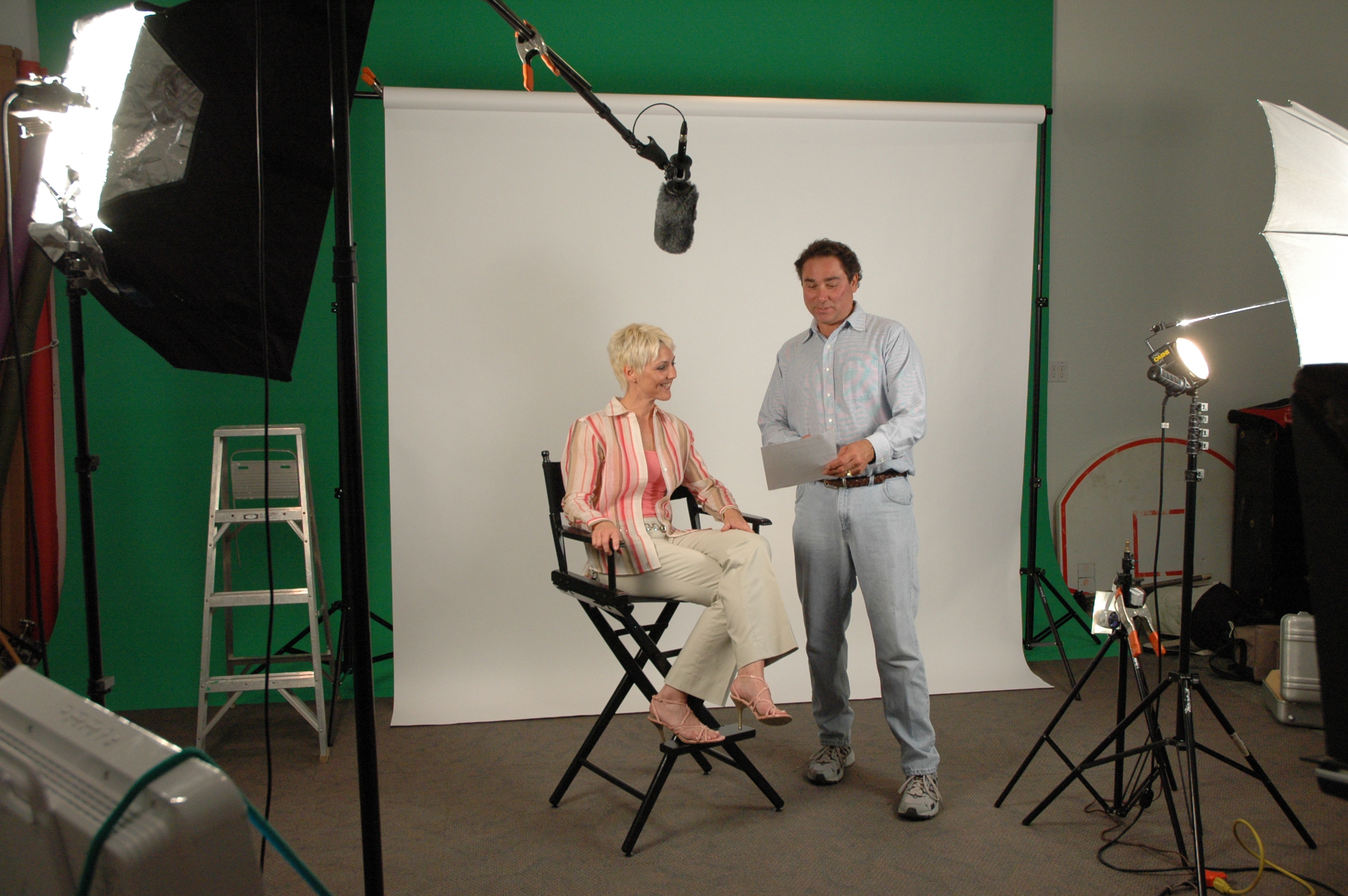
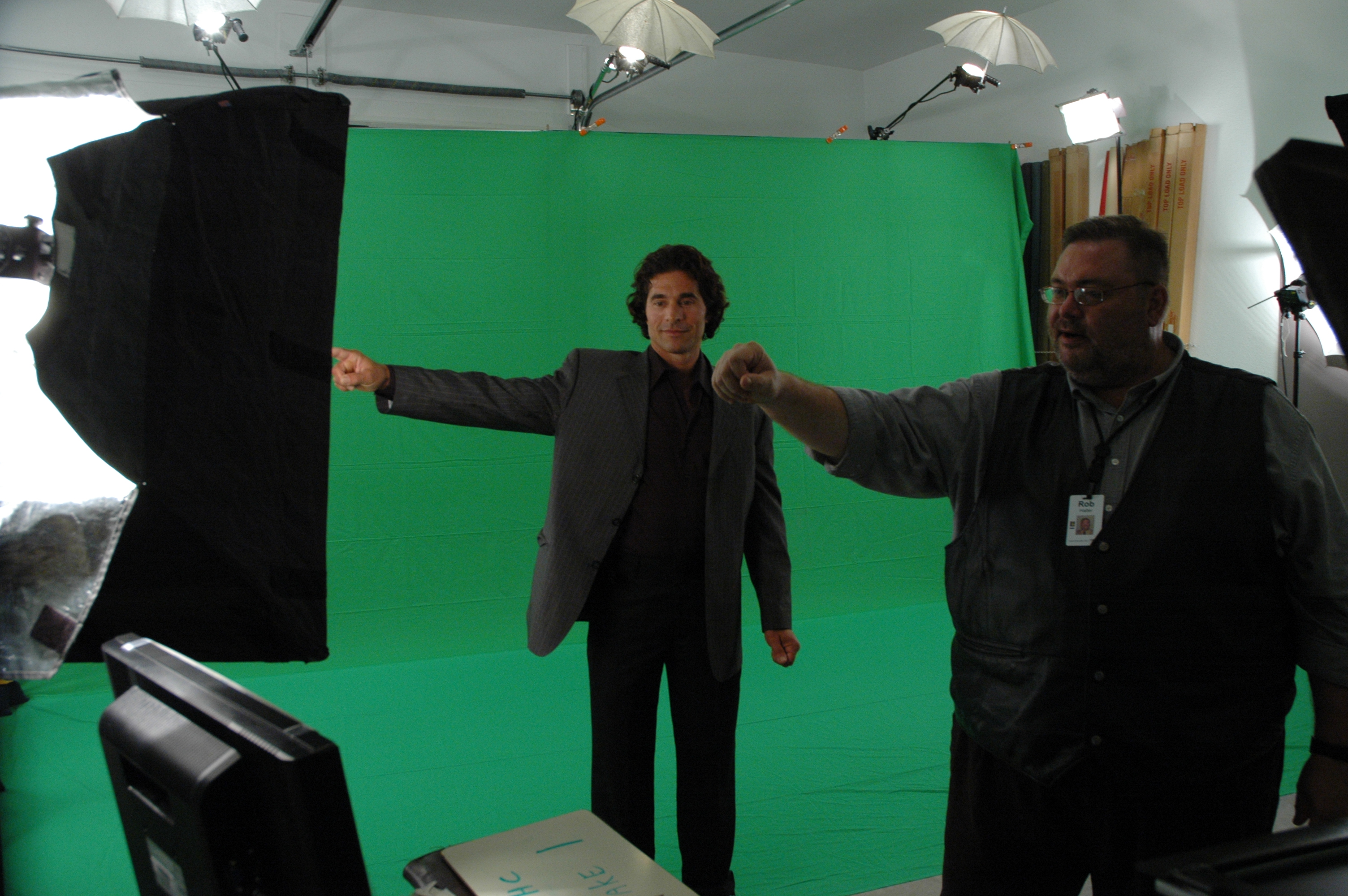
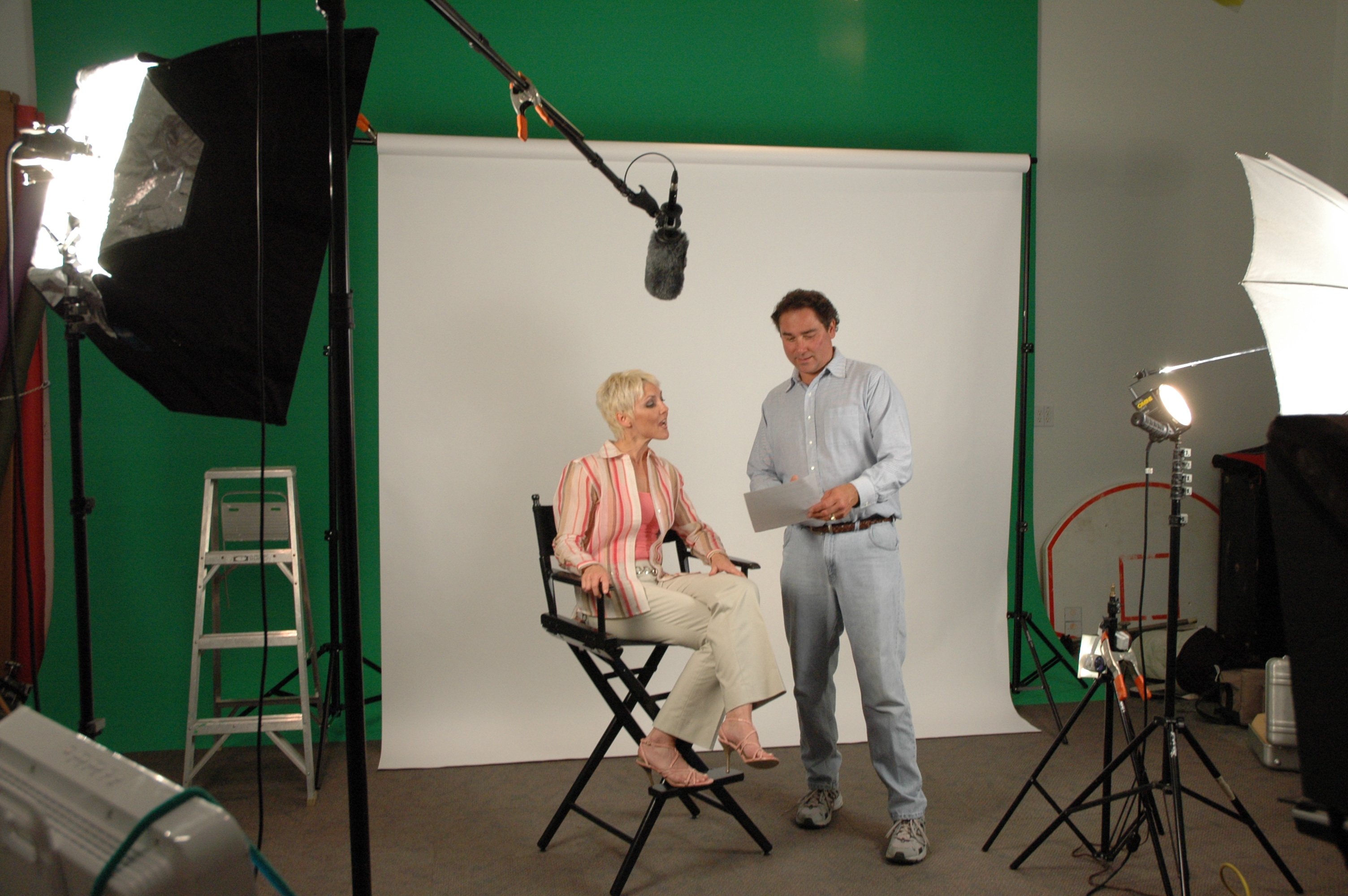
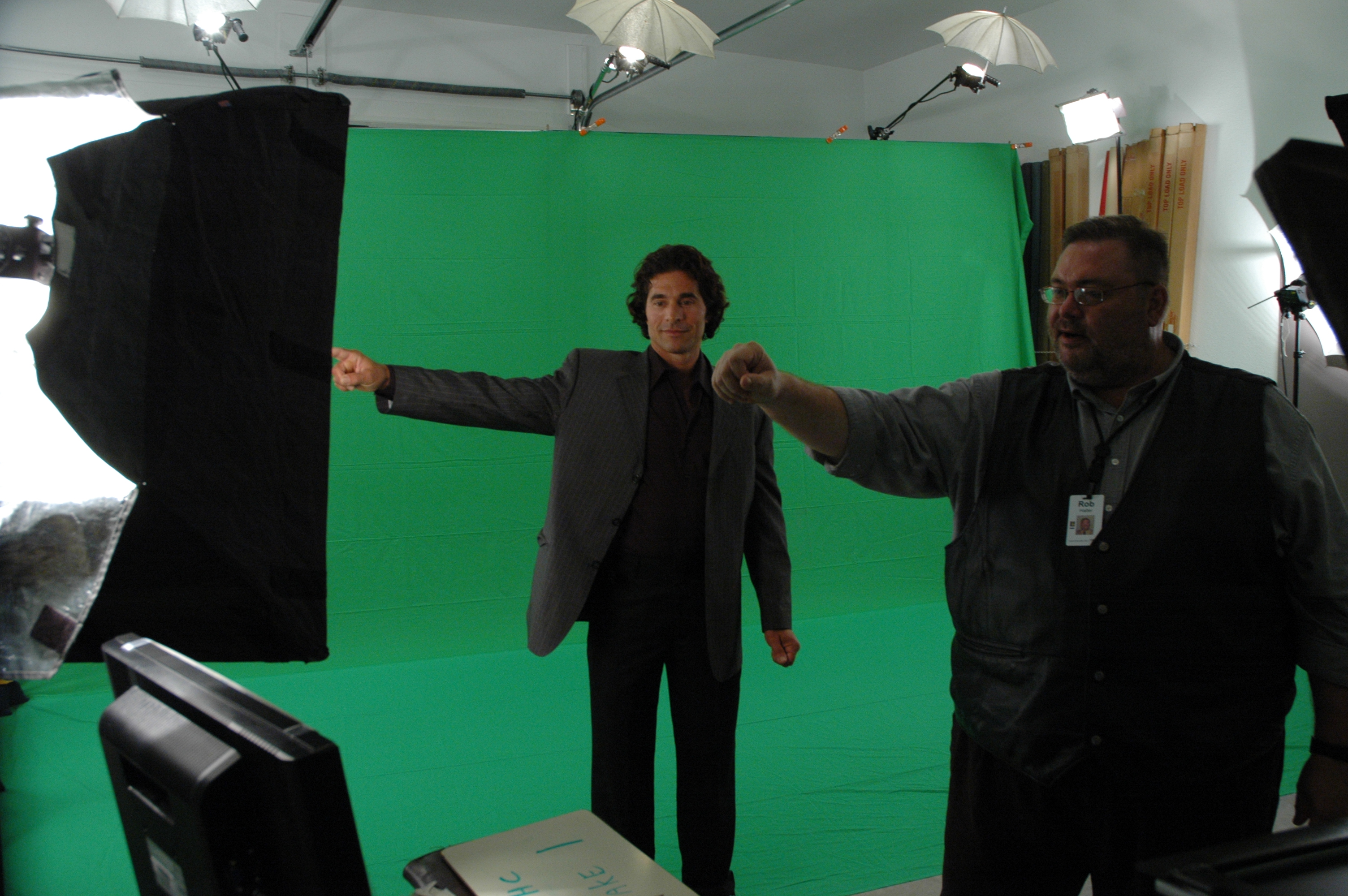
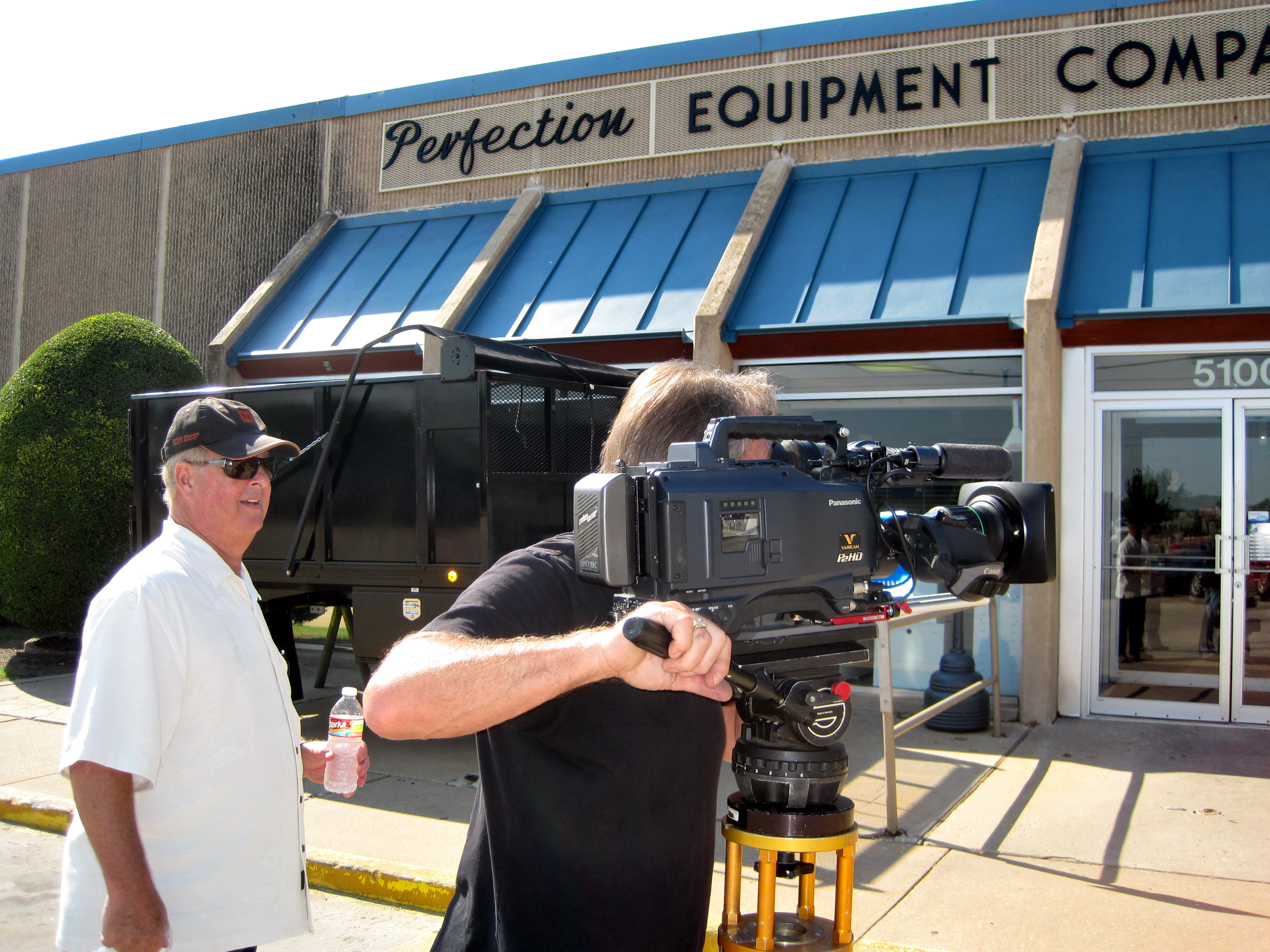
Our private studio lighting and visual setup is ideal for small productions, corporate headshots, business portraits, interview scenes, and social media video clips. Our studio is large enough to incorporate props and create a more complete set when needed. We support every aspect of production, from setting up a private custom interview studio to supplying professional sound and camera operators, providing the right equipment, scouting locations, and capturing b-roll.
St Louis Corporate Photographers also provides licensed drone services, specialized indoor FPV drone flight, infrared thermal imaging, orthomosaics, and LiDAR services for projects requiring advanced visual documentation.
As a full-service video and photography production corporation since 1982, St Louis Corporate Photographers has worked with many businesses, marketing firms, and creative agencies throughout the St. Louis area for marketing photography, corporate video production, professional headshots, social media clips, branded content, and business visual communications.












































 St Louis Corporate Photographer