Drone FLIR Thermal Imaging: A Smarter Way to Inspect Your Commercial Buildings

When you manage or market commercial properties, you’re constantly balancing risk, cost, and uptime. Roof leaks, failing insulation, overloaded electrical components, or hidden moisture don’t just threaten your building—they threaten your operations, your tenants’ trust, and your brand.

Drone-based FLIR infrared thermal imaging gives you a fast, safe, and highly detailed way to see problems before they become emergencies. For property owners, facility managers, and marketing leaders, it’s becoming an essential part of a modern building health strategy.

In this article, we’ll unpack how drone FLIR thermal imaging works, where it adds the most value, and what to expect from a professionally executed inspection.


What Is Drone FLIR Infrared Thermal Imaging?

FLIR (Forward Looking Infrared) is a leading thermal imaging technology that visualizes heat instead of visible light. When we pair a FLIR thermal camera with a professional drone platform, we can capture high-resolution thermal data from angles and heights that would be difficult, dangerous, or impossible for a human inspector to reach.

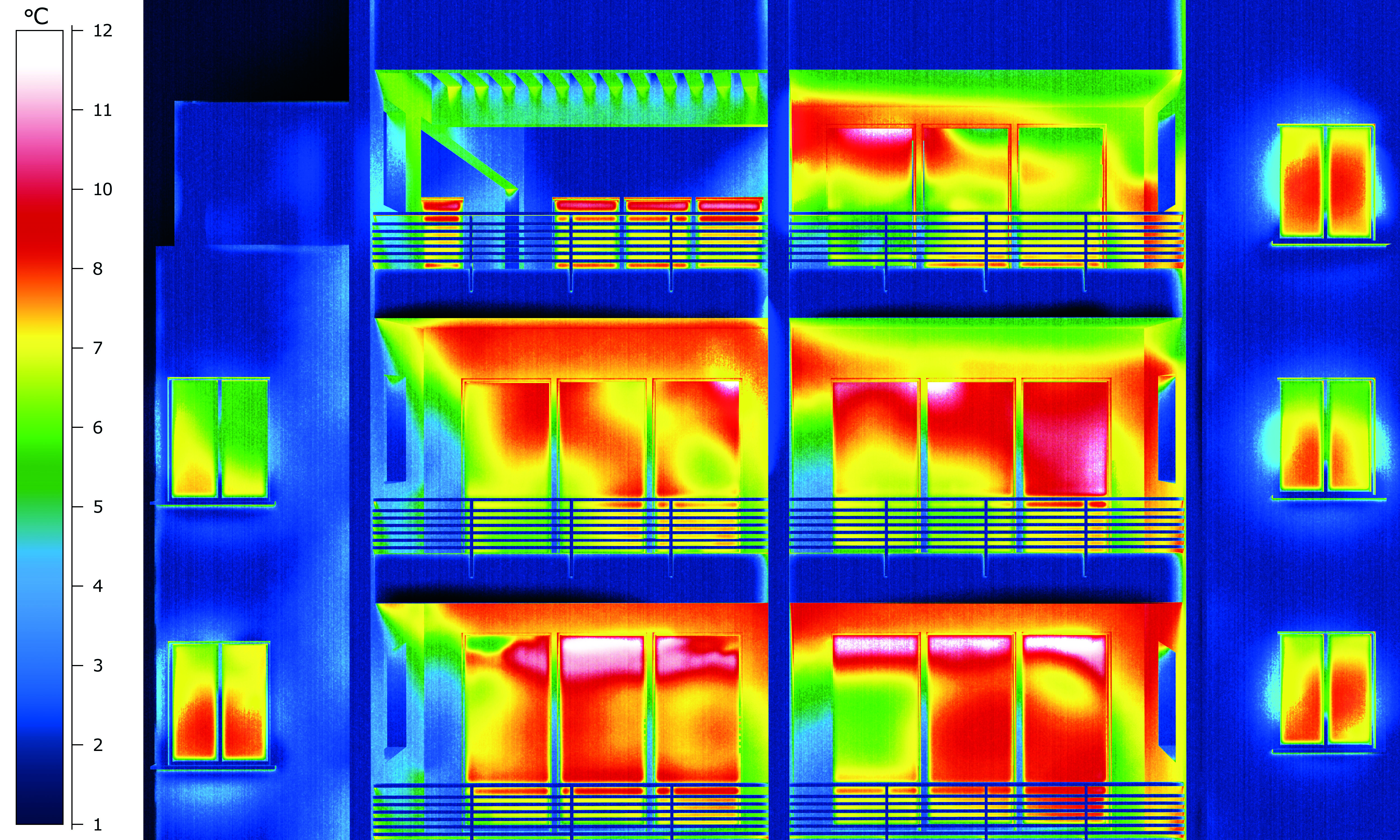
Unlike a handheld infrared scanner that samples a few spots, drone thermal imaging can cover an entire building envelope quickly, producing detailed thermal maps that reveal:

  • Temperature anomalies
  • Moisture intrusion patterns
  • Insulation gaps
  • Hot spots in electrical and mechanical systems

This isn’t guesswork. It’s quantifiable, visual data you can share with your facilities team, engineers, executives, and stakeholders.


Why Thermal Drone Inspections Matter for Commercial Buildings

1. Proactive Asset Management

Commercial roofs, façades, and mechanical systems are high-value assets. Traditional inspections typically rely on:

  • Visual observation from the ground
  • Limited roof walks (often unsafe or incomplete)
  • Reactive service calls after a leak appears

Drone FLIR thermal imaging flips that model to proactive maintenance:

  • Identifies trapped moisture before it penetrates ceilings
  • Flags insulation failures before they drive up energy bills
  • Catches overheating electrical components before they fail

This gives you a defensible maintenance roadmap and helps extend the life of your building systems.

2. Safety and Risk Reduction

Any time a person climbs a ladder, walks a steep roof, or navigates around rooftop equipment, you’re accepting risk—both for individuals and for your organization.

Drone thermal inspections:

  • Minimize time spent on ladders and roofs
  • Reduce fall risk and OSHA concerns
  • Allow inspection of difficult or unsafe areas (steep slopes, skylights, fragile surfaces)

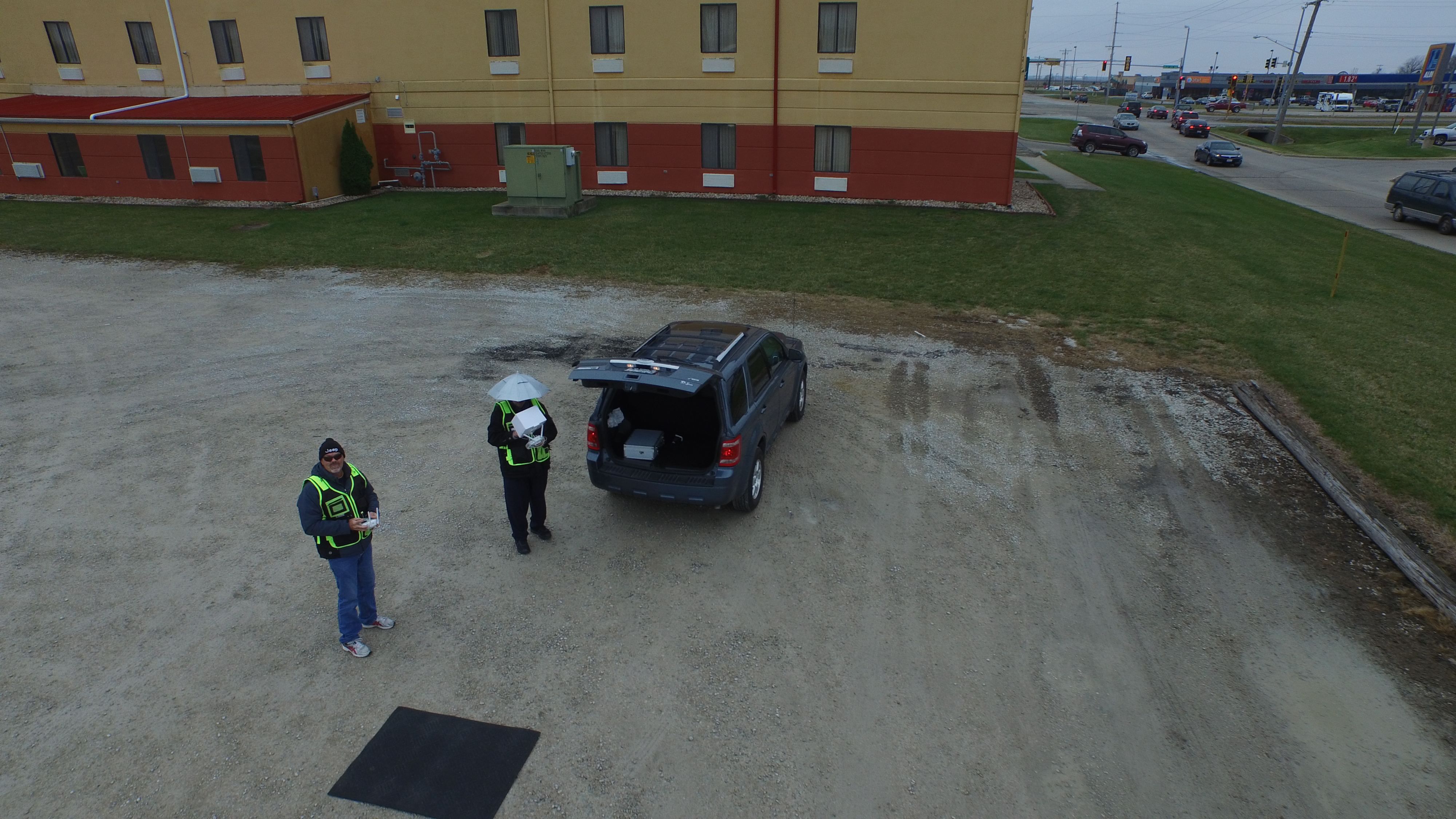
In many cases, we can complete a full initial thermal scan without anyone setting foot on the roof.

3. Operational Efficiency and Speed

A comprehensive manual inspection of a large commercial building can take days, sometimes longer, especially if you rely on multiple contractors. With drone FLIR imaging:

  • Large roofs and building exteriors can be scanned in a fraction of the time
  • Multiple building sections can be documented in a single mission
  • You receive both visual and thermal data in a structured format that’s easy to review and share

The result: less disruption to your operations, tenants, and facility teams.


Where Drone FLIR Imaging Delivers the Most Value

Roof Moisture and Leak Detection

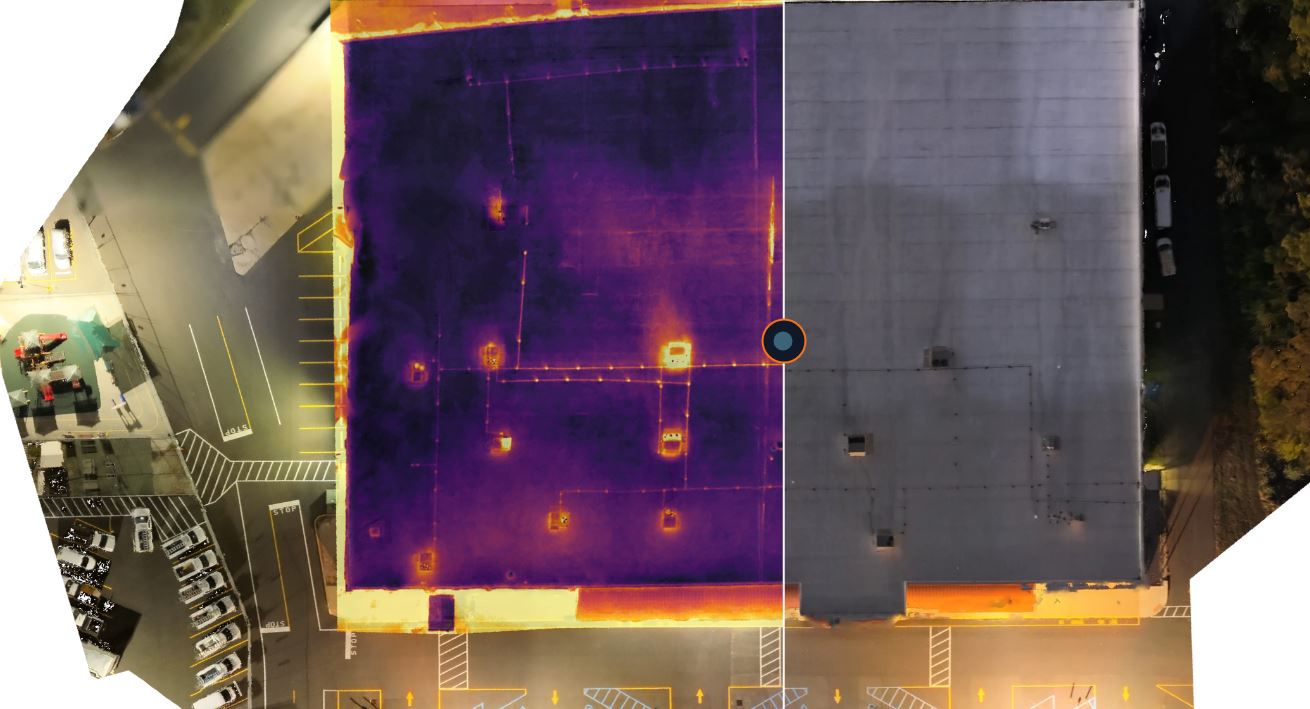
Flat and low-slope roofs are especially vulnerable to hidden moisture. Water often migrates laterally within the roofing system, making the visible leak location different from the source.

Thermal drone imaging helps you:

  • Pinpoint areas of saturated insulation
  • Identify compromised sections of membrane or flashing
  • Prioritize targeted repairs instead of full replacement
  • Provide supporting documentation to roofing contractors and insurers

This saves capital by focusing work on actual problem areas instead of over-replacing.

Building Envelope and Insulation Performance

Heat loss in winter and heat gain in summer can significantly affect operating costs. A thermal scan of walls, windows, and rooflines can reveal:

  • Insulation gaps or voids
  • Air leakage around window and door assemblies
  • Thermal bridging at structural elements
  • Poorly sealed penetrations and ductwork

Once identified, these issues can be addressed strategically as part of an energy efficiency plan or capital improvement project.

HVAC and Mechanical Systems

Drone thermal inspections can be used to visually assess rooftop units and related mechanical infrastructure:

  • Imbalanced temperature patterns across coils or condensers
  • Signs of restricted air flow or partial failure
  • Excessive heat around motors, bearings, or fan assemblies

When combined with visual imagery, this data helps maintenance teams schedule repairs before a unit fails during peak demand.

Electrical and Solar (PV) Systems

Thermal imaging is a proven tool for identifying electrical issues:

  • Overheating breakers, bus bars, or connections
  • Undersized or overloaded conductors
  • Hot spots within electrical cabinets (viewed safely from a distance)

For solar arrays, drone-based FLIR imaging helps detect:

  • Faulty panels or strings
  • Soiling patterns and shading impacts
  • Inverter and connection anomalies

Early detection protects both safety and production performance.


How a Professional Drone Thermal Inspection Works

1. Pre-Planning and Flight Design

We begin with a discovery conversation and a review of your site:

  • Building footprints, roof layout, and heights
  • Known problem areas and history of leaks or failures
  • Operational limitations and safety considerations

From there, we design a flight plan that ensures full coverage, proper overlap for post-processing, and compliance with FAA regulations and local airspace rules.

2. On-Site Preparation and Safety

On the day of the inspection, we:

  • Conduct a pre-flight safety briefing
  • Review the flight plan with stakeholders or facility staff
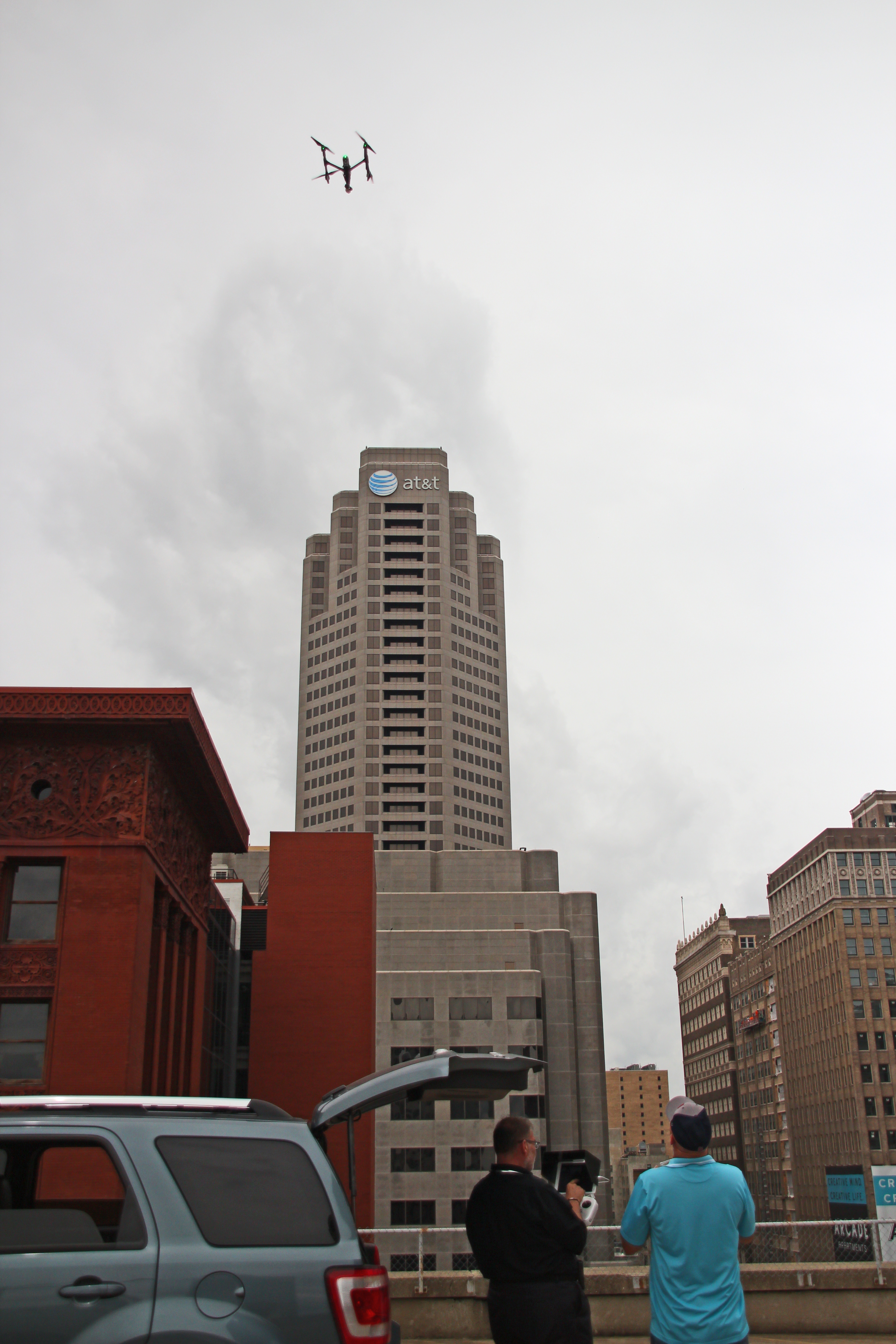
  • Establish safe takeoff and landing zones
  • Verify weather and environmental conditions are appropriate for thermal work

Temperature differentials between interior and exterior surfaces are critical for quality thermal data, so we schedule flights when conditions are optimal.

3. Data Capture: Thermal and Visual

Our flight operations capture both:

  • Thermal imagery (from FLIR radiometric cameras for accurate temperature data)
  • High-resolution visual imagery (RGB) for context and documentation

We typically fly grid patterns at defined altitudes to ensure consistent coverage. For complex areas, we may complement aerial data with closer passes or indoor flights where appropriate.

4. Post-Production and Analysis

After the flight, we:

  • Organize and calibrate thermal imagery
  • Align thermal images with visual photos and building plans
  • Use advanced software and AI-assisted tools to analyze anomalies, temperature gradients, and patterns

AI helps accelerate pattern recognition, unify datasets, and enhance clarity of reports, but human expertise still leads the interpretation, especially for nuanced building and roofing conditions.

5. Reporting and Actionable Recommendations

You receive a structured deliverable that may include:

  • Thermal maps of roofs, walls, and building sections
  • Side-by-side thermal and visual image pairs
  • Annotated images highlighting areas of concern
  • Summary of findings and suggested next steps

This report becomes a living document that you can share with executives, facility management, roofing contractors, and insurers.


Marketing, Documentation, and Stakeholder Communication

Beyond maintenance and engineering, thermal drone data has value for your marketing and communications teams:

  • Demonstrate proactive stewardship of facilities and infrastructure
  • Support ESG and sustainability reporting with concrete visuals
  • Show tenants and investors you’re investing in building health and efficiency
  • Create visual assets that simplify technical discussions for non-technical stakeholders

Professionally produced thermal and visual imagery can be repurposed for presentations, investor decks, annual reports, and digital communication.


What to Look for in a Drone Thermal Imaging Partner

Not all drone operators or photographers are equal when it comes to commercial building inspections. When evaluating partners, consider:

  • Experience with commercial and industrial facilities – Not just “pretty aerial photos,” but real inspection-grade work.
  • Radiometric thermal capability – Ability to capture and interpret actual temperature data, not just colorful images.
  • Workflow and deliverables – Clear reporting, organized data, and formats that your teams and vendors can actually use.
  • Safety and compliance – Licensed pilots, liability coverage, and familiarity with FAA regulations and local operating requirements.
  • Integration with your broader visual strategy – Ability to support not just inspections, but also brand storytelling and marketing content about your facilities and capabilities.

When you can consolidate inspections, photography, video, and post-production under one experienced provider, you gain consistency, efficiency, and a stronger visual narrative about your organization.


Why Partner with St. Louis Corporate Photographer for Drone FLIR Thermal Inspections

Drone-based FLIR infrared thermal imaging is most powerful when it’s integrated into a broader visual and technical strategy for your buildings. That’s where an experienced, full-service team makes a difference.

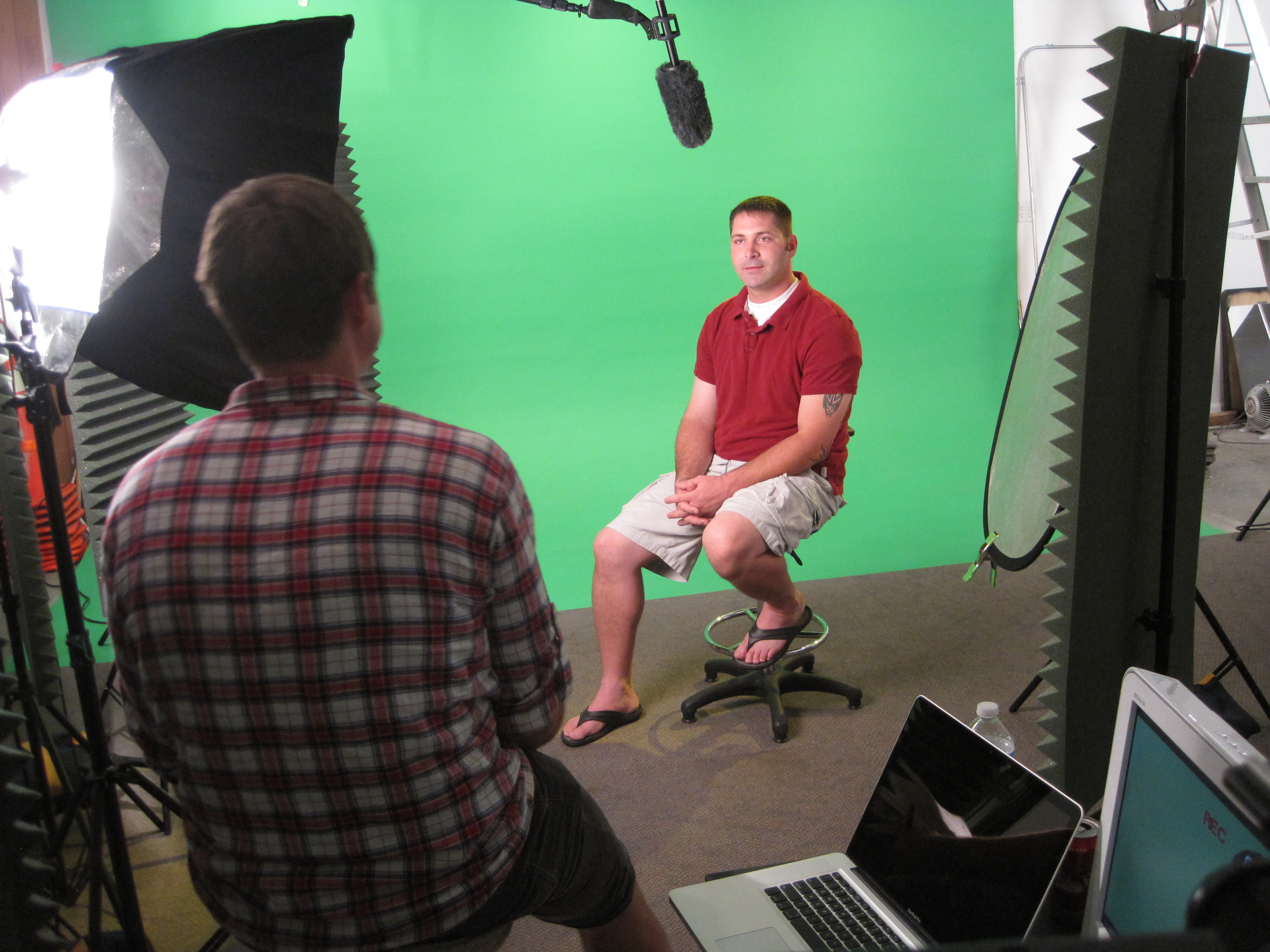
St. Louis Corporate Photographer is a full-service professional commercial photography and video production company with the right equipment and creative crew service experience for successful image acquisition. We offer full-service studio and location video and photography, as well as editing, post-production and licensed drone pilots. St. Louis Corporate Photographer can customize your productions for diverse types of media requirements. Repurposing your photography and video branding to gain more traction is another specialty. We are well-versed in all file types and styles of media and accompanying software. We use the latest in Artificial Intelligence for all our media services. Our private studio lighting and visual setup is perfect for small productions and interview scenes. Our studio is large enough to incorporate props to round out your set. We support every aspect of your production—from setting up a private, custom interview studio to supplying professional sound and camera operators, as well as providing the right equipment—ensuring your next video production is seamless and successful. We can fly our specialized drones indoors. As a full-service video and photography production corporation, since 1982, St. Louis Corporate Photographer has worked with many businesses, marketing firms and creative agencies in the St. Louis area for their marketing photography and video.

If you’re ready to add drone FLIR thermal imaging to your commercial building inspections—and tie that data into a cohesive visual story for your stakeholders—our team is ready to help.

314-913-5626

stlouiscorporatephotographer@gmail.com

Custom Photography vs. Stock: Cost, Control, and Brand Risk for Service Brands

If your company sells a service—IT support, healthcare, professional consulting, logistics, facilities, engineering—the “product” prospects evaluate is trust. Images are often the first proof of that trust. The question I hear constantly from marketing directors: “Do we invest in custom photography, or can we move faster with stock?” The right answer isn’t dogma; it’s a decision framework—balancing cost, control, and brand risk against speed and campaign goals. Here’s a practical, expert guide built from decades producing corporate visuals that convert.


Executive Summary (for busy stakeholders)

  • Stock is efficient for low-stakes, short-life assets (internal decks, early mockups, blog filler, social A/B tests).
  • Custom photography wins when you need ownable brand IP, legal clarity, consistent style across channels, and visual proof of your real people, processes, and locations.
  • Hidden costs and brand risk often flip the math: licensing traps, look-alike competitors, misrepresentation, and compliance issues (HIPAA, safety PPE, manufacturing protocols, accessibility) can push stock from “cheap” to “expensive.”

Cost Realities: Sticker Price vs. Total Cost of Ownership (TCO)

Direct costs

  • Stock: License fee per image or subscription. Upside: immediate availability. Downside: extended licenses (OOH, high-impression ads, templates, paid social) quickly escalate costs.
  • Custom: Day rate(s), crew, gear, studio/location, permits, edit/post. Upside: you typically own much broader rights and master files for long-term reuse.

Hidden costs

  1. License compliance effort: Time to track where each stock asset is used, by whom, and for how long.
  2. Re-cropping & re-touching fees: Some stock licenses restrict edits, templates, or AI-based transformations.
  3. Inconsistent style tax: Mixing stock aesthetics with your owned visuals increases design labor to unify look/feel.
  4. Replacement cost: When a competitor runs the same hero image, you’ll pay again—creative time, layouts, and possible re-prints.
  5. Opportunity cost: Generic imagery underperforms on conversion pages where buyers need proof (case studies, facilities pages, “Meet the Team,” recruiting).

A simple ROI lens

  • Pages with evidence imagery (your technicians, labs, trucks, clinics, manufacturing cells) typically outperform generic stock on high-intent traffic because the visuals reduce perceived risk. If your conversion rate lifts even modestly, custom quickly pays for itself over a content calendar.

Control: Creative Direction, Consistency, and Compliance

Brand Control

  • Stock: You control selection and crop, but not who else uses it. You inherit the photographer’s lighting, perspective, and casting choices—often at odds with your brand guidelines.
  • Custom: You control subject matter, wardrobe, safety compliance, DEI casting, set cleanliness, background branding, and visual hierarchy. We build shot lists aligned to your funnel: hero banners, service-process sequences, culture portraits, and vertical-first short-form video cut-downs.

Style Consistency

  • Stock is a patchwork quilt. Cohesion requires design effort and still rarely feels unified.
  • Custom yields a brand style library: repeatable lighting, lensing, color grading, and composition rules that scale across web, print, social, trade shows, and recruitment.

Regulatory/Safety

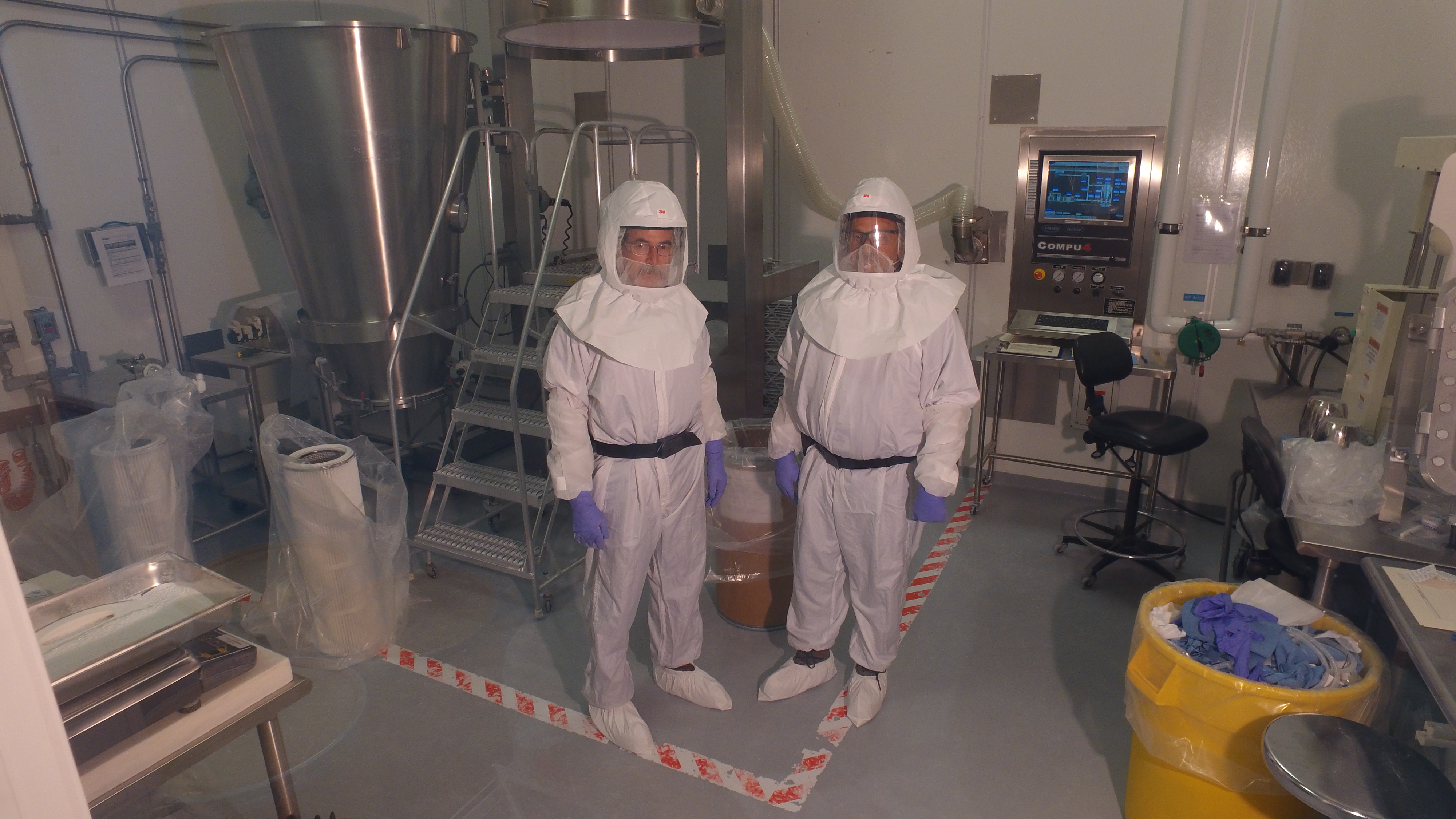
  • Stock often misses details that matter to auditors and sophisticated buyers: proper PPE, lockout/tagout indicators, sterile fields, HIPAA-safe contexts, or chain-of-custody cues.
  • Custom can be designed to pass compliance review the first time.

Brand Risk: The Part Everyone Underestimates

  1. Look-Alikes and Competitor Collisions
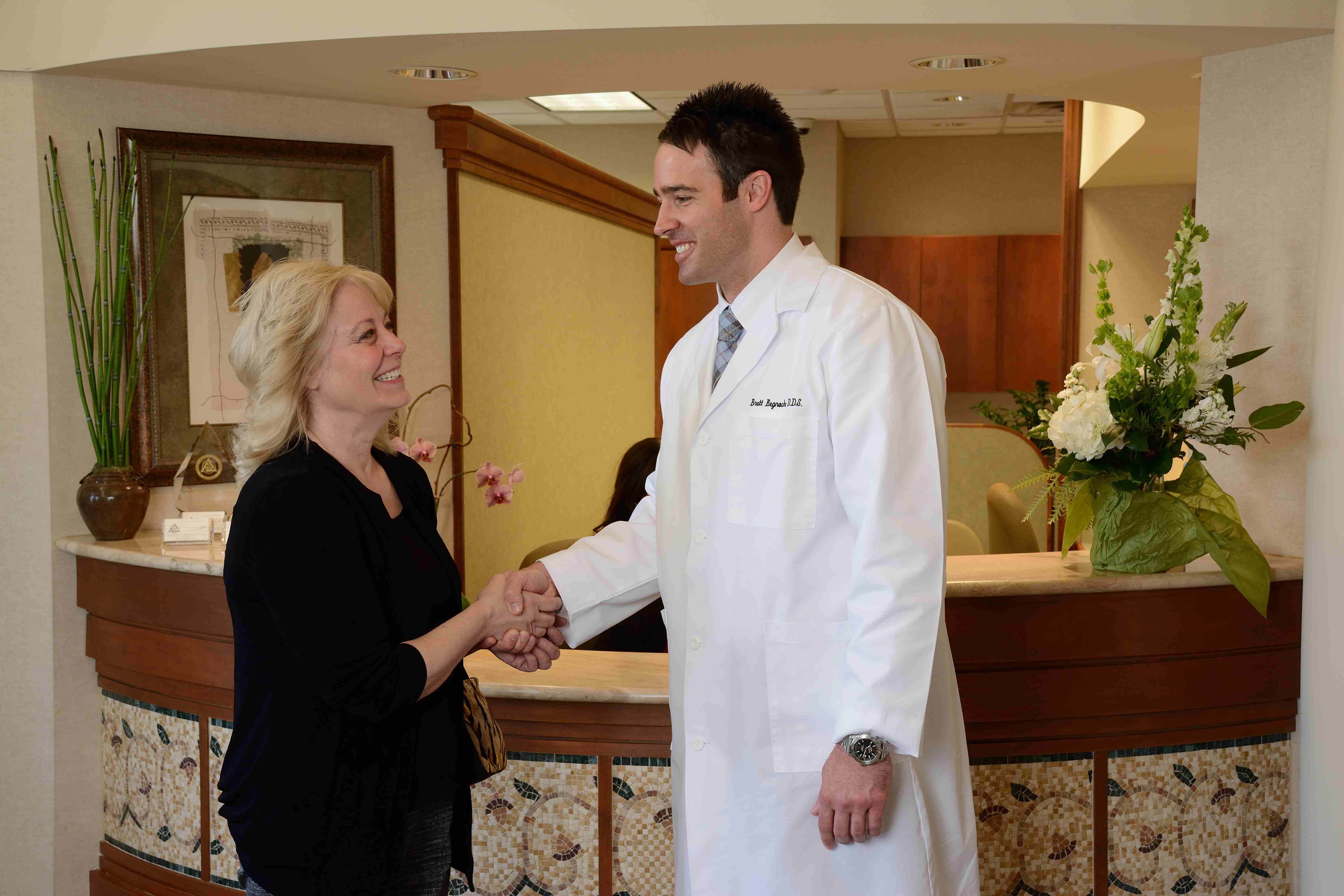
    The same “smiling headset agent” or “handshake in the lobby” devalues your differentiation. If a prospect has seen that image on another site, credibility erodes.
  2. Representation Misfires
    Stock can unintentionally telegraph the wrong geography, facility type, or workforce makeup. Today’s buyers notice.
  3. Legal Ambiguity
    • Editorial vs. commercial license confusion
    • Releases not fit for your jurisdiction
    • Prohibited uses (biometric editing, logo visibility, generative AI reworks)
    • Duration/territory exclusions that clash with campaign realities
  4. AI & Content Authenticity
    Many stock marketplaces now mix real, 3D, and AI-generated content. Without provenance controls, you risk using visuals that are flagged by clients, journalists, or platforms. With custom, you can embed Content Credentials (C2PA) and maintain a clear audit trail.

When Stock Makes Sense (and How to Use It Wisely)

  • Early-stage wireframes and layouts
  • Blog posts where the image is decorative, not evidence
  • Low-stakes organic social or internal newsletters
  • Filler thumbnails for fast iteration

Best practices

  • Maintain a license log (URL, campaign, start date, term, territory, impressions).
  • Prefer non-exclusive stock with restricted distribution when possible.
  • Avoid faces in conversion-critical placements; choose textures, abstractions, or macro details to reduce recognizability.
  • Run reverse-image checks on hero assets to see current usage saturation.

When Custom Is the Clear Choice

  • Homepage hero and core service pages
  • Case studies, proposals, RFP responses
  • Recruitment and culture hubs
  • Tradeshow booths, large-format print, OOH
  • Regulated or technical workflows (healthcare, manufacturing, utilities, aviation)
  • Any time visual proof reduces buyer risk

Deliverables that scale

  • Modular shoot plans: Portraits + action + processes + environments + details, designed to feed 6–12 months of campaigns.
  • Aspect ratio coverage: 16:9, 4:5, 1:1, 9:16 captured on set—no painful crops later.
  • Motion-first capture: Short b-roll + micro-interviews for social, recruiting, and product explainers.
  • Template-ready framing: Space for copy and CTAs baked into composition.

The Decision Matrix (Use This Before Your Next Campaign)

Ask these five questions:

  1. Is this asset proof or decoration?
    • Proof = Custom. Decoration = Stock can work.
  2. How public and persistent is the placement?
    • High-visibility or evergreen = Custom reduces risk.
  3. Are there compliance or accuracy requirements?
    • If yes, custom. We control PPE, signage, process.
  4. Do we need consistent style across channels?
    • If yes, build a custom library and a short style guide.
  5. What’s the lifecycle value?
    • If the asset will be reused across sales, HR, PR, and paid, custom’s TCO is usually lower within a quarter.

Practical Budgeting: How to Buy Once, Use Many Times

Plan the library, not just the shoot.

  • Map your customer journey: awareness, consideration, decision, onboarding, advocacy.
  • For each stage, list the visuals that reduce friction: team expertise, process evidence, safety, scale, outcomes.

Stack efficiencies

  • Combine headshots, environment portraits, and process stills in one schedule block.
  • Capture b-roll for recruiting and social while lighting is already dialed.
  • Use indoor drone moves for dynamic facility reveals and unique vantage points without disrupting operations.

Rights & Governance

  • Commission with broad commercial rights and model/property releases covering digital, print, paid, and derivative edits (including AI-assisted variations).
  • Embed C2PA credentials for provenance and maintain a central asset index with tags, usage notes, and expiration dates.

Creative Guardrails for Service Brands

  • People over props: Feature your real teams, supervisors, and clients (when permissible).
  • Detail parity: If your service is complex, show the details (labels, instruments, dashboards) that experts recognize.
  • Safety and inclusion: PPE and signage must be correct; represent the diversity of your workforce and customers authentically.
  • Lighting language: Define a repeatable look—soft directional key, controlled practicals, modest contrast—for recognizability.
  • Motion snippets: 5–8 second loops for social and web UI add perceived quality without heavy post.

Sample One-Day Shoot Plan (Built for a 6–12 Month Library)

Pre-production (1–2 weeks prior)

  • Shot list, schedule, permissions, releases, wardrobe, safety review
  • Visual style brief + reference frames
  • Location tech scout; identify drone paths (including indoor drone routes)

Production (1 day)

  • Team portraits (on-brand background, tethered for approvals)
  • Service in action (two key processes, wide + medium + detail)
  • Environment plates (lobby, trucks, labs, shop floor, server rooms)
  • Culture moments (stand-ups, collaboration, toolbox talks)
  • Indoor drone passes for dynamic scene-setters
  • B-roll clips for web headers, recruiting, and case study intros

Post-production (3–10 days)

  • Color-consistent master set
  • Crops for web/social templates
  • Short motion edits (9:16 / 1:1 / 16:9)
  • Delivery with metadata, releases, and content credentials

Governance Checklist (Keep This in Your Brand Binder)

  • Master usage rights secured (commercial, worldwide, perpetual where possible)
  • Model & property releases on file
  • Safety/compliance sign-off (PPE, signage, patient/customer privacy)
  • C2PA credentials embedded
  • Asset index with tags, licenses, expiry dates
  • AI transformation policy (permitted edits, disclosure rules)
  • Accessibility check (alt text, contrast in graphics, readable overlays)

What About AI-Generated Images?

AI is a speed tool, not a replacement for authenticity. Use it to prototype layouts, visualize concepts, replace non-critical backgrounds, or sketch storyboards. For credibility visuals—your people, facilities, equipment, and clients—capture the real thing and use AI for polish (cleanup, plate extension, object removal) while maintaining provenance.


Bottom Line

For service brands, images aren’t decorations; they’re evidence. Stock has a role in speed and experimentation, but the visuals that move revenue—trust-building proof, consistent brand language, and compliant process storytelling—come from custom production. When you model total cost and risk honestly, bespoke photography is very often the least expensive option you can’t afford not to choose.


About St Louis Corporate Photographer

Experienced St Louis Corporate Photographer is a full-service professional commercial photography and video production company with the right equipment and creative crew experience for successful image acquisition. We offer full-service studio and location video and photography, as well as editing, post-production, and licensed drone pilots. We can fly our specialized drones indoors for dynamic facility footage and unique perspectives without disrupting your operations.

Our team customizes productions for diverse media requirements and specializes in repurposing your photography and video branding to gain more traction across websites, social, recruitment, proposals, trade shows, and paid media. We’re well-versed in all file types, media styles, and accompanying software, and we use the latest Artificial Intelligence—from intelligent upscaling and cleanup to content credentials—for efficient, secure workflows. Our private studio lighting and visual setup is perfect for small productions and interview scenes, and our studio is large enough to incorporate props to round out your set.

As a full-service video and photography production corporation since 1982, St Louis Corporate Photographer has partnered with businesses, marketing firms, and creative agencies across the St. Louis region to create credible, conversion-ready brand libraries. We support every aspect of your production—from setting up a private, custom interview studio to supplying professional sound and camera operators, as well as providing the right equipment—ensuring your next video production is seamless and successful.

314-913-5626

stlouiscorporatephotographer@gmail.com

Easy Ways to Prep Your Venue for Professional Event Photography — A Field-Proven Playbook

As a corporate photographer and producer, I’ve learned that the best event images are won (or lost) before the first guest arrives. Venue prep is the single most controllable lever you have to elevate coverage from “documentation” to “brand asset.” Below is a practical, 30–60 minute playbook your team can run with any venue to ensure clean visuals, consistent lighting, and a friction-free shoot that yields more usable content for marketing, PR, and employer brand.


1) Walk the Space Like a Camera Will

Objective: Identify backgrounds that read “on-brand” and remove visual noise.

Do this:

  • Stand where key moments happen (stage, podium, step-and-repeat, registration, demo stations). Snap phone test shots to check sightlines and background clutter (exit signs, trash cans, fire extinguishers, off-brand sponsor banners, tangled cables).
  • Choose two hero backdrops per room: one wide scene-setter and one tight branded background. Mark them with gaffer tape for repeatable angles.
  • Reserve a 10’ × 12’ “portrait pocket.” This is a quiet corner with clean wall or branded backdrop for VIP headshots, award winners, or last-minute team photos.

Pro tip: A background that looks fine to the eye may look chaotic at f/2.8 under mixed color temperatures. Your phone test frames will reveal it.


2) Light With Intention (and Consistency)

Objective: Avoid “raccoon eyes,” color casts, and mixed color temperatures that complicate post.

Do this:

  • Unify color temperature. Ask the venue to match overheads to 3200K (tungsten) or 5600K (daylight). If that’s not possible, switch off problematic pockets (greenish fluorescents) where key moments occur.
  • Add controlled fill at stage and lectern. A low-power, high-quality LED panel 15° off axis cleans shadows and keeps skin tones consistent for stills and video.
  • Dim house lights slightly during keynotes. This protects highlights on screens while keeping faces readable.

Pro tip: Put a small piece of white gaffer tape on the lectern edge so speakers naturally step to the light. It’s invisible in photos and saves you from silhouettes.


3) De-Clutter Cables, Stands, and Signage

Objective: Reduce retouching and distractions that dilute your message.

Do this:

  • Cable management. Route runs along perimeter walls, then cross at 90° with low-profile ramps; never diagonally across sightlines.
  • Hide cases and carts. Designate one “gear graveyard” out of frame—behind stage drape, service corridor, or storage room.
  • Rationalize signage. Group sponsor logos into one “owned” wall rather than scattering small signs everywhere.

Pro tip: If you can’t move it, mask it—black drape, plants, or branded foam boards clean up backgrounds fast.


4) Design Your “Moment Map” (Shot List That Actually Works)

Objective: Translate the run-of-show into visual priorities with contingency plans.

Do this:

  • Tier A moments (must-capture): stage welcomes, CEO remarks, award handoffs, ribbon cuttings, product reveals, full-room wides, VIP groupings.
  • Tier B moments (should-capture): attendee candids in clusters of 3–5, sponsor booths with engagement, hands-on demos, laugh/smile beats, note-taking.
  • Tier C moments (nice-to-have): environmental details, place settings, lanyards, behind-the-scenes.

Attach each Tier A moment to a physical location and a backup angle. Share with AV and stage manager so cues and lighting support the capture.


5) Build Brand Into the Frame (Subtly)

Objective: Every image should advance brand recognition without screaming “ad.”

Do this:

  • Layer brand elements: foreground branded tote or laptop sticker, mid-ground talent, background logo wall or color-washed uplights.
  • Color blocking: match stage wash and accent uplights to brand palette; avoid clashing gels.
  • Props with purpose: branded notebooks, mic flags, or step-and-repeat kept 4–6 feet behind subjects to allow pleasing bokeh.

Pro tip: If you’re sharing a venue, bring two portable 8’ pop-ups to “own” a corner visually.


6) Make Space for People (and Lenses)

Objective: Keep camera positions clear, safe, and flexible.

Do this:

  • Create two camera lanes: one center aisle for keynote symmetry and one side aisle for speaker profiles and audience reactions.
  • Reserve a tripod zone at back-of-house elevated 12–18” for locked-off wides (video and photo).
  • Add a small riser for group shots of 20–50 people; it changes everything for sightlines and speed.

Pro tip: Tape a 6’ semicircle around the lectern so well-meaning staff don’t crowd the speaker and block angles.


7) Align With AV Early (and Kindly)

Objective: Synchronize lighting, screens, and cues to avoid blown highlights and missed moments.

Do this:

  • Share the moment map with AV. Request: (a) static stage wash during awards, (b) slide-only hold for 10 seconds after reveals, (c) no fast strobe during key photo moments.
  • Stage monitors: set brightness to a consistent level; avoid full-white slides immediately after dark frames.
  • Audio: provide a board feed or ambient mic plan if you’re recording interviews.

Pro tip: Ask AV for a 2-minute “cue parade” in rehearsal so we can lock exposure presets before doors.


8) Prepare People: Brief, Equip, and Obtain Consent

Objective: Smooth human logistics so subjects look confident and legal boxes are checked.

Do this:

  • Speaker briefing (2 minutes): look point, mark on stage, mic protocol, clothing shine check, “pause for the photo” at handoffs.
  • Model releases: Post signage at entrances; gather individual releases for VIP features. Provide a QR code for digital consent where appropriate.
  • Wardrobe guardrails: avoid micro-patterns (moire), high-gloss fabrics, or head-to-toe black in dim rooms; suggest solids in brand-adjacent colors.

Pro tip: Keep a compact “appearance kit”: lint rollers, blotting papers, safety pins, clear nail polish (for snags), matte powder.


9) Plan for Content Repurposing (Before the Shutter Clicks)

Objective: Multiply ROI by designing capture for multiple deliverables.

Do this:

  • Shoot “evergreen” angles (clean backgrounds, no date-stamped signage) for year-round marketing.
  • Capture series-friendly frames—repeatable composition so your events grid looks cohesive on the website.
  • Asset taxonomy: decide file naming and metadata (event, track, speaker, sponsor level) so marketing can find assets in seconds.

Repurposing roadmap:

  • Website hero images, landing pages, case studies
  • Social campaigns (speaker quotes, carousels, reels)
  • Sales decks, recruiting pages, press kits
  • Internal comms and investor updates

10) Indoor Drone? Yes—If You Prep for It

Objective: Deliver dynamic establishing shots and “wow” moments safely.

Do this:

  • Define flight corridors away from HVAC gusts and hanging fixtures.
  • Lock down a launch/land zone with stanchions.
  • Schedule 10 minutes pre-doors for rehearsal.
  • Coordinate with venue and security; provide insurance and flight plan.

Pro tip: FPV micro-drones with prop guards create cinematic lobby fly-throughs without disrupting guests when flown by licensed, experienced pilots.


11) The 30–60 Minute Venue-Prep Checklist

T-60 minutes

  • Pick two hero backdrops per room; remove clutter
  • Confirm stage wash color temperature; dim house lights plan
  • Mark camera lanes, tripod zone, and portrait pocket
  • Coordinate with AV on cues; run the 2-minute cue parade

T-30 minutes

  • Cable management and signage rationalization complete
  • Place appearance kit at green room / portrait pocket
  • Test exposure at lectern, step-and-repeat, demo stations
  • Final walk-through with event lead: Tier A and B moments

T-10 minutes

  • Speakers briefed; lectern mark taped
  • Staff instructed to keep camera lanes clear
  • Drone corridor verified (if applicable)
  • House opens; photographer roams for natural arrivals

12) Technical Specs That Make Post Faster

  • Color & profiles: 10-bit 4:2:2 for video, RAW+JPEG for stills; white balance locked at venue standard
  • Audio: lav + handheld redundancy for interviews; ambient for crowd energy
  • Delivery: hero edits within 24–48 business hours, full gallery in 5–7 business days (agreed SLA); filenames with event-track-speaker; embedded IPTC keywords for search
  • Content credentials: optional C2PA/Content Credentials embedding; rights language provided on delivery note

13) Metrics That Matter (So You Can Prove ROI)

  • Time to first usable asset (for social/press)
  • Gallery utilization rate (assets actually used vs. delivered)
  • Sponsor visibility score (number of clean sponsor impressions)
  • Evergreen asset count (undated images suitable for reuse)
  • Employee brand moments (recognition, culture, recruiting visuals)

Final Thoughts

Venue prep isn’t glamorous, but it’s the simplest way to turn one event into a year’s worth of credible, on-brand visuals. With a disciplined 30–60 minute plan, your photography becomes a strategic asset rather than a cost of doing business.


Why Partner With St Louis Corporate Photographer

Our St Louis Corporate Photographer team is a full-service professional commercial photography and video production company with the right equipment and creative crew experience for successful image acquisition. We offer full-service studio and location video and photography, as well as editing, post-production, and licensed drone pilots—including the capability to fly our specialized drones indoors where appropriate. Since 1982, St Louis Corporate Photographer has worked with businesses, marketing firms, and creative agencies across the St. Louis area to customize productions for diverse media requirements.

We’re experts at repurposing your photography and video branding to gain more traction across websites, social, recruiting, sales, and PR. We are well-versed in all file types, styles of media, and accompanying software, and we use the latest in Artificial Intelligence—ethically and efficiently—across our media services to accelerate delivery while preserving authenticity. Our private studio lighting and visual setup is perfect for small productions and interview scenes, and our studio is large enough to incorporate props to round out your set. We support every aspect of your production—from setting up a private, custom interview studio to supplying professional sound and camera operators, as well as providing the right equipment—ensuring your next video production is seamless and successful.

Mike Haller 314-913-5626

stlouiscorporatephotographer@gmail.com

AI-Ready Corporate Photography: A Practical Playbook for Decision Makers

Executive teams don’t hire AI. They hire outcomes. “AI photography” only pays off when it’s wrapped around disciplined capture, controlled lighting, and a tight production plan. Used well, AI compresses timelines, stabilizes quality, and multiplies the value of every shoot. Used poorly, it creates risk. This playbook shows how to harness it the right way—and what to demand from your vendors.

WHAT COUNTS AS “AI PHOTOGRAPHY” (IN THE REAL WORLD)

AI in corporate production falls into three distinct lanes:

  1. Assistive capture tools
    Fast, reliable focusing and tracking, noise optimization, subject recognition, and on-set look matching that help crews move quickly in constrained environments—manufacturing floors, labs, hospitals, showrooms—without sacrificing control.
  2. Accelerated post-production
    High-precision selections and masks; cleanup of dust, wrinkles, flyaways, glare; background extension or replacement; product colorways and plate cleanups; intelligent upscaling for large display prints—all while preserving accurate skin tones, materials, and brand color.
  3. Selective generative elements
    When it lowers cost or risk, tasteful additions like skies, set extensions, props, or seasonal environments. These are supplements to real photography, disclosed when they materially change the scene.

Bottom line: cameras, lighting, producers, and an organized set still do the heavy lifting. AI speeds the pipeline and improves repeatability. It cannot rescue a poorly designed shoot.

FIVE LEVERS OF ROI FOR BRANDS

Speed with certainty
Quicker selects and retouch rounds mean fewer reshoots and predictable delivery for launches, events, and product drops.

Uniformity at scale
Look-matched angles, backgrounds, and finishes across SKUs, locations, and teams—especially valuable for ecommerce, catalogs, and franchises.

Repurposing without rework
Automated crops, aspect ratios, captions, and short-form cutdowns—one master campaign distributed to web, print, email, digital signage, and paid social with consistent quality.

Risk and compliance control
Virtual set extension mitigates last-minute location issues; smart cleanup removes safety hazards, confidential details, badges, patient information, or whiteboard scribbles captured on-site.

Budget that compounds
Re-usable lighting diagrams, scene templates, and prompt libraries turn recurring shoots—quarterly headshots, ongoing product lines, investor relations videos—into faster, cheaper wins.

GOVERNANCE: AUTHENTICITY, RIGHTS, AND AUDIT TRAILS

Insist on a verifiable chain of custody for your images. Strong programs align to:

• Content Credentials (C2PA): embed who created what, when, and how edits were made.
• Content Authenticity Initiative (CAI): open practices that encourage adoption of provenance metadata.

Bake these into your SOW:

• Clear disclosure whenever generative elements materially alter a scene.
• Delivery files retain EXIF/IPTC/XMP and, where supported, C2PA Content Credentials.
• Written warranties that no third-party IP, logos, or likenesses appear without authorization.
• Data handling terms for any reference assets used to guide AI outputs—how long they’re stored, who can access them, and when they’re deleted.
• An “authenticity critical” rubric for regulated content (no generative tools used).

QUALITY STANDARDS THAT DON’T BEND

Color management
Define spaces before you shoot. Web deliverables often target sRGB; premium print may require Adobe RGB or CMYK conversions with proofs.

Resolution strategy
Capture hero assets natively; apply super-resolution only after visual tests confirm no artifacts in hair, fabric, edges, or small type.

Skin integrity
Retouching keeps real texture. No plastic skin. Agree on thresholds for blemish, pore, and contrast management.

Material truth
Metals, glass, textiles, and foods need honest specular highlights and surface behavior. Avoid algorithmic “enhancements” that change physics.

Micro-details and legal copy
When packaging or disclaimers matter, capture the real thing. AI can distort fine text, tiny logos, and barcodes.

WHEN TO DEPLOY WHAT

Pure photographic capture
Regulatory claims, medical/financial contexts, fine legal copy, forensic documentation, and case-study scenes that require unimpeachable authenticity.

Hybrid (your default)
Real people, places, and products captured on set; AI for cleanup, background extension, sky swaps, and multi-channel repurposing.

Selective generative
Environmental set extensions, weather, crowd fills, or seasonal looks when live capture is unsafe, impractical, or cost-prohibitive—paired with disclosure and internal logging.

RFP LANGUAGE YOU CAN USE AS-IS

• Capture plan: lighting diagram, lens choices, sample frames aligned to brand guidelines.
• AI policy: tools allowed at preproduction, on set, and in post—and tools explicitly not used.
• Provenance: commitment to embed Content Credentials where supported.
• Deliverables matrix: exact crops/ratios (web, paid, OOH, retail), color spaces, file types, compression targets.
• Repurposing plan: social, email, landing-page, and display variants from the master set.
• Data governance: retention periods, access rules, model-training prohibitions or permissions.
• Crew and facility readiness: studio specs, power, sound isolation for interviews, rigging safety, overhead and drone protocols.
• Indoor drone capability (if required): licensing, insurance, flight experience, and safety briefing process.

HOW WE WORK—NO SHORTCUTS, JUST CRAFT

At St Louis Corporate Photographer, every engagement blends disciplined production with modern AI—applied where it improves quality, never where it compromises truth.

• Studio and location production
Advanced lighting, full set design, permits, and a seasoned crew that moves efficiently in corporate environments.

• Photo and video under one roof
Executive interviews, brand stories, product demos, and b-roll—planned for downstream repurposing from the start.

• FAA-licensed drone operations
Exterior and specialty interior flight when the brief calls for it, with documented safety protocols.

• AI-enhanced post built for consistency
Meticulous cleanup, color continuity across lines and locations, and channel-specific versions delivered together.

• A private, configurable studio
Optimized for interviews and small productions with space for props and custom sets.
• Proven experience
Trusted by St. Louis businesses, agencies, and marketing teams since 1982.
PROCUREMENT CHECKLIST

[ ] SOW specifies where AI may be used and preserved in metadata
[ ] “Authenticity critical” shots flagged as no-gen
[ ] File formats, color spaces, and compression finalized before shooting
[ ] Repurposing deliverables listed by channel and aspect ratio
[ ] Indoor/outdoor drone plan and safety documentation approved (if applicable)
[ ] All model, property, and brand releases collected and archived
[ ] Content Credentials embedded in finals where supported

WHY ST LOUIS CORPORATE PHOTOGRAPHER

We’re a full-service corporate photography and video team built for modern marketing: controlled lighting, precise capture, expert producers, professional editors, and licensed drone pilots. We customize for web, print, retail displays, social, and broadcast—and we’re fluent in every major file type and workflow you use. Our AI capabilities are practical and transparent: they speed delivery, improve consistency, and expand what’s possible without sacrificing authenticity.

From a private, custom interview studio to on-site production with sound and camera operators, we support every phase of your project and deliver assets that are ready to ship across channels. We can even fly specialized drones indoors when the story requires it. Since 1982, St Louis Corporate Photographer has partnered with St. Louis businesses, agencies, and marketing teams to produce reliable, brand-correct visuals—on time, on budget, and built for repurposing.

314-913-5626

stlouiscorporatephotographer@gmail.com

Most commonly requested corporate-photography services.

1) Business Headshots & Executive Portraits

We provide consistent, brand-aligned headshots and leadership portraits—shot in our private studio with custom backdrops and controlled lighting, or on-location with our mobile lighting setup. Retouching is included, and we deliver files in multiple resolutions for web, print, and directories.


2) Corporate Events (Meetings, Town Halls, Conferences)

From single-camera coverage to multi-camera crews, we document sessions, speakers, attendee candids, and sponsor activations. Edited deliverables are prepared for internal communications, PR releases, and recap presentations.


3) PR & Media Moments (Press Conferences, Ribbon-Cuttings) and Live Streaming

We provide fast-turn PR photography with newsroom-ready edits and can add live streaming when needed—ideal for announcements, media days, and company milestones.


4) Product & Service Photography

We produce clean e-commerce product images, editorial hero shots, and “service in action” photography for websites, online marketplaces, marketing collateral, and advertising campaigns.


5) Brand and Advertising Campaign Photography

We plan creative concepts, lighting, talent direction, and shot lists around your brand guidelines. Files are delivered with the correct licensing for commercial use, and our AI-enhanced post-production ensures consistent looks across all marketing channels.


6) Architectural, Workplace, and Real Estate Imagery

We create environmental storytelling imagery—exteriors, interiors, and operational spaces—for recruiting, investor relations, and facilities marketing. This includes controlled lighting setups, HDR captures, and color-managed files ready for print or web use.


7) Aerial Imaging – Drone and Airplane Photography

As FAA-licensed drone pilots, we capture aerial views of corporate campuses, facilities, and construction sites. When drones cannot operate due to airspace restrictions, we offer airplane-based aerial photography for wide-area coverage and compliance documentation.


8) Full-Service Studio Production for Photo and Video

We offer more than still photography—producing interviews, testimonials, and brand videos with professional camera and sound crews, custom sets, and private studio lighting. Post-production includes editing, retouching, color grading, and AI-assisted enhancements.


Why Businesses Choose St Louis Corporate Photographers

  • Serving the St. Louis area since 1982, trusted by businesses, agencies, and marketing firms.
  • Flexible coverage with both in-studio and on-location services.
  • Rapid post-production, organized file delivery, and clear licensing for corporate use.
  • Compliance-focused aerial solutions with drone and airplane options.
  • AI-powered editing for consistent, high-quality results across all media platforms.

Mike Haller 314-913-5626

stlouiscorporatephotographer@gmail.com

Cleared for Takeoff: Aerial Airplane Photography for Stockpile Reporting Where Drones Can’t Fly

When it comes to modern stockpile measurement, aerial drone photography has quickly become the go-to method for many businesses—offering high-resolution imagery, speed, and cost-efficiency. But what happens when drones aren’t permitted to fly due to FAA restrictions, site limitations, or safety regulations? That’s where traditional airplane photography, guided by experienced visual production professionals, becomes not just a backup—but a mission-critical solution.

Why Drones Aren’t Always an Option

Despite their many advantages, drones are not always viable. Some of the most common limitations include:

  • FAA Flight Restrictions: Airports, military bases, power plants, and other sensitive areas often fall within no-fly or restricted zones.
  • Operational Hazards: Explosive materials or unstable structures in mining or construction sites may legally or practically prohibit drone use.
  • Line-of-Sight & Altitude Constraints: Drones have altitude limits and must stay within visual line-of-sight of the operator, which can be limiting when surveying expansive areas.

In these scenarios, manned fixed-wing aircraft or helicopters provide a legally compliant, highly effective alternative.

The Case for Airplane Photography in Stockpile Reporting

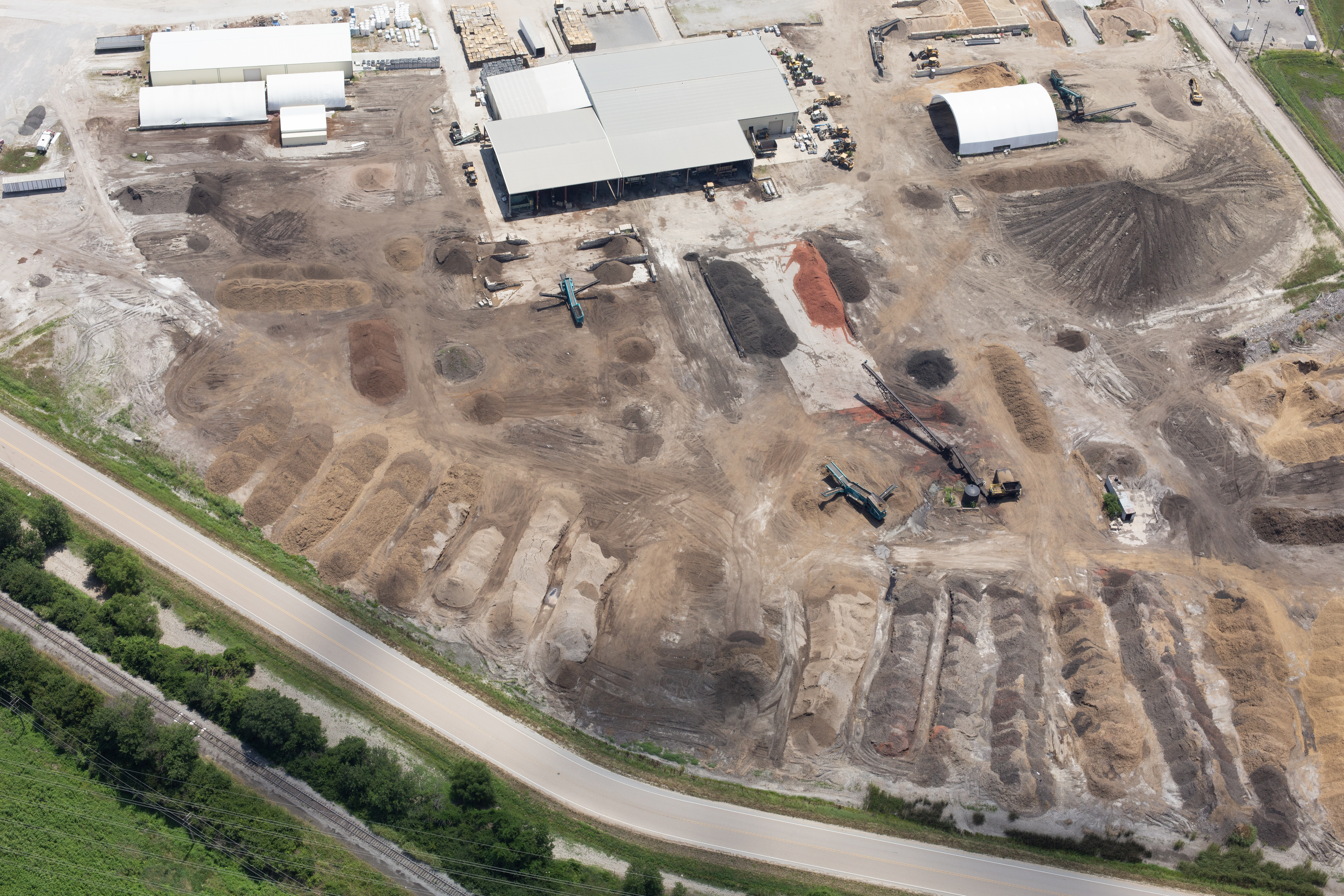
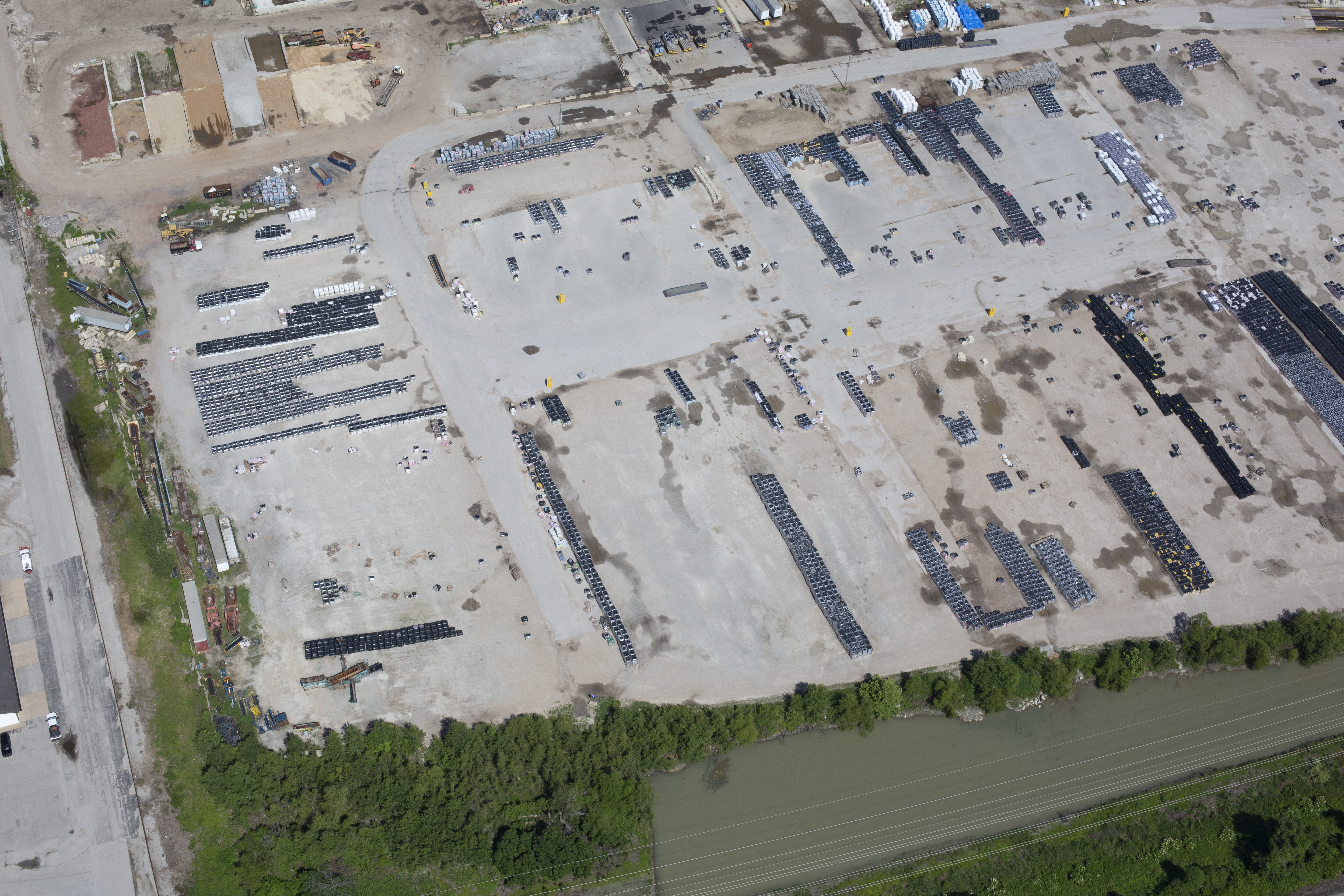
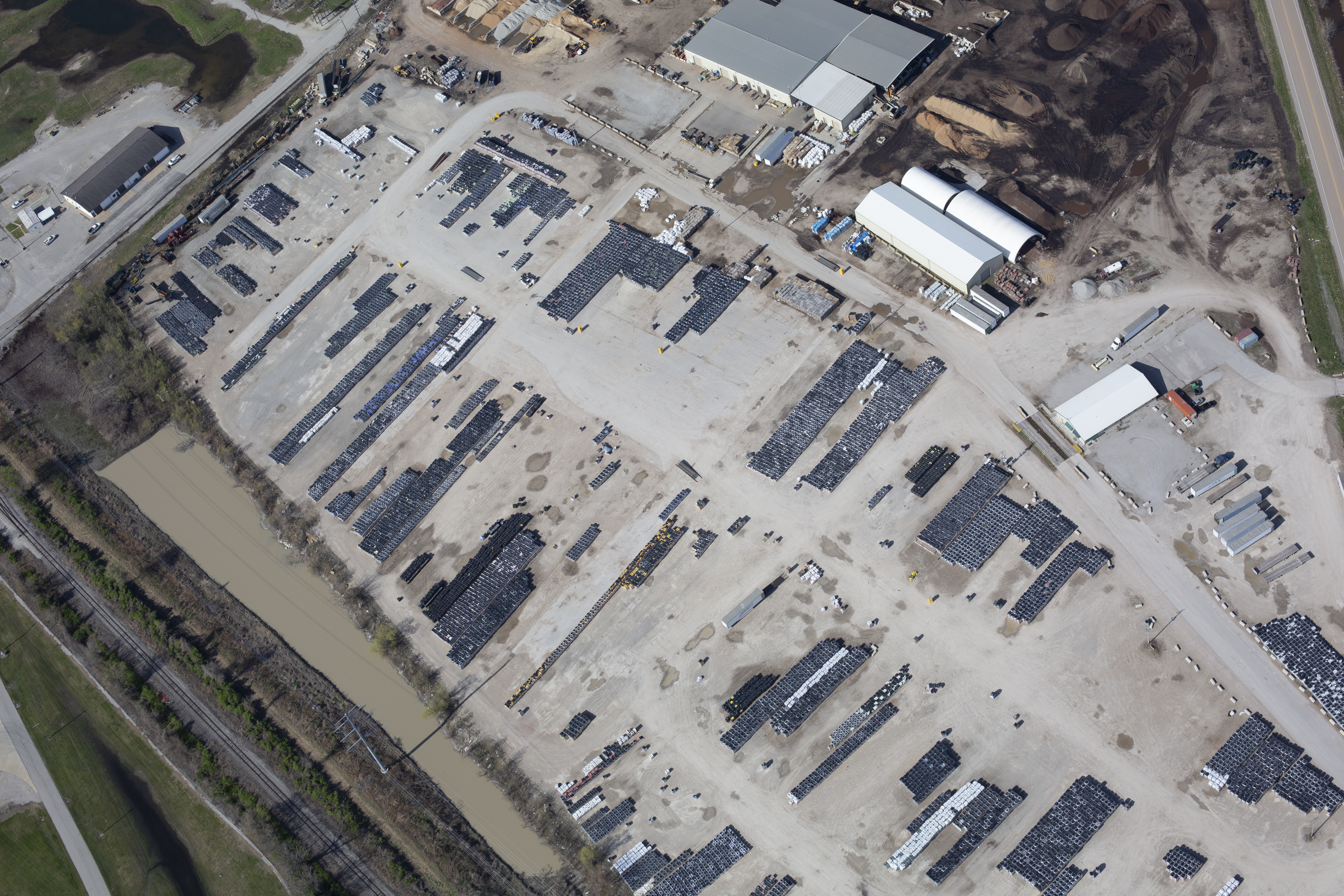
Professional airplane-based aerial photography allows us to document large industrial sites, mining operations, and construction zones from altitudes that provide unmatched scale and context. For volumetric analysis and compliance documentation, this is crucial.

Key benefits include:

  • High-Altitude Coverage: Capture complete site imagery in a single frame—no stitching, fewer shadows, and accurate representation.
  • Advanced Sensors and Camera Stabilization: Mounted high-resolution cameras with gyro-stabilization deliver clear imagery even at speed and altitude.
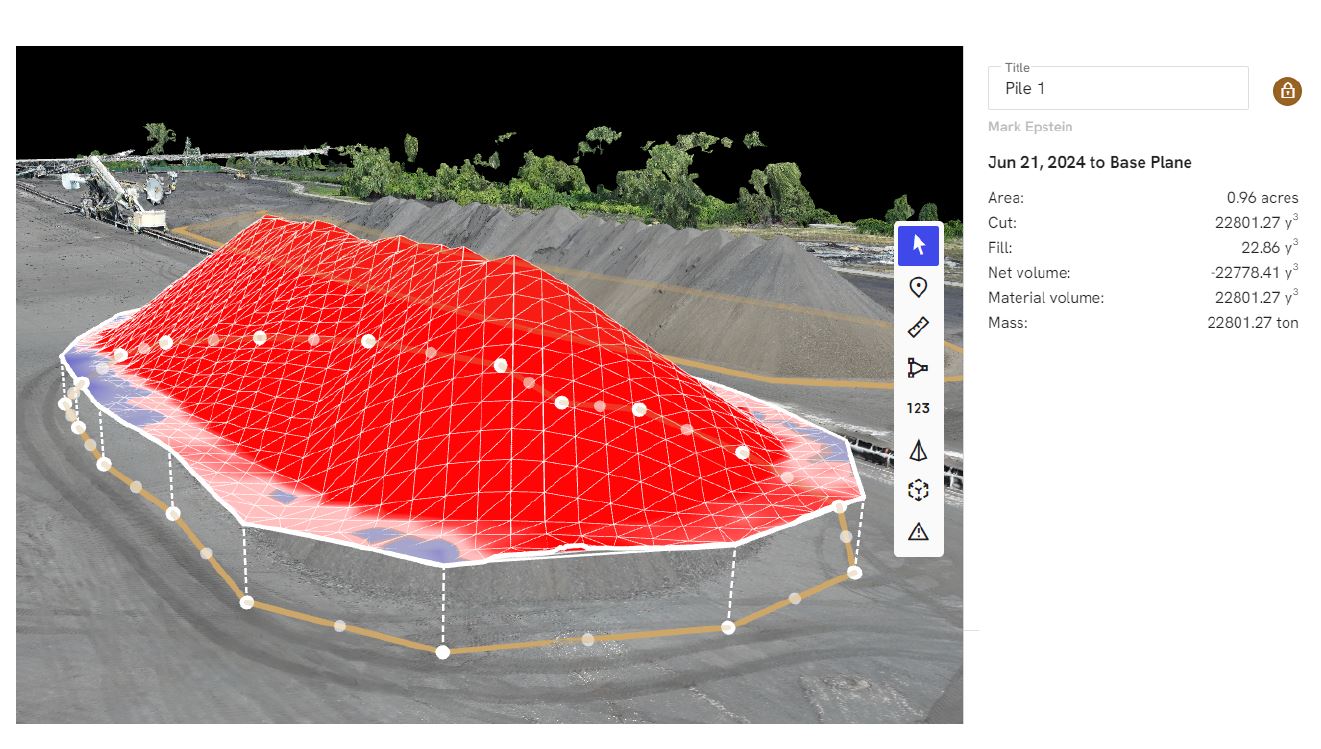
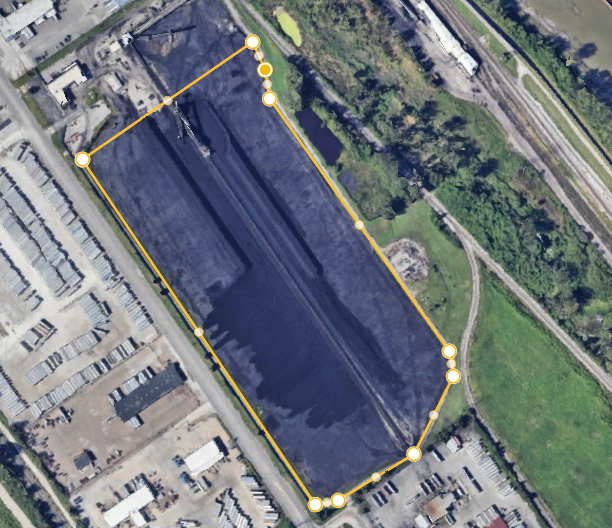
  • Data for 3D Modeling & Volumetrics: Orthomosaic mapping and photogrammetry from manned aircraft can be processed into volumetric measurements for accurate stockpile assessments.
  • Compliance with Airspace Laws: Airplane-based photography meets all regulatory requirements when drone usage is denied.

Applications Beyond the Fence Line

Industries like mining, aggregates, waste management, and infrastructure development frequently benefit from airplane photography, especially where:

  • Restricted Airspace Exists: We have experience navigating Class B, C, and D airspaces using certified pilots.
  • Ongoing Projects Require Historical Documentation: Regularly scheduled flyovers provide consistent imagery over time for tracking progress or changes.
  • Insurance and Legal Documentation Is Required: Courts, auditors, and insurance agencies often require aerial visuals captured through compliant, licensed operations.

How We Capture the Right Aerial Imagery

At St Louis Corporate Photographer, we handle all aspects of flight coordination, permitting, and safety compliance. Our team includes:

  • FAA-certified professionals who coordinate with ATC when needed
  • Photographers with extensive experience shooting from Cessna, Piper, or helicopter platforms
  • Advanced editing professionals who convert raw captures into clear, accurate, and usable deliverables for your reports or presentations

We also integrate Artificial Intelligence (AI) into our post-processing pipeline, allowing us to rapidly enhance clarity, detect edge boundaries in stockpiles, and generate analytics-ready outputs.

Our Proven Track Record

St Louis Corporate Photographer is a full-service professional commercial photography and video production company with the right equipment and creative crew service experience for successful image acquisition. We offer full-service studio and location photography and video, complete editing and post-production, and licensed drone pilots. But when drones aren’t an option, we pivot to airplane-based aerial solutions, always putting safety, compliance, and clarity first.

We’re well-versed in all file types and media styles, and we use cutting-edge AI tools to optimize our deliverables for presentation, marketing, or engineering analysis. Our private studio setup is ideal for interviews, testimonial shoots, and branded content, while our large production space accommodates custom set builds with props.

Since 1982, St Louis Corporate Photographer has been trusted by businesses, marketing firms, and creative agencies across the St. Louis area for their marketing, documentation, and corporate imaging needs. Whether you’re capturing your company’s expansion from above or tracking aggregates for compliance and inventory, we ensure your visuals are not just functional—but powerful.

Need to document a restricted or expansive area where drones can’t go? Let’s take to the skies—safely, legally, and with the clarity your team needs.
Reach out to St Louis Corporate Photographer to learn more about our airplane-based aerial photography services.

314-913-5626

stlouiscorporatephotographer@gmail.com

Common Mistakes to Avoid in Service Business Photos — And How to Get Them Right

In today’s competitive marketplace, your business’s first impression is often visual. Whether potential clients find you through your website, LinkedIn, digital ads, or printed brochures, high-quality imagery helps build trust and define your brand. But too often, service-based businesses—like law firms, consulting agencies, accounting firms, or logistics providers—fall short in this area. As professionals in corporate photography and video production, we’ve seen common mistakes that weaken brand messaging, dilute credibility, and ultimately leave money on the table.

In this article, we outline the most frequent photography mistakes service businesses make—and how to avoid them with thoughtful planning and professional support.


1. Using Generic Stock Photos Instead of Custom Imagery

The Mistake: Relying on stock photography that doesn’t represent your actual team, office, or culture. This creates a disconnect between what you promise and what your audience sees.

The Fix: Invest in professional photos that showcase your real employees, your workspace, and the services you offer in action. Authentic visuals outperform generic ones in engagement and conversion.


2. Poor Lighting and Exposure

The Mistake: Harsh shadows, dim lighting, or blown-out highlights can make your photos look amateurish. Inconsistent lighting in group shots or office scenes is a tell-tale sign of a DIY effort.

The Fix: Professional lighting setups—whether in studio or on location—ensure that every face and surface is evenly lit, with flattering tones that align with your brand aesthetics.


3. Ignoring Brand Consistency

The Mistake: A mismatch in visual style between your website photos, social media images, and print collateral can lead to a disjointed brand identity.

The Fix: Work with a photography team that understands your brand guidelines, including color schemes, tone, and messaging. A unified visual identity enhances professionalism and recognition across platforms.


4. Overly Staged or Unnatural Poses

The Mistake: Staff lined up stiffly in front of a white wall doesn’t convey warmth, approachability, or expertise. Forced smiles and awkward body language undercut your authenticity.

The Fix: Capture candid, documentary-style moments of team members working, collaborating, and interacting with clients. A professional photographer knows how to direct people while making them feel comfortable in front of the camera.


5. Failing to Highlight Service Interactions

The Mistake: Showcasing only your office interiors or headshots without illustrating how you help clients is a missed opportunity.

The Fix: Include action-oriented visuals that reflect your service offerings—consultations, team meetings, behind-the-scenes work. This helps potential clients envision working with you.


6. Neglecting Post-Production and Editing

The Mistake: Uploading raw, unedited photos leads to inconsistent quality, incorrect color balance, and distracting imperfections.

The Fix: Skilled post-production enhances images through color correction, retouching, cropping, and sharpening. Editing is where good images become great ones, ready for multi-platform use.


7. Overlooking the Power of Video

The Mistake: Relying solely on still photos while competitors are leveraging branded video content like testimonials, service explainers, and behind-the-scenes stories.

The Fix: Integrate short-form videos alongside photography for a powerful visual storytelling package. These videos build trust, explain your value quickly, and perform well on social platforms.


Partner with the Experts at St Louis Corporate Photographer

Avoiding these common pitfalls requires more than just a good camera—it takes a skilled creative team with the experience, vision, and technical capabilities to bring your business to life visually.

At St Louis Corporate Photographer, we’re a full-service professional commercial photography and video production company. Since 1982, we’ve helped St. Louis businesses, marketing firms, and creative agencies elevate their brands through purposeful imagery.

We offer studio and location photography and video, editing, post-production, and FAA-certified drone services—including indoor flight for hard-to-access environments. Our large studio is ideal for interview scenes and setups that require props or staging, and our private studio lighting creates a polished look for both individuals and group shots.

We specialize in repurposing your photography and video branding across multiple channels to maximize impact. With deep knowledge of all media styles, file types, and AI-powered post-processing tools, we ensure your content is optimized for both technical quality and strategic success.

From camera operators and sound engineers to custom interview sets, we support every stage of your production—ensuring that your next photo or video project is not only stress-free but highly effective.

Ready to transform your business’s visual presence? Let’s make it happen—seamlessly and professionally.

314-913-5626

stlouiscorporatephotographer@gmail.com

What to Ask Your Photographer Before Your Headshot Session: A Corporate Guide to Getting It Right

In today’s visually-driven business landscape, a headshot isn’t just a photo—it’s your digital handshake. Whether it’s for LinkedIn, your company’s website, a press release, or a keynote speaker bio, a professional headshot sets the tone for how you’re perceived. As decision makers in marketing, communications, and corporate branding, it’s essential to ensure your team’s headshots are done right. That starts with asking the right questions before the session begins.

At our studio, we provide file sets in multiple resolutions and formats, organized for easy implementation across all media.

At St Louis Corporate Photographer, we’ve guided countless organizations and professionals through successful headshot productions. Here’s our expert breakdown of the questions you should ask your photographer to ensure a productive, efficient, and brand-aligned photo session.


1. What Style of Headshots Do You Specialize In?

Different industries call for different visual aesthetics. A law firm may prefer a more formal, conservative portrait while a startup may want something approachable and relaxed. Ask your photographer about their style specialties—whether it’s traditional, editorial, lifestyle, environmental, or modern corporate—and request to see samples from similar industries to yours.


2. Do You Offer On-Location and In-Studio Options?

Flexibility is key. Some organizations prefer the consistency and lighting control of a studio setup, while others want images captured within their office to better reflect company culture. At St Louis Corporate Photographer, we offer both, complete with custom backdrops and mobile studio lighting to ensure consistency in any environment.


3. How Should We Prepare for the Shoot?

Your photographer should offer clear pre-session guidance. This includes wardrobe suggestions (e.g., avoid small patterns or reflective materials), grooming tips, and how much time to allow per person. We also advise clients on brand colors and how they translate to professional imagery, helping maintain visual consistency across your team.


4. Can You Match Our Company’s Existing Style Guide or Brand Standards?

Consistency matters across corporate materials. Ask your photographer if they can replicate your existing visual identity—lighting, background, framing, and color grading included. We often work directly with in-house marketing teams and brand consultants to ensure every image aligns with established guidelines.


5. What Is the Turnaround Time for Final Images?

Speed may be essential, especially if the images are needed for an upcoming publication or event. Get clarity on how quickly you’ll receive proofs and final retouched images. At St Louis Corporate Photographer, we provide a streamlined delivery process with prioritized post-production services available when needed.


6. Will the Images Be Retouched?

Not all headshot photographers include retouching. Be sure to ask whether images will be polished for blemishes, lighting balance, and background cleanup. We use high-end retouching and the latest AI-enhanced editing tools to make every image clean, crisp, and flattering—without looking over-processed.


7. How Will the Files Be Delivered?

Understand how images will be formatted, named, and delivered. Do you need high-resolution files for print and smaller versions for web? Are you expecting individual links, or a shared download portal for your marketing department? At our studio, we provide file sets in multiple resolutions and formats, organized for easy implementation across all media.


8. Do You Offer Group or Team Shots As Well?

If you’re planning headshots for an entire team, consider adding a group photo to your session. Ask if your photographer can arrange staff groupings or staged environmental shots that reinforce your company’s professionalism and cohesion.


9. What Licensing Rights Are Included?

Make sure you understand how you’re permitted to use the images. Are they royalty-free? Can you use them across all marketing channels? Are there time or usage limitations? We provide straightforward commercial-use rights with our corporate packages to ensure you’re covered for all internal and external needs.


10. Can You Help With Additional Visual Branding Needs?

A headshot session is a perfect opportunity to create additional visual content. Ask if your photographer can also capture b-roll, interview footage, or marketing stills during the same shoot. At St Louis Corporate Photographer, we often build hybrid packages that maximize value by combining still photography, short video clips, and even drone coverage—all within the same production day.


Why Partner with St Louis Corporate Photographer?

Since 1982, St Louis Corporate Photographer has provided comprehensive commercial photography and video production services for businesses, marketing firms, and creative agencies throughout the St. Louis region. Our full-service offering includes both studio and on-location shoots, editing and post-production, and FAA-licensed drone photography and videography.

We specialize in helping clients repurpose their photography and video assets to gain more visibility and ROI, and we’re proficient in all modern file types and editing software. Our expert use of artificial intelligence for media services ensures efficiency and consistency, while our private studio lighting and adaptable set designs offer flexibility for everything from headshots to custom interview scenes.

With the right equipment, a creative crew, and decades of proven experience, St Louis Corporate Photographer is ready to support every aspect of your visual branding—from a single executive headshot to full-scale team portraits and beyond.

314-913-5626

stlouiscorporatephotographer@gmail.com