When businesses need photography that does more than simply document a subject, the conversation usually turns to control, flexibility, consistency, and purpose. That is where the distinction between studio photography and location photography becomes important. For marketing teams, business owners, and creative decision makers, choosing the right setting is not just a logistical issue. It directly affects the look of the images, the efficiency of the production, the comfort of the subjects, and the long-term value of the final assets.
At St Louis Corporate Photographer, we regularly help clients determine whether a studio environment, an on-location setting, or a hybrid approach will best support their brand goals. In many cases, the strongest visual strategy uses both. Understanding how each approach works can help organizations make better creative decisions and get more value from their photography investment.
Why the Setting Matters in Professional Photography
The setting of a photo shoot influences everything. It affects lighting, composition, mood, scheduling, wardrobe choices, sound conditions for video, equipment needs, and the way a brand is perceived. A studio offers precision and control. A location offers authenticity and context. Neither is automatically better. The right answer depends on what the images need to accomplish.
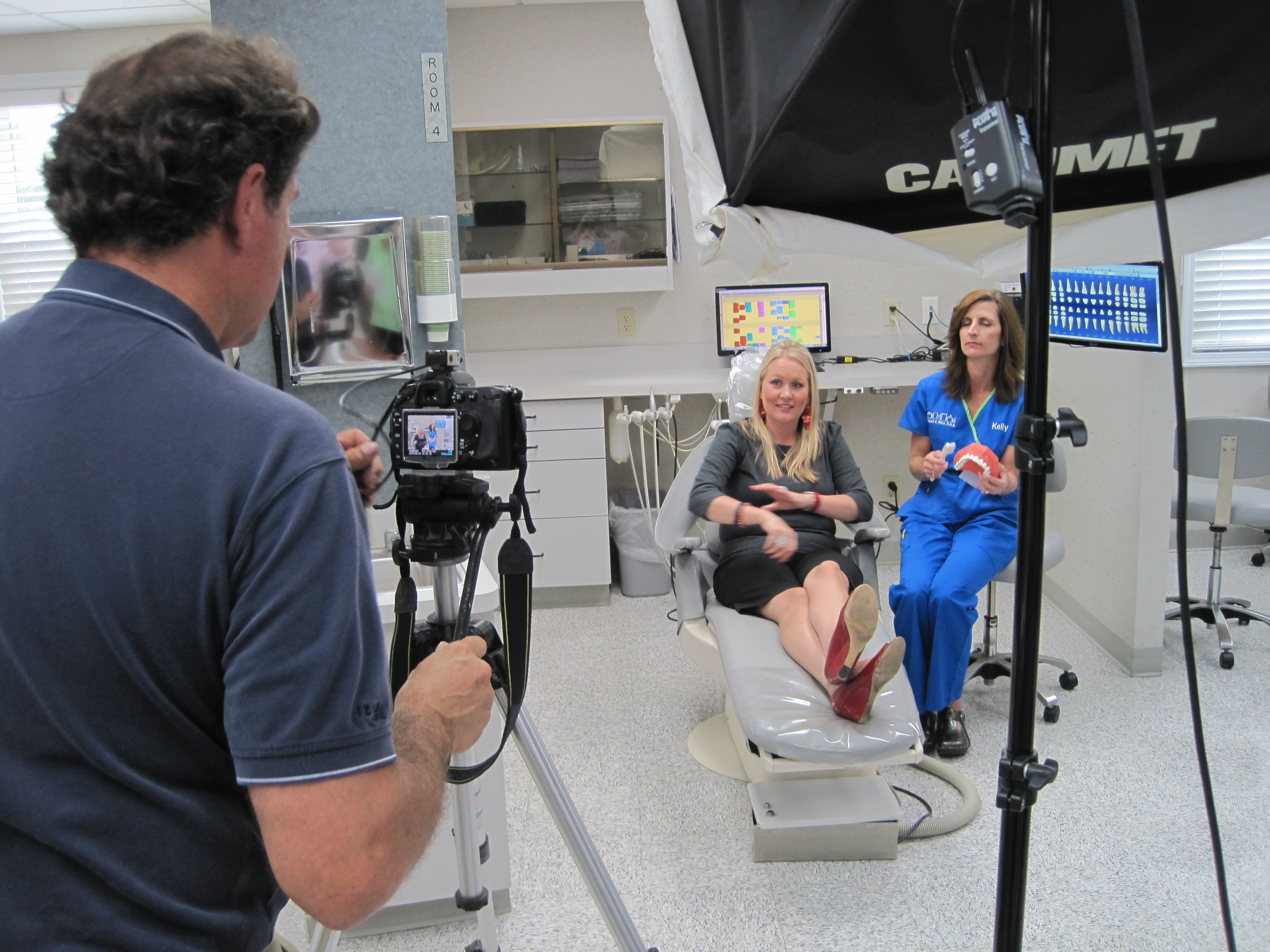
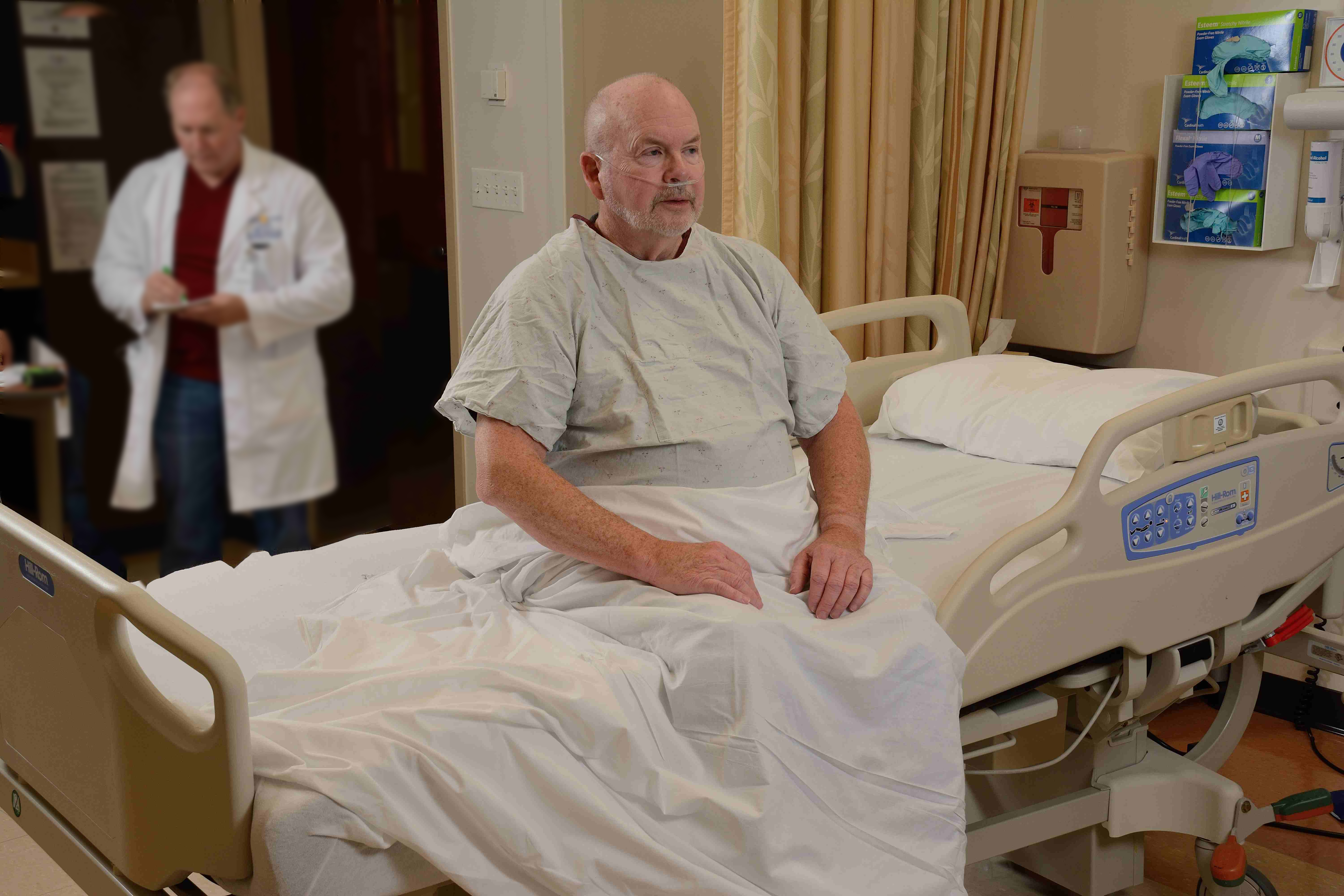
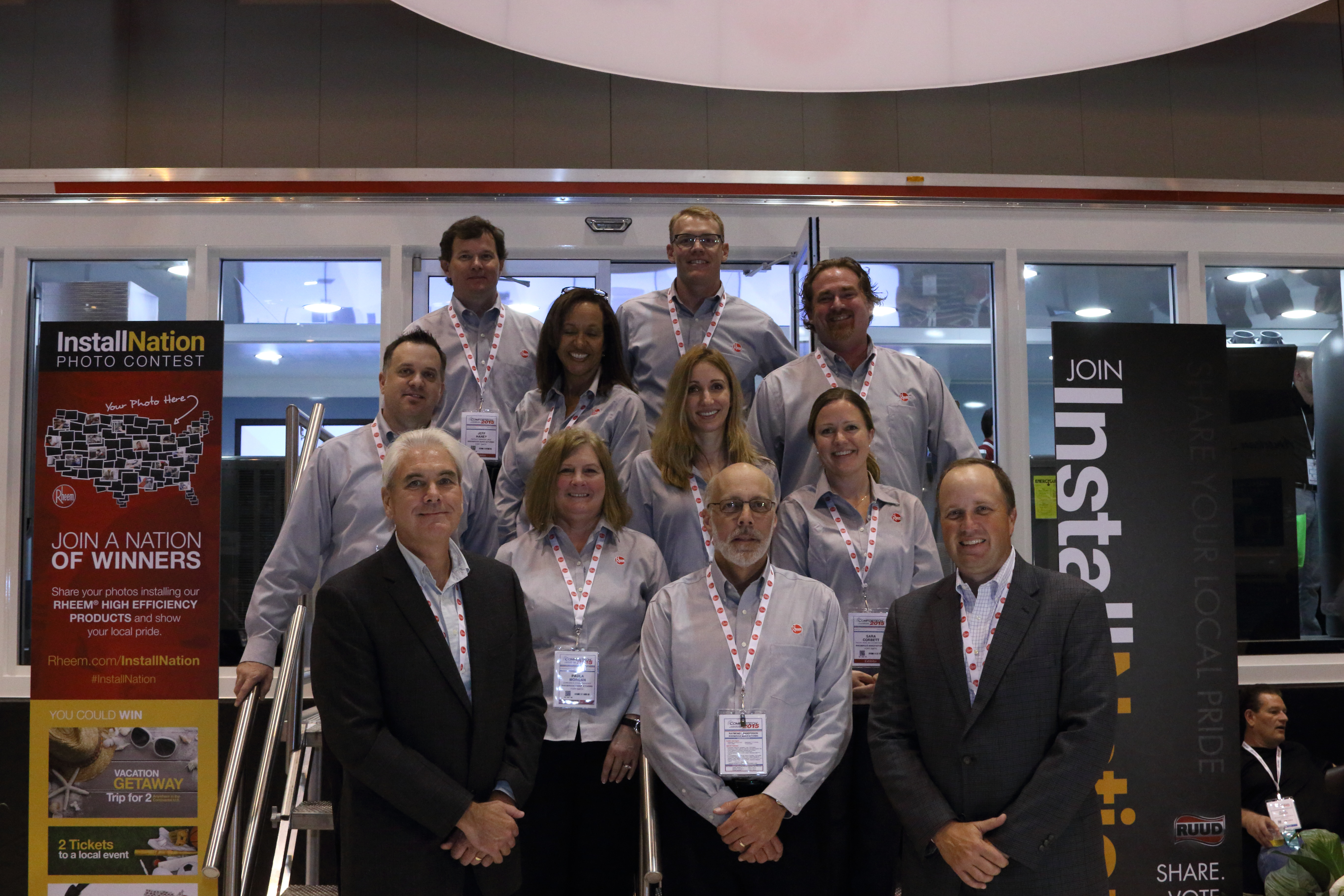
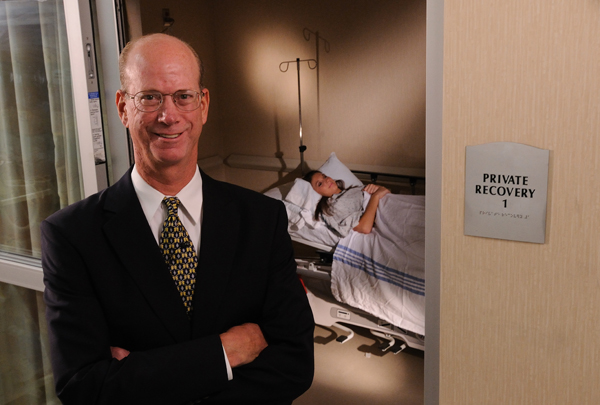
For example, a law firm updating attorney portraits may benefit from a studio setup that delivers clean, polished, highly consistent headshots. A manufacturing company may need on-site photography that shows real people, real machinery, and actual production spaces. A healthcare organization may need both: studio portraits for leadership profiles and location imagery that shows patient care environments, staff interaction, and facility detail.
This is why experienced commercial photographers do not begin with gear. They begin with purpose.

What Studio Photography Does Best
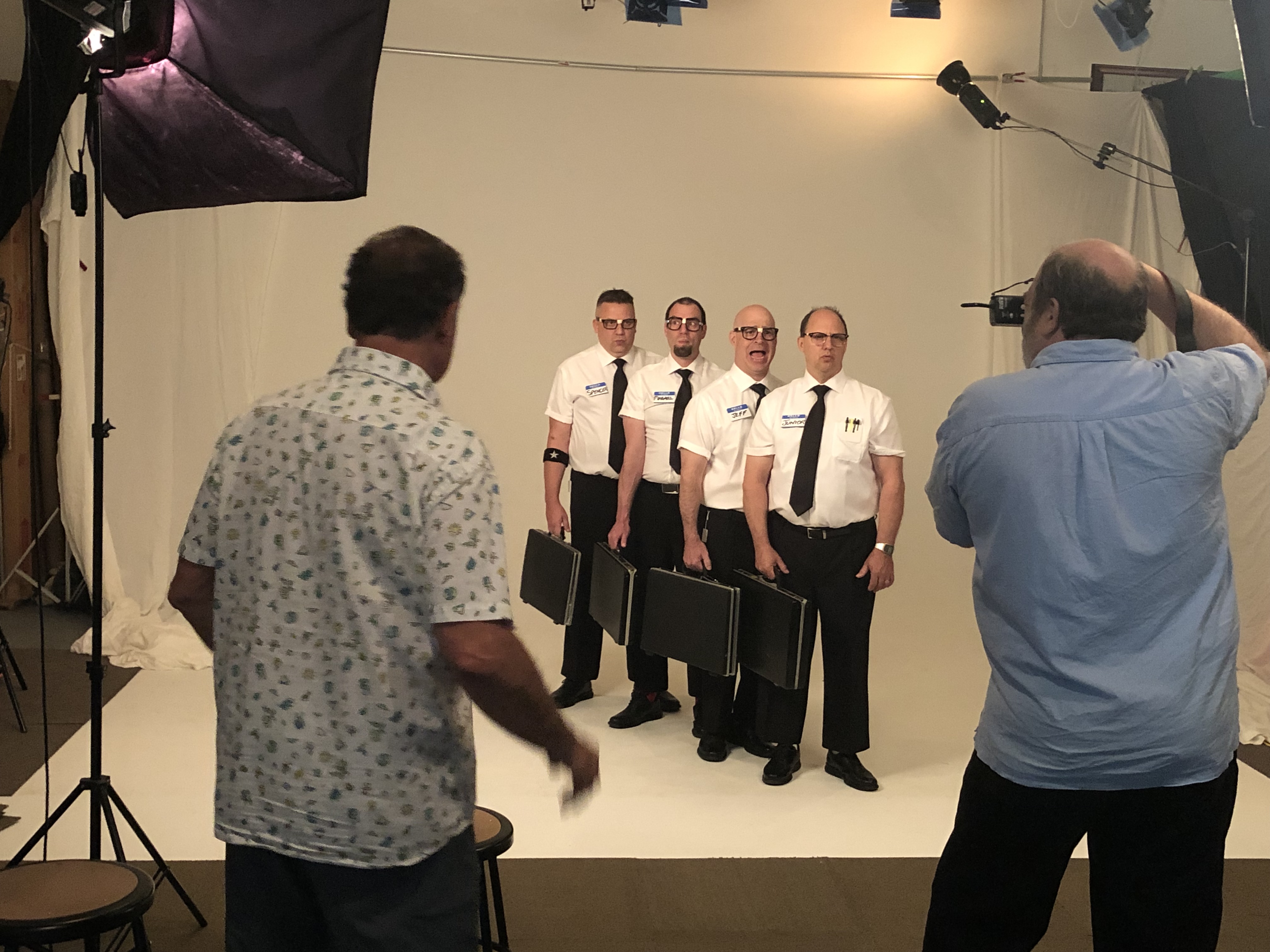
Studio photography remains one of the most valuable tools for businesses because it gives the creative team the highest degree of control. That control is often what leads to polished, repeatable, brand-consistent results.
Consistency Across Multiple Subjects
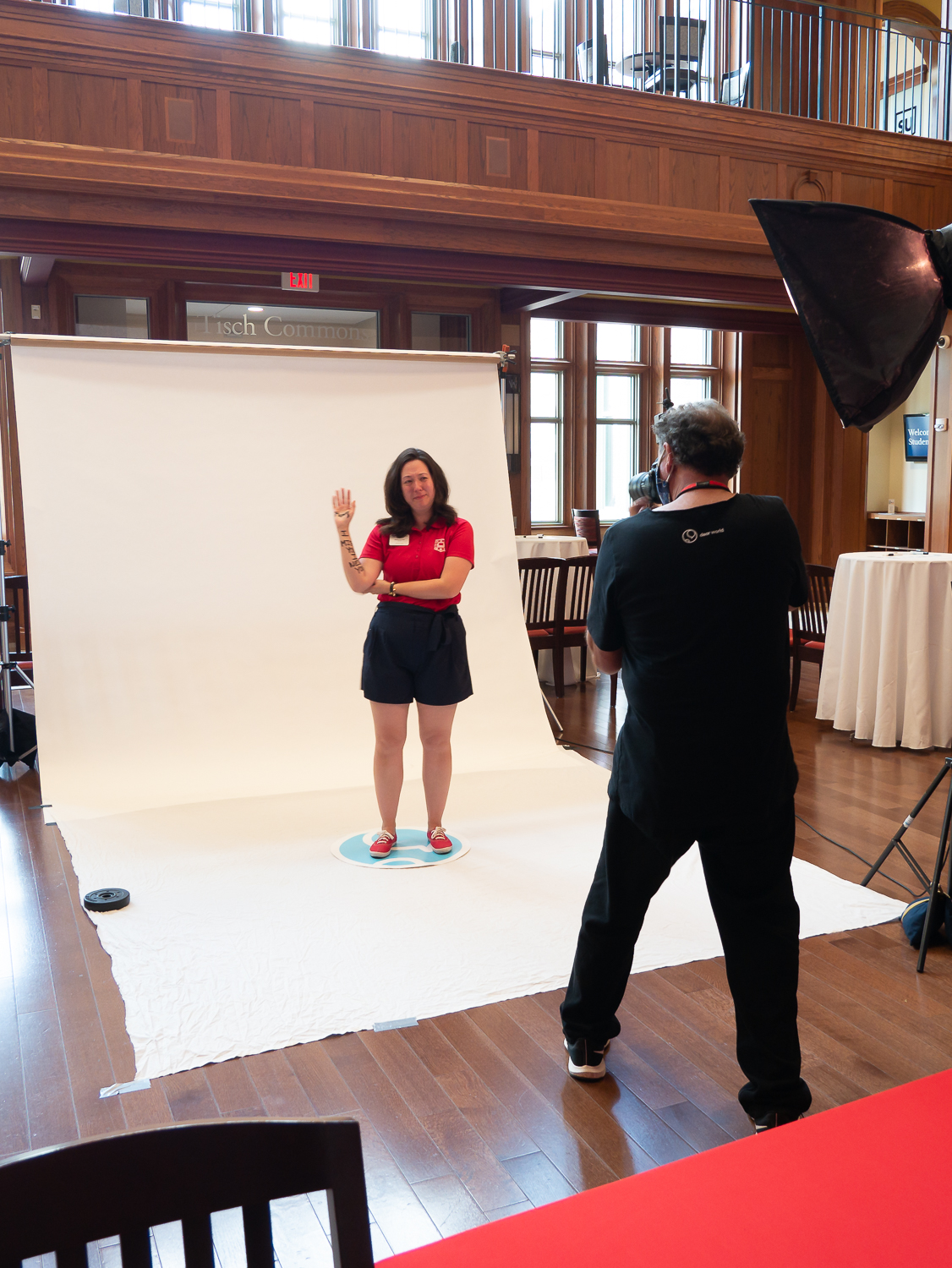
When photographing executives, staff members, product lines, or recurring campaigns, consistency matters. In a studio, lighting, background, camera angle, and composition can remain uniform from one subject to the next. This is especially useful for:
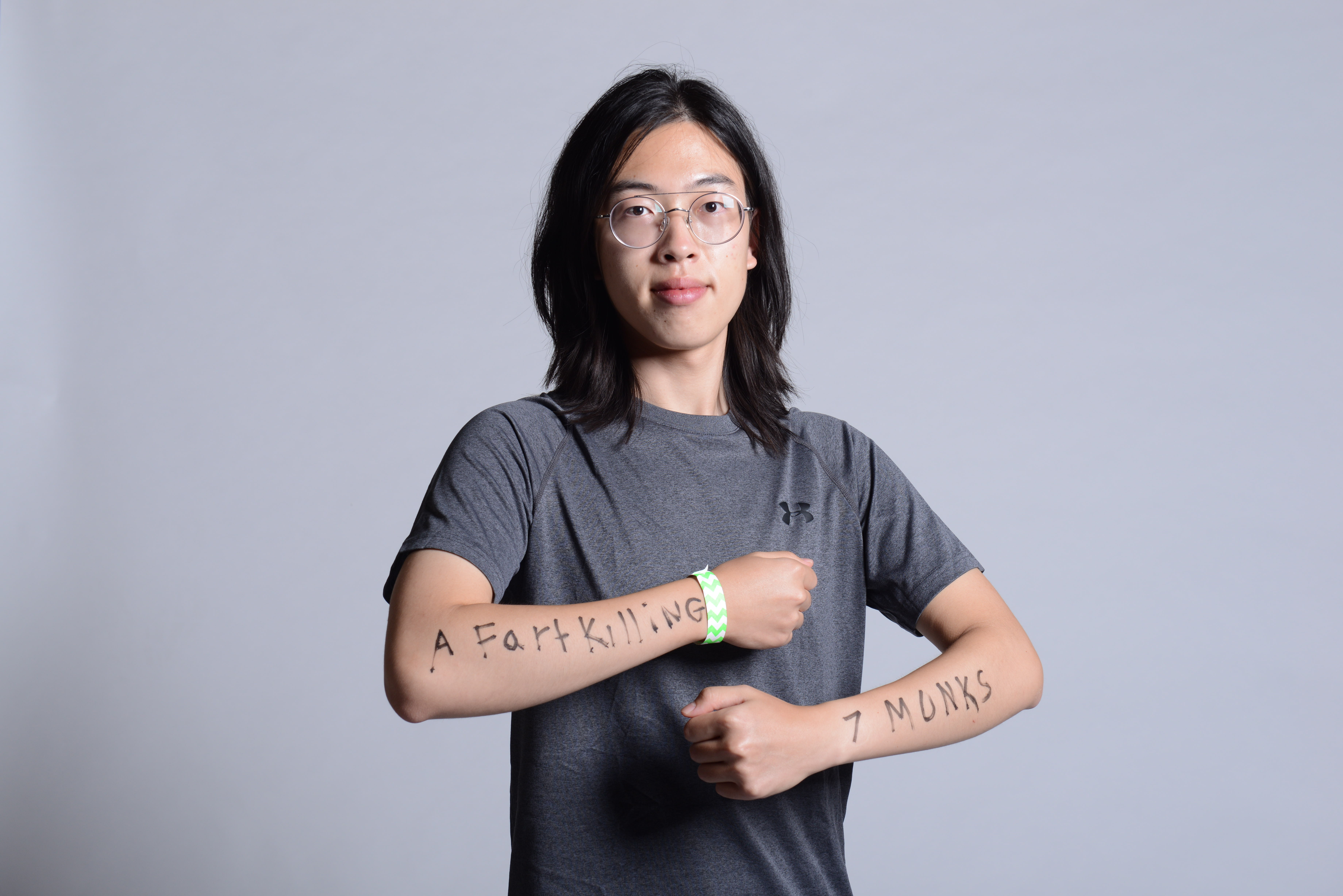
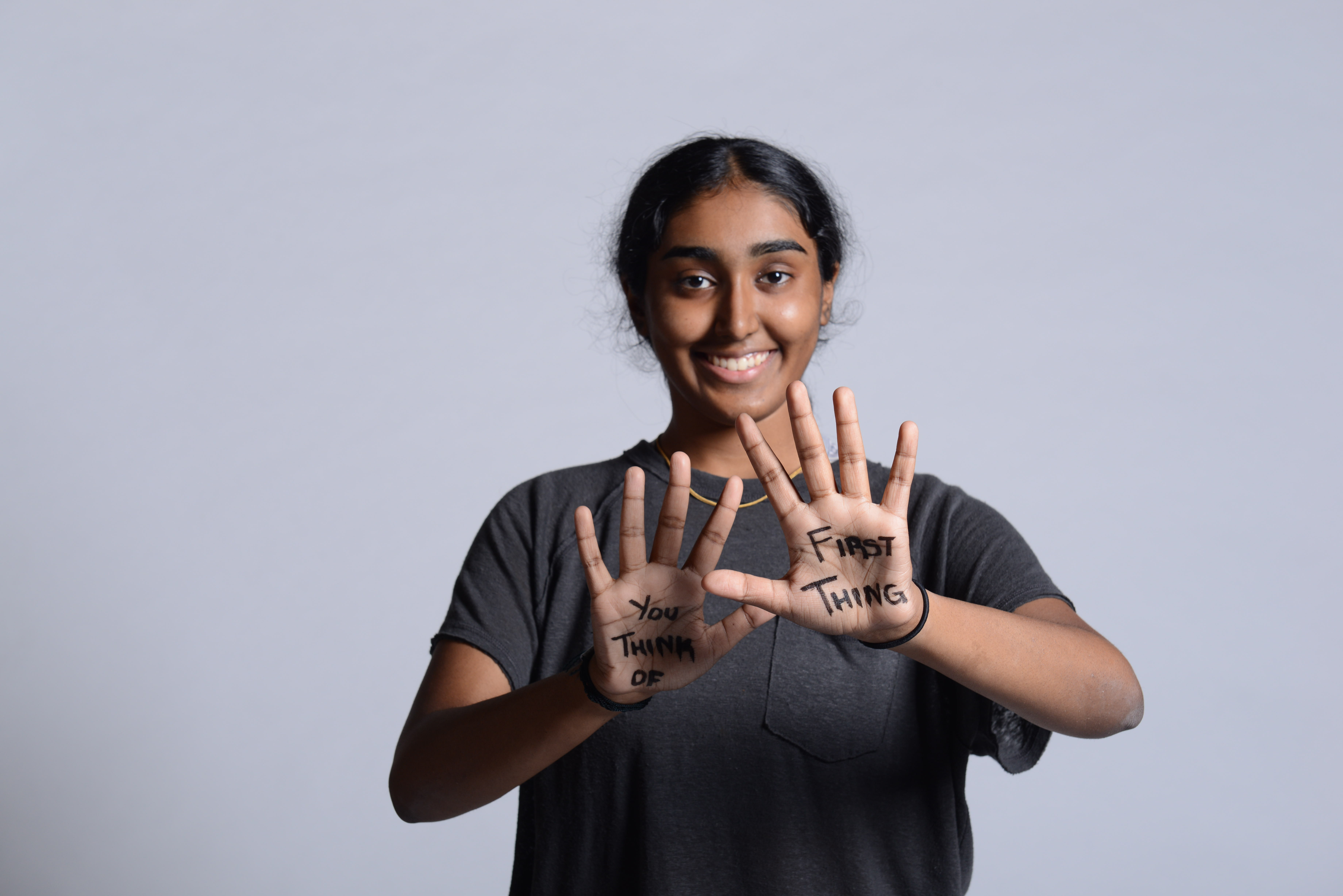
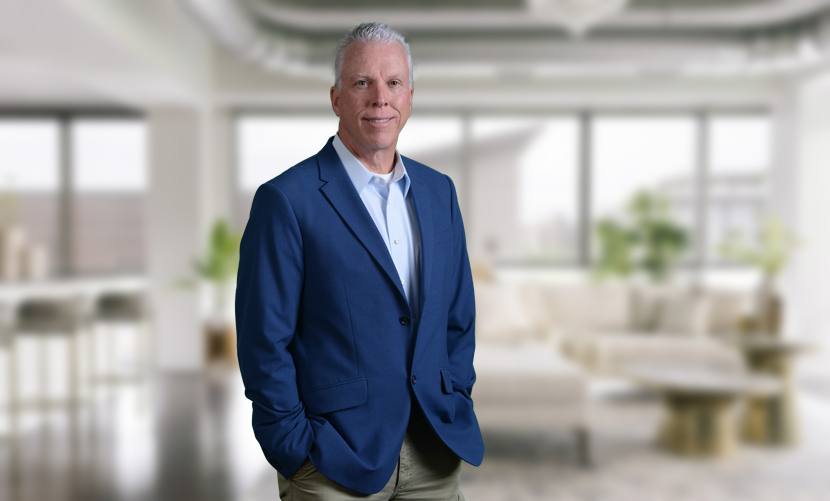
- Executive and staff headshots
- Corporate portraits
- Product photography
- Branding campaigns
- Advertising imagery
- Catalog and e-commerce photography
If your company plans to photograph multiple people over time, a studio setup makes it much easier to keep the visual style aligned.
Better Control of Lighting
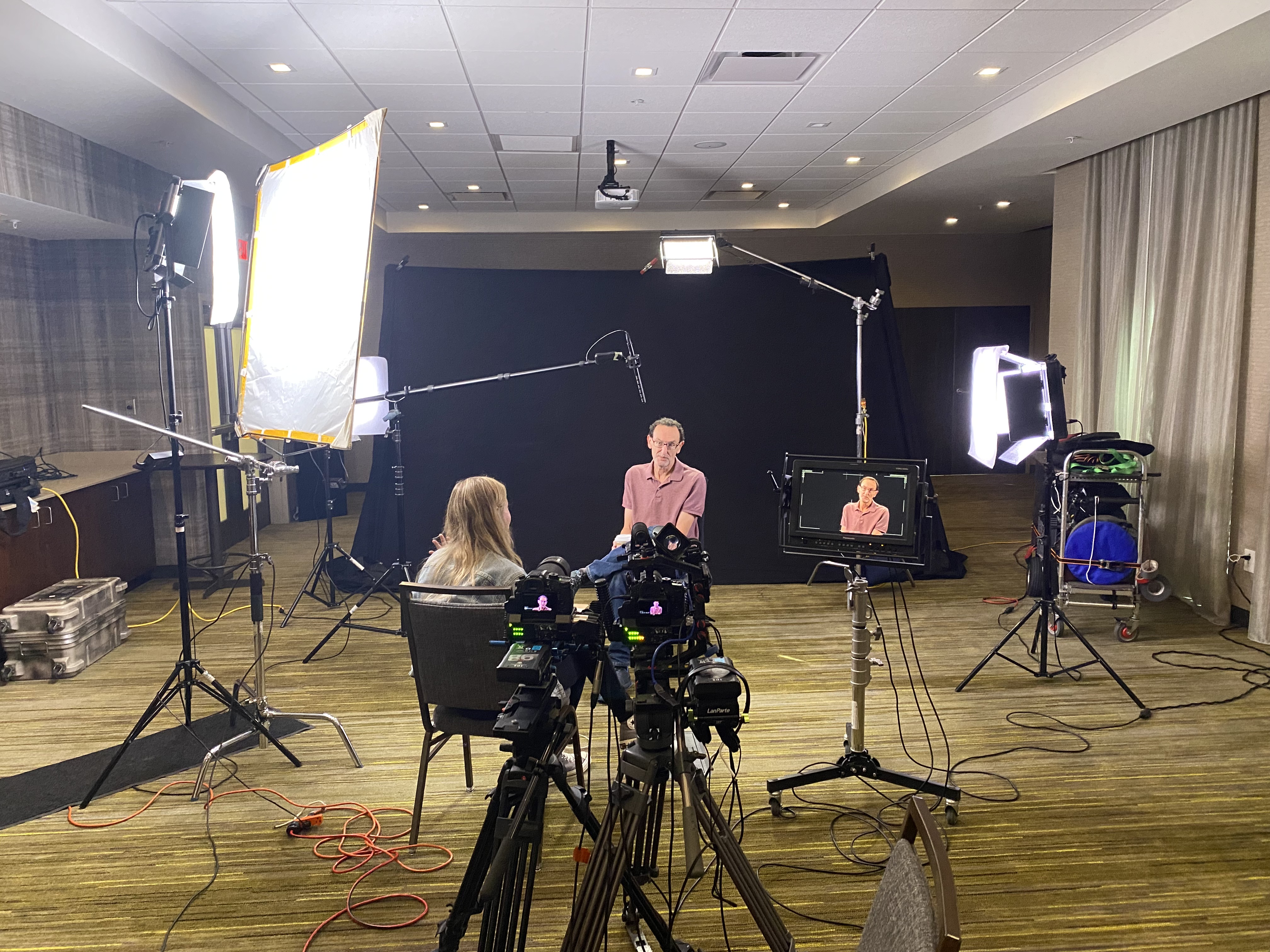
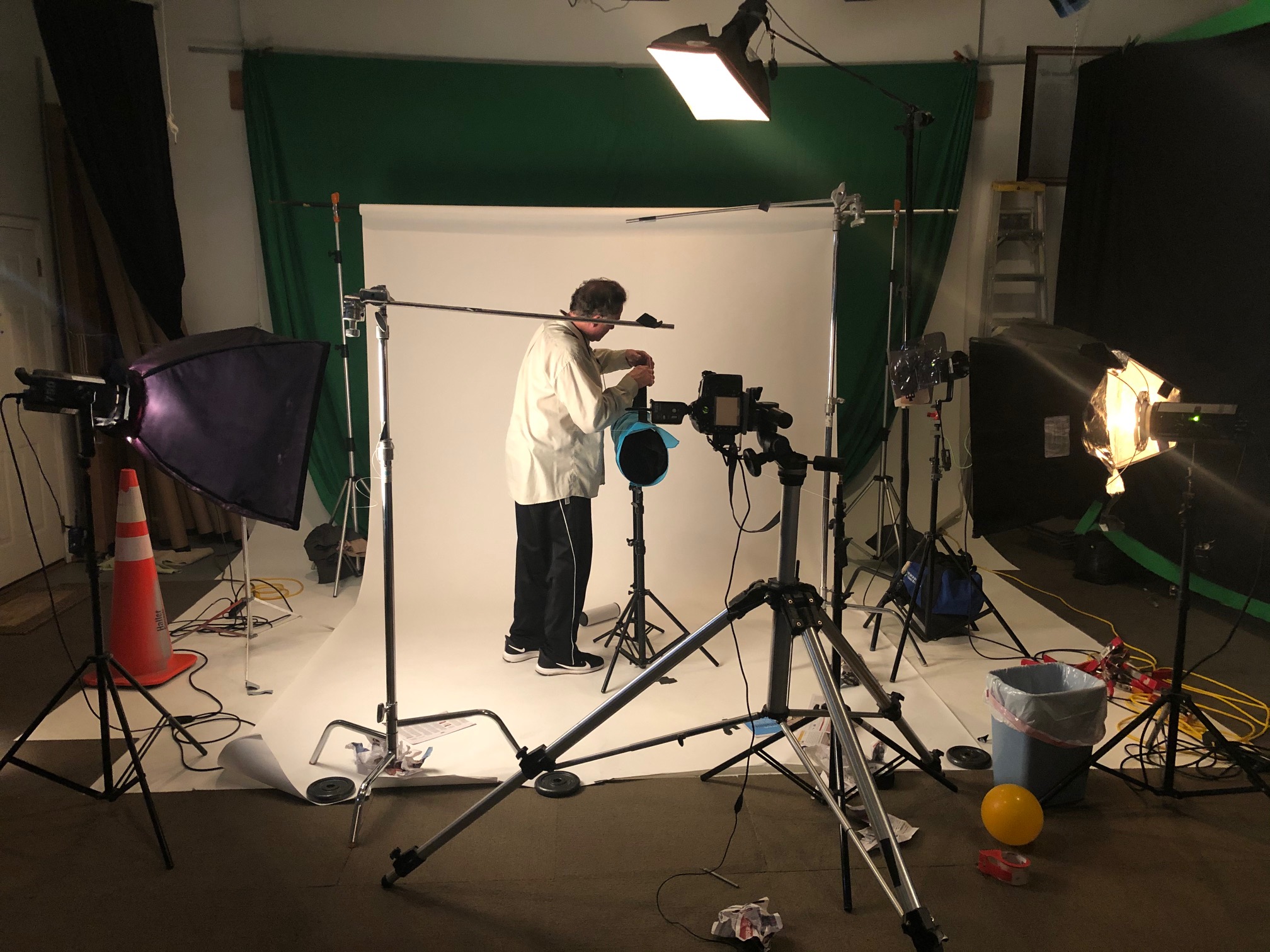
Studio lighting is one of the biggest reasons businesses choose an indoor production environment. Natural light can be beautiful, but it changes constantly. In a studio, light is shaped intentionally for flattering portraits, precise product highlights, dramatic branding imagery, or clean commercial looks.
That control helps reduce surprises and allows a production team to create a specific style instead of chasing changing conditions.
Reduced Distractions
A studio environment removes many of the complications that come with shooting on location. There are fewer interruptions, less background clutter, fewer scheduling conflicts, and more privacy. This can be especially important when photographing executives, filming interviews, or working on confidential campaigns.
Subjects also tend to relax when the environment is calm, controlled, and built around the production itself.
Ideal for Smaller Controlled Productions
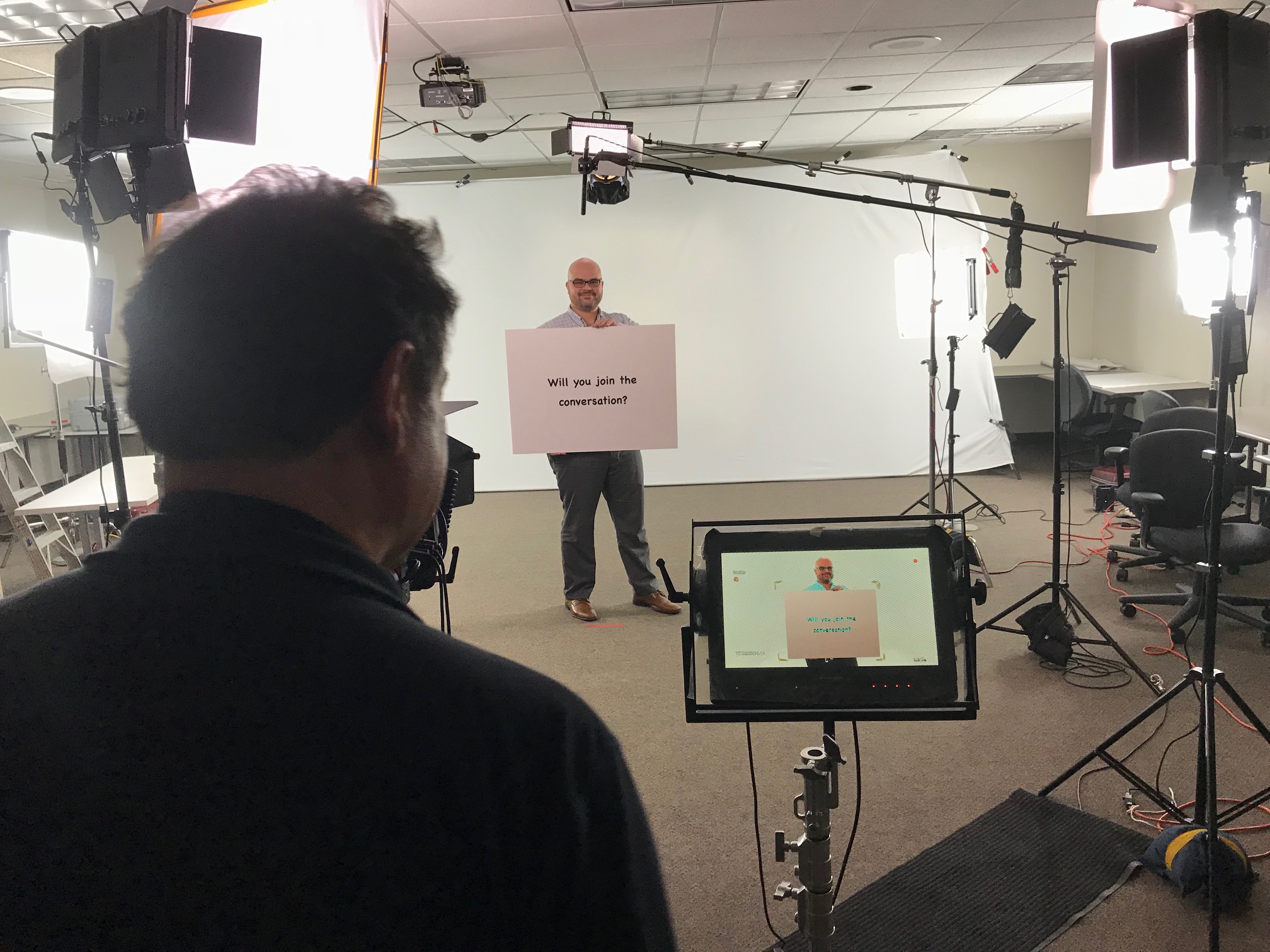
Studios are excellent for headshots, interview videos, tabletop product work, training content, and carefully built branded scenes. Props, backgrounds, furniture, and lighting can all be arranged to support the message without the unpredictability of a live business environment.
For brands that need a clean and intentional look, studio photography often delivers the strongest return.
What Location Photography Does Best
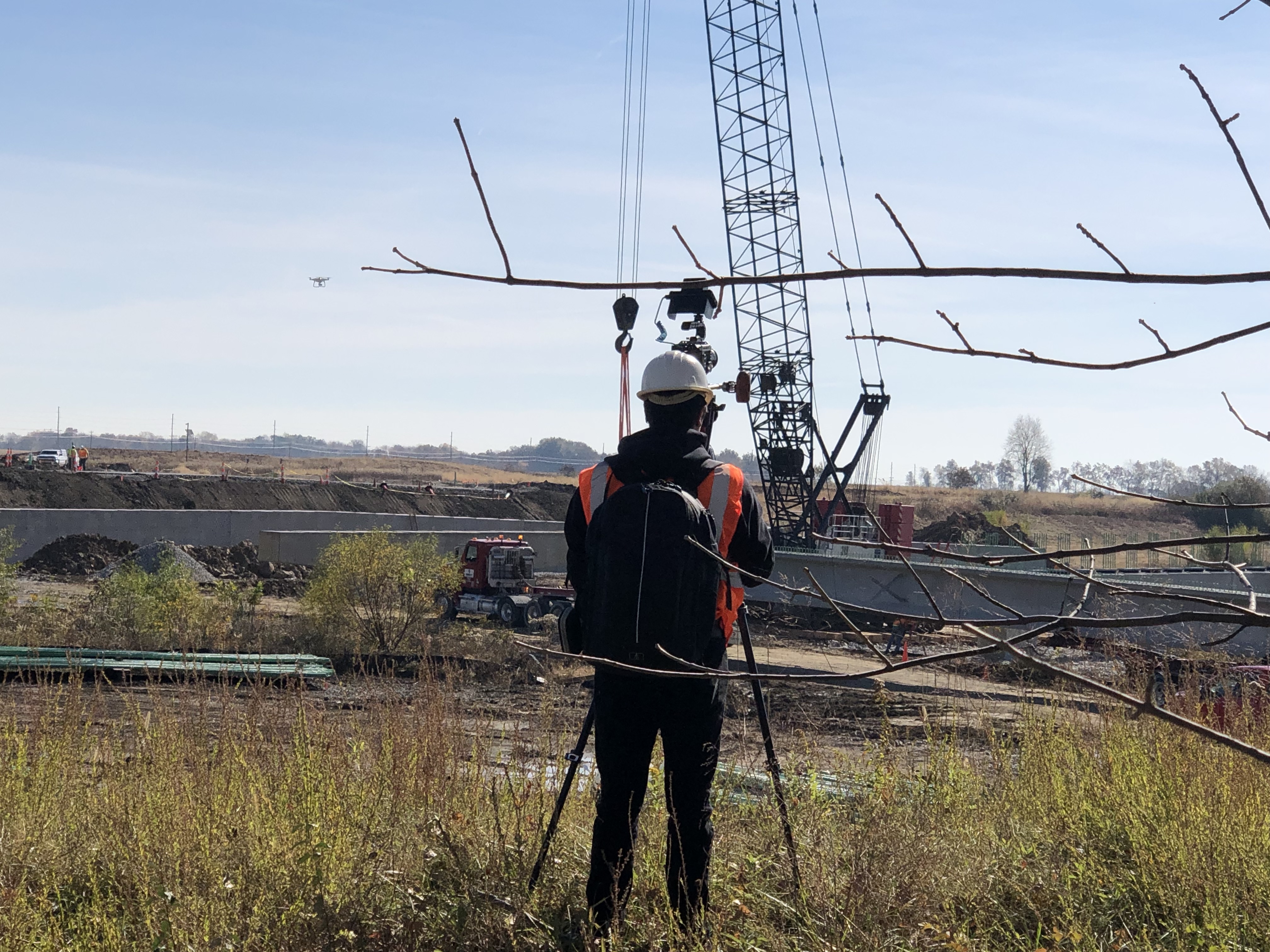
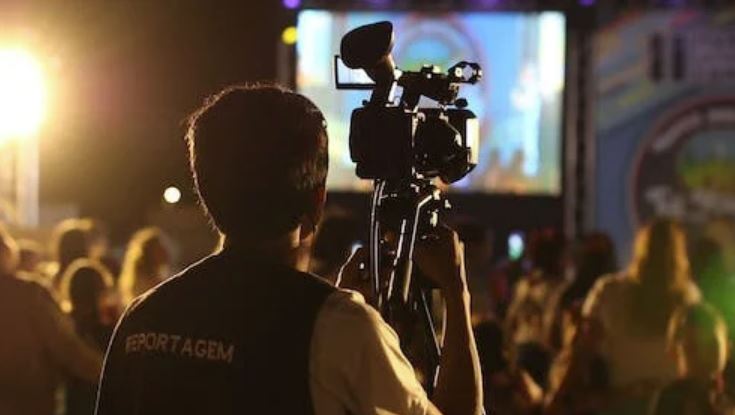
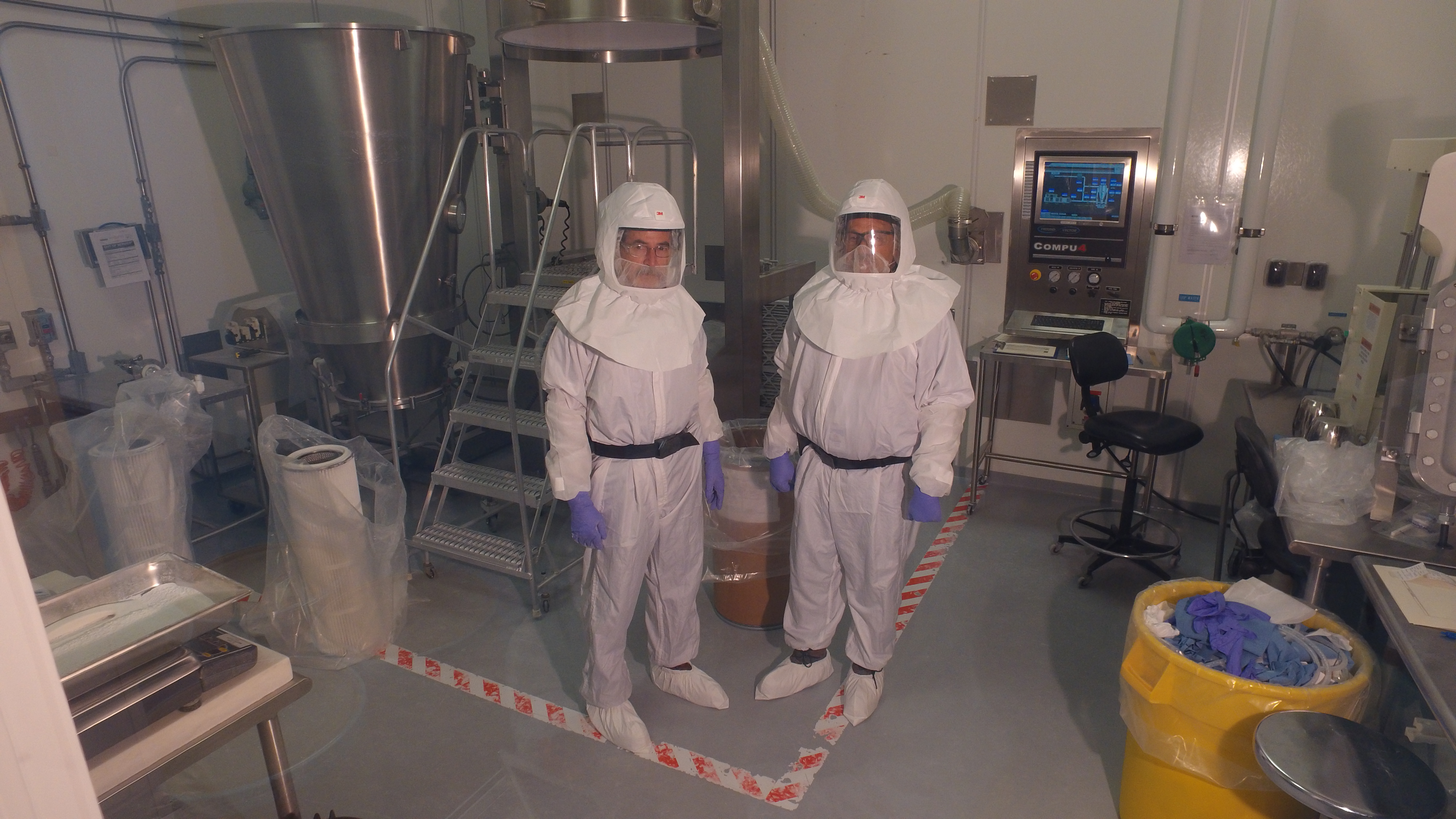
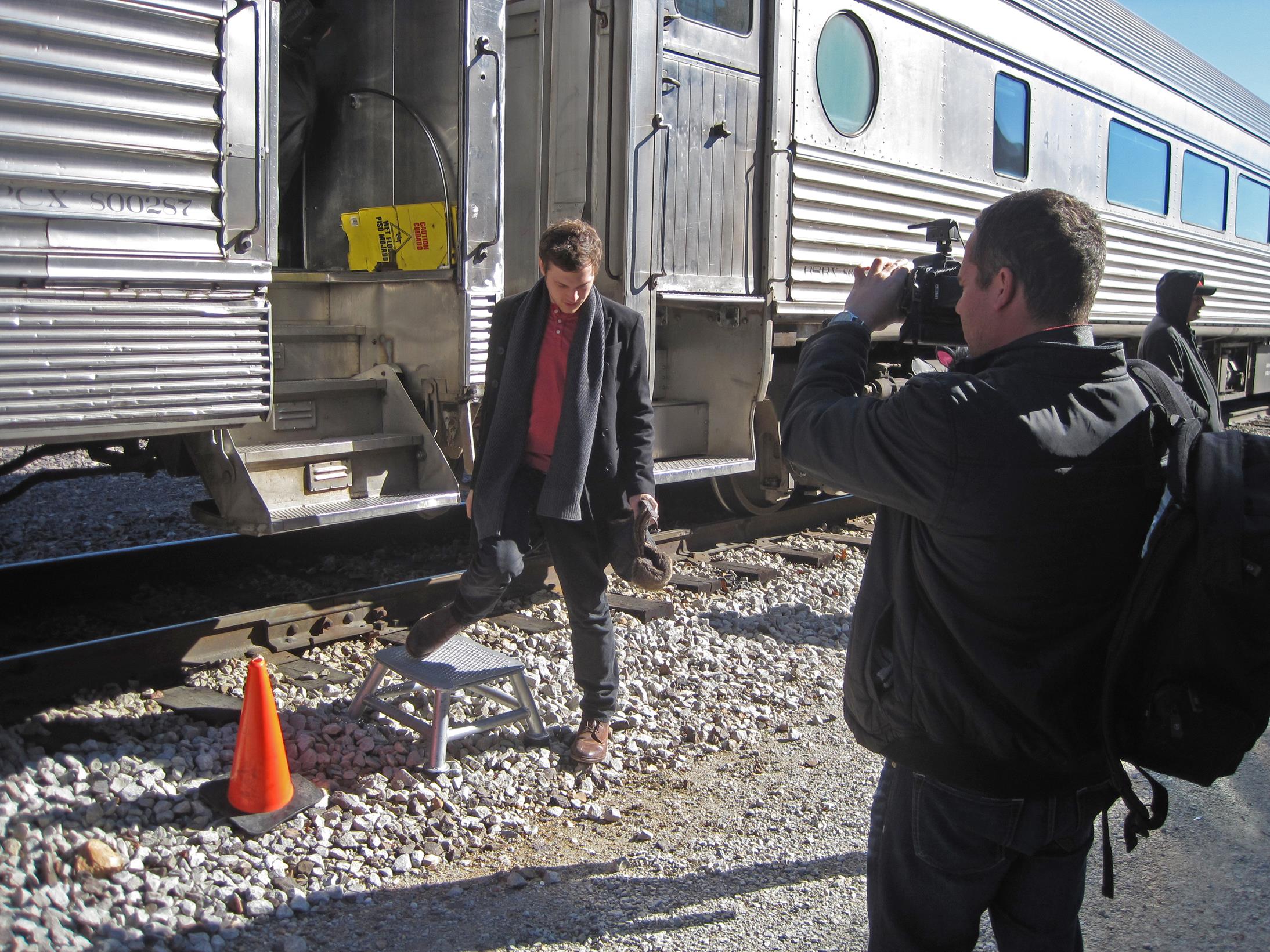
While studios provide control, location photography brings context. Businesses often need imagery that shows where work happens, how teams interact, and what the real environment feels like. That is where on-location production becomes especially powerful.
Authenticity and Real-World Context
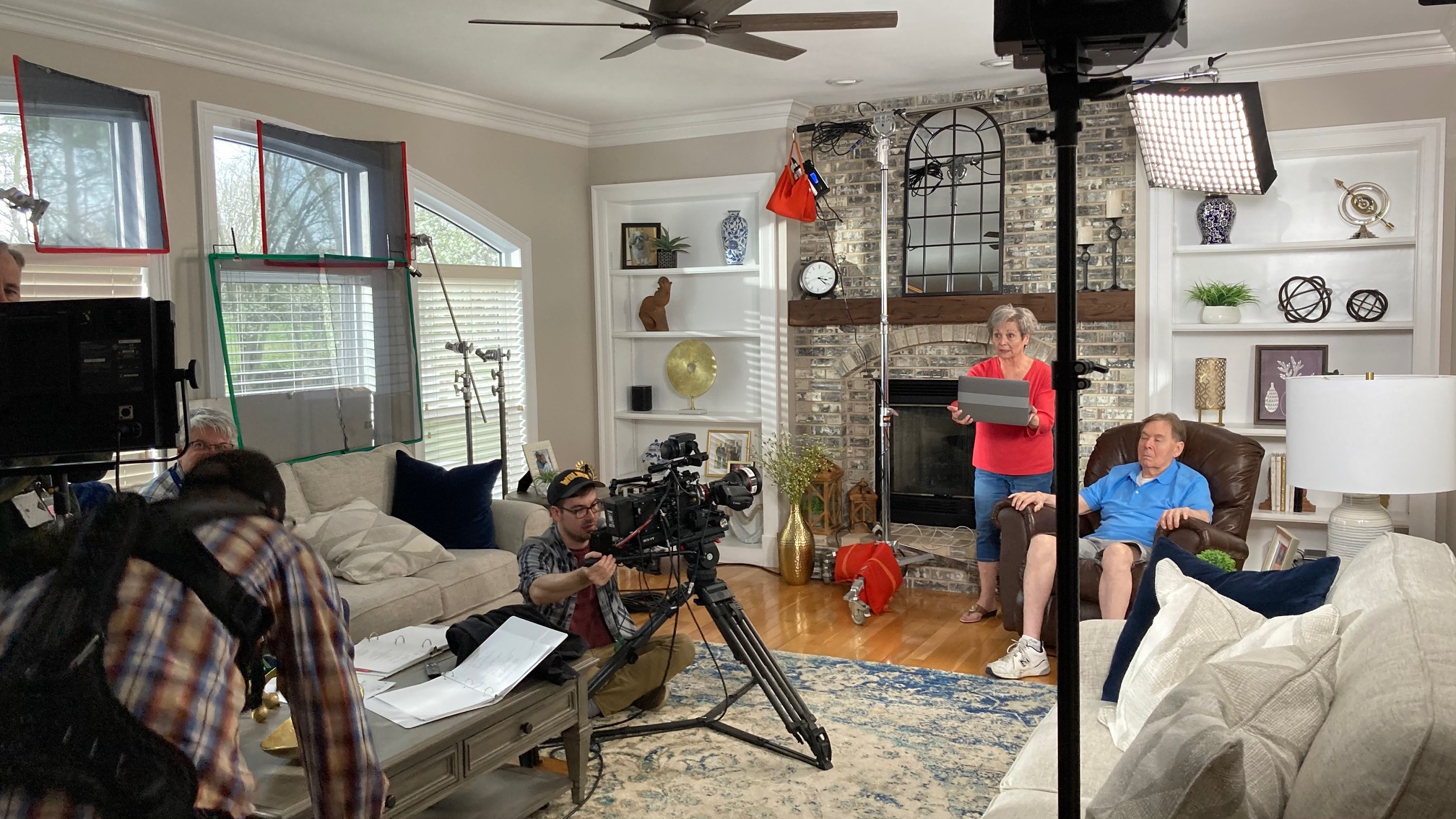
Location photography places subjects in meaningful environments. Instead of isolating a person or product against a neutral backdrop, it shows them in context. This can make the imagery feel more believable, more relatable, and more grounded in the actual identity of the company.
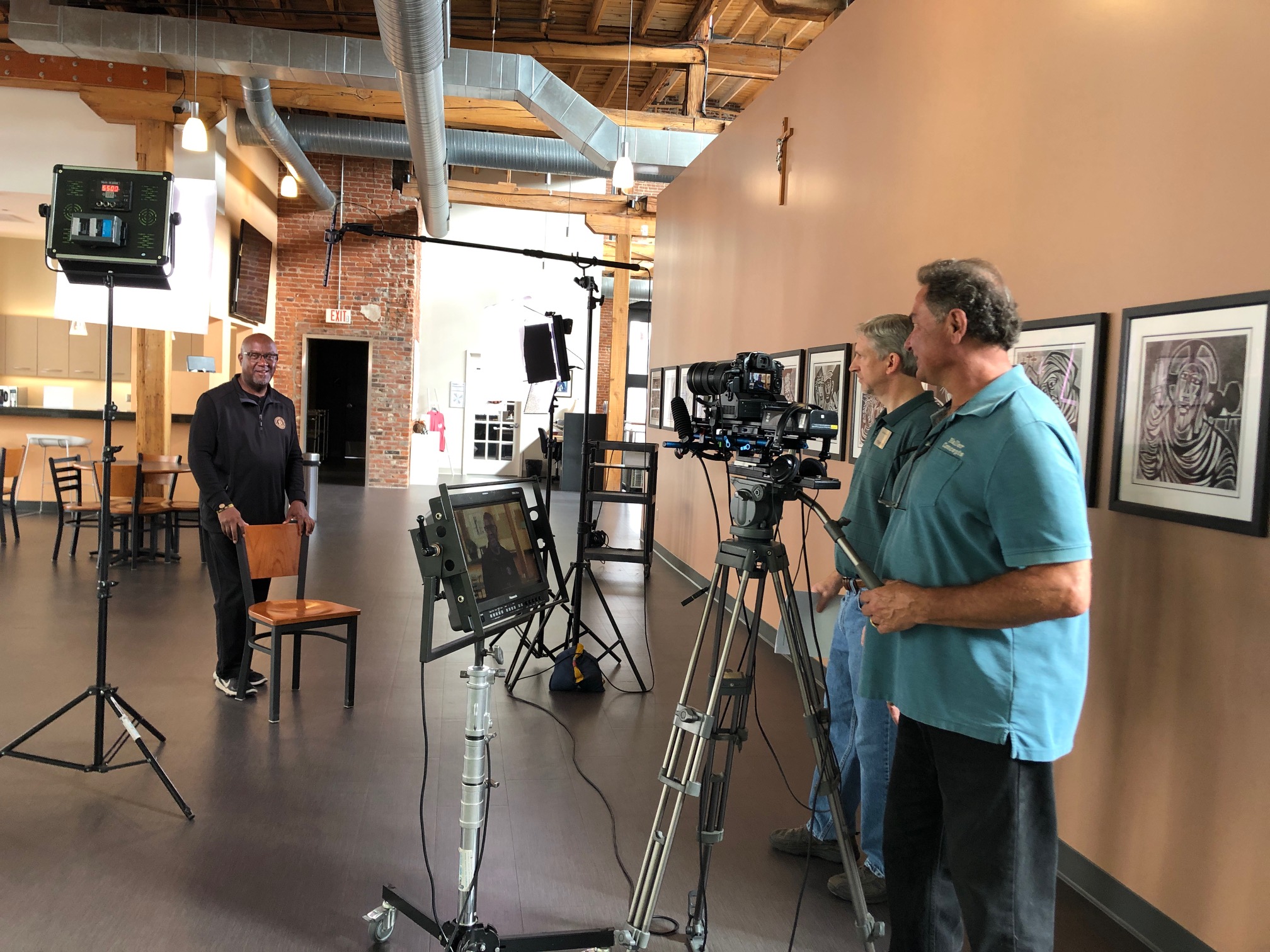
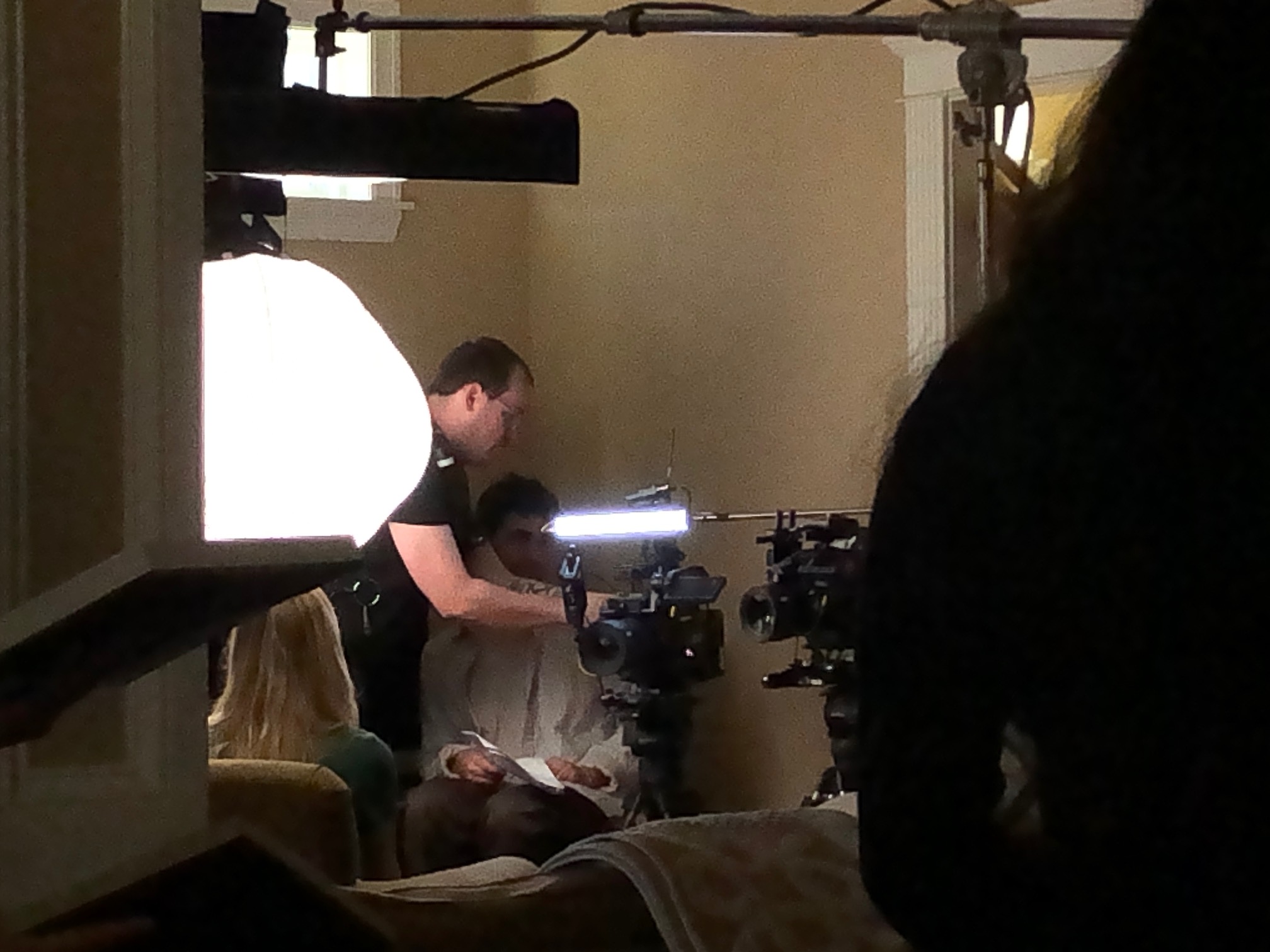
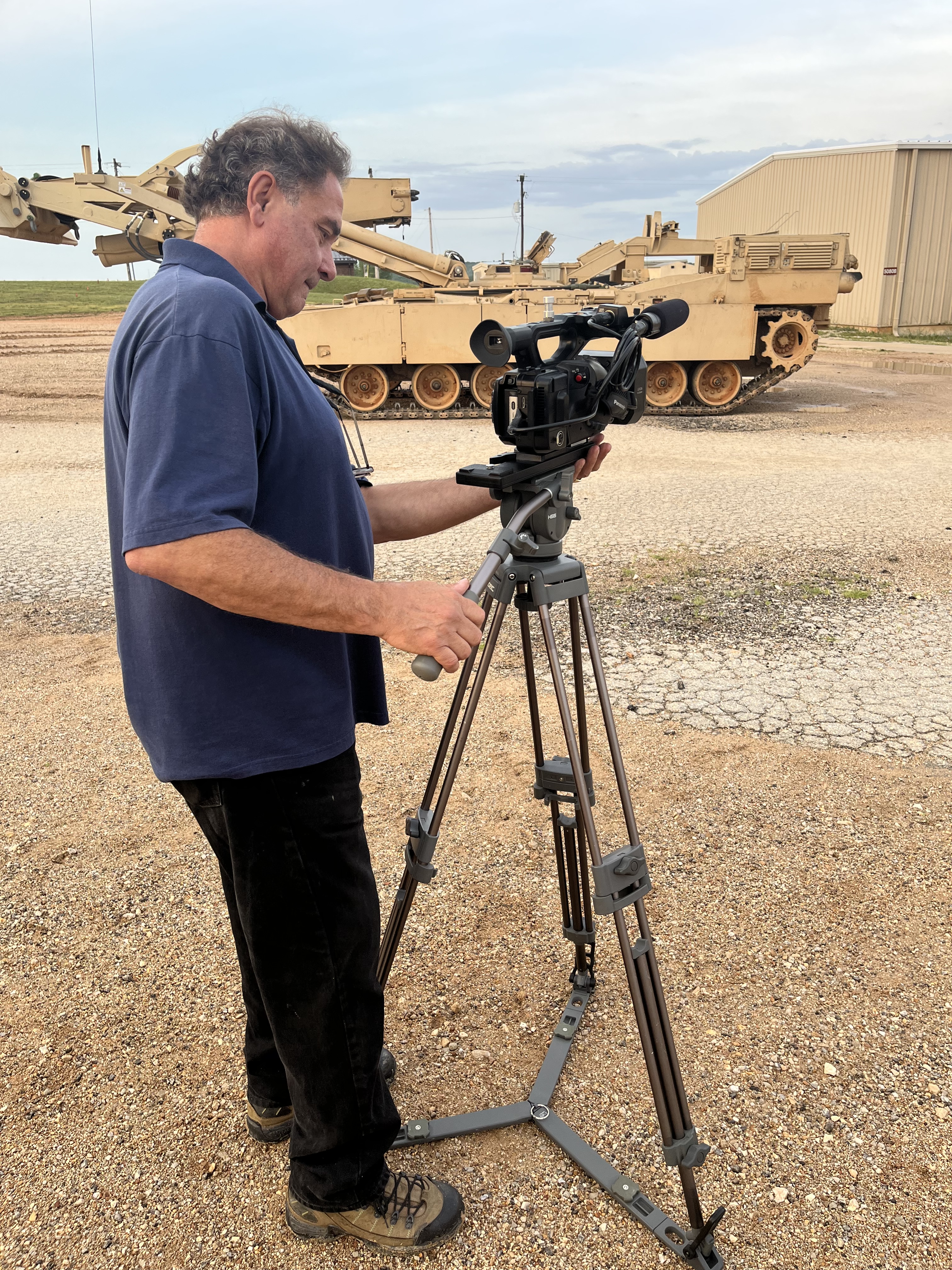
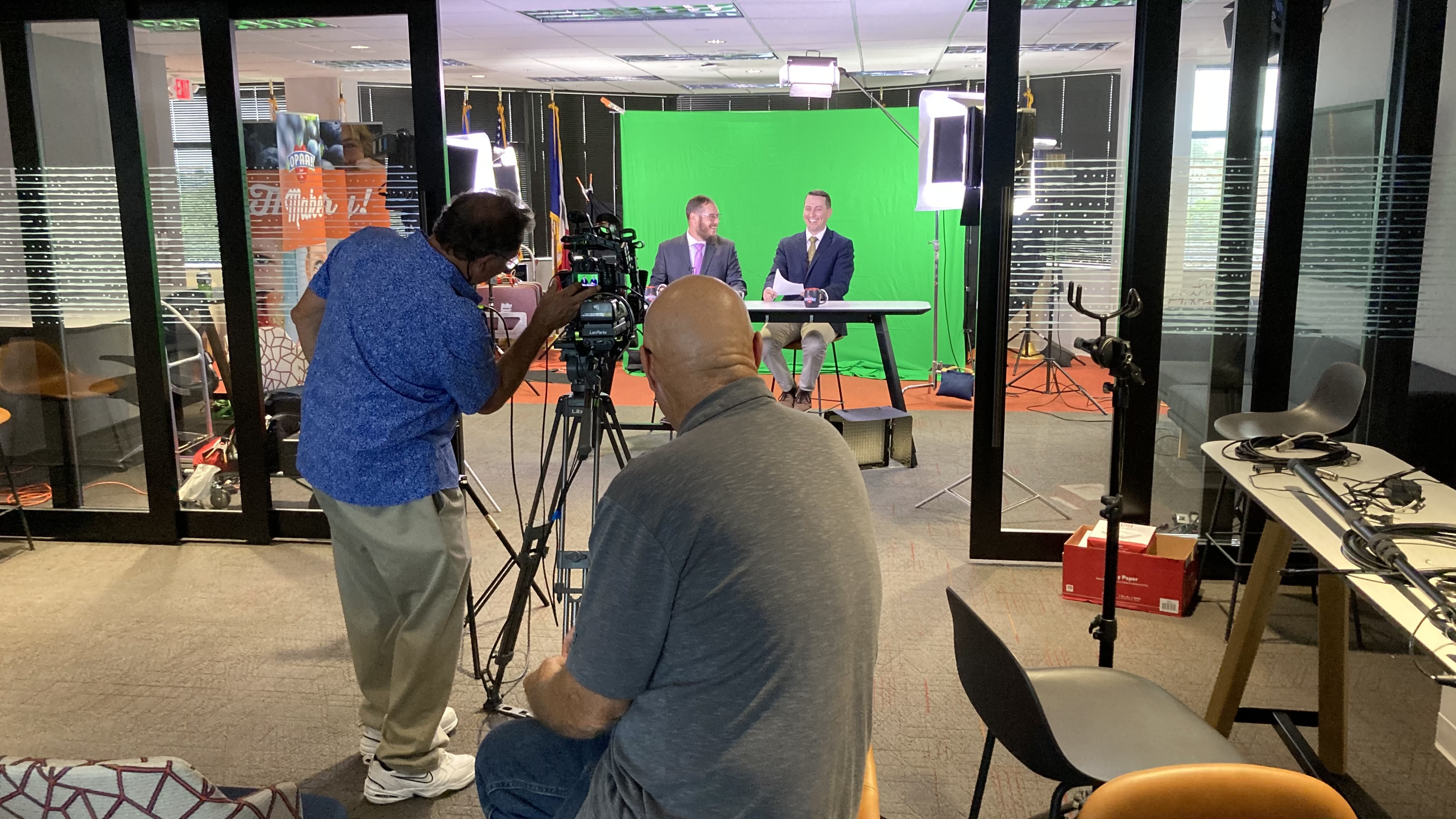

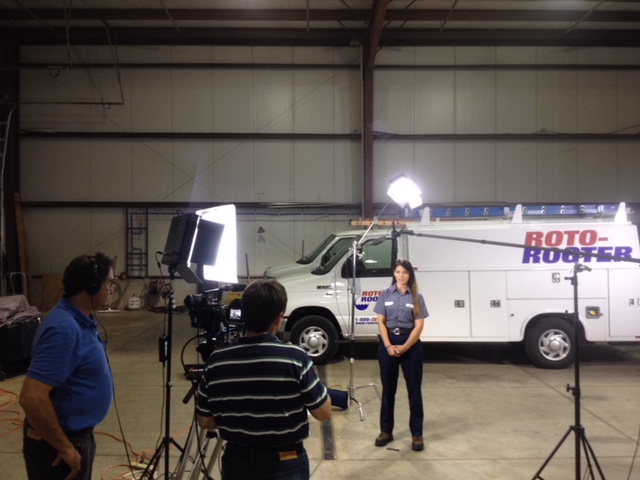
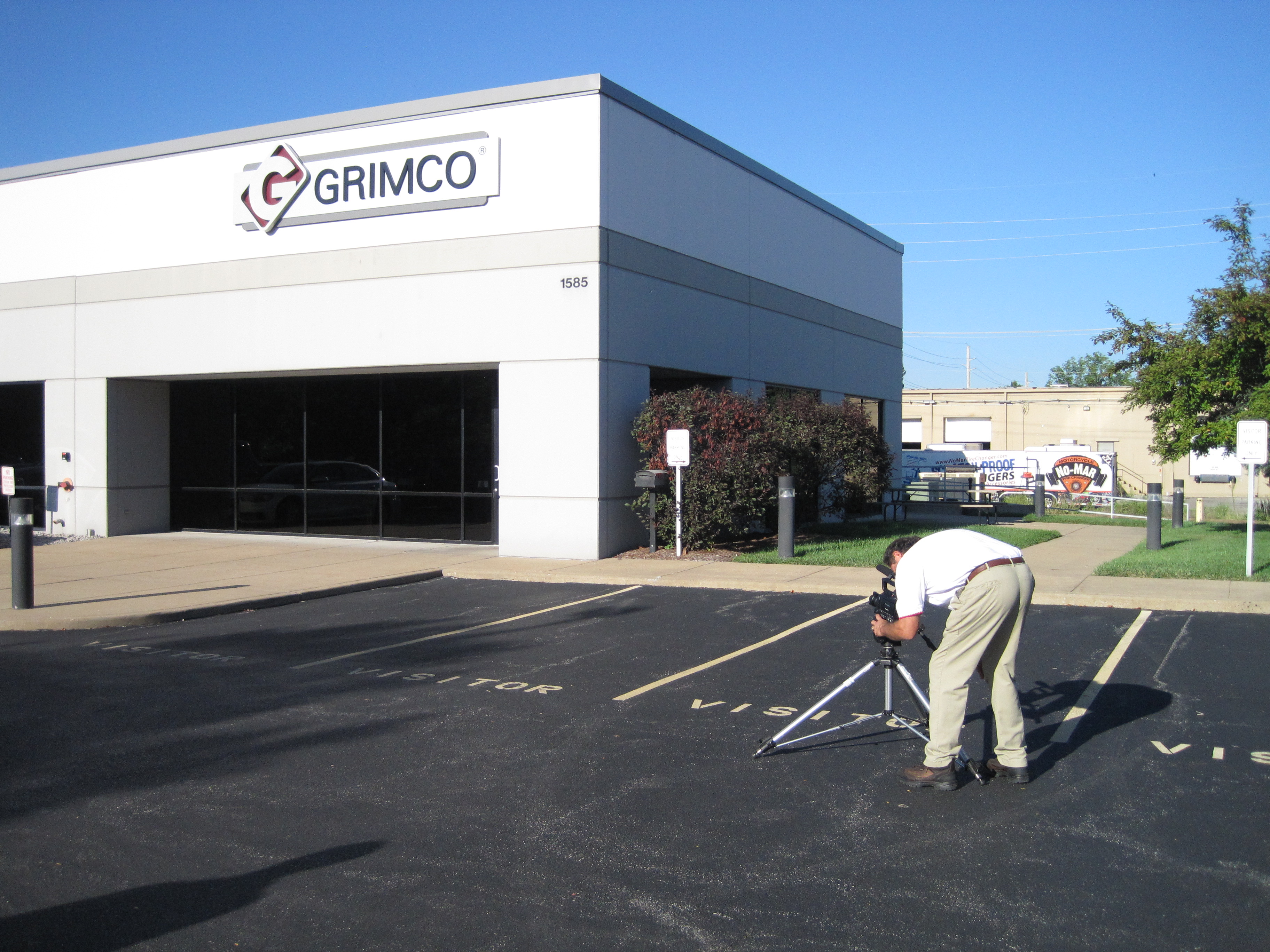

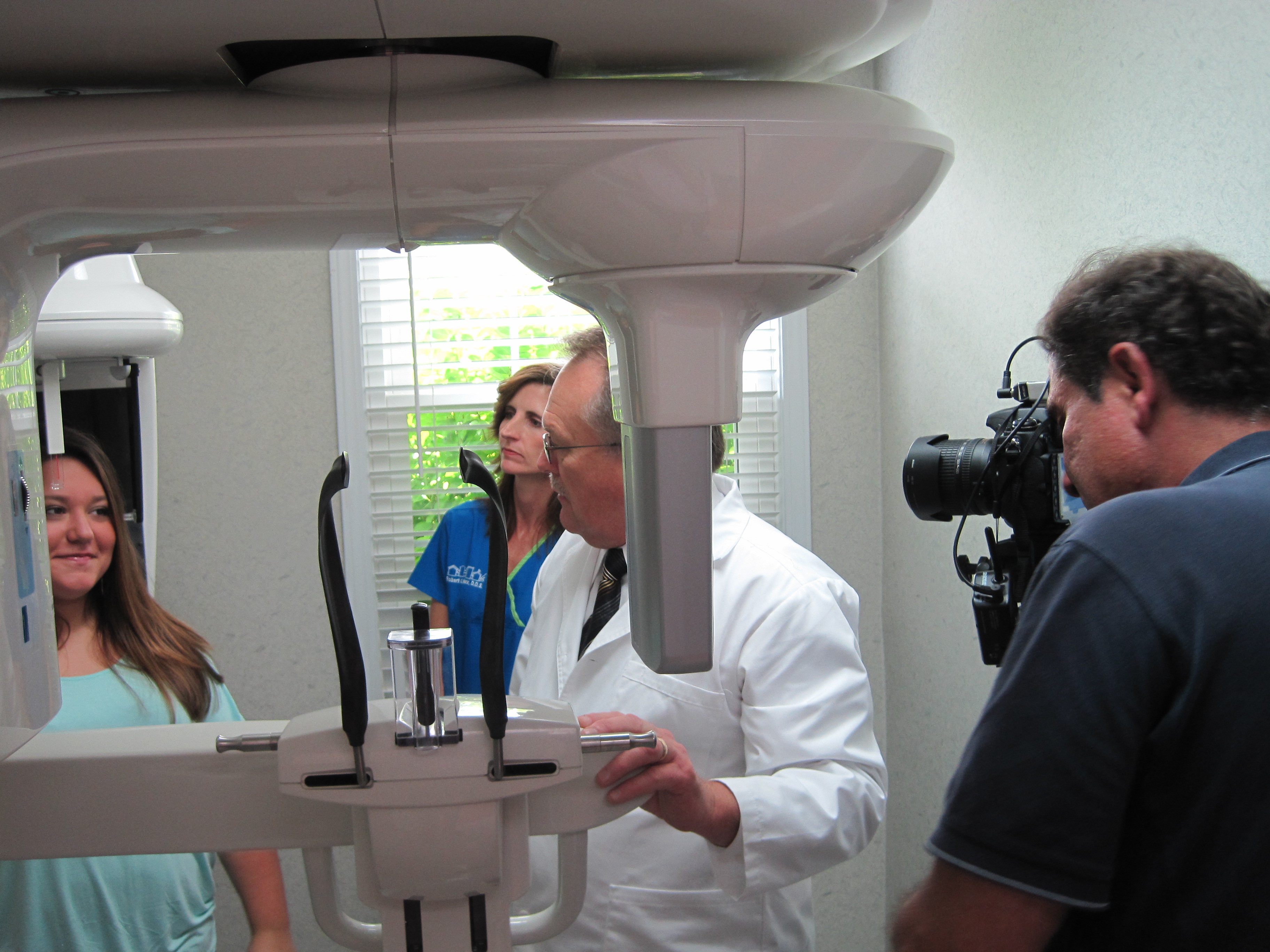
For example, location photography is especially effective for:
- Corporate lifestyle photography
- Manufacturing and industrial photography
- Medical and healthcare photography
- Office and workplace branding images
- Architecture and interiors
- Team collaboration imagery
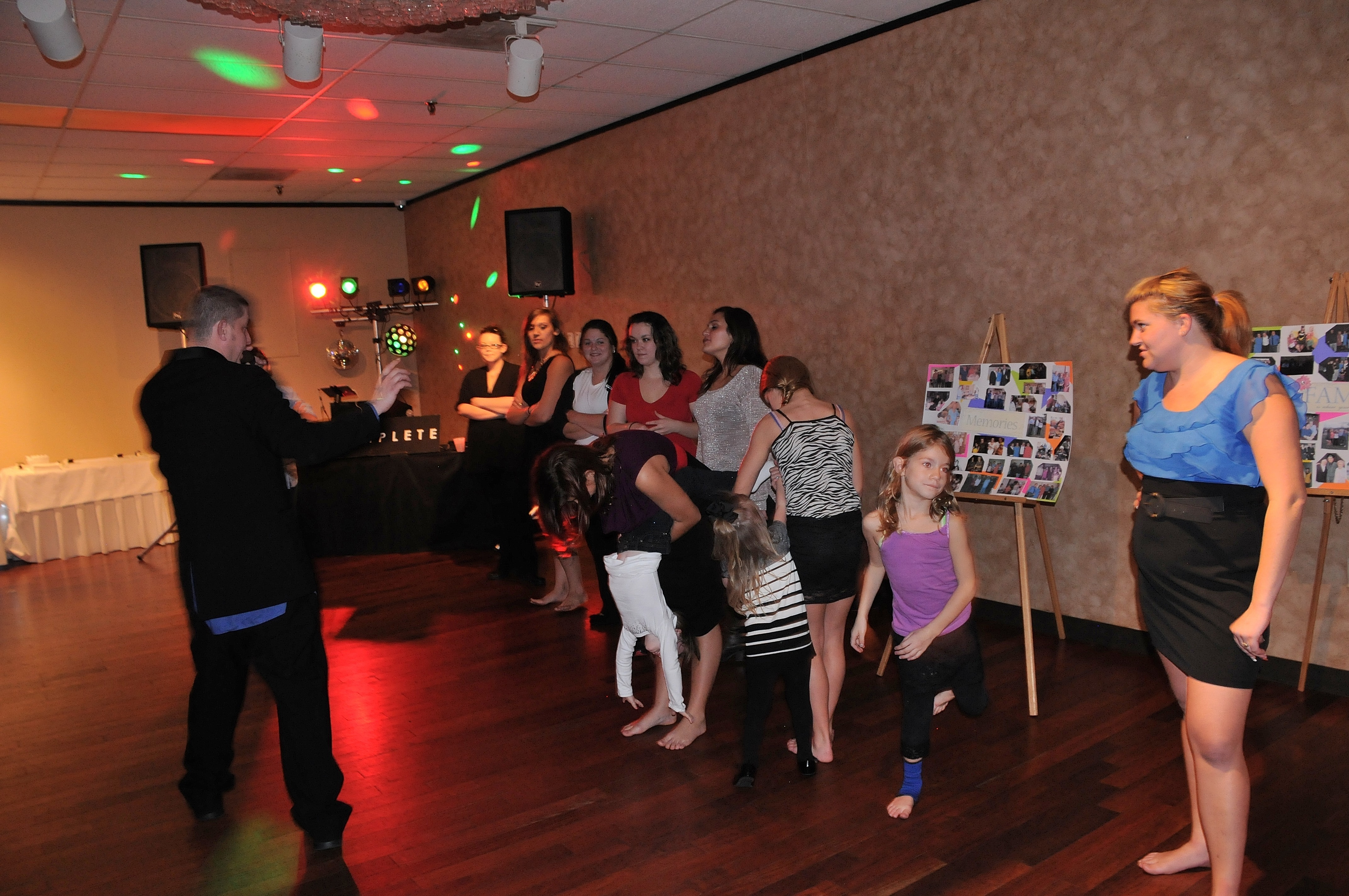
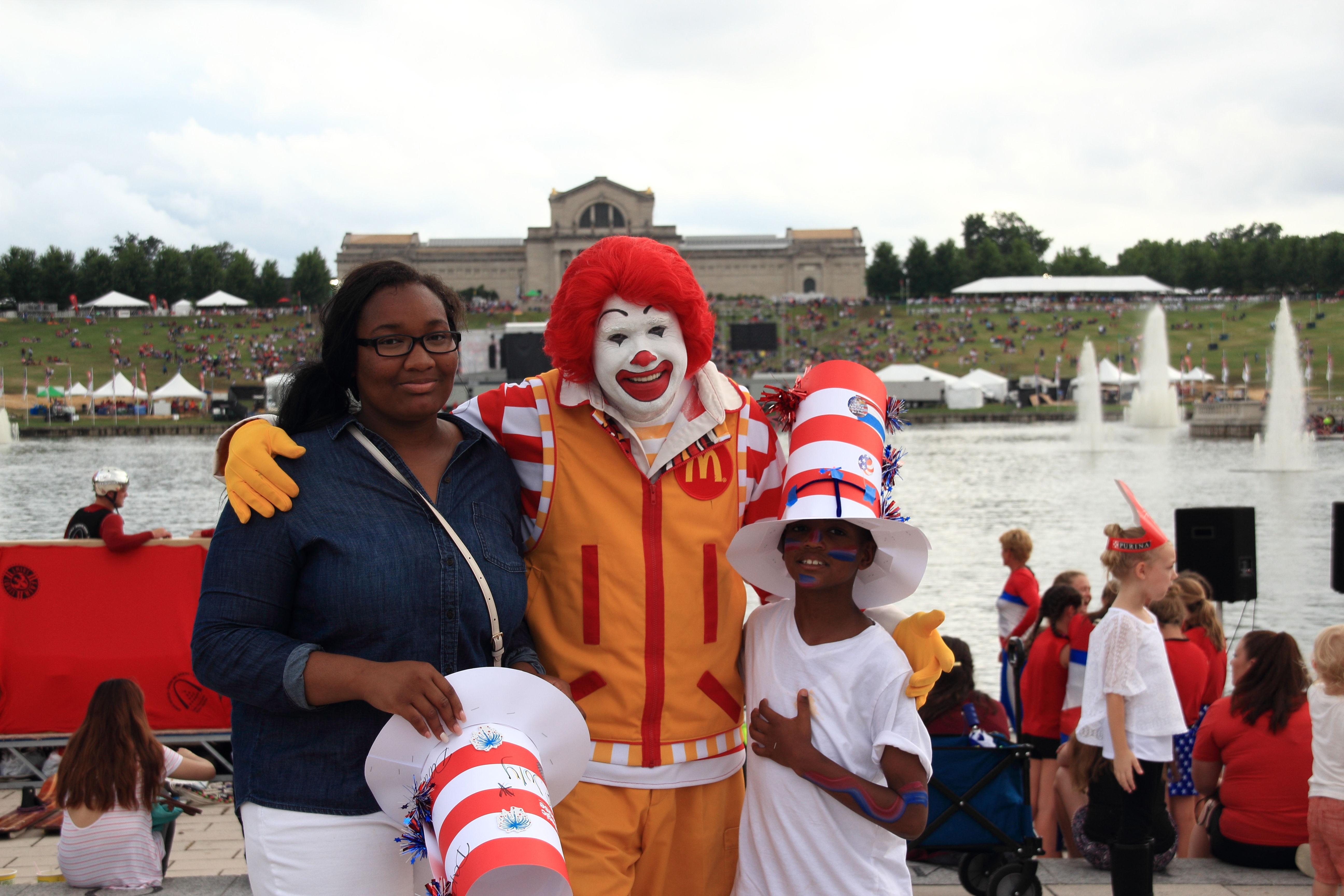
- Event photography
- Environmental portraits
When used well, location images tell viewers not just who a company is, but how it operates.
Stronger Storytelling
Marketing photography is not only about appearance. It is about communication. Shooting at a business location can reveal scale, workflow, craftsmanship, culture, and customer experience in ways a studio cannot.
A well-produced location shoot can capture:
- Employees interacting naturally
- Operations in progress
- Workspaces and facilities
- Customer-facing environments
- Equipment, machinery, or technical processes
- Leadership in context
These visual details help tell a richer brand story and give marketing teams more content variety.
More Visual Variety
Location work can provide multiple looks in a single production day. Hallways, conference rooms, production floors, exteriors, lobbies, labs, warehouses, rooftops, and public-facing areas can all serve as backgrounds. That variety is valuable for websites, brochures, presentations, recruiting materials, annual reports, ad campaigns, and social media libraries.
When planned correctly, one well-organized location shoot can generate months of usable brand content.
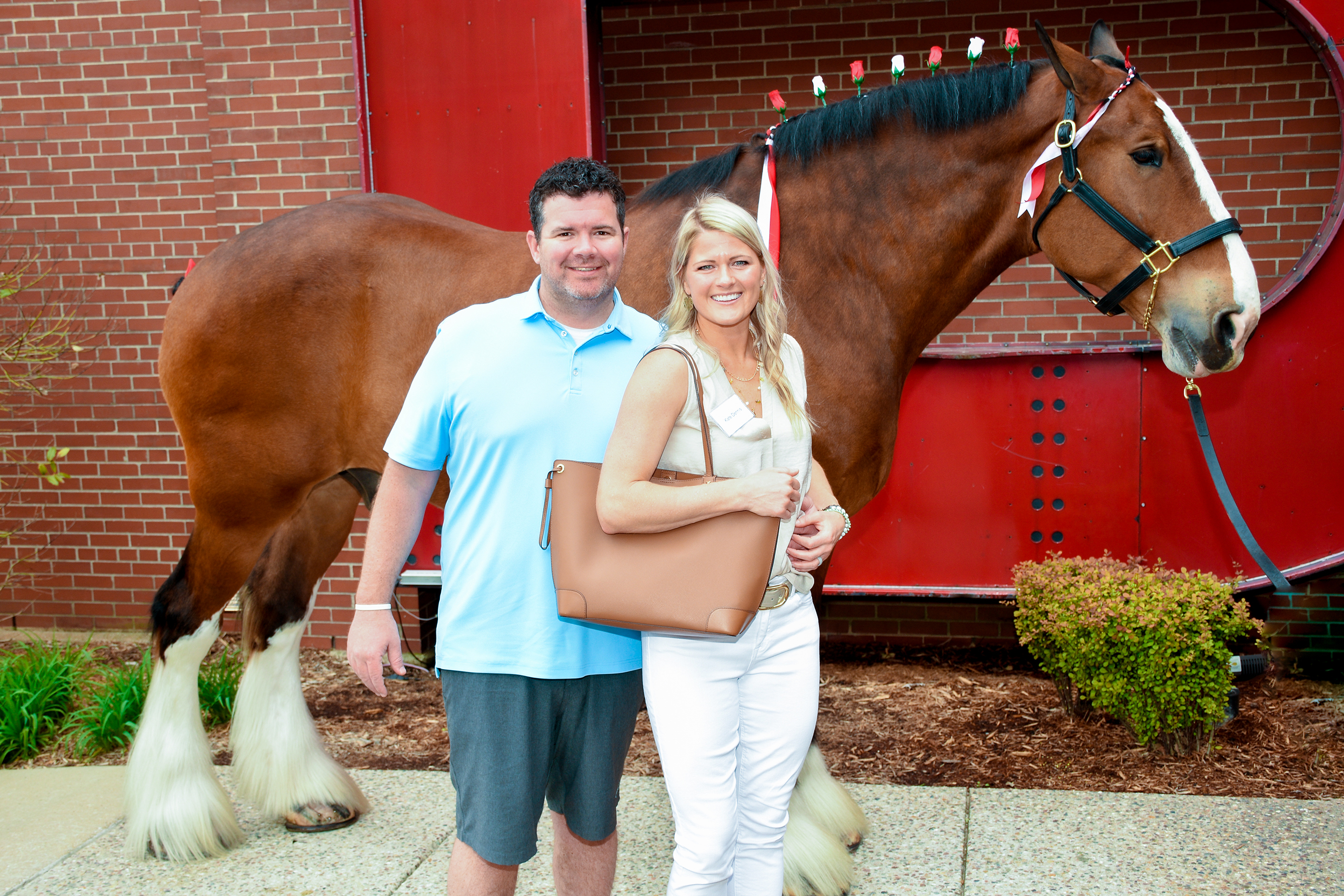



When to Choose Studio Photography
A studio environment is usually the better choice when your priority is polish, consistency, control, privacy, or repeatability. It is especially useful when the final imagery must align tightly across many subjects or when technical lighting quality is central to the result.
Studio photography is often the right solution when you need:
- Executive headshots with a refined, consistent look
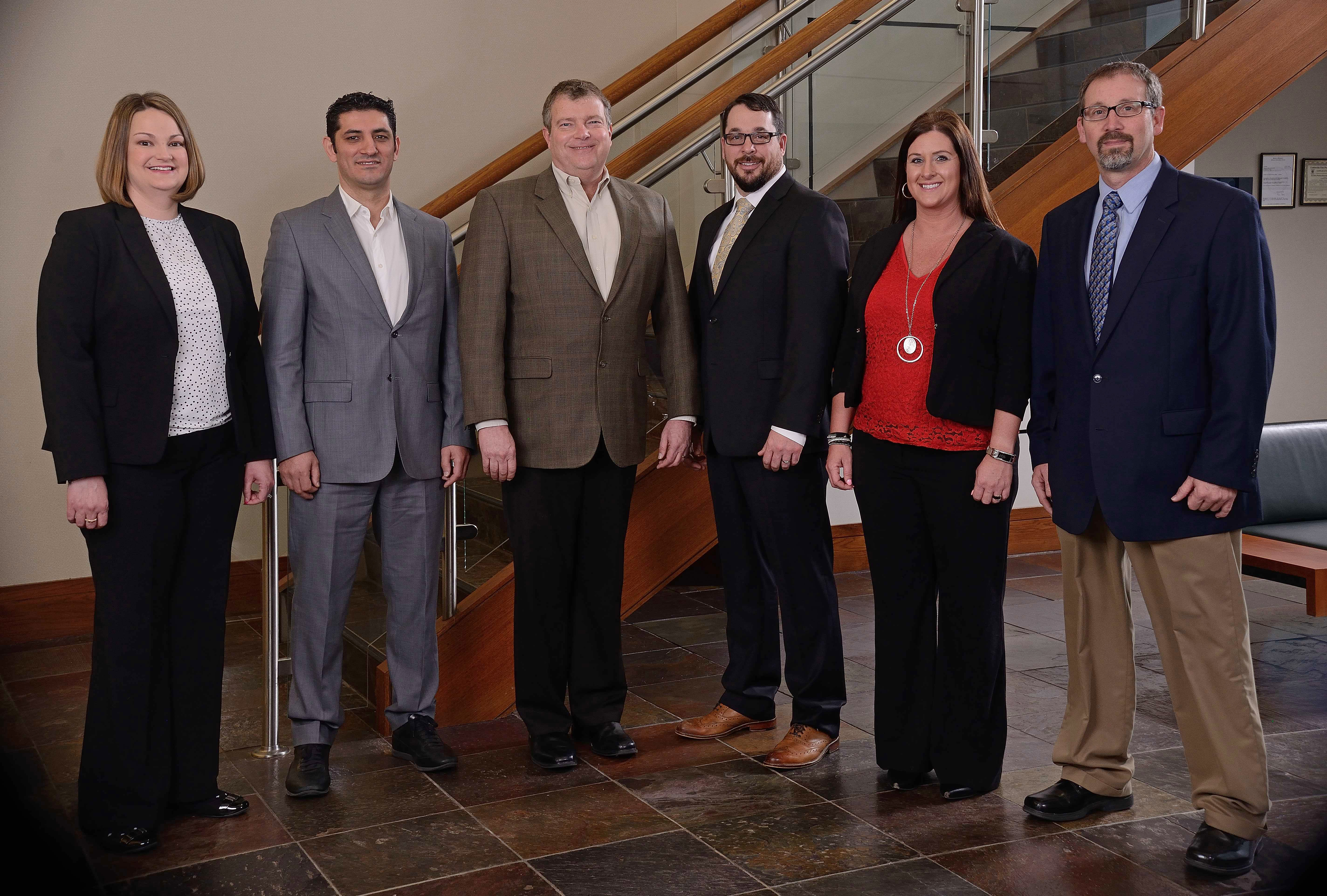
- Team portraits with matching lighting and composition
- Product photography with precise highlights and clean backgrounds
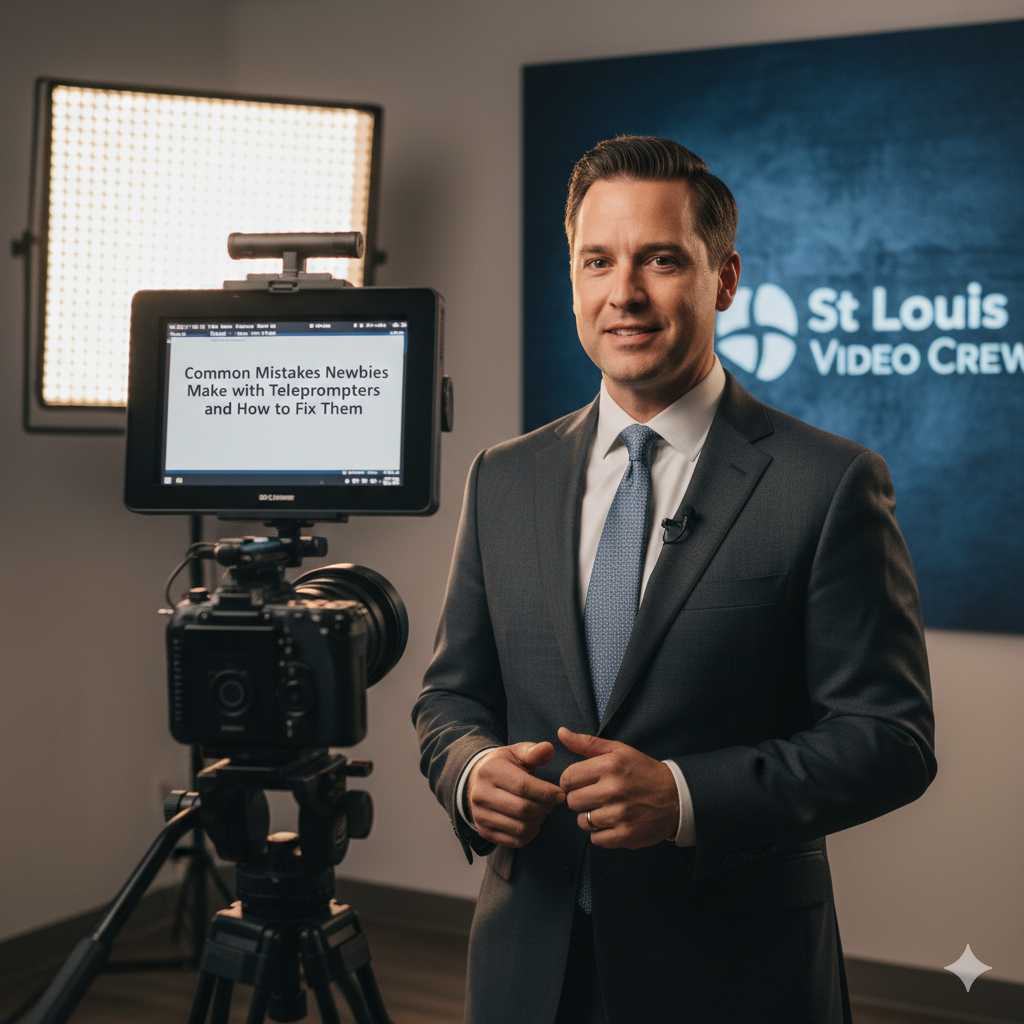
- Controlled interview video setups
- Branding portraits with designed lighting
- Confidential or distraction-free production conditions
Studios are also useful when on-site spaces are too dark, visually cluttered, too small, or too unpredictable for efficient image-making.
When to Choose Location Photography
Location photography is usually the stronger choice when context matters more than visual neutrality. If your marketing needs to show real environments, operational credibility, or organizational personality, the location becomes part of the message.
Location work is often the better solution when you need:
- Environmental portraits
- Workplace culture imagery
- Facility and architectural photography
- Industrial and manufacturing documentation
- Recruitment photography
- Client-facing or customer experience visuals
- Real-world branding imagery
For many organizations, location photography helps move the visual message from generic to credible.
Why a Hybrid Approach Often Works Best
In many commercial projects, the smartest solution is not either-or. It is both.
A hybrid shoot might include studio headshots in the morning and on-location environmental portraits in the afternoon. It might combine a clean interview setup with supporting b-roll captured throughout a facility. It might include polished product shots in a controlled studio environment and lifestyle use images created on-site.
This blended strategy gives marketing teams a broader asset library. It also supports multiple uses across platforms, from websites and print collateral to recruiting, public relations, sales decks, social content, and paid media campaigns.
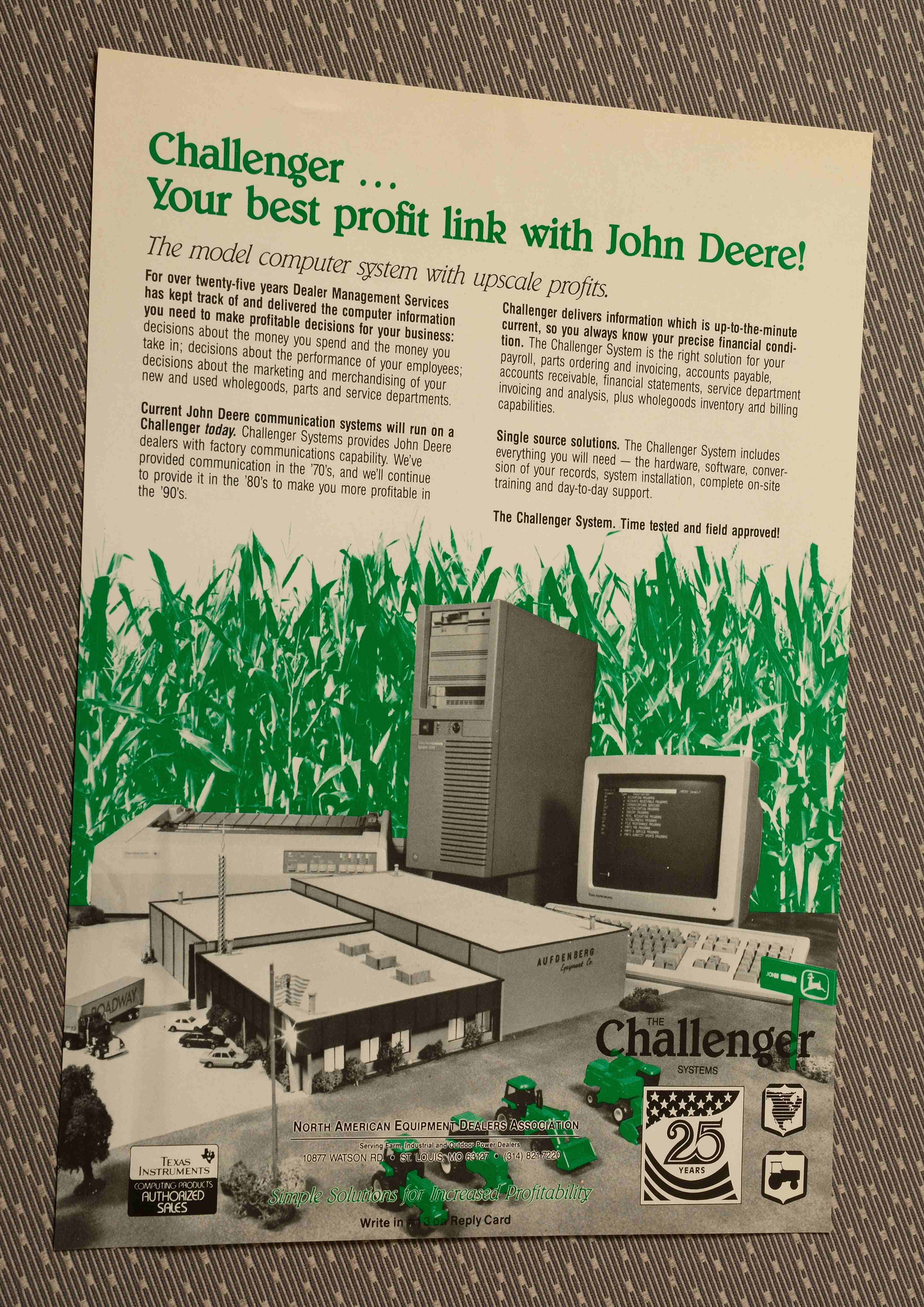

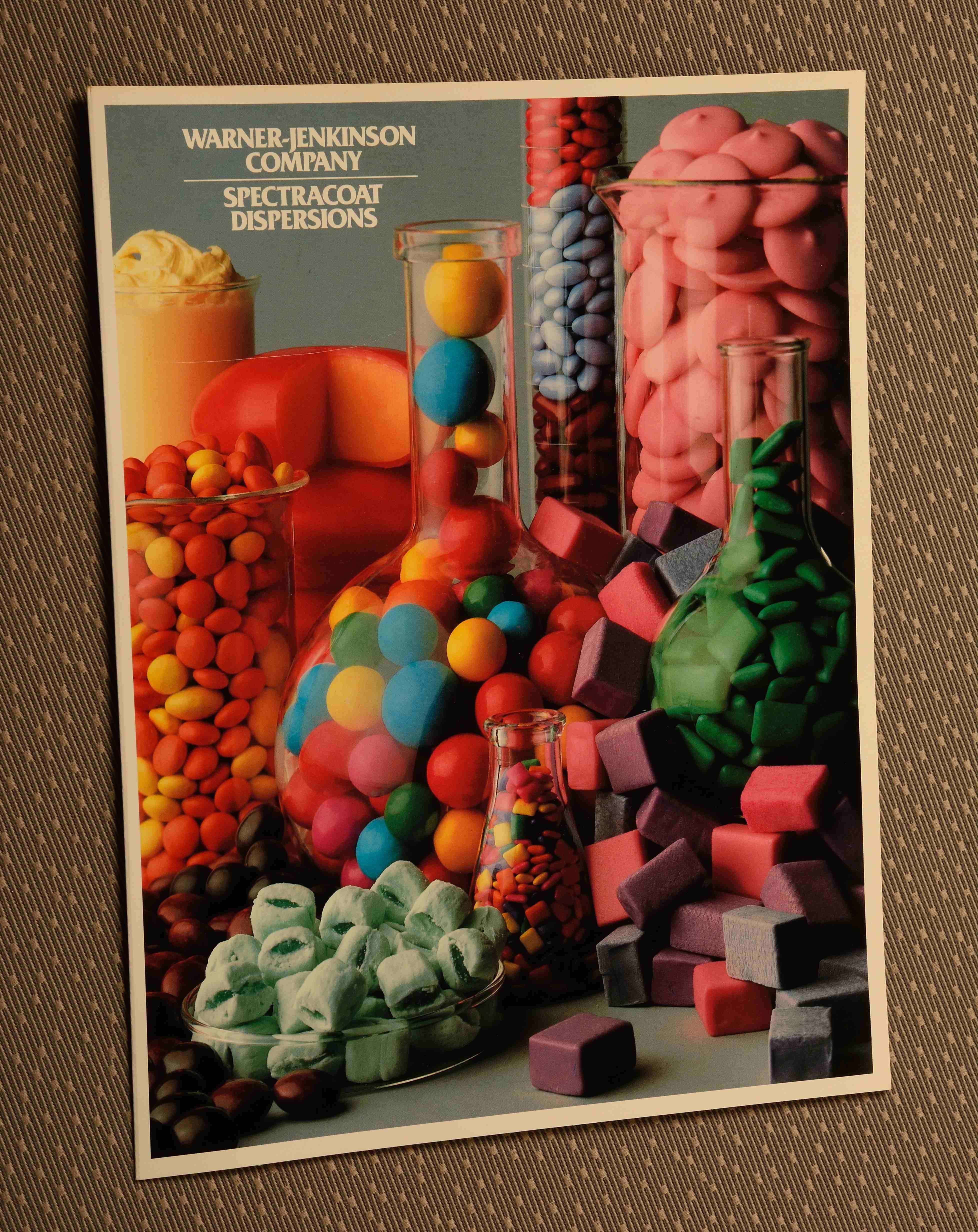

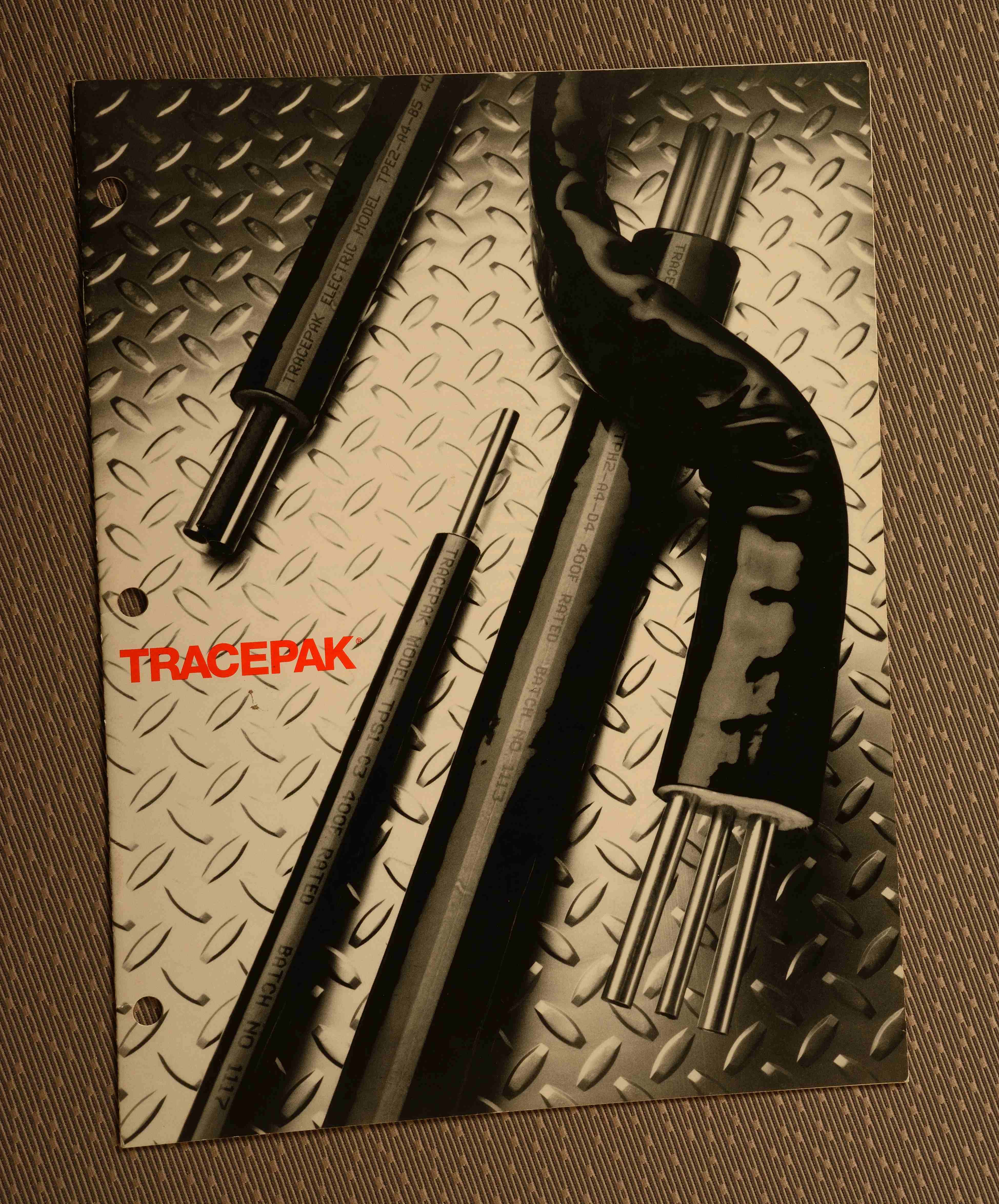
A single production can generate:
- Formal portraits
- Candid workplace images
- Website hero images
- Social media assets
- Print-ready marketing photography
- Interview video footage
- B-roll for brand storytelling
That kind of planning creates efficiency and extends the value of the shoot long after production day is over.
Planning for Better Results
The strongest photography projects begin with thoughtful pre-production. Whether the images are created in a studio or on location, preparation makes the difference between average coverage and a strategic visual library.
Key planning areas include:
Creative Goals
What should the imagery communicate? Professionalism, innovation, accessibility, scale, warmth, precision, energy, trust? The answer affects lighting, wardrobe, framing, background choices, and location selection.
Intended Use
Where will the images live? Website, trade show displays, ad campaigns, investor presentations, social media, recruiting, internal communications, annual reports? Usage shapes format, composition, and production priorities.
Subject Preparation
People photograph better when they know what to expect. A clear production plan helps executives and employees feel prepared and confident, which improves results on camera.
Scheduling and Logistics
Location work often requires coordination with staff, facilities, operations, and available light. Studio work may require background selection, prop planning, product prep, and shot sequencing. Efficient planning keeps the day productive.
Shot List Development
A strategic shot list helps ensure the production captures not just what looks good, but what the marketing team will actually use.



The Importance of Experience in Commercial Photography
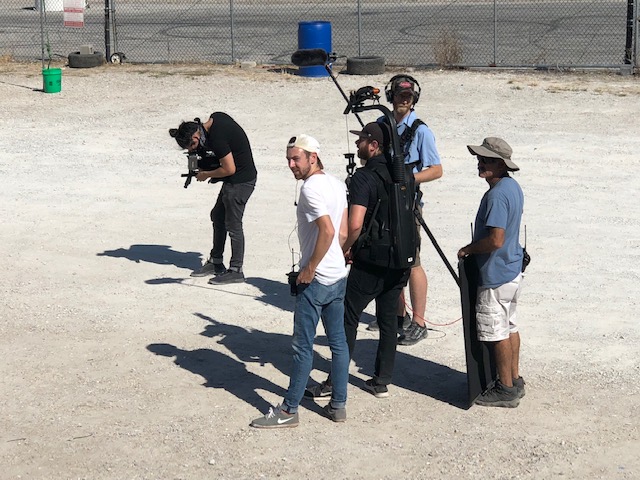
Studio and location photography each demand different skill sets. Studio work requires lighting control, composition discipline, and precision. Location work requires adaptability, problem-solving, environmental awareness, and the ability to work efficiently in real-world conditions.
Commercial clients benefit from crews who understand both.
That experience matters when lighting a CEO in a controlled studio setup, managing reflections on a product, photographing in a busy office without disrupting operations, filming an interview while gathering useful b-roll, or integrating drone footage into a broader visual campaign. The goal is not simply to take pictures. It is to produce the right images, under the right conditions, for the right business purpose.
Studio and Location Photography as a Marketing Asset
The best professional photography does not just fill space on a website. It builds trust. It signals professionalism. It helps businesses look established, capable, and credible. It can improve brand consistency, strengthen recruiting, support public relations, elevate presentations, and make advertising more effective.
That is why organizations increasingly view photography not as a one-time task, but as part of a larger content strategy. With the right production planning, a photography session can become the foundation for months or even years of visual communication.
Work with Experienced St. Louis Corporate Photography Professionals
At St Louis Corporate Photographer, we understand how to create effective imagery both in the studio and on location. Since 1982, we have worked with many businesses, marketing firms, and creative agencies in the St. Louis area on marketing photography and video projects designed to meet real business objectives.
St Louis Corporate Photographer is a full-service professional commercial photography and video production company with the right equipment and creative crew service experience for successful image acquisition. We offer full-service studio and location video and photography, as well as editing, post-production and licensed drone services. St Louis Corporate Photographer can customize your productions for diverse types of media requirements. Repurposing your photography and video branding to gain more traction is another specialty.
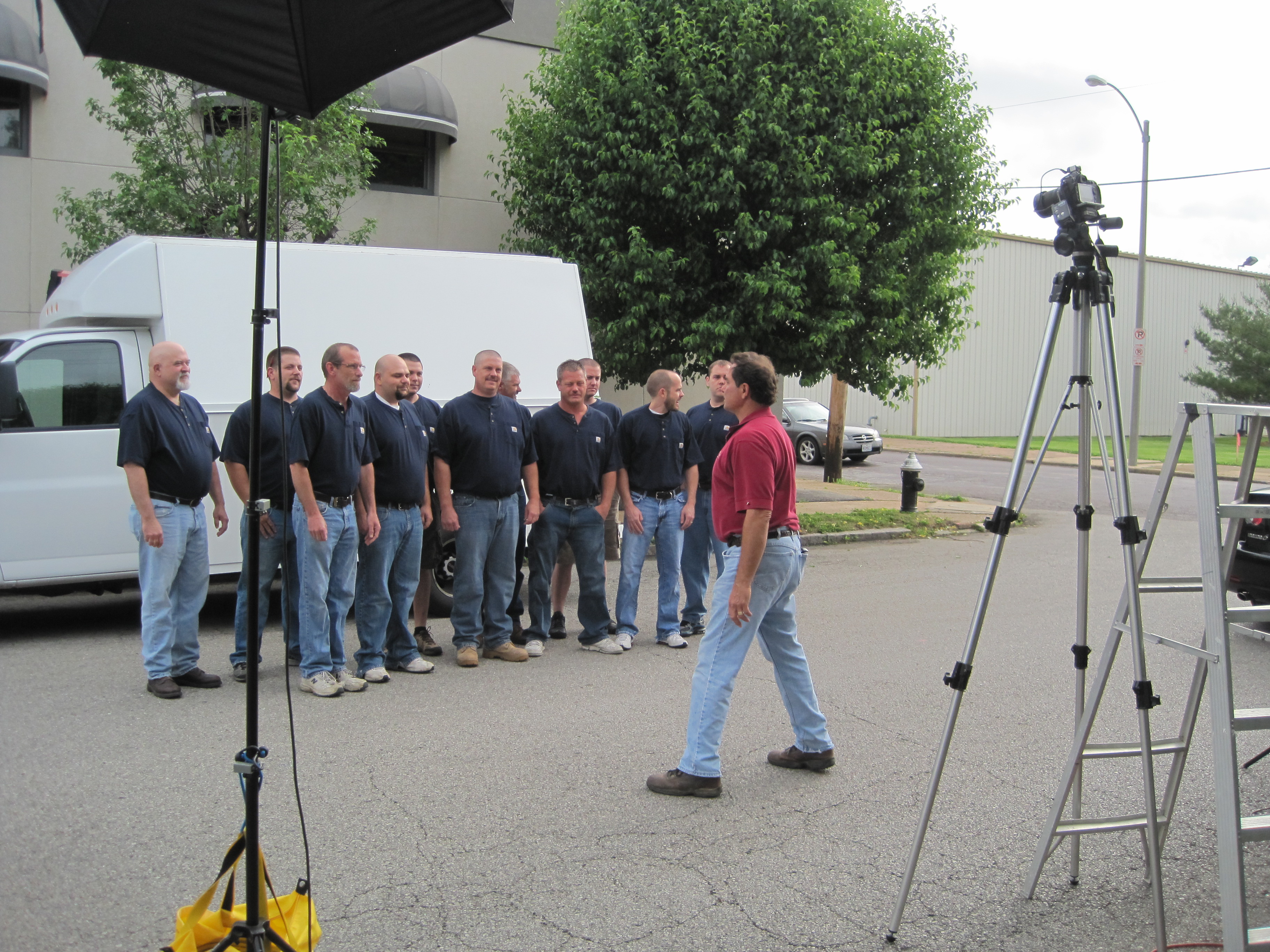
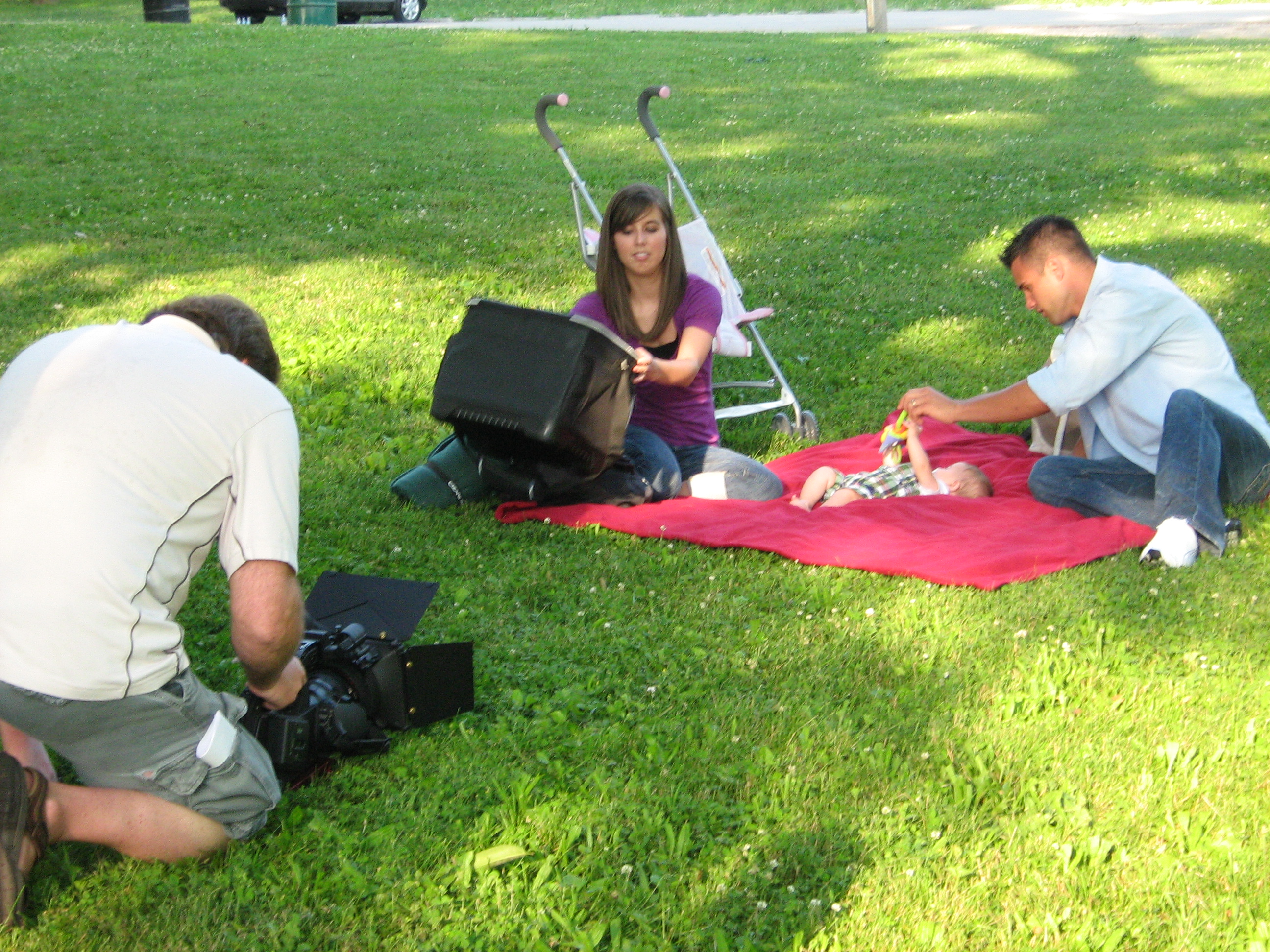
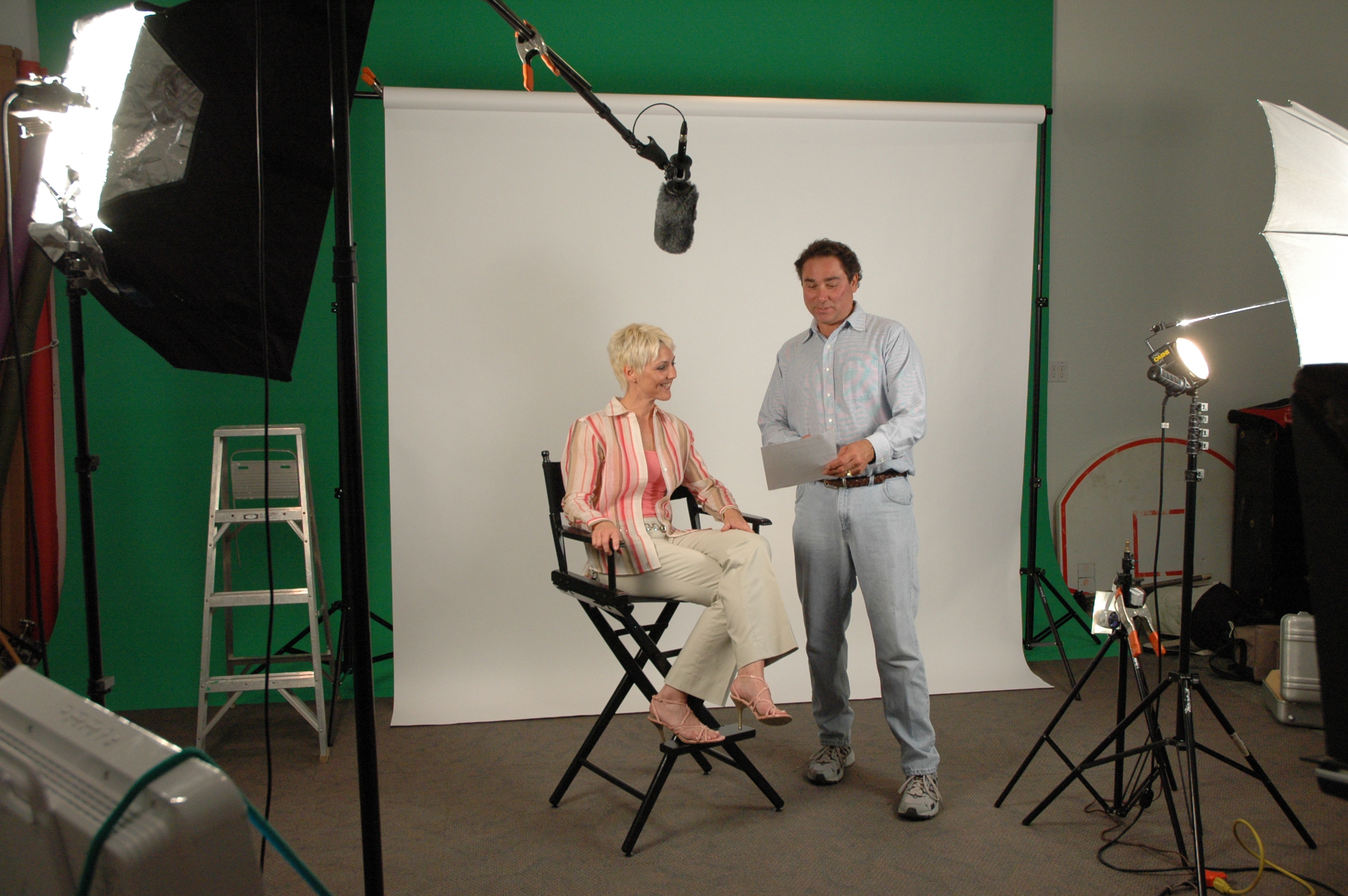
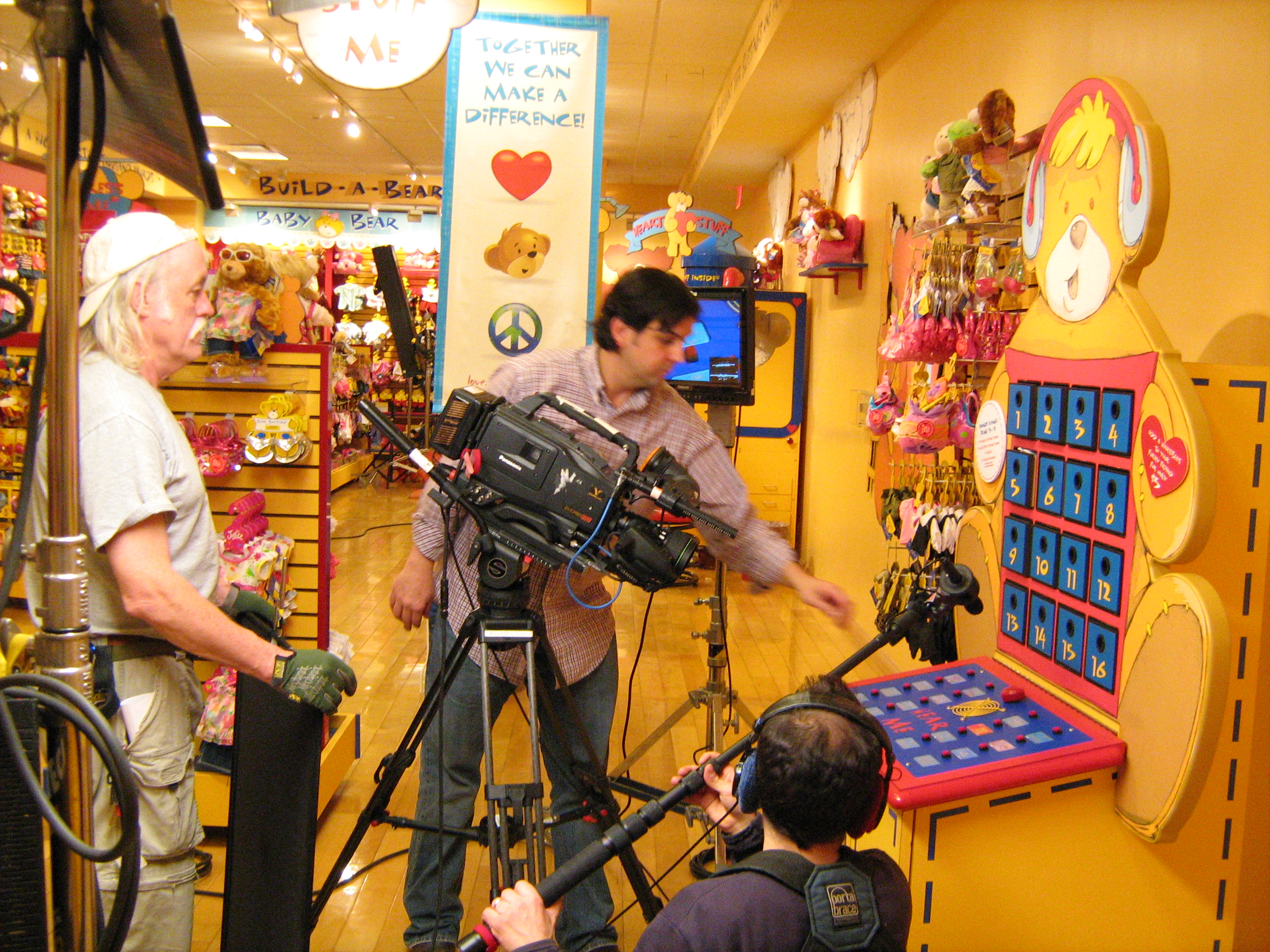
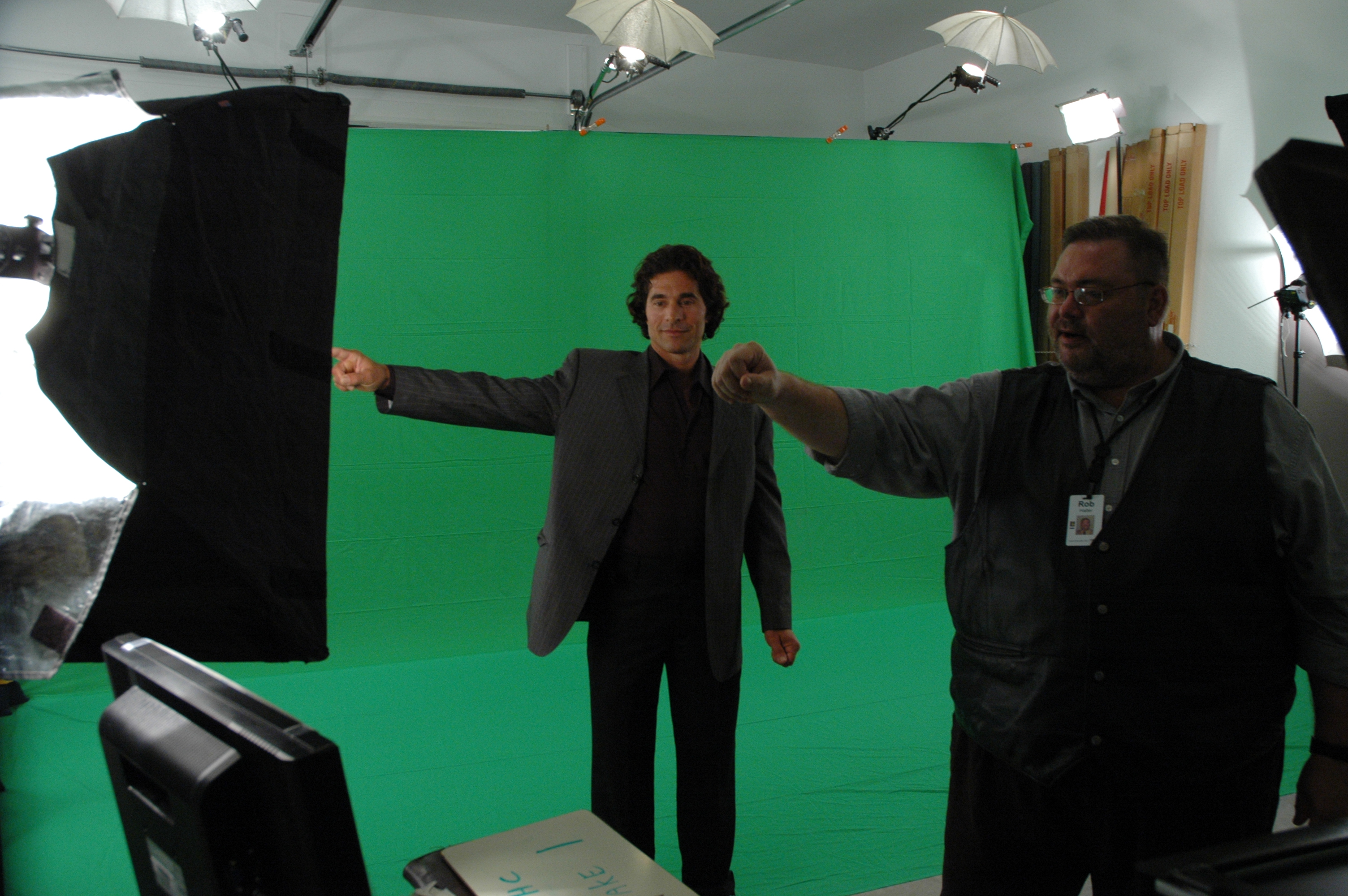

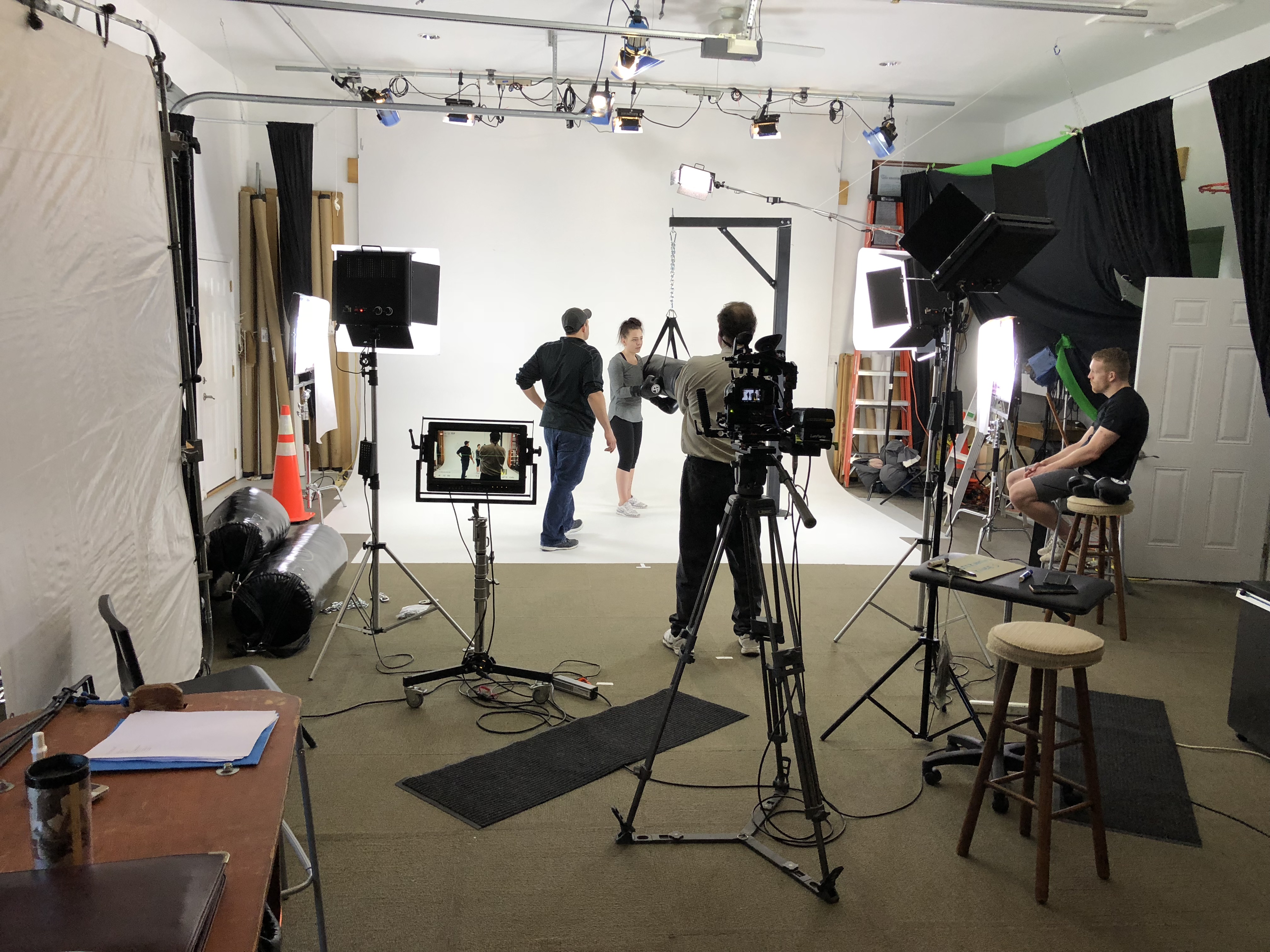
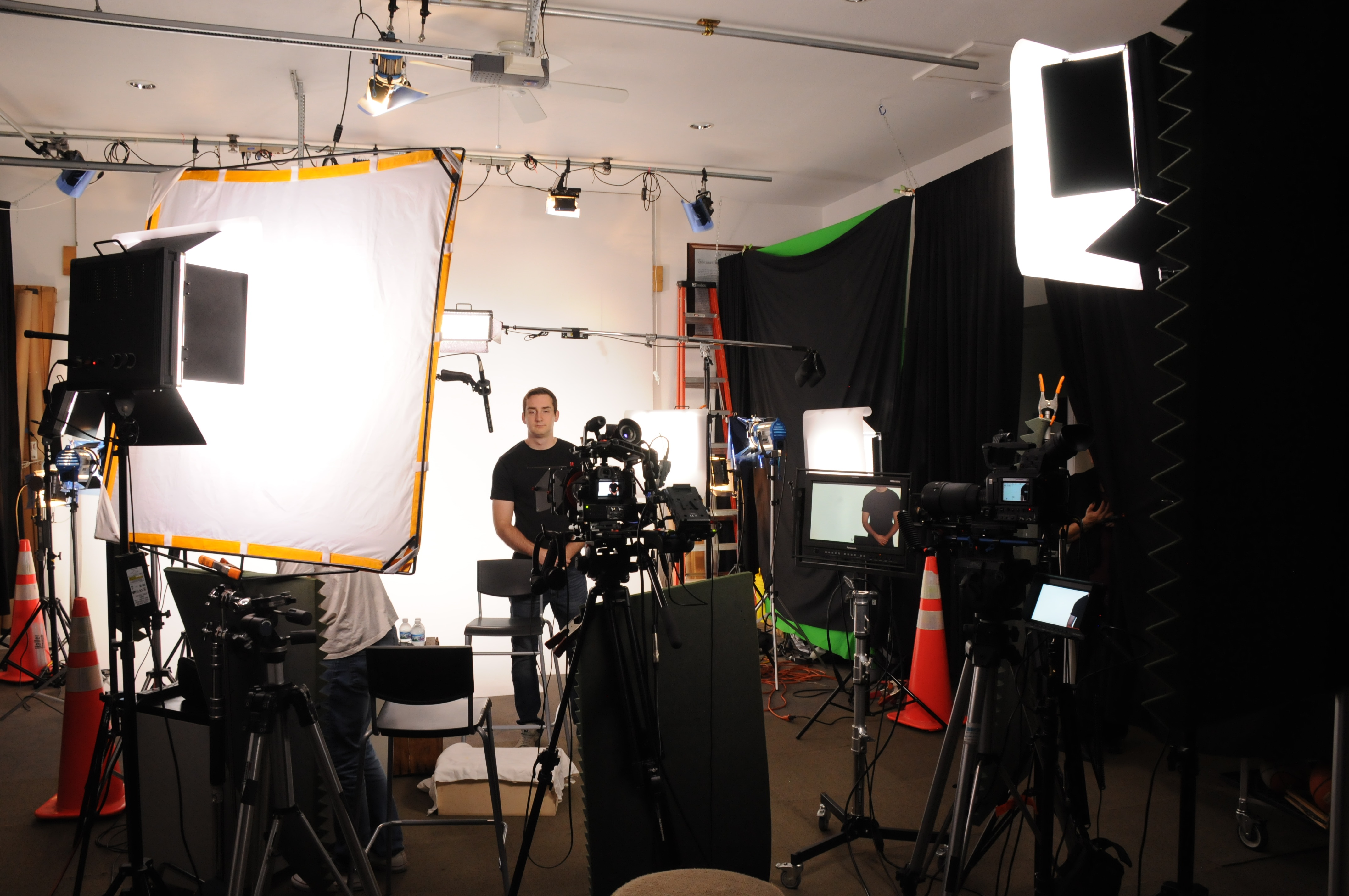
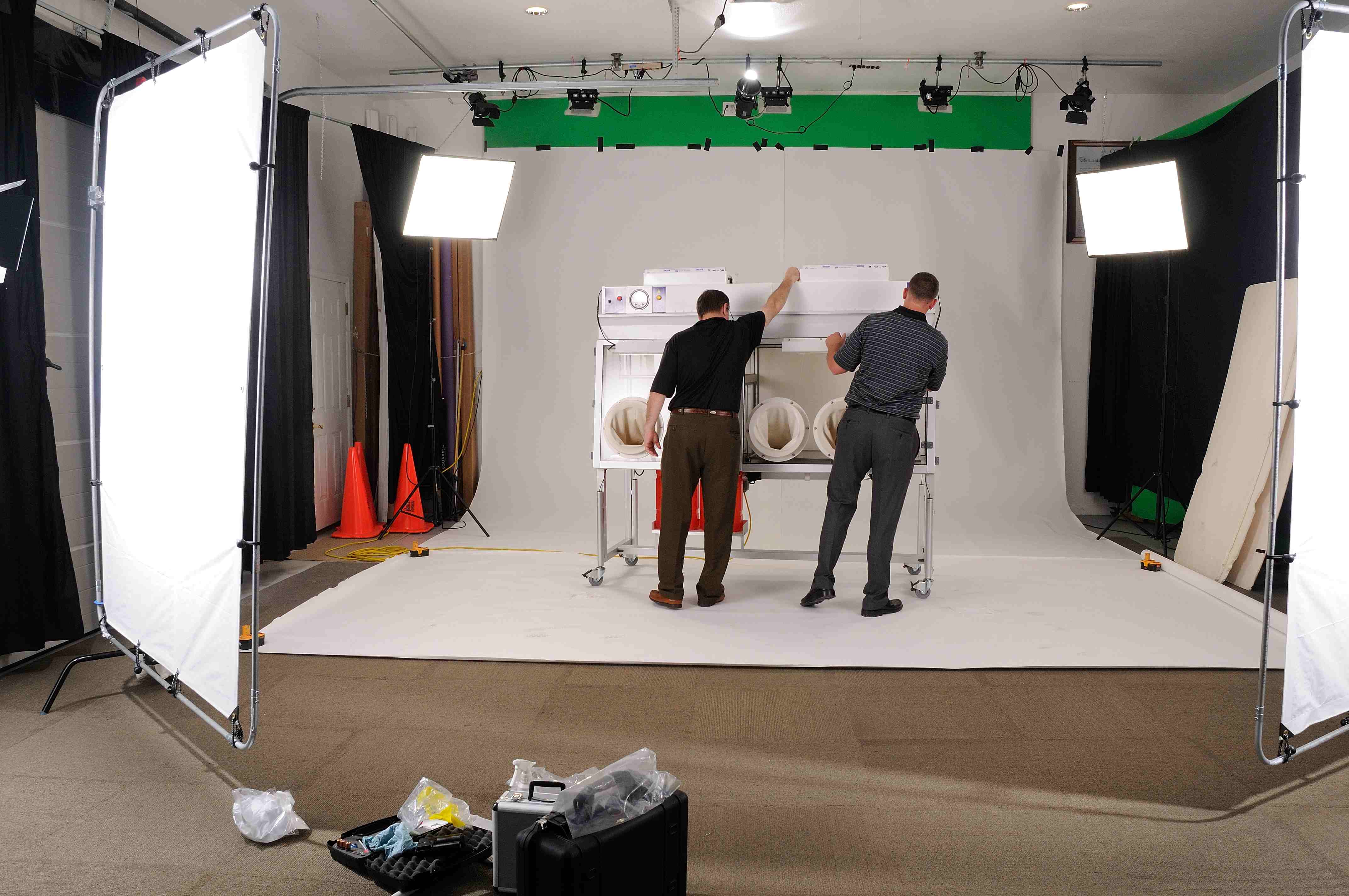
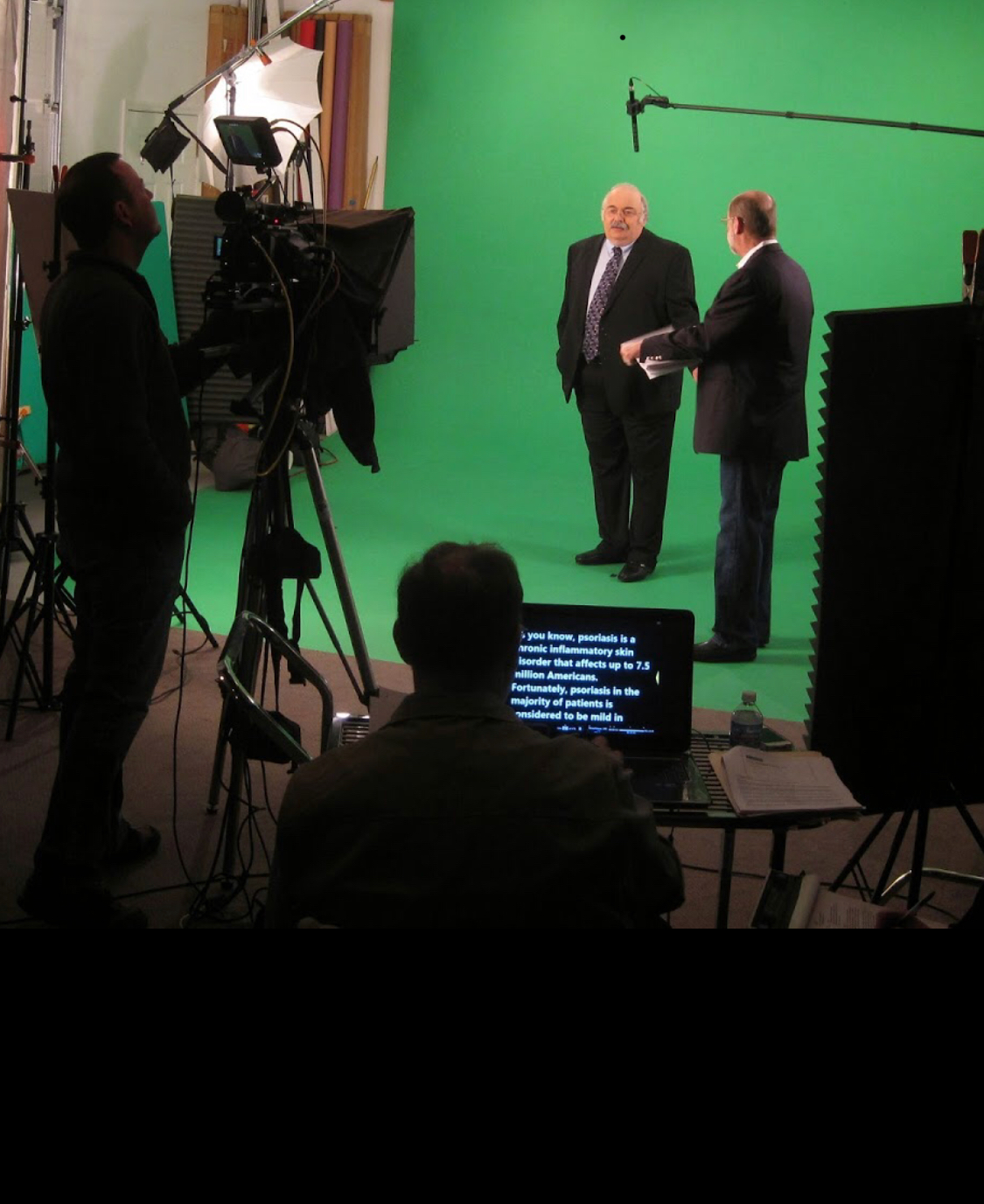
We are well-versed in all file types and styles of media and accompanying software. We use the latest in Artificial Intelligence for all our media services. Our private studio lighting and visual setup is perfect for small productions and interview scenes. Our studio is large enough to incorporate props to round out your set. We support every aspect of your production—from setting up a private, custom interview studio to supplying professional sound and camera operators, as well as providing the right equipment—ensuring your next video production is seamless and successful.
We are also location scouting and b-roll specialists. We can fly our specialized FPV drones indoors, and our drone specialty services include infrared thermal, orthomosaics, and LiDAR. Whether your project calls for polished studio portraits, authentic workplace photography, cinematic video interviews, drone imaging, or a hybrid visual campaign that combines everything into one efficient production, St Louis Corporate Photographer has the experience to help you create media that works.















 St Louis Corporate Photographer