Easy Ways to Prep Your Venue for Professional Event Photography — A Field-Proven Playbook

As a corporate photographer and producer, I’ve learned that the best event images are won (or lost) before the first guest arrives. Venue prep is the single most controllable lever you have to elevate coverage from “documentation” to “brand asset.” Below is a practical, 30–60 minute playbook your team can run with any venue to ensure clean visuals, consistent lighting, and a friction-free shoot that yields more usable content for marketing, PR, and employer brand.


1) Walk the Space Like a Camera Will

Objective: Identify backgrounds that read “on-brand” and remove visual noise.

Do this:

  • Stand where key moments happen (stage, podium, step-and-repeat, registration, demo stations). Snap phone test shots to check sightlines and background clutter (exit signs, trash cans, fire extinguishers, off-brand sponsor banners, tangled cables).
  • Choose two hero backdrops per room: one wide scene-setter and one tight branded background. Mark them with gaffer tape for repeatable angles.
  • Reserve a 10’ × 12’ “portrait pocket.” This is a quiet corner with clean wall or branded backdrop for VIP headshots, award winners, or last-minute team photos.

Pro tip: A background that looks fine to the eye may look chaotic at f/2.8 under mixed color temperatures. Your phone test frames will reveal it.


2) Light With Intention (and Consistency)

Objective: Avoid “raccoon eyes,” color casts, and mixed color temperatures that complicate post.

Do this:

  • Unify color temperature. Ask the venue to match overheads to 3200K (tungsten) or 5600K (daylight). If that’s not possible, switch off problematic pockets (greenish fluorescents) where key moments occur.
  • Add controlled fill at stage and lectern. A low-power, high-quality LED panel 15° off axis cleans shadows and keeps skin tones consistent for stills and video.
  • Dim house lights slightly during keynotes. This protects highlights on screens while keeping faces readable.

Pro tip: Put a small piece of white gaffer tape on the lectern edge so speakers naturally step to the light. It’s invisible in photos and saves you from silhouettes.

3) De-Clutter Cables, Stands, and Signage

Objective: Reduce retouching and distractions that dilute your message.

Do this:

  • Cable management. Route runs along perimeter walls, then cross at 90° with low-profile ramps; never diagonally across sightlines.
  • Hide cases and carts. Designate one “gear graveyard” out of frame—behind stage drape, service corridor, or storage room.
  • Rationalize signage. Group sponsor logos into one “owned” wall rather than scattering small signs everywhere.

Pro tip: If you can’t move it, mask it—black drape, plants, or branded foam boards clean up backgrounds fast.


4) Design Your “Moment Map” (Shot List That Actually Works)

Objective: Translate the run-of-show into visual priorities with contingency plans.

Do this:

  • Tier A moments (must-capture): stage welcomes, CEO remarks, award handoffs, ribbon cuttings, product reveals, full-room wides, VIP groupings.
  • Tier B moments (should-capture): attendee candids in clusters of 3–5, sponsor booths with engagement, hands-on demos, laugh/smile beats, note-taking.
  • Tier C moments (nice-to-have): environmental details, place settings, lanyards, behind-the-scenes.

Attach each Tier A moment to a physical location and a backup angle. Share with AV and stage manager so cues and lighting support the capture.
5) Build Brand Into the Frame (Subtly)

Objective: Every image should advance brand recognition without screaming “ad.”

Do this:

  • Layer brand elements: foreground branded tote or laptop sticker, mid-ground talent, background logo wall or color-washed uplights.
  • Color blocking: match stage wash and accent uplights to brand palette; avoid clashing gels.
  • Props with purpose: branded notebooks, mic flags, or step-and-repeat kept 4–6 feet behind subjects to allow pleasing bokeh.

Pro tip: If you’re sharing a venue, bring two portable 8’ pop-ups to “own” a corner visually.


6) Make Space for People (and Lenses)

Objective: Keep camera positions clear, safe, and flexible.

Do this:

  • Create two camera lanes: one center aisle for keynote symmetry and one side aisle for speaker profiles and audience reactions.
  • Reserve a tripod zone at back-of-house elevated 12–18” for locked-off wides (video and photo).
  • Add a small riser for group shots of 20–50 people; it changes everything for sightlines and speed.

Pro tip: Tape a 6’ semicircle around the lectern so well-meaning staff don’t crowd the speaker and block angles.


7) Align With AV Early (and Kindly)

Objective: Synchronize lighting, screens, and cues to avoid blown highlights and missed moments.

Do this:

  • Share the moment map with AV. Request: (a) static stage wash during awards, (b) slide-only hold for 10 seconds after reveals, (c) no fast strobe during key photo moments.
  • Stage monitors: set brightness to a consistent level; avoid full-white slides immediately after dark frames.
  • Audio: provide a board feed or ambient mic plan if you’re recording interviews.

Pro tip: Ask AV for a 2-minute “cue parade” in rehearsal so we can lock exposure presets before doors.


8) Prepare People: Brief, Equip, and Obtain Consent

Objective: Smooth human logistics so subjects look confident and legal boxes are checked.

Do this:

  • Speaker briefing (2 minutes): look point, mark on stage, mic protocol, clothing shine check, “pause for the photo” at handoffs.
  • Model releases: Post signage at entrances; gather individual releases for VIP features. Provide a QR code for digital consent where appropriate.
  • Wardrobe guardrails: avoid micro-patterns (moire), high-gloss fabrics, or head-to-toe black in dim rooms; suggest solids in brand-adjacent colors.

Pro tip: Keep a compact “appearance kit”: lint rollers, blotting papers, safety pins, clear nail polish (for snags), matte powder.


9) Plan for Content Repurposing (Before the Shutter Clicks)

Objective: Multiply ROI by designing capture for multiple deliverables.

Do this:

  • Shoot “evergreen” angles (clean backgrounds, no date-stamped signage) for year-round marketing.
  • Capture series-friendly frames—repeatable composition so your events grid looks cohesive on the website.
  • Asset taxonomy: decide file naming and metadata (event, track, speaker, sponsor level) so marketing can find assets in seconds.

Repurposing roadmap:

  • Website hero images, landing pages, case studies
  • Social campaigns (speaker quotes, carousels, reels)
  • Sales decks, recruiting pages, press kits
  • Internal comms and investor updates

10) Indoor Drone? Yes—If You Prep for It

Objective: Deliver dynamic establishing shots and “wow” moments safely.

Do this:

  • Define flight corridors away from HVAC gusts and hanging fixtures.
  • Lock down a launch/land zone with stanchions.
  • Schedule 10 minutes pre-doors for rehearsal.
  • Coordinate with venue and security; provide insurance and flight plan.

Pro tip: FPV micro-drones with prop guards create cinematic lobby fly-throughs without disrupting guests when flown by licensed, experienced pilots.


11) The 30–60 Minute Venue-Prep Checklist

T-60 minutes

  • Pick two hero backdrops per room; remove clutter
  • Confirm stage wash color temperature; dim house lights plan
  • Mark camera lanes, tripod zone, and portrait pocket
  • Coordinate with AV on cues; run the 2-minute cue parade

T-30 minutes

  • Cable management and signage rationalization complete
  • Place appearance kit at green room / portrait pocket
  • Test exposure at lectern, step-and-repeat, demo stations
  • Final walk-through with event lead: Tier A and B moments

T-10 minutes

  • Speakers briefed; lectern mark taped
  • Staff instructed to keep camera lanes clear
  • Drone corridor verified (if applicable)
  • House opens; photographer roams for natural arrivals

12) Technical Specs That Make Post Faster

  • Color & profiles: 10-bit 4:2:2 for video, RAW+JPEG for stills; white balance locked at venue standard
  • Audio: lav + handheld redundancy for interviews; ambient for crowd energy
  • Delivery: hero edits within 24–48 business hours, full gallery in 5–7 business days (agreed SLA); filenames with event-track-speaker; embedded IPTC keywords for search
  • Content credentials: optional C2PA/Content Credentials embedding; rights language provided on delivery note

13) Metrics That Matter (So You Can Prove ROI)

  • Time to first usable asset (for social/press)
  • Gallery utilization rate (assets actually used vs. delivered)
  • Sponsor visibility score (number of clean sponsor impressions)
  • Evergreen asset count (undated images suitable for reuse)
  • Employee brand moments (recognition, culture, recruiting visuals)

Final Thoughts

Venue prep isn’t glamorous, but it’s the simplest way to turn one event into a year’s worth of credible, on-brand visuals. With a disciplined 30–60 minute plan, your photography becomes a strategic asset rather than a cost of doing business.


Why Partner With St Louis Corporate Photographer

Our St Louis Corporate Photographer team is a full-service professional commercial photography and video production company with the right equipment and creative crew experience for successful image acquisition. We offer full-service studio and location video and photography, as well as editing, post-production, and licensed drone pilots—including the capability to fly our specialized drones indoors where appropriate. Since 1982, St Louis Corporate Photographer has worked with businesses, marketing firms, and creative agencies across the St. Louis area to customize productions for diverse media requirements.

We’re experts at repurposing your photography and video branding to gain more traction across websites, social, recruiting, sales, and PR. We are well-versed in all file types, styles of media, and accompanying software, and we use the latest in Artificial Intelligence—ethically and efficiently—across our media services to accelerate delivery while preserving authenticity. Our private studio lighting and visual setup is perfect for small productions and interview scenes, and our studio is large enough to incorporate props to round out your set. We support every aspect of your production—from setting up a private, custom interview studio to supplying professional sound and camera operators, as well as providing the right equipment—ensuring your next video production is seamless and successful.

Mike Haller 314-913-5626
stlouiscorporatephotographer@gmail.com

Easy Ways to Edit Your Outdoor Product Photos for a Professional Look

In today’s competitive market, capturing high-quality product photos is essential for businesses aiming to make a lasting impression. Outdoor product photography, with its natural light and varied backgrounds, can enhance your product’s visual appeal, but editing is crucial to ensure your images look polished and professional. Here are some expert tips to help you achieve that professional look in your outdoor product photos:

Pay attention to white balance as well; correcting any color casts will ensure that your product’s true colors are represented accurately.

1. Start with a Solid Base

Before diving into the editing process, ensure that your original outdoor product photos are well-composed and well-lit. Utilize natural light effectively by shooting during the golden hours—early morning or late afternoon—when the light is soft and warm. This approach minimizes harsh shadows and highlights, giving you a solid foundation for editing.

2. Adjust Exposure and Contrast

Outdoor environments can present a range of lighting conditions. Adjust the exposure to ensure your product is well-lit without being overexposed. Increasing contrast can help your product stand out by enhancing the distinction between light and dark areas. Be careful not to overdo it; subtle adjustments can significantly impact the final look.

3. Enhance Colors

Colors in outdoor photos can sometimes appear muted or uneven. Use editing tools to adjust saturation and vibrancy to make your product’s colors pop without looking unnatural. Pay attention to white balance as well; correcting any color casts will ensure that your product’s true colors are represented accurately.

4. Crop and Straighten

Outdoor settings can often lead to crooked horizons or distracting elements at the edges of your frame. Use cropping and straightening tools to align your product correctly and remove any unwanted background elements. A clean, focused composition helps maintain viewer attention on the product itself.

5. Retouch and Remove Distractions

Outdoor shoots can introduce unwanted elements such as dust, debris, or stray reflections. Use retouching tools to clean up these distractions and enhance the overall clarity of your product image. Ensure that any retouching maintains the product’s natural look and does not detract from its authenticity.

6. Sharpen and Detail

After adjusting the color and exposure, sharpening your image can enhance details and make your product appear more defined. Be cautious with sharpening to avoid introducing noise or artifacts. The goal is to make your product look crisp and well-defined without appearing over-processed.

7. Consistent Style

For a cohesive brand presentation, ensure that your outdoor product photos follow a consistent editing style. Whether you prefer a clean, minimalist look or a vibrant, high-contrast style, maintaining consistency across your product images will enhance your brand’s visual identity.

8. Optimize for Different Platforms

Consider where your product photos will be used—website, social media, print, etc. Adjust the resolution and file size accordingly to ensure optimal quality and performance on each platform. Proper optimization ensures that your images look professional and load efficiently.

St. Louis Corporate Photographer: Your Partner in Professional Imaging

At St. Louis Corporate Photographer, we bring over four decades of experience to every project, specializing in full-service commercial photography and video production. Our expertise extends from capturing stunning outdoor product photos to providing comprehensive editing and post-production services. We offer:

  • Full-service studio and location video and photography: Perfect for capturing your product in its best light, whether indoors or out.
  • Expert editing and post-production: Enhancing your images to ensure they meet the highest professional standards.
  • Licensed drone pilots: For unique aerial shots and dynamic perspectives.
  • Customizable productions: Tailoring each project to your specific media requirements and branding needs.

Our private studio, equipped with advanced lighting setups and a versatile space for props and sets, is ideal for small productions and interview scenes. We handle every aspect of your production, from custom interview studio setups to providing sound and camera operators. Our capabilities include flying specialized drones indoors, adding an extra layer of creativity to your project.

Since 1982, St. Louis Corporate Photographer has been serving businesses, marketing firms, and agencies in the St. Louis area, delivering exceptional results with a creative touch. Let us help you elevate your product photography and video production to new heights. Contact us today to discuss your next project and see how we can bring your vision to life.

314-913-5626

stlouiscorporatephotographer@gmail.com

Dressing Tips for Perfecting Your Professional Headshot

In the fast-paced world of corporate business, your professional image speaks volumes about your credibility, reliability, and competence. Whether you’re updating your LinkedIn profile, creating marketing materials, or submitting headshots for industry publications, your headshot is often the first impression you make on potential clients, employers, or collaborators. Therefore, it’s crucial to ensure that your headshot conveys the right message and presents you in the best possible light.

While accessories can add personality to your look, it’s essential to keep them understated for a professional headshot.

Importance of a Professional Headshot

Before delving into the specifics of dressing for your professional headshot, let’s first understand why it matters. A professional headshot is more than just a picture; it’s a representation of your personal brand. It communicates your professionalism, approachability, and personality to those viewing it. A well-executed headshot can make you stand out from the crowd and leave a lasting impression.

Dressing for Success: Tips and Guidelines

When preparing for your professional headshot session, consider the following tips to ensure that you look your best:

1. Dress Appropriately for Your Industry

The attire you choose should align with the expectations and norms of your industry. For example, if you work in a creative field such as design or advertising, you might have more flexibility to showcase your personal style. However, if you’re in a more conservative industry like finance or law, opt for classic and professional attire.

2. Choose Solid Colors

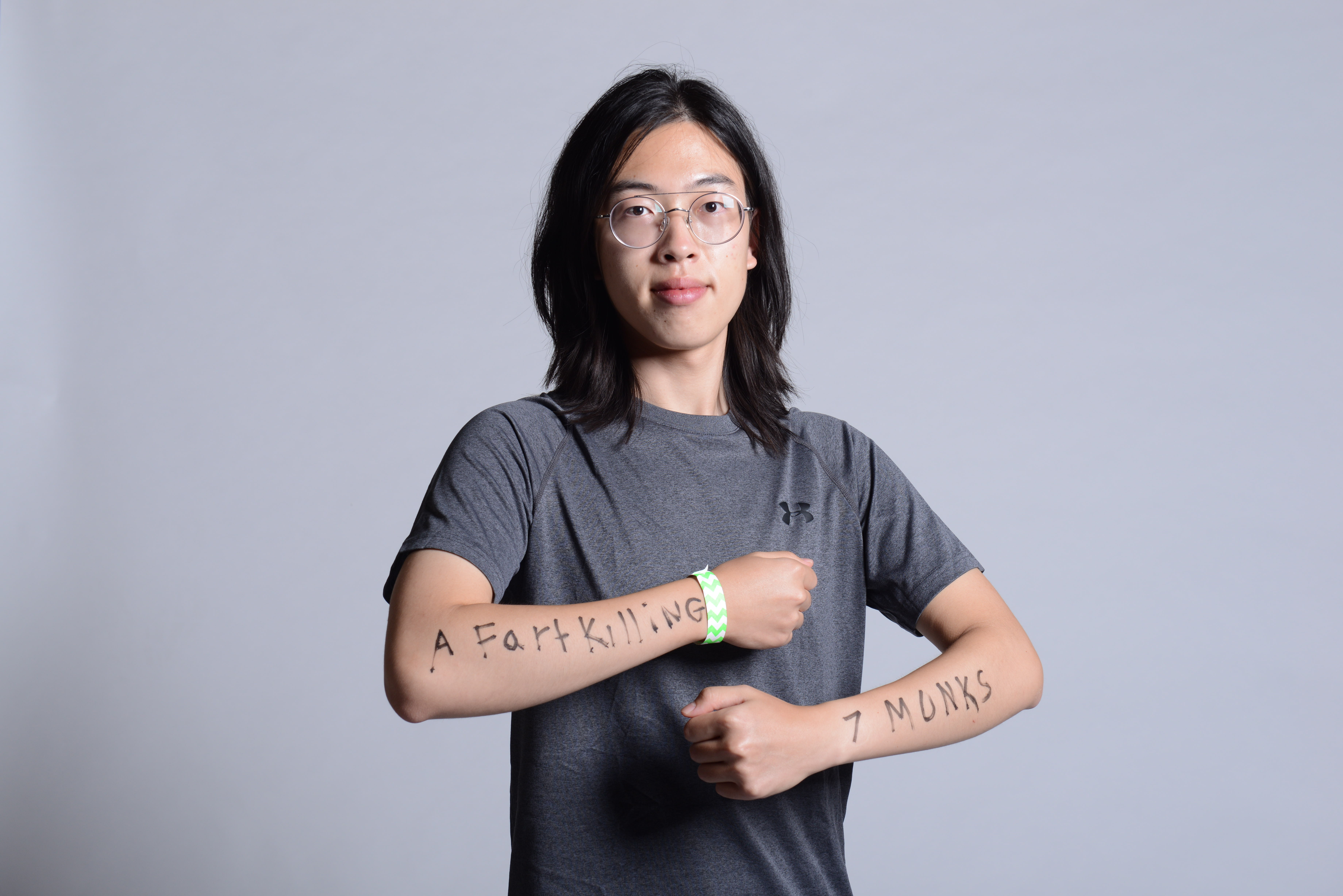
Avoid busy patterns or flashy prints that can distract from your face. Instead, opt for solid colors that complement your skin tone and enhance your features. Neutral tones such as black, gray, navy, and white are timeless options that convey professionalism.

3. Pay Attention to Necklines

Opt for clothing with necklines that frame your face nicely without being too revealing. Avoid overly low-cut tops or shirts with distracting details around the neckline. A modest neckline ensures that the focus remains on your face and not on your attire.

4. Keep it Timeless

Avoid trends that may quickly become outdated. Opt for classic styles and timeless pieces that won’t look dated in a few years. Remember, your headshot may be used for several years, so you want to ensure that it remains relevant and professional.

5. Mind Your Accessories

While accessories can add personality to your look, it’s essential to keep them understated for a professional headshot. Avoid large statement jewelry or accessories that may overpower your face. Opt for simple and elegant pieces that complement your outfit without drawing attention away from your face.

6. Grooming Matters

Pay attention to grooming details such as hair, makeup, and facial hair. Ensure that your hair is neatly styled, and your makeup, if worn, is natural and enhances your features. Men should consider grooming their facial hair or opting for a clean-shaven look for a polished appearance.

7. Comfort is Key

Above all, ensure that you feel comfortable and confident in your chosen attire. When you feel good, it will reflect in your photographs, resulting in a more genuine and approachable image.

Conclusion

Your professional headshot is a powerful tool that can help you make a positive impression in the corporate world. By following these dressing tips and guidelines, you can ensure that your headshot accurately represents your personal brand and portrays you in the best possible light.

Remember, a professional headshot is an investment in your personal brand and career success. By taking the time to prepare and dress appropriately for your headshot session, you can create a lasting impression that resonates with your audience.

As a full-service video and photography production company, St Louis Corporate Photographer has worked with many businesses, marketing firms, and agencies in the St. Louis area for their corporate photography and video. Contact us today to schedule your professional headshot session and take the next step towards enhancing your professional image.

Call to Action: Contact St Louis Corporate Photographer today to schedule your professional headshot session and elevate your professional image to new heights.

314-913-5626

stlouiscorporatephotographer@gmail.com

Corporate Photography: A Tool for Effective Employee Recruitment and Retention

Written by: Michael Haller, St Louis Corporate Photographer

In today’s competitive business landscape, attracting and retaining top talent is crucial for the success and growth of any organization. As companies strive to build their brand image and stand out from the crowd, corporate photography has emerged as a powerful tool for effective employee recruitment and retention. In this article, we will explore how various forms of corporate photography, including industrial photography, advertising photography, business event photography, and headshot photography, can contribute to attracting and retaining exceptional employees.

By utilizing various forms of photography, such as industrial photography, advertising photography, business event photography, and headshot photography, companies can create a visually compelling representation of their brand, culture, and values.

Importance of Corporate Photography

Corporate photography goes beyond simply capturing images of the workplace or employees. It is a strategic approach to visually represent a company’s values, culture, and brand identity. By investing in professional corporate photography, businesses can create a visual narrative that resonates with potential employees, showcasing their unique selling points and providing an authentic glimpse into their corporate culture.

Industrial Photography: Showcasing Expertise and Facilities

Industrial photography plays a crucial role in showcasing a company’s expertise, capabilities, and facilities. By capturing images of manufacturing processes, equipment, and infrastructure, businesses can demonstrate their technical prowess and industry leadership. These images can be utilized on company websites, marketing materials, and social media platforms to highlight the company’s unique strengths and attract potential employees who value professionalism and innovation.

Advertising Photography: Portraying the Company’s Brand Image

Advertising photography helps in portraying a company’s brand image in a visually appealing and compelling manner. This form of photography allows businesses to create eye-catching visuals that communicate their core values, products, and services to potential employees. By utilizing creative and high-quality images in advertising campaigns, companies can differentiate themselves from competitors, leaving a lasting impression on prospective employees.

Business Event Photography: Showcasing a Vibrant Corporate Culture

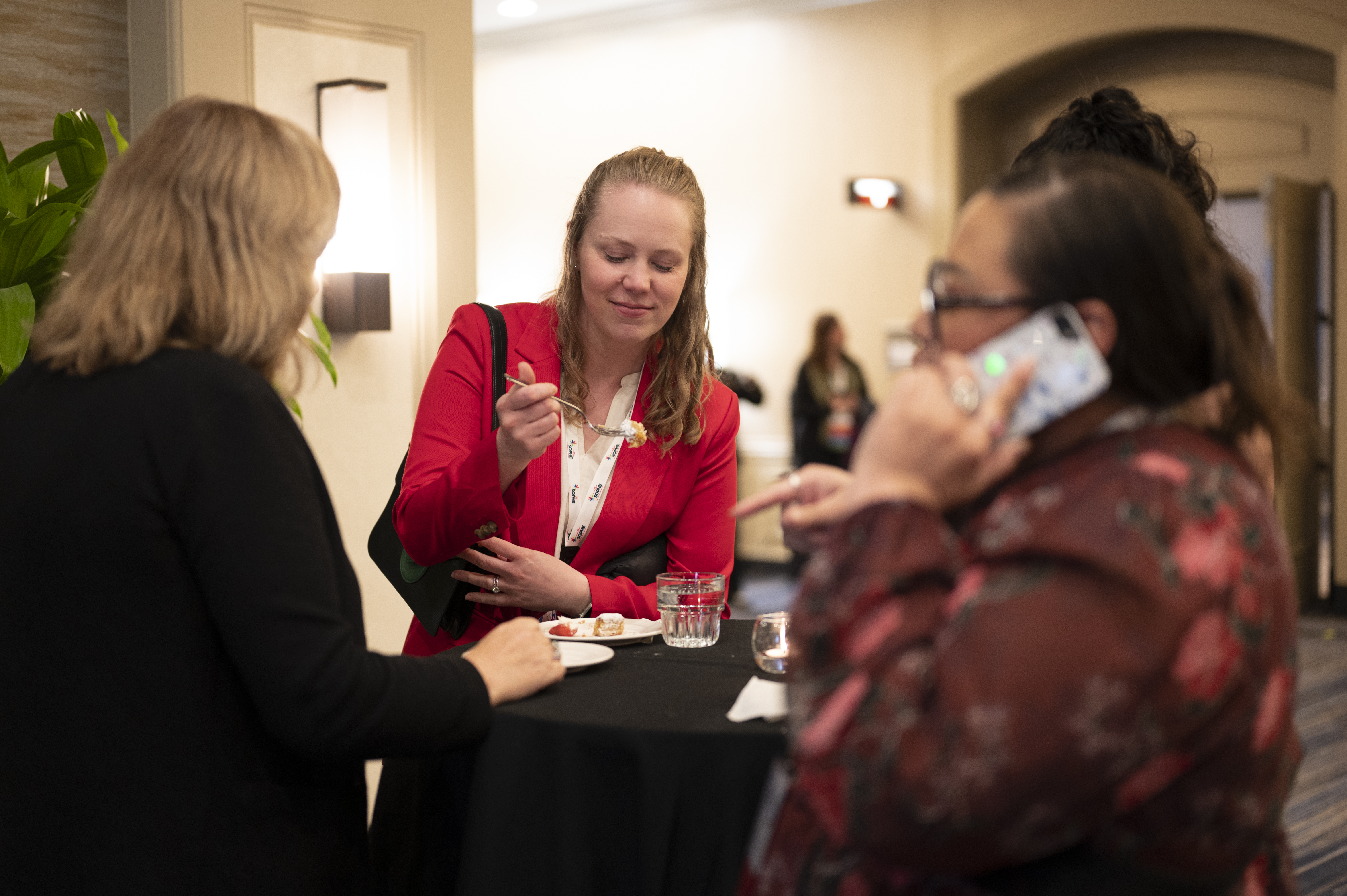
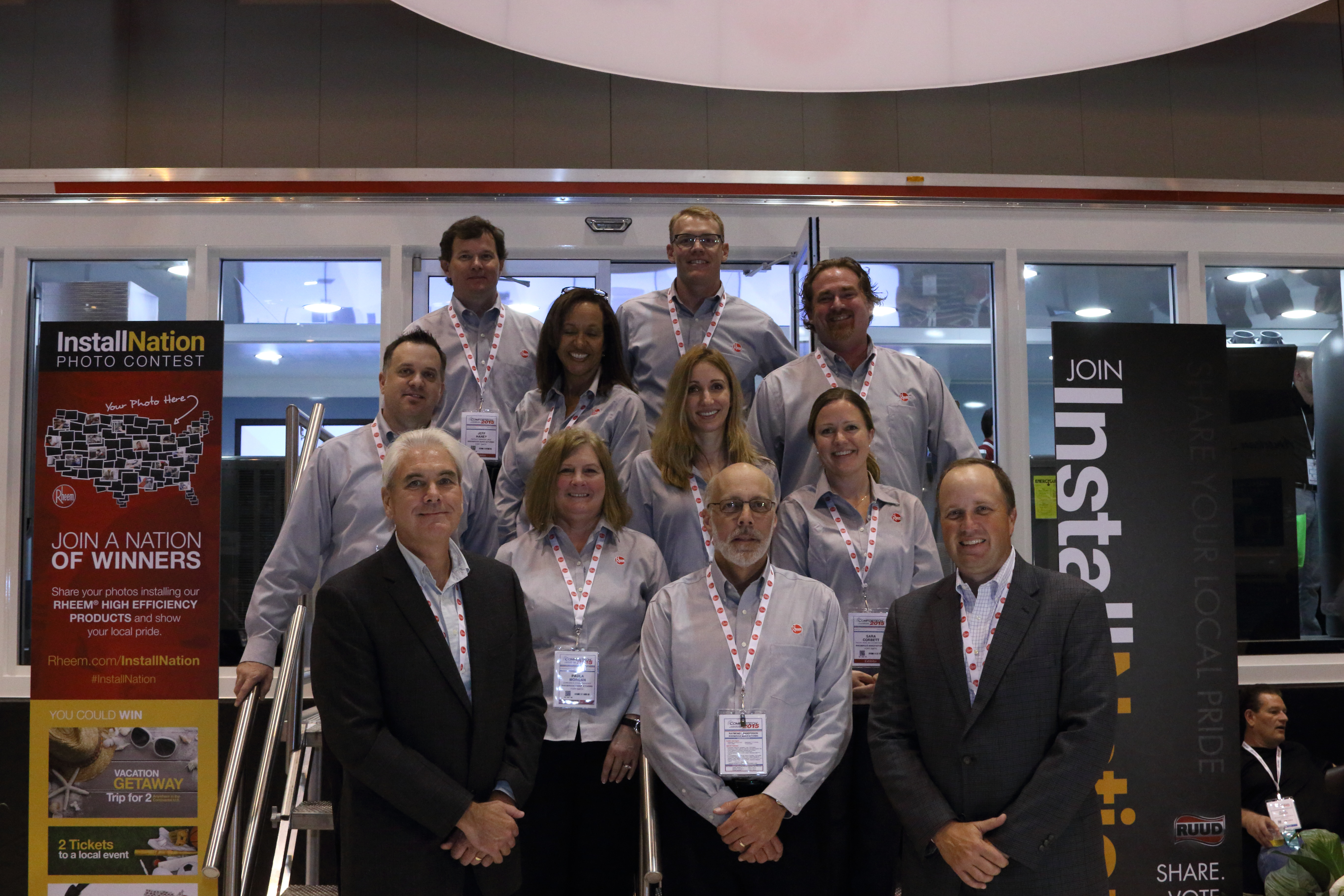
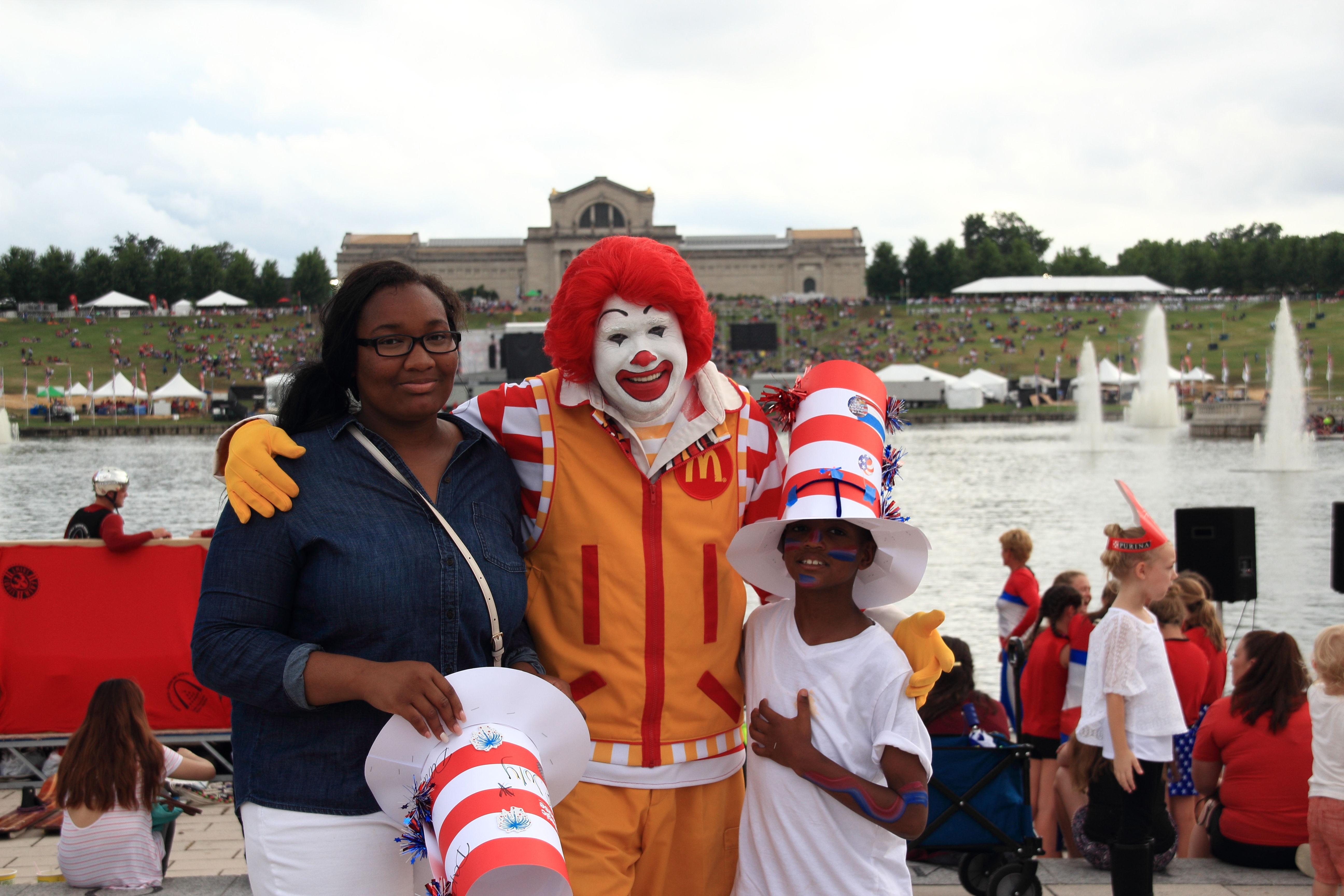
Business events provide an excellent opportunity to capture the vibrancy and energy of a company’s corporate culture. Event photography can document important moments such as conferences, team-building activities, and corporate social responsibility initiatives. These images can be used on company websites and social media platforms to showcase the company’s inclusive and engaging work environment. Prospective employees are more likely to be attracted to organizations that promote a positive and supportive corporate culture, and event photography can help convey that message effectively.

Headshot Photography: Putting a Face to the Company

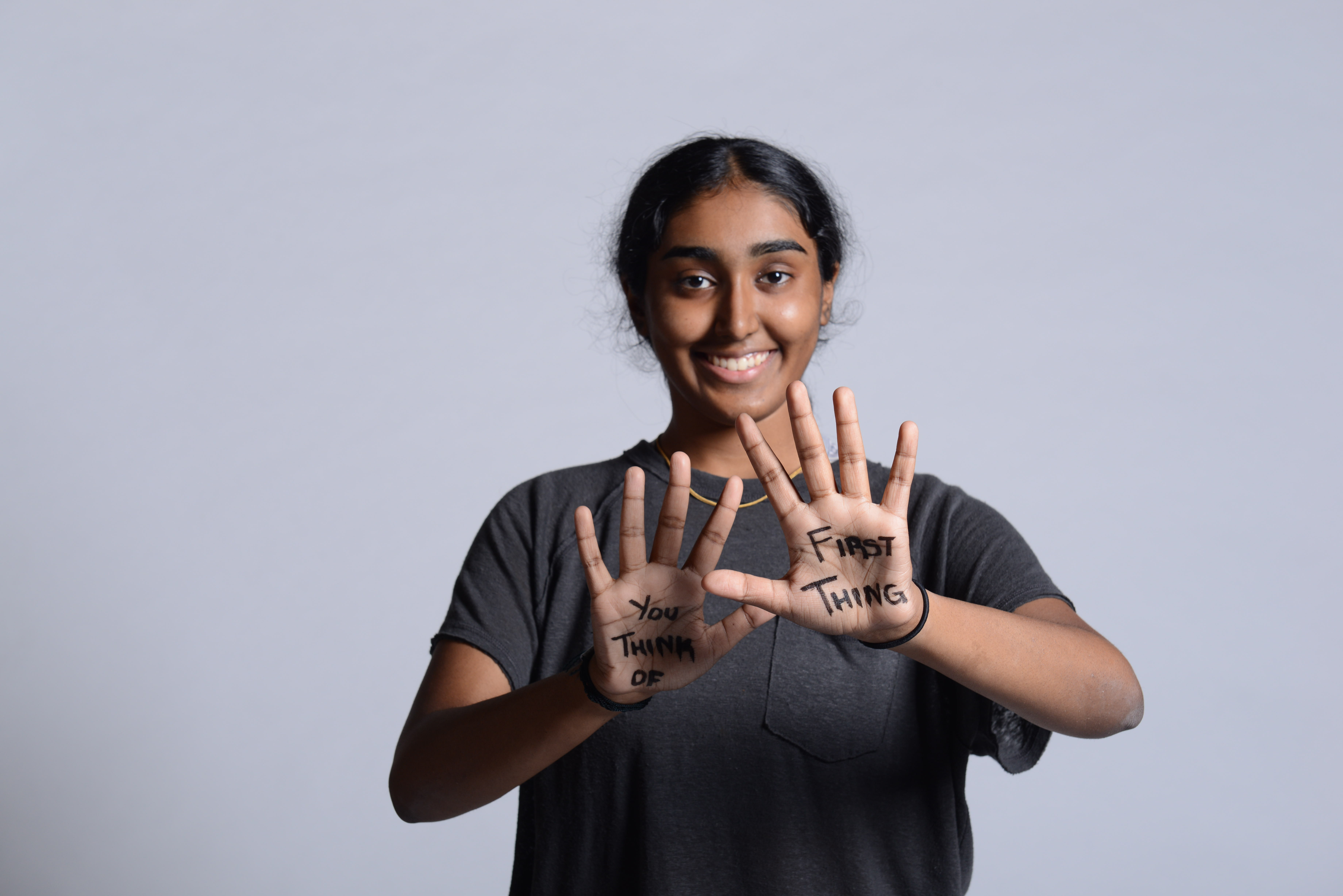
Headshot photography plays a vital role in humanizing a company and putting a face to the organization. Professional headshots of employees, executives, and team members not only add a personal touch but also contribute to building trust and credibility. When potential candidates see the faces behind the company, they can envision themselves as part of a cohesive and welcoming team. A series of well-crafted headshots on the company’s website or LinkedIn page can create a sense of familiarity and approachability, attracting talented individuals who align with the company’s values.

How Corporate Photography Affects Employee Recruitment

Enhancing Brand Perception and Reputation

In today’s digital age, candidates often research potential employers before applying for a job. High-quality corporate photography can significantly enhance a company’s brand perception and reputation. Professionally captured images demonstrate the company’s commitment to excellence and attention to detail, reinforcing the notion that the organization values its employees and invests in their success. By presenting an attractive visual identity, corporate photography helps create a positive first impression, making the company more appealing to potential recruits.

Creating an Emotional Connection

Corporate photography has the power to evoke emotions and create a connection with the audience. When potential employees see compelling images that capture the essence of a company’s culture and values, they are more likely to feel drawn to the organization. By highlighting the positive aspects of the work environment and the company’s accomplishments, corporate photography can create an emotional connection with potential recruits. This emotional resonance can significantly influence their decision to apply for a job, as they will perceive the company as a place where they can thrive, feel valued, and contribute meaningfully.

Showcasing Diversity and Inclusion

Diversity and inclusion have become increasingly important factors for job seekers when evaluating potential employers. Corporate photography can play a pivotal role in showcasing a company’s commitment to diversity and inclusion. By featuring images of employees from various backgrounds, ethnicities, and genders, a company can communicate its dedication to fostering an inclusive work environment. These images not only attract candidates who value diversity but also send a powerful message that the company celebrates individuality and offers equal opportunities for growth and success.

Reflecting a Professional Image

In today’s competitive job market, candidates often assess a company’s professionalism and credibility before considering a position. Professional corporate photography contributes to portraying a company as reliable and trustworthy. High-quality images, well-composed and properly lit, reflect the company’s attention to detail and commitment to maintaining a professional image. Potential employees are more likely to be attracted to organizations that project professionalism, as it instills confidence in their ability to provide a conducive and well-structured work environment.

How Corporate Photography Supports Employee Retention

Fostering Employee Pride and Engagement

Corporate photography can significantly impact employee morale, pride, and engagement. When employees see themselves and their colleagues featured in professional photographs, it creates a sense of pride in their association with the company. It also acknowledges their contribution and emphasizes their value as individuals. This recognition and validation lead to increased employee engagement and a deeper commitment to the organization. Employees who feel valued and appreciated are more likely to stay with the company for the long term.

Promoting a Positive Company Culture

Photographs of company events, team-building activities, and employee achievements contribute to promoting a positive company culture. By capturing moments of collaboration, camaraderie, and celebration, corporate photography showcases the company as a fun and supportive workplace. When employees see their colleagues enjoying their work and participating in engaging activities, it reinforces the belief that they are part of a vibrant and fulfilling community. This positive company culture, as reflected through photography, plays a crucial role in retaining employees by fostering a sense of belonging and satisfaction.

Strengthening Internal Communication

Corporate photography also serves as a valuable tool for internal communication within an organization. By sharing images of company-wide events, employee spotlights, and important milestones, corporate photography strengthens the sense of community and unity among employees. These visuals can be used in newsletters, internal communications platforms, or office displays, creating a cohesive narrative that aligns employees with the company’s vision and values. Strong internal communication fosters employee loyalty and makes them feel more connected to the organization, reducing turnover rates.

Conclusion

Corporate photography is a powerful tool for effective employee recruitment and retention. By utilizing various forms of photography, such as industrial photography, advertising photography, business event photography, and headshot photography, companies can create a visually compelling representation of their brand, culture, and values. Through high-quality images, potential recruits are enticed to join an organization that showcases professionalism, diversity, and a positive work environment. For existing employees, corporate photography fosters pride, engagement, and a sense of belonging, contributing to long-term retention. In today’s competitive business landscape, investing in professional corporate photography is a strategic decision that can significantly impact an organization’s ability to attract and retain exceptional talent.

Call to Action: For professional corporate photography services in the St. Louis area, contact St Louis Corporate Photographer at 314-913-5626 stlouiscorporatephotographer@gmail.com