AI-Ready Corporate Photography: A Practical Playbook for Decision Makers

Executive teams don’t hire AI. They hire outcomes. “AI photography” only pays off when it’s wrapped around disciplined capture, controlled lighting, and a tight production plan. Used well, AI compresses timelines, stabilizes quality, and multiplies the value of every shoot. Used poorly, it creates risk. This playbook shows how to harness it the right way—and what to demand from your vendors.

WHAT COUNTS AS “AI PHOTOGRAPHY” (IN THE REAL WORLD)

AI in corporate production falls into three distinct lanes:

  1. Assistive capture tools
    Fast, reliable focusing and tracking, noise optimization, subject recognition, and on-set look matching that help crews move quickly in constrained environments—manufacturing floors, labs, hospitals, showrooms—without sacrificing control.
  2. Accelerated post-production
    High-precision selections and masks; cleanup of dust, wrinkles, flyaways, glare; background extension or replacement; product colorways and plate cleanups; intelligent upscaling for large display prints—all while preserving accurate skin tones, materials, and brand color.
  3. Selective generative elements
    When it lowers cost or risk, tasteful additions like skies, set extensions, props, or seasonal environments. These are supplements to real photography, disclosed when they materially change the scene.

Bottom line: cameras, lighting, producers, and an organized set still do the heavy lifting. AI speeds the pipeline and improves repeatability. It cannot rescue a poorly designed shoot.

FIVE LEVERS OF ROI FOR BRANDS

Speed with certainty
Quicker selects and retouch rounds mean fewer reshoots and predictable delivery for launches, events, and product drops.

Uniformity at scale
Look-matched angles, backgrounds, and finishes across SKUs, locations, and teams—especially valuable for ecommerce, catalogs, and franchises.

Repurposing without rework
Automated crops, aspect ratios, captions, and short-form cutdowns—one master campaign distributed to web, print, email, digital signage, and paid social with consistent quality.

Risk and compliance control
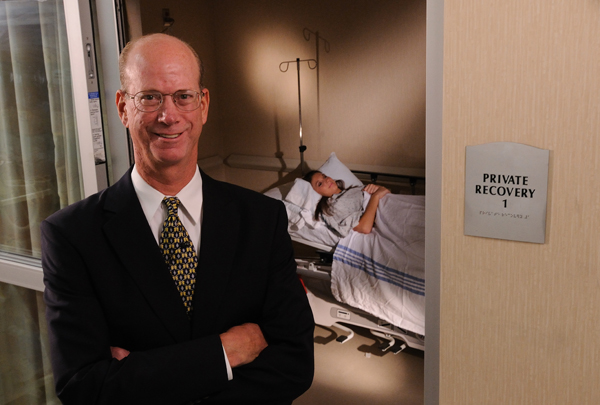
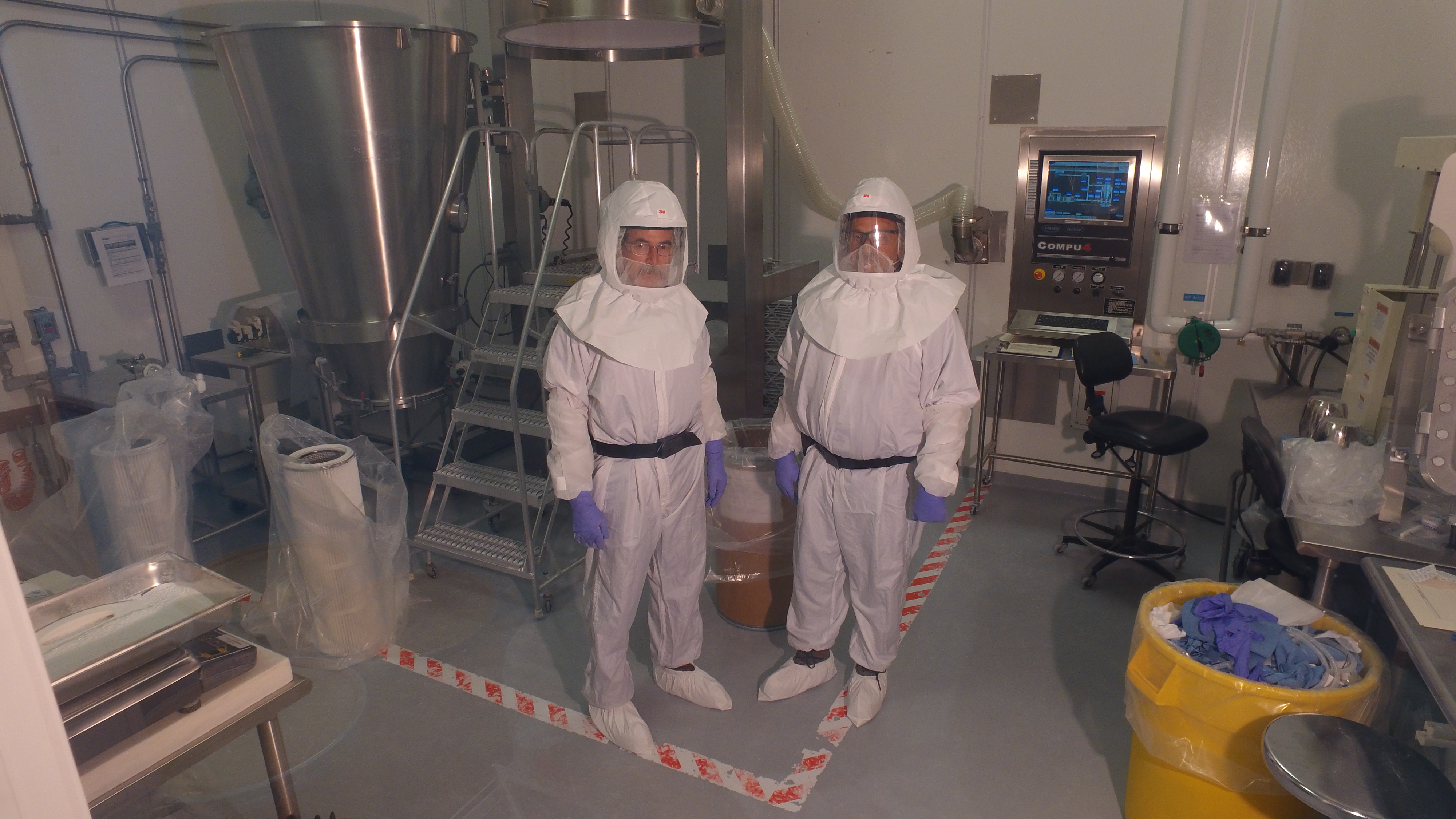
Virtual set extension mitigates last-minute location issues; smart cleanup removes safety hazards, confidential details, badges, patient information, or whiteboard scribbles captured on-site.

Budget that compounds
Re-usable lighting diagrams, scene templates, and prompt libraries turn recurring shoots—quarterly headshots, ongoing product lines, investor relations videos—into faster, cheaper wins.
GOVERNANCE: AUTHENTICITY, RIGHTS, AND AUDIT TRAILS

Insist on a verifiable chain of custody for your images. Strong programs align to:

• Content Credentials (C2PA): embed who created what, when, and how edits were made.
• Content Authenticity Initiative (CAI): open practices that encourage adoption of provenance metadata.

Bake these into your SOW:

• Clear disclosure whenever generative elements materially alter a scene.
• Delivery files retain EXIF/IPTC/XMP and, where supported, C2PA Content Credentials.
• Written warranties that no third-party IP, logos, or likenesses appear without authorization.
• Data handling terms for any reference assets used to guide AI outputs—how long they’re stored, who can access them, and when they’re deleted.
• An “authenticity critical” rubric for regulated content (no generative tools used).

QUALITY STANDARDS THAT DON’T BEND

Color management
Define spaces before you shoot. Web deliverables often target sRGB; premium print may require Adobe RGB or CMYK conversions with proofs.

Resolution strategy
Capture hero assets natively; apply super-resolution only after visual tests confirm no artifacts in hair, fabric, edges, or small type.

Skin integrity
Retouching keeps real texture. No plastic skin. Agree on thresholds for blemish, pore, and contrast management.

Material truth
Metals, glass, textiles, and foods need honest specular highlights and surface behavior. Avoid algorithmic “enhancements” that change physics.

Micro-details and legal copy
When packaging or disclaimers matter, capture the real thing. AI can distort fine text, tiny logos, and barcodes.

WHEN TO DEPLOY WHAT

Pure photographic capture
Regulatory claims, medical/financial contexts, fine legal copy, forensic documentation, and case-study scenes that require unimpeachable authenticity.

Hybrid (your default)
Real people, places, and products captured on set; AI for cleanup, background extension, sky swaps, and multi-channel repurposing.

Selective generative
Environmental set extensions, weather, crowd fills, or seasonal looks when live capture is unsafe, impractical, or cost-prohibitive—paired with disclosure and internal logging.

RFP LANGUAGE YOU CAN USE AS-IS

• Capture plan: lighting diagram, lens choices, sample frames aligned to brand guidelines.
• AI policy: tools allowed at preproduction, on set, and in post—and tools explicitly not used.
• Provenance: commitment to embed Content Credentials where supported.
• Deliverables matrix: exact crops/ratios (web, paid, OOH, retail), color spaces, file types, compression targets.
• Repurposing plan: social, email, landing-page, and display variants from the master set.
• Data governance: retention periods, access rules, model-training prohibitions or permissions.
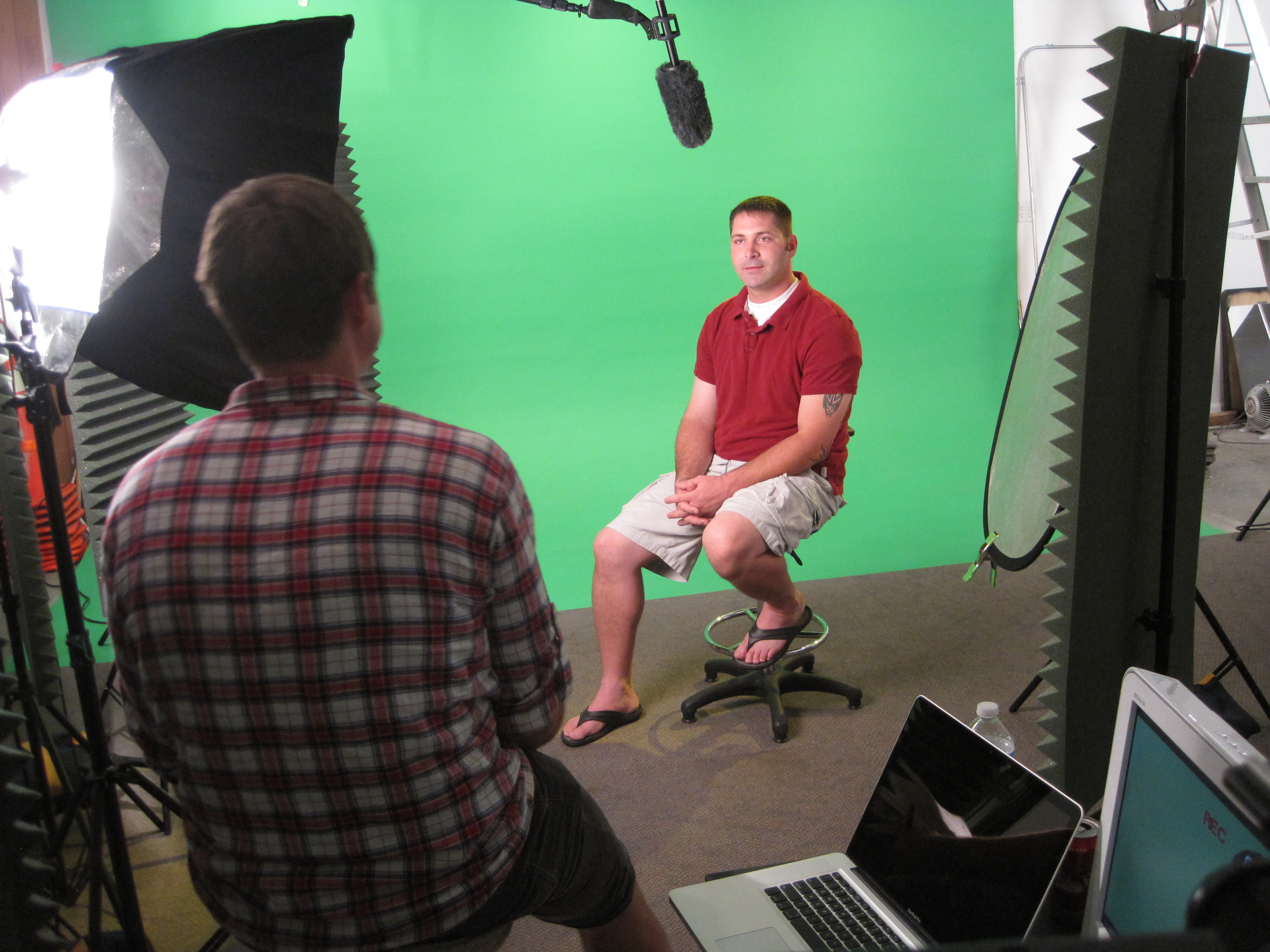
• Crew and facility readiness: studio specs, power, sound isolation for interviews, rigging safety, overhead and drone protocols.
• Indoor drone capability (if required): licensing, insurance, flight experience, and safety briefing process.

HOW WE WORK—NO SHORTCUTS, JUST CRAFT

At St Louis Corporate Photographer, every engagement blends disciplined production with modern AI—applied where it improves quality, never where it compromises truth.

• Studio and location production
Advanced lighting, full set design, permits, and a seasoned crew that moves efficiently in corporate environments.

• Photo and video under one roof
Executive interviews, brand stories, product demos, and b-roll—planned for downstream repurposing from the start.

• FAA-licensed drone operations
Exterior and specialty interior flight when the brief calls for it, with documented safety protocols.

• AI-enhanced post built for consistency
Meticulous cleanup, color continuity across lines and locations, and channel-specific versions delivered together.

• A private, configurable studio
Optimized for interviews and small productions with space for props and custom sets.

• Proven experience
Trusted by St. Louis businesses, agencies, and marketing teams since 1982.

PROCUREMENT CHECKLIST

[ ] SOW specifies where AI may be used and preserved in metadata
[ ] “Authenticity critical” shots flagged as no-gen
[ ] File formats, color spaces, and compression finalized before shooting
[ ] Repurposing deliverables listed by channel and aspect ratio
[ ] Indoor/outdoor drone plan and safety documentation approved (if applicable)
[ ] All model, property, and brand releases collected and archived
[ ] Content Credentials embedded in finals where supported

WHY ST LOUIS CORPORATE PHOTOGRAPHER

We’re a full-service corporate photography and video team built for modern marketing: controlled lighting, precise capture, expert producers, professional editors, and licensed drone pilots. We customize for web, print, retail displays, social, and broadcast—and we’re fluent in every major file type and workflow you use. Our AI capabilities are practical and transparent: they speed delivery, improve consistency, and expand what’s possible without sacrificing authenticity.

From a private, custom interview studio to on-site production with sound and camera operators, we support every phase of your project and deliver assets that are ready to ship across channels. We can even fly specialized drones indoors when the story requires it. Since 1982, St Louis Corporate Photographer has partnered with St. Louis businesses, agencies, and marketing teams to produce reliable, brand-correct visuals—on time, on budget, and built for repurposing.
314-913-5626

stlouiscorporatephotographer@gmail.com

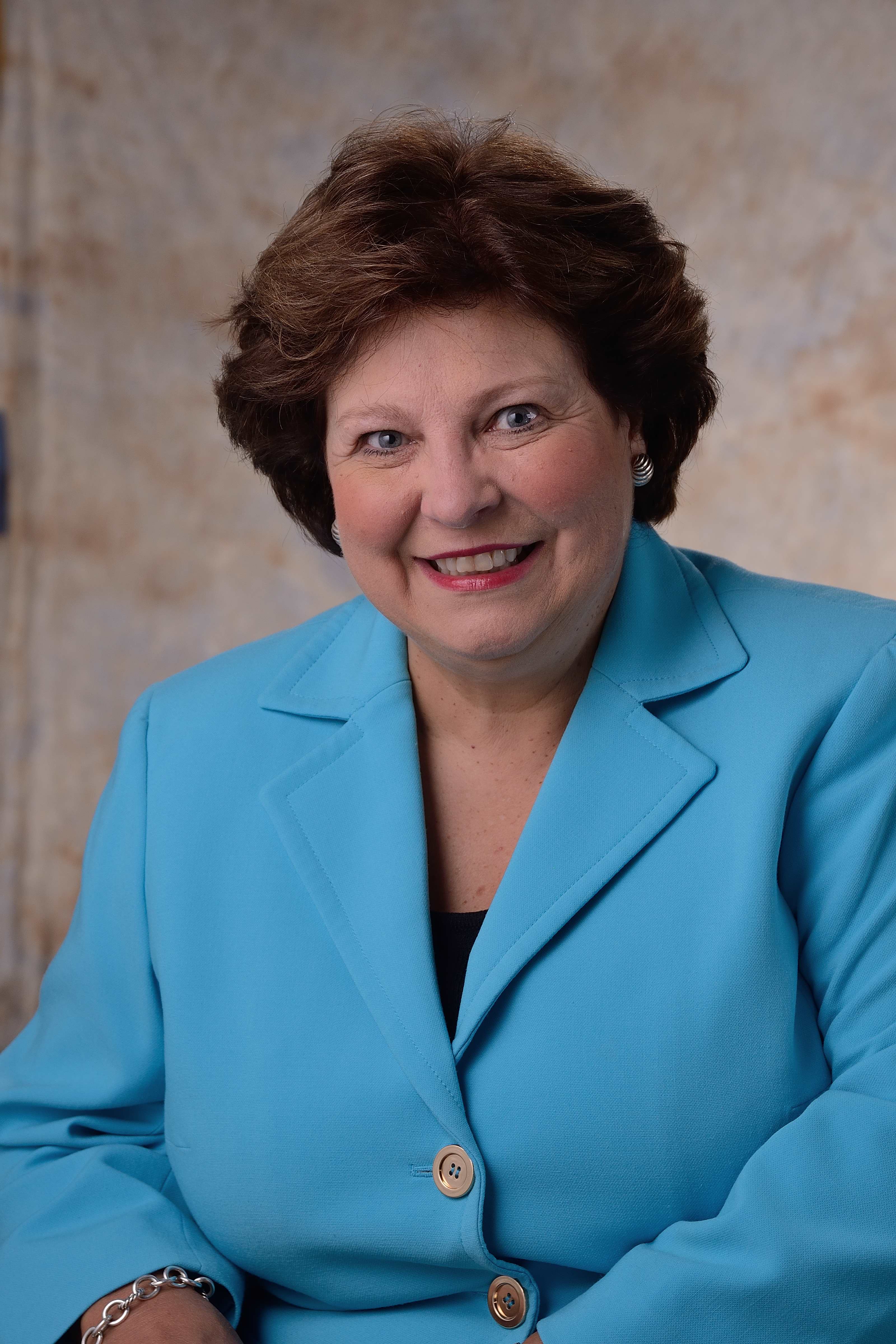
What to Ask Your Photographer Before Your Headshot Session: A Corporate Guide to Getting It Right

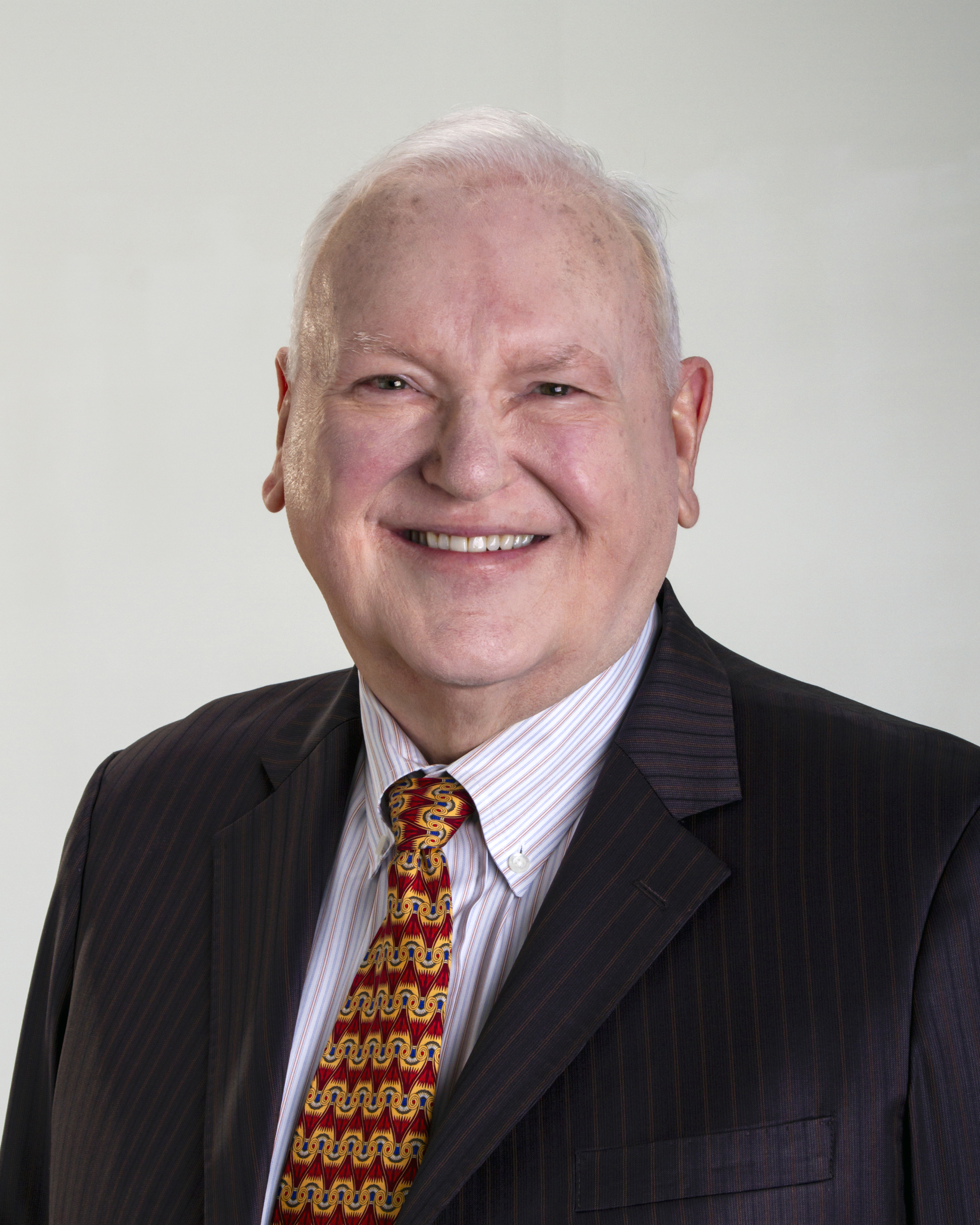
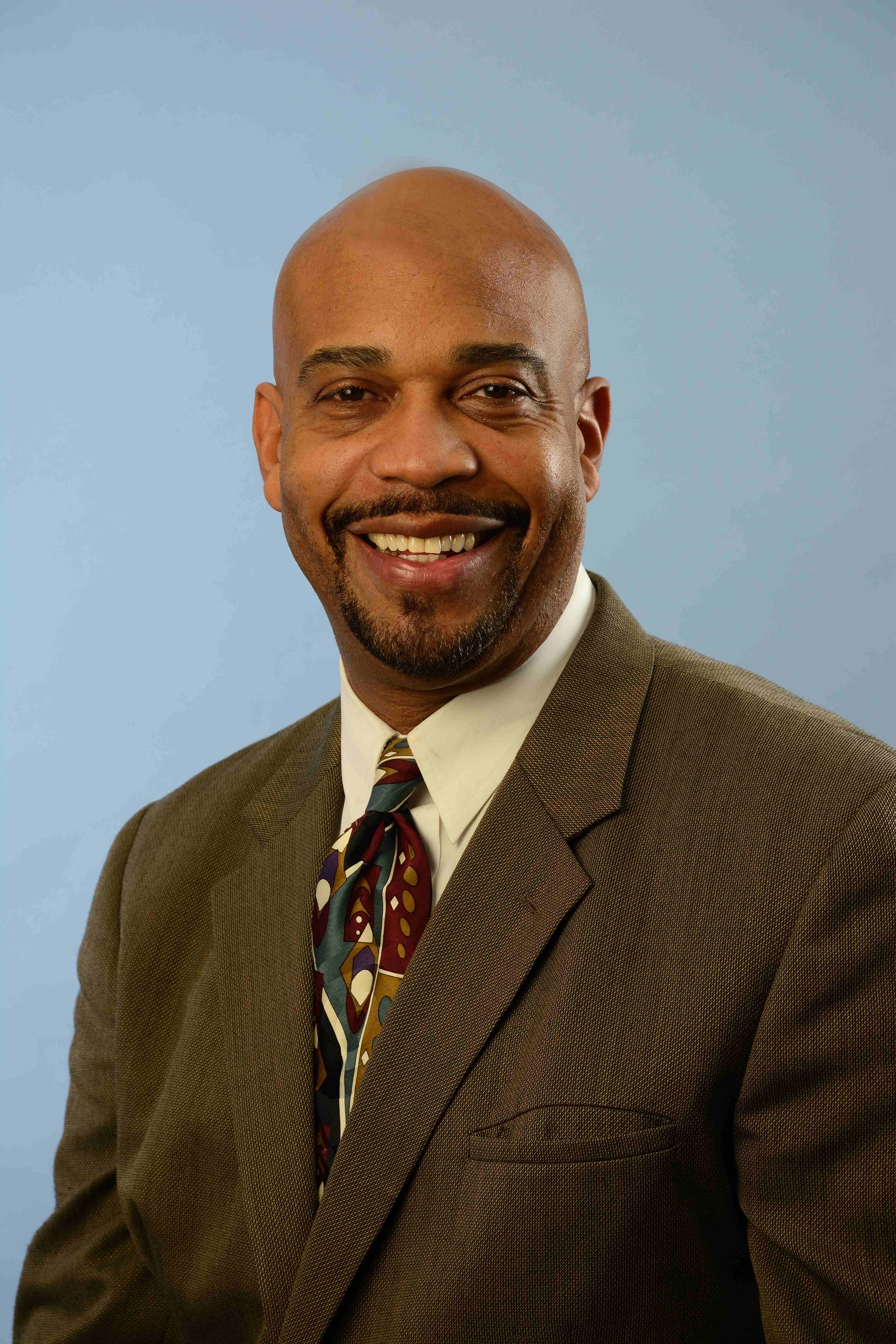
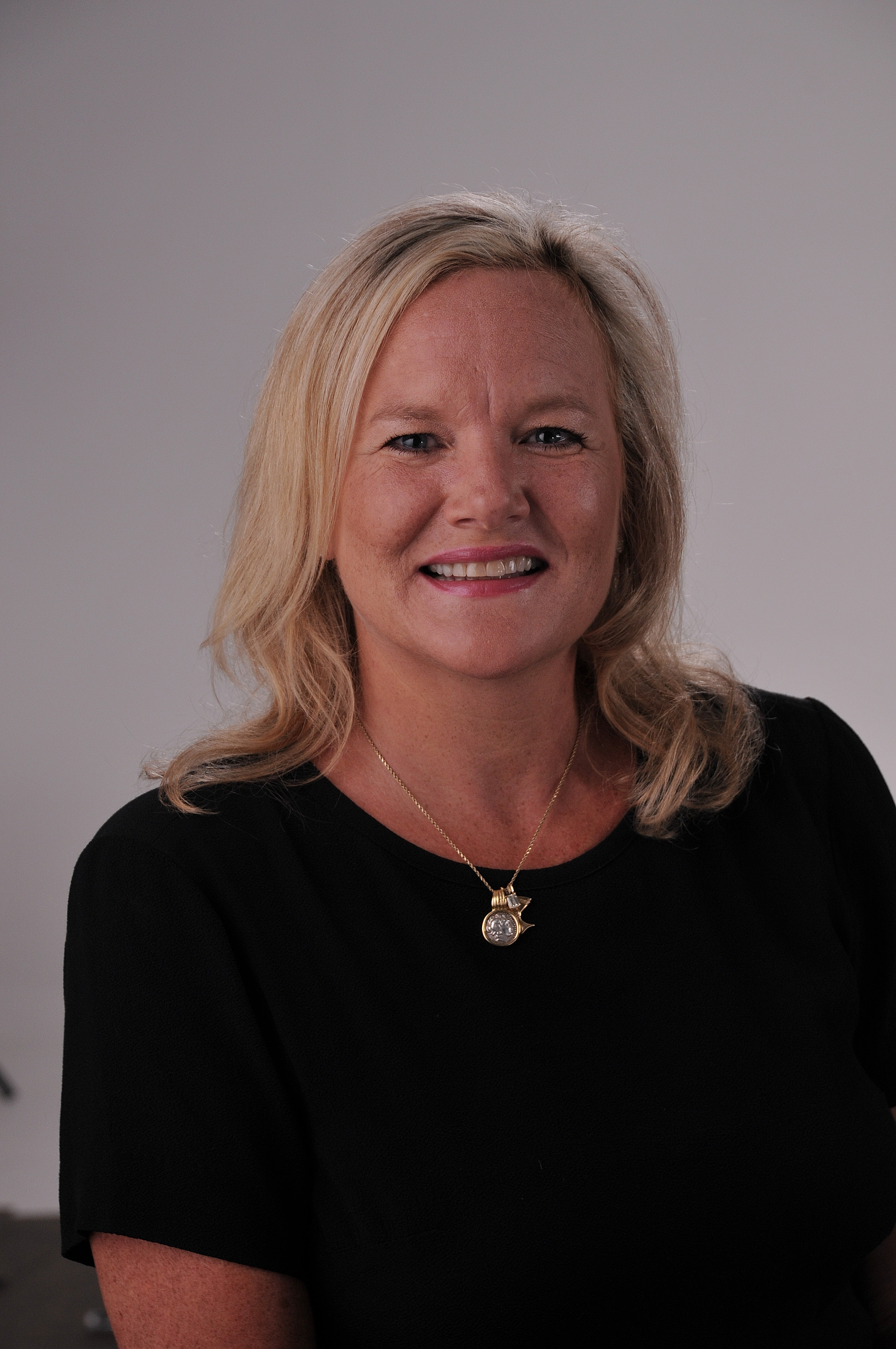
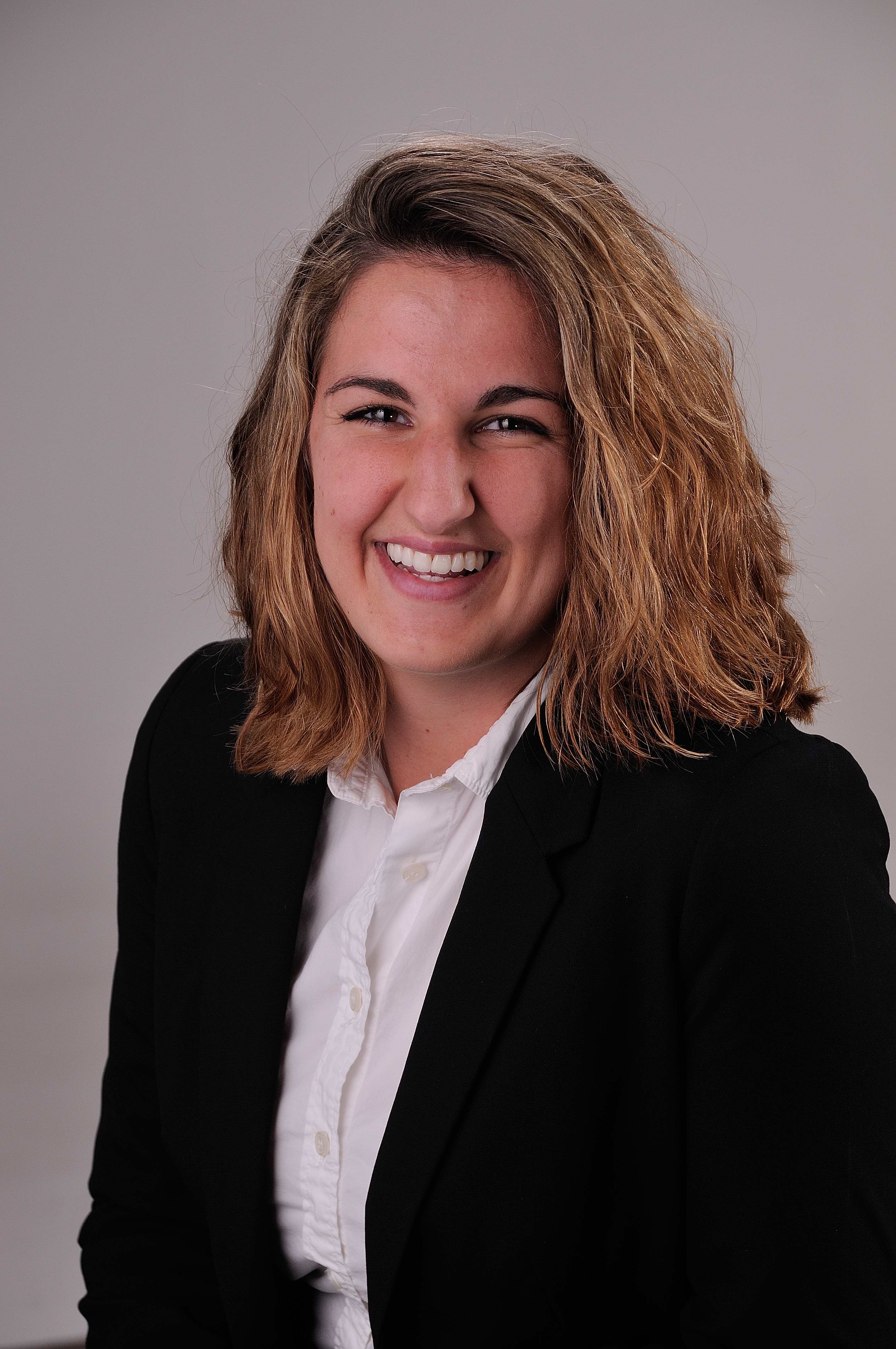
In today’s visually-driven business landscape, a headshot isn’t just a photo—it’s your digital handshake. Whether it’s for LinkedIn, your company’s website, a press release, or a keynote speaker bio, a professional headshot sets the tone for how you’re perceived. As decision makers in marketing, communications, and corporate branding, it’s essential to ensure your team’s headshots are done right. That starts with asking the right questions before the session begins.

At our studio, we provide file sets in multiple resolutions and formats, organized for easy implementation across all media.

At St Louis Corporate Photographer, we’ve guided countless organizations and professionals through successful headshot productions. Here’s our expert breakdown of the questions you should ask your photographer to ensure a productive, efficient, and brand-aligned photo session.


1. What Style of Headshots Do You Specialize In?

Different industries call for different visual aesthetics. A law firm may prefer a more formal, conservative portrait while a startup may want something approachable and relaxed. Ask your photographer about their style specialties—whether it’s traditional, editorial, lifestyle, environmental, or modern corporate—and request to see samples from similar industries to yours.


2. Do You Offer On-Location and In-Studio Options?

Flexibility is key. Some organizations prefer the consistency and lighting control of a studio setup, while others want images captured within their office to better reflect company culture. At St Louis Corporate Photographer, we offer both, complete with custom backdrops and mobile studio lighting to ensure consistency in any environment.


3. How Should We Prepare for the Shoot?

Your photographer should offer clear pre-session guidance. This includes wardrobe suggestions (e.g., avoid small patterns or reflective materials), grooming tips, and how much time to allow per person. We also advise clients on brand colors and how they translate to professional imagery, helping maintain visual consistency across your team.


4. Can You Match Our Company’s Existing Style Guide or Brand Standards?

Consistency matters across corporate materials. Ask your photographer if they can replicate your existing visual identity—lighting, background, framing, and color grading included. We often work directly with in-house marketing teams and brand consultants to ensure every image aligns with established guidelines.


5. What Is the Turnaround Time for Final Images?

Speed may be essential, especially if the images are needed for an upcoming publication or event. Get clarity on how quickly you’ll receive proofs and final retouched images. At St Louis Corporate Photographer, we provide a streamlined delivery process with prioritized post-production services available when needed.


6. Will the Images Be Retouched?

Not all headshot photographers include retouching. Be sure to ask whether images will be polished for blemishes, lighting balance, and background cleanup. We use high-end retouching and the latest AI-enhanced editing tools to make every image clean, crisp, and flattering—without looking over-processed.


7. How Will the Files Be Delivered?

Understand how images will be formatted, named, and delivered. Do you need high-resolution files for print and smaller versions for web? Are you expecting individual links, or a shared download portal for your marketing department? At our studio, we provide file sets in multiple resolutions and formats, organized for easy implementation across all media.


8. Do You Offer Group or Team Shots As Well?

If you’re planning headshots for an entire team, consider adding a group photo to your session. Ask if your photographer can arrange staff groupings or staged environmental shots that reinforce your company’s professionalism and cohesion.


9. What Licensing Rights Are Included?

Make sure you understand how you’re permitted to use the images. Are they royalty-free? Can you use them across all marketing channels? Are there time or usage limitations? We provide straightforward commercial-use rights with our corporate packages to ensure you’re covered for all internal and external needs.


10. Can You Help With Additional Visual Branding Needs?

A headshot session is a perfect opportunity to create additional visual content. Ask if your photographer can also capture b-roll, interview footage, or marketing stills during the same shoot. At St Louis Corporate Photographer, we often build hybrid packages that maximize value by combining still photography, short video clips, and even drone coverage—all within the same production day.


Why Partner with St Louis Corporate Photographer?

Since 1982, St Louis Corporate Photographer has provided comprehensive commercial photography and video production services for businesses, marketing firms, and creative agencies throughout the St. Louis region. Our full-service offering includes both studio and on-location shoots, editing and post-production, and FAA-licensed drone photography and videography.

We specialize in helping clients repurpose their photography and video assets to gain more visibility and ROI, and we’re proficient in all modern file types and editing software. Our expert use of artificial intelligence for media services ensures efficiency and consistency, while our private studio lighting and adaptable set designs offer flexibility for everything from headshots to custom interview scenes.

With the right equipment, a creative crew, and decades of proven experience, St Louis Corporate Photographer is ready to support every aspect of your visual branding—from a single executive headshot to full-scale team portraits and beyond.

314-913-5626

stlouiscorporatephotographer@gmail.com

Event Photos: Why They Still Matter in the Digital Age

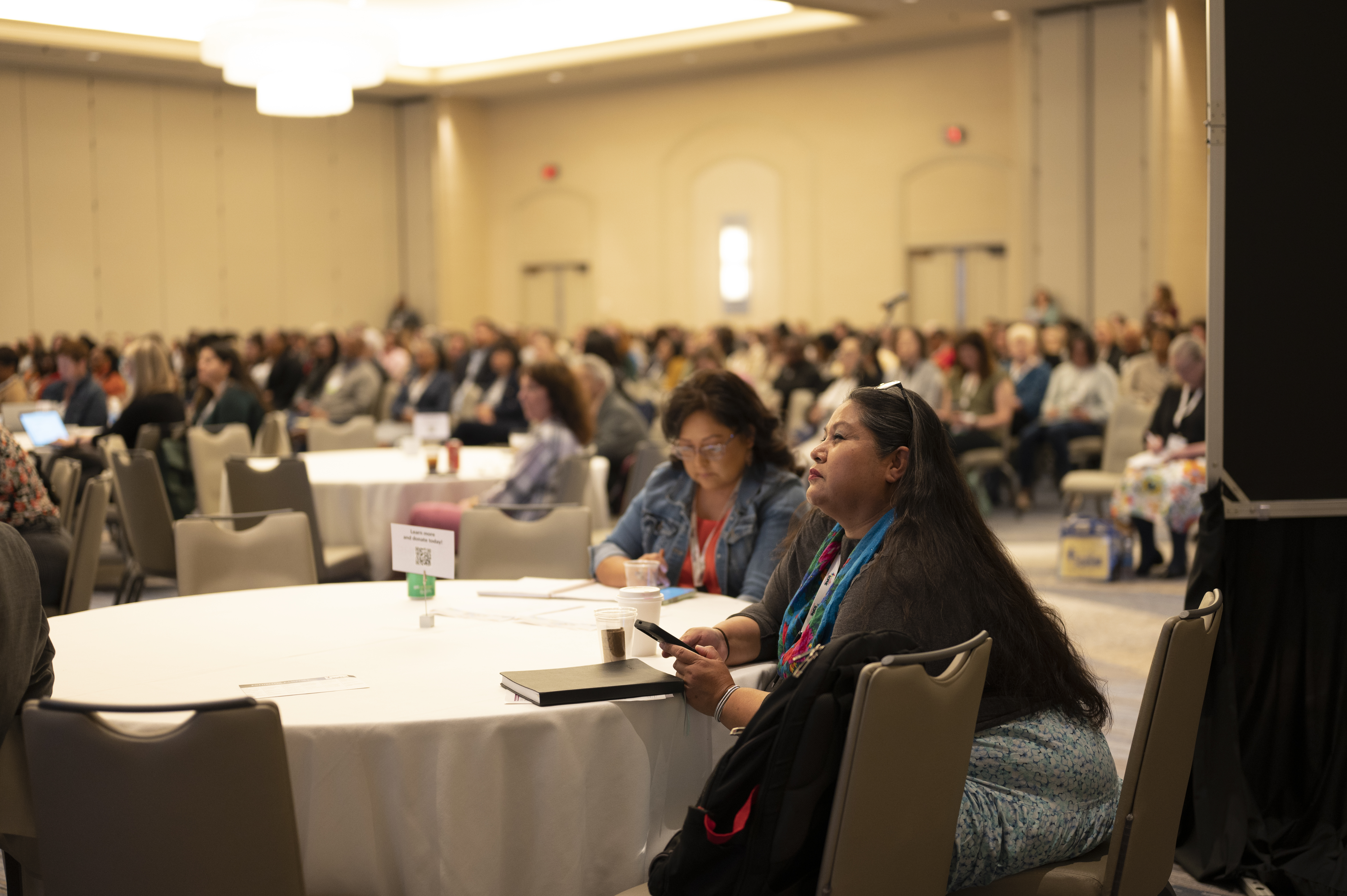
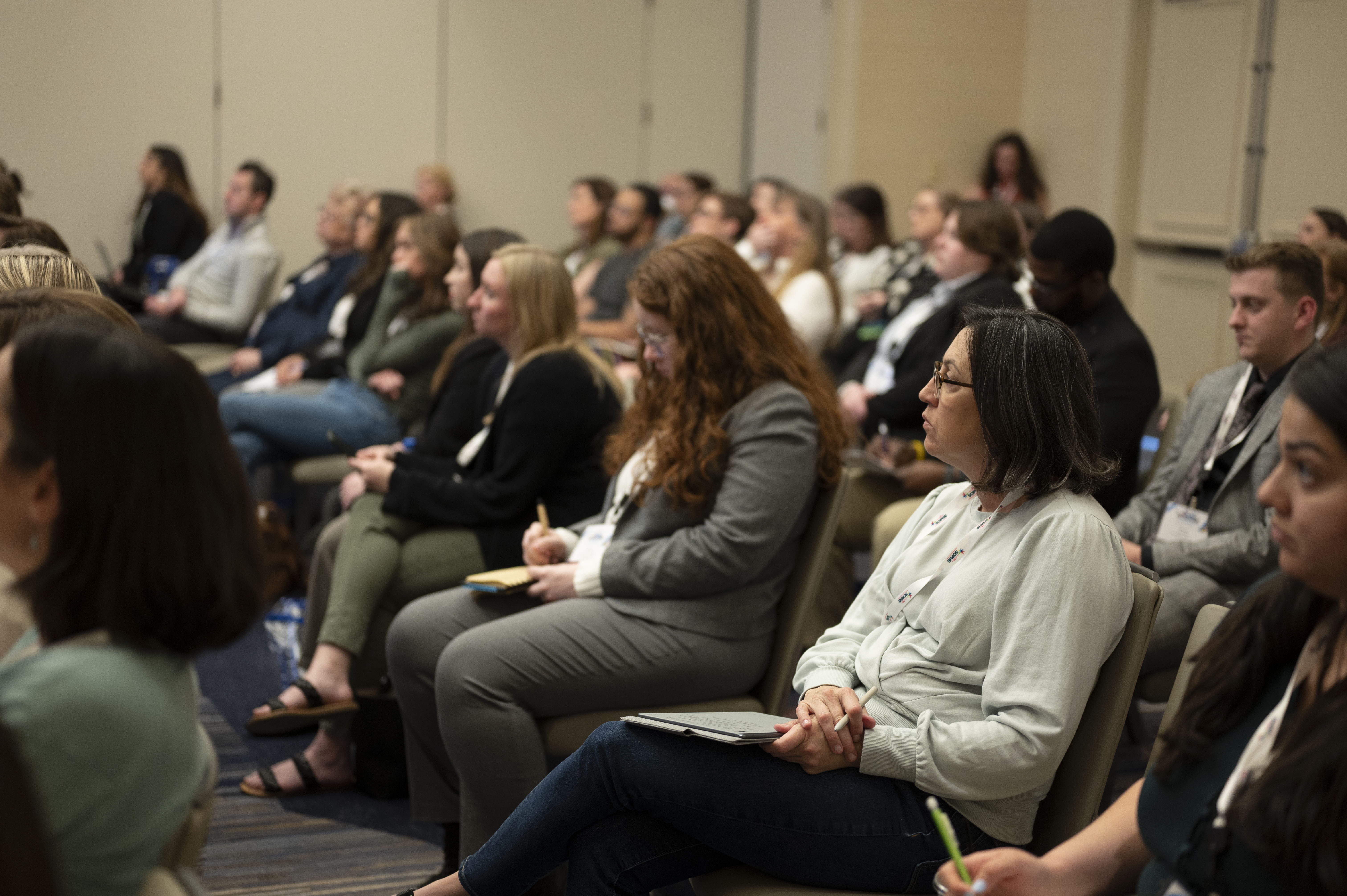
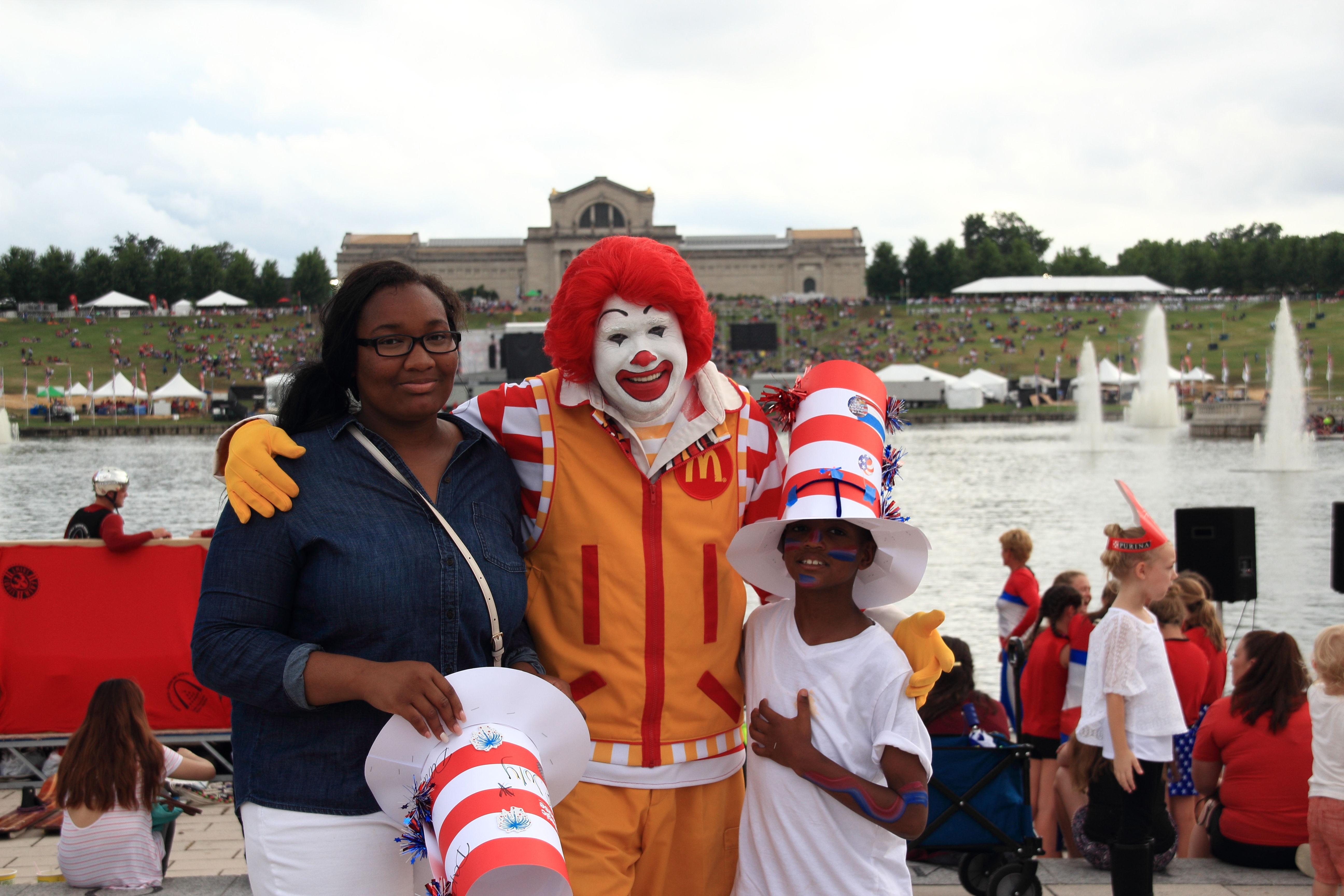
In today’s digital-first marketing landscape, businesses often prioritize video content, social media campaigns, and influencer marketing. However, high-quality event photography remains a vital asset for brands looking to build credibility, engage their audiences, and maximize the return on their events. From corporate conferences and trade shows to product launches and networking events, professional event photography captures moments that enhance brand storytelling, strengthen connections, and provide long-term marketing value.

Enhancing images to meet branding standards.

The Lasting Impact of Event Photography

1. Enhancing Brand Credibility and Professionalism

A well-documented corporate event with high-quality images conveys professionalism and authenticity. Whether for internal use, media coverage, or marketing collateral, these images help establish trust and authority. Poor-quality or amateur photos can diminish the perceived value of an event, while polished, high-resolution images reinforce brand identity and credibility.

2. Maximizing Event ROI Through Visual Content

Events are significant investments, and photography ensures their impact extends beyond the live experience. Professionally captured images can be repurposed across multiple platforms:

  • Social media: Real-time event coverage and post-event recaps increase engagement.
  • Company website: Showcase past events to attract attendees to future ones.
  • Press releases and media kits: Journalists and industry publications are more likely to cover an event when high-quality images are available.
  • Marketing campaigns: Email newsletters, brochures, and digital ads benefit from striking event images.

3. Creating Engaging Employee and Client Relations

Event photography isn’t just about marketing; it’s also about relationship-building. Capturing moments of employees networking, clients engaging, and speakers delivering impactful messages fosters a sense of community. These images can be used for internal newsletters, company culture pages, and recruitment efforts to highlight workplace engagement and industry involvement.
4. SEO and Online Visibility

High-quality event photos, when properly optimized, contribute to search engine rankings. Image SEO, including proper tagging and metadata, helps businesses improve visibility on Google Images and other search engines. Blog posts, press releases, and social media posts featuring event images further drive traffic and engagement.

5. Long-Term Content Value

Unlike live-streamed videos or fleeting social media posts, event photography provides long-term value. Businesses can utilize photos for future promotional materials, annual reports, and retrospectives to highlight their growth and successes over the years.

The Need for Professional Event Photographers

While smartphones and consumer cameras have improved, they can’t replace the expertise of professional corporate photographers. Professionals bring:

  • Advanced camera equipment: High-resolution images suitable for print and digital use.
  • Lighting expertise: Proper exposure and color correction for various indoor and outdoor settings.
  • Composition and storytelling skills: Capturing key moments, emotions, and brand messaging effectively.
  • Post-production editing: Enhancing images to meet branding standards.

Why Choose St Louis Corporate Photographer for Your Event Coverage

At St Louis Corporate Photographer, we understand the critical role that professional event photography plays in corporate marketing and branding. As a full-service professional commercial photography and video production company, we offer:

  • Studio and location photography and video production
  • Editing, post-production, and licensed drone pilots
  • Custom productions tailored to your media requirements
  • Expertise in repurposing photography and video branding
  • A private studio lighting and visual setup for small productions
  • Large studio space to incorporate custom props
  • Custom interview studio setups and full sound and camera crew services
  • Specialized indoor drone flying capabilities

Since 1982, we have collaborated with businesses, marketing firms, and creative agencies in the St. Louis area, providing them with high-quality event photography and video solutions that elevate their brand presence.

Event photos still matter because they are the visual foundation of corporate storytelling, brand identity, and long-term marketing strategy. With St Louis Corporate Photographer, you get a seasoned team with the right equipment, creative expertise, and industry experience to ensure your event’s visual content makes a lasting impact. Contact us today to discuss your next corporate event photography and video needs.

314-913-5626

stlouiscorporatephotographer@gmail.com

Maximizing Your Event Coverage with Ground and Drone Photography Packages

As an event planner or marketer, you know how crucial it is to capture the best moments of an event. Whether it’s a corporate event, a product launch, a wedding, or a festival, you need high-quality photos to showcase the event and to promote future events. Photography can make or break an event, which is why it’s essential to invest in the right tools and techniques.

Choosing the right photographer and planning your event coverage are essential.

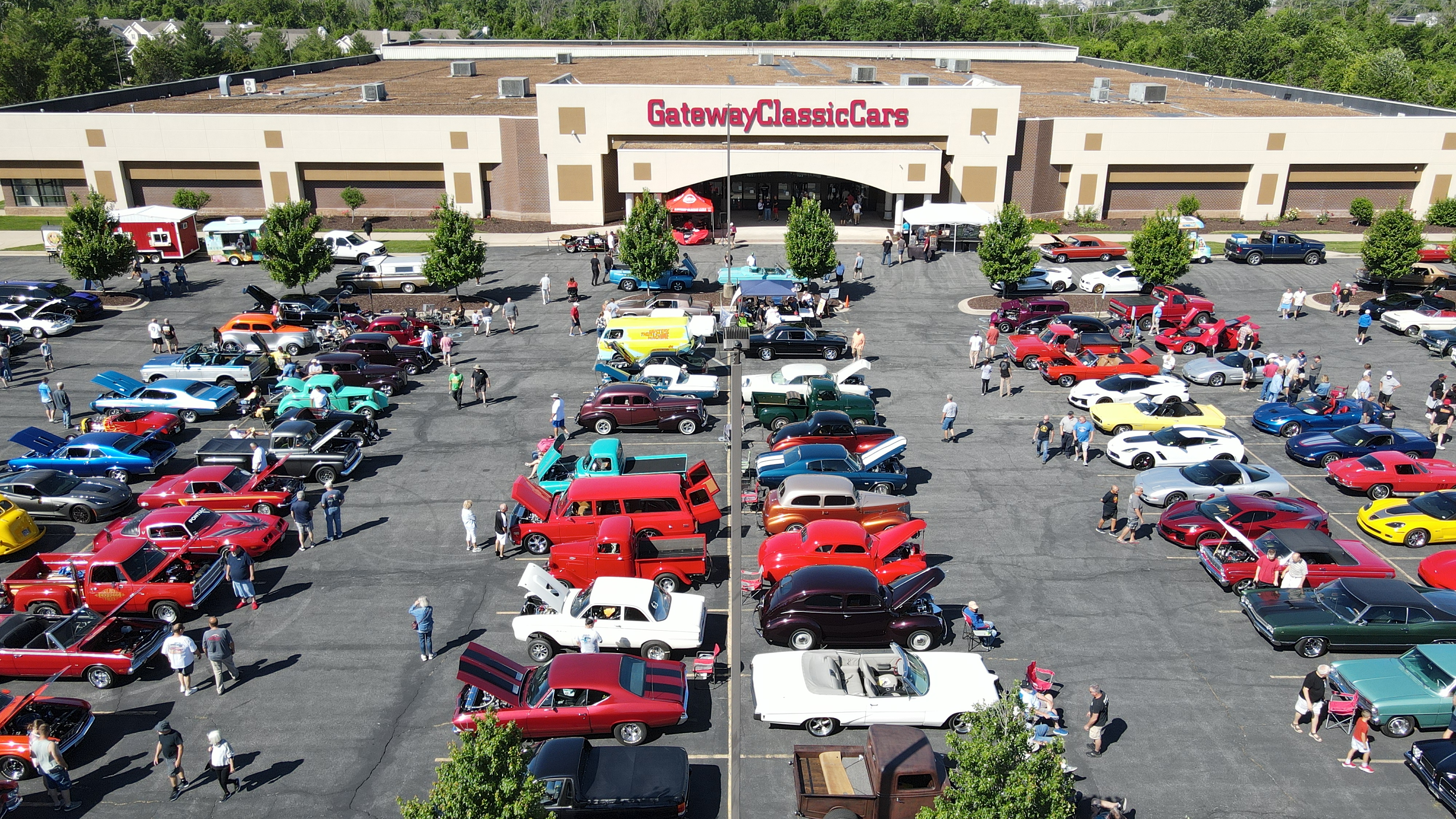
In recent years, the use of drones for photography and videography has become increasingly popular. Drones offer a unique perspective that cannot be achieved with traditional photography techniques. By using drones, you can capture aerial shots of the event and showcase the venue, the crowd, and the surrounding landscape. Drones can also be used to capture dynamic shots of performers, speakers, or products in action.

However, drone photography is not enough to cover an event comprehensively. Ground photography is equally essential to capture the event’s finer details, such as the decorations, the food, the attendees’ reactions, and the small moments that make an event memorable. Ground photography can also capture close-up shots of products, speakers, or performers that are not possible with a drone.

Therefore, to maximize your event coverage, it’s best to invest in both ground and drone photography packages. In this blog post, we’ll discuss the benefits of using ground and drone photography, how to choose the right photographer, and how to plan your event coverage.

Benefits of Ground Photography

Ground photography is the traditional method of capturing photos from a ground-level perspective. Ground photography is essential for capturing the event’s finer details, such as decorations, attendees, and close-up shots of products or performers. Here are some benefits of using ground photography for event coverage:

1. Captures the finer details

Ground photography is ideal for capturing the small details that make an event unique. Details like the decorations, the food, the attendees’ reactions, and the small moments that make an event memorable can be captured in high-quality with ground photography.

2. Captures close-up shots

Ground photography allows for close-up shots of products, speakers, or performers. Close-up shots are ideal for showcasing the details of a product or capturing the facial expressions of a speaker or performer.

3. Provides flexibility

Ground photography provides flexibility in terms of camera movement and angles. The photographer can move around the event space and capture shots from different perspectives, angles, and distances.

Benefits of Drone Photography

Drone photography is the use of unmanned aerial vehicles (UAVs) to capture photos and videos from a bird’s-eye view. Drone photography offers a unique perspective that cannot be achieved with traditional photography techniques. Here are some benefits of using drone photography for event coverage:

1. Provides an aerial view

Drone photography provides an aerial view of the event and its surroundings. Aerial shots can showcase the venue, the crowd, and the surrounding landscape in a way that ground photography cannot.

2. Captures dynamic shots

Drone photography can capture dynamic shots of performers, speakers, or products in action. For example, a drone can follow a performer as they move around the stage or capture shots of a product demonstration from different angles.

3. Provides a unique perspective

Drone photography provides a unique perspective that cannot be achieved with ground photography. Aerial shots can provide a sense of scale and perspective that ground shots cannot.

Choosing the Right Photographer

Choosing the right photographer is essential for maximizing your event coverage. Here are some factors to consider when choosing a photographer:

1. Experience

Choose a photographer with experience in event photography. An experienced photographer will know how to capture the best moments of an event and how to deal with challenging lighting conditions.

2 Style and portfolio

Review the photographer’s style and portfolio before hiring them. Look for a photographer whose style aligns with your vision for the event and who has a portfolio that showcases their ability to capture events.

3. Equipment

Ensure that the photographer has the necessary equipment to capture ground and drone photography. This includes a high-quality camera, lenses, stabilizers, and a drone with a high-resolution camera.

4. Safety

Safety should be a top priority when using drones for photography. Ensure that the photographer has the necessary licenses and certifications to operate a drone safely and that they follow all safety guidelines.

Planning Your Event Coverage

Planning your event coverage is essential for maximizing your event coverage. Here are some tips for planning your event coverage:

1. Define your goals

Define your goals for event coverage. Do you want to showcase the venue, the crowd, the performances, or the products? Defining your goals will help you choose the right photographer and create a shot list.

2. Create a shot list

Create a shot list that includes both ground and drone shots. The shot list should include shots of the venue, the crowd, the performances, and the products.

3. Schedule the photography

Schedule the photography in advance and coordinate with the photographer. Ensure that the photographer has access to the event space and that they know the event schedule.

4. Consider the lighting

Consider the lighting when planning your event coverage. Indoor events may require additional lighting to ensure that the shots are well-lit. Outdoor events may require shots during specific times of the day to capture the best lighting.

5. Review the shots

Review the shots with the photographer after the event. This will allow you to select the best shots for promotion and to identify areas for improvement for future events.

Conclusion

In conclusion, maximizing your event coverage requires a combination of ground and drone photography. Ground photography captures the finer details and allows for close-up shots, while drone photography provides an aerial view and captures dynamic shots. Choosing the right photographer and planning your event coverage are essential for ensuring that you capture the best moments of the event. By investing in ground and drone photography packages, you can showcase your event and promote future events with high-quality photos.

314-913-5626

stlouiscorporatephotographer@gmail.com