St. Louis Missouri LiDAR Drone Services: Precision Data Capture for Smarter Business Decisions

In St. Louis, aerial imaging is no longer limited to dramatic photography and marketing video. For many businesses and organizations, the more important question is not simply how a property, project, or facility looks from above, but what the site data can actually tell you. That is where LiDAR drone services become especially valuable.

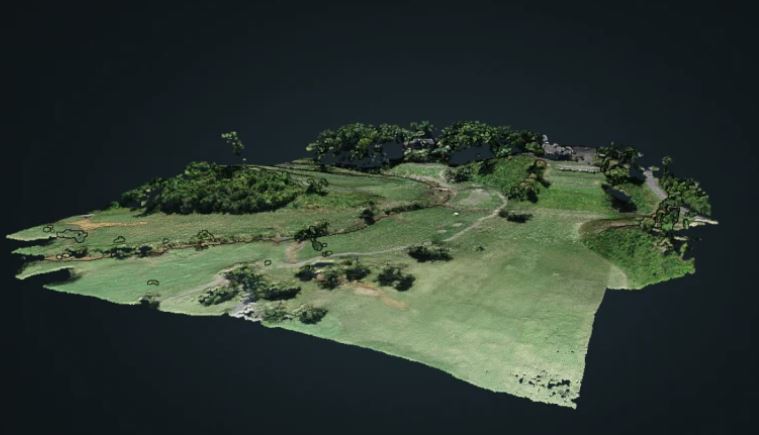
LiDAR, or Light Detection and Ranging, is a remote sensing method that uses pulsed laser light to measure distances and generate precise three-dimensional information about the shape of the earth and surface features. The result is typically a point cloud that can be processed into usable deliverables such as elevation models, contours, terrain surfaces, and other geospatial assets.

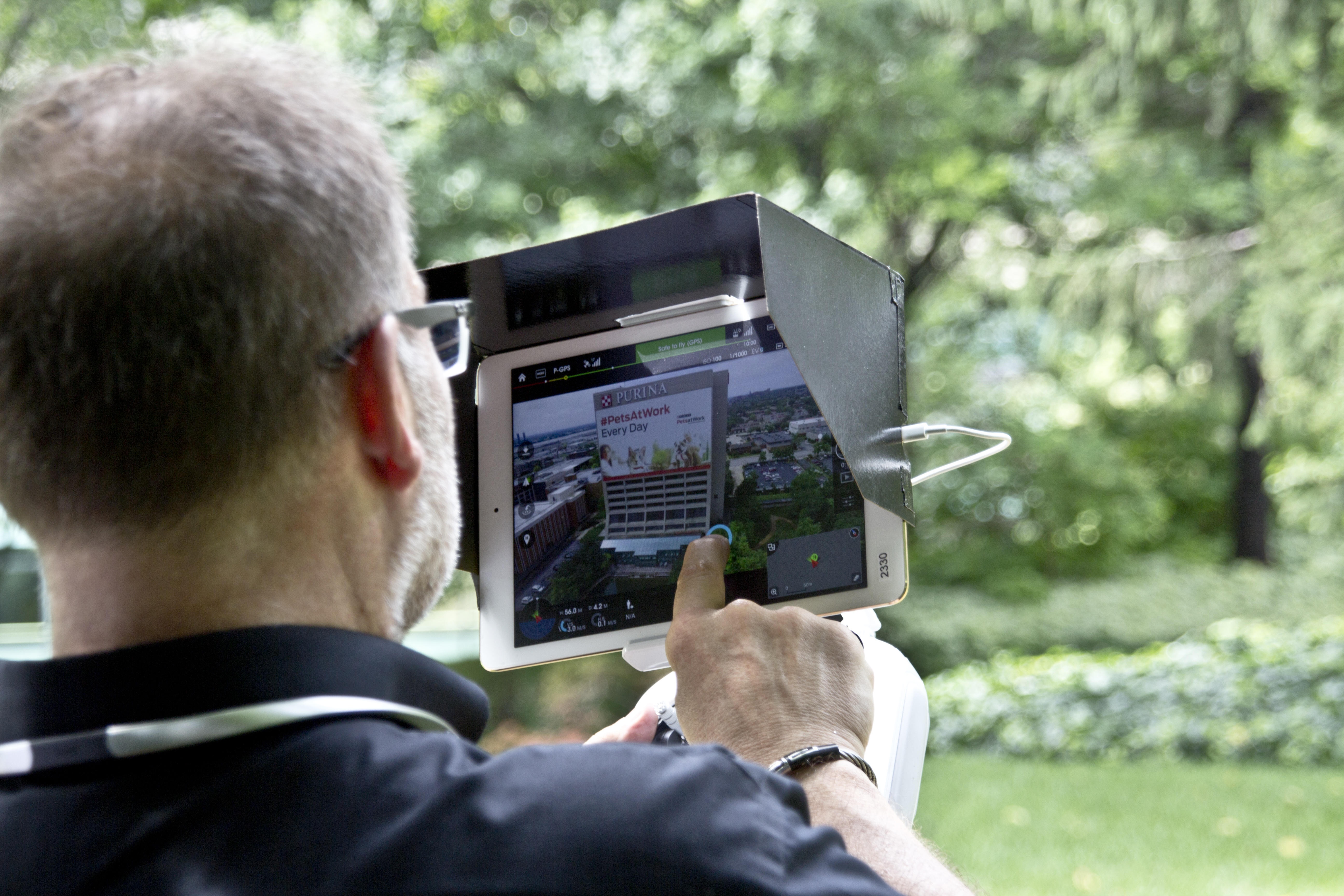
For decision makers in construction, engineering, facilities management, real estate, utilities, logistics, industrial operations, and large-site planning, that difference matters. Traditional drone photography is excellent for visual documentation, inspection support, and marketing communications. LiDAR serves a different role. It is designed to help teams measure, analyze, model, and plan with greater confidence when a site is too large, too complex, too uneven, or too operationally sensitive to evaluate efficiently from the ground.

What LiDAR drone services actually do

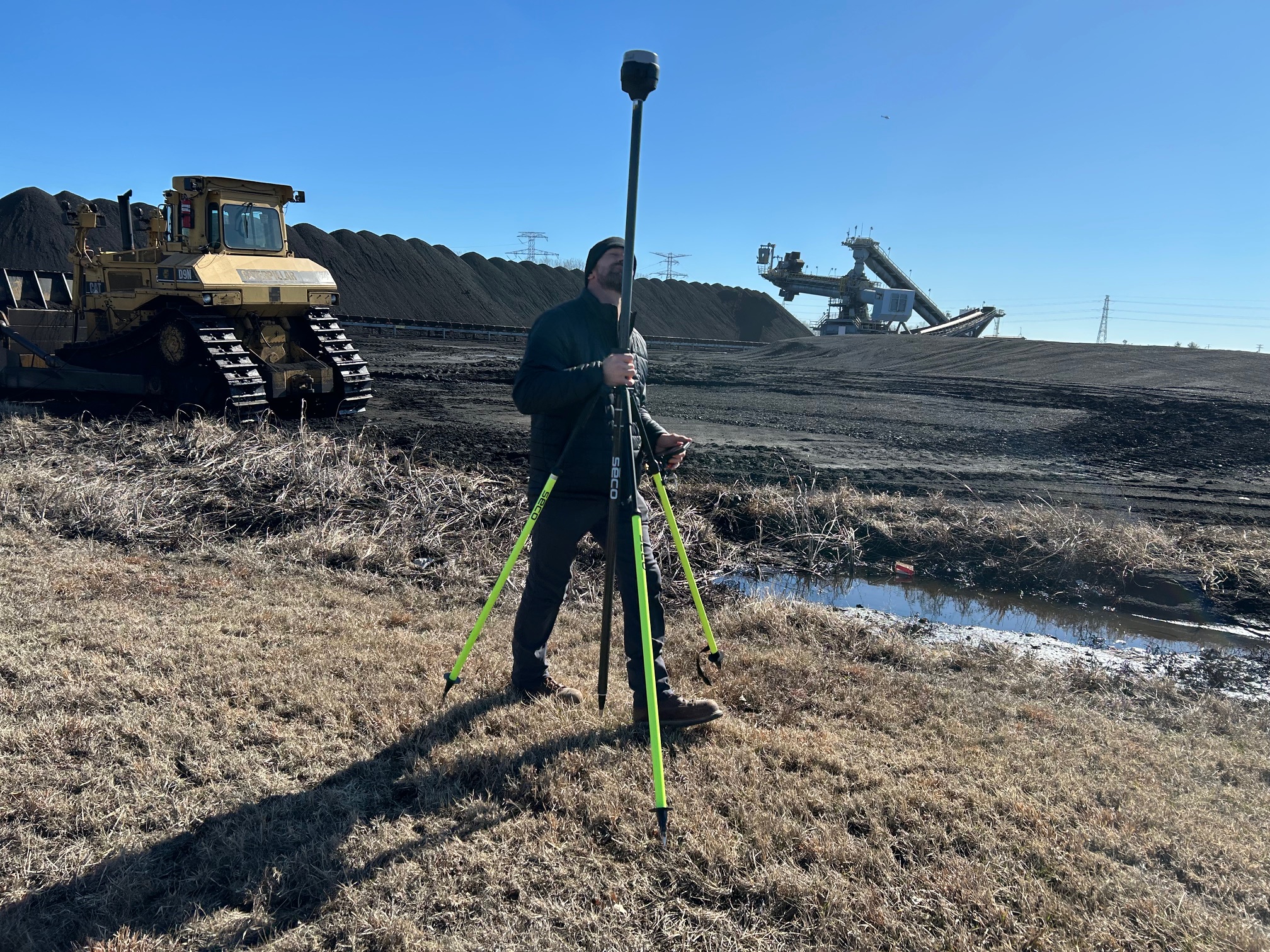
A LiDAR-equipped drone sends out laser pulses and records the returns from the ground and other surfaces. Because those returns can be processed into dense three-dimensional datasets, LiDAR is especially useful when a client needs more than imagery. It is valuable when the real deliverable is insight: terrain intelligence, elevation change, volumetric understanding, or a more detailed representation of site conditions. NOAA describes LiDAR as a method that generates precise 3D information about surface characteristics, while USGS notes that the original data is collected as a point cloud and can be processed into bare-earth elevation products by removing vegetation and structures where appropriate.

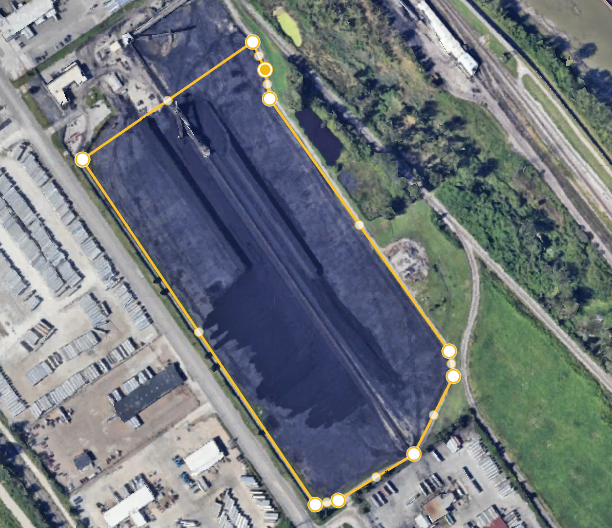
This capability is particularly important on sites with topographic variation, drainage issues, stockpiles, embankments, corridors, rooftops, campuses, industrial yards, or partially obstructed terrain. In those situations, a conventional photo set may show the site, but LiDAR helps quantify it.
Why St. Louis businesses are turning to LiDAR

St. Louis-area organizations operate across a wide range of physical environments: corporate campuses, industrial facilities, construction projects, healthcare properties, educational institutions, transportation corridors, utility sites, and commercial developments. Many of these sites require recurring documentation, planning support, or measurable spatial data rather than a one-time visual overview.

LiDAR drone services can support:

  • topographic mapping
  • terrain and elevation analysis
  • site planning and preconstruction evaluation
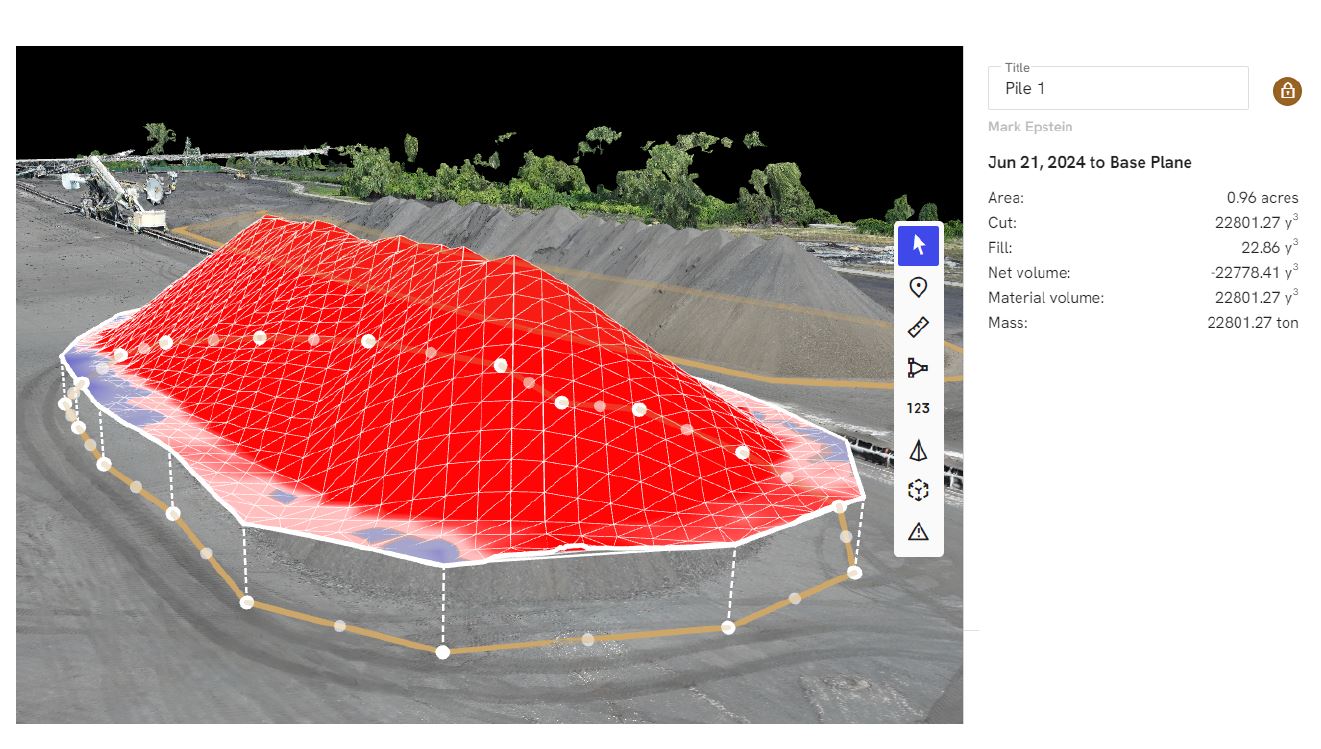
  • stockpile and material volume measurement
  • infrastructure and corridor documentation
  • drainage and stormwater assessment support
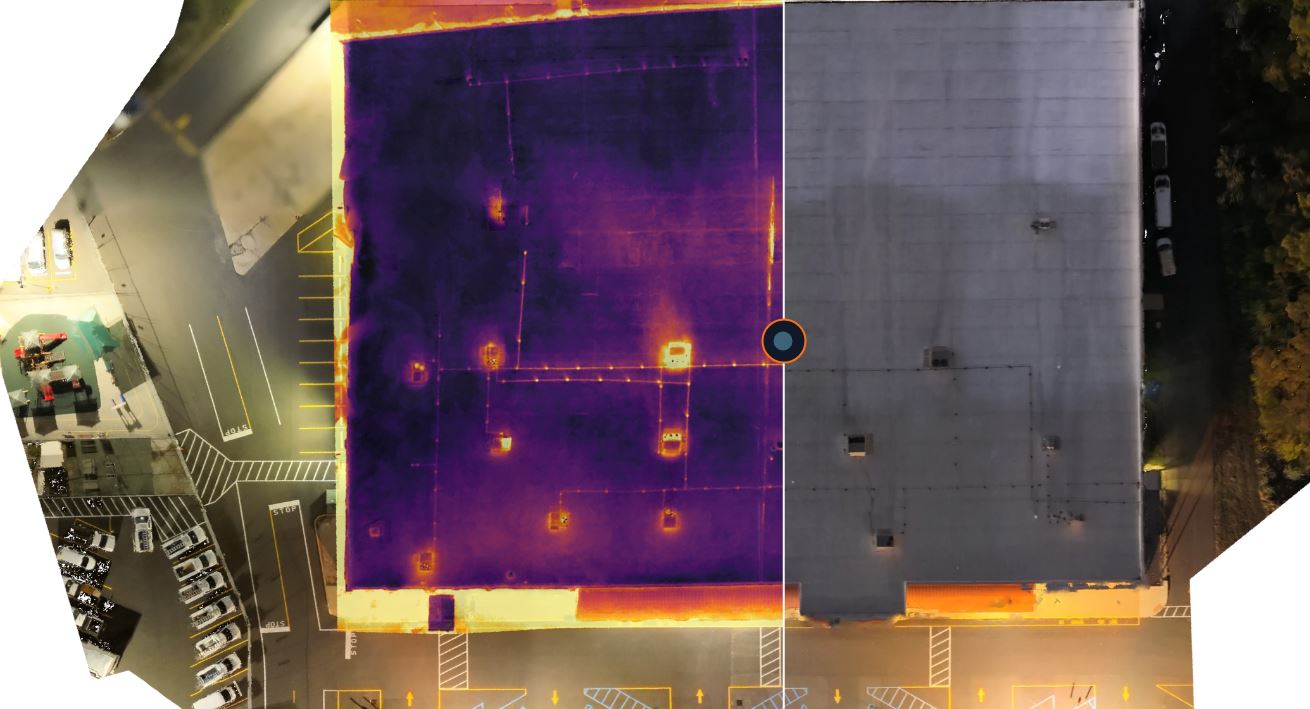
  • roof geometry and facility measurement
  • land development and property analysis
  • long-term change tracking across large sites

USGS identifies LiDAR point clouds and digital elevation models as standard products within modern elevation programs, which helps explain why LiDAR has become so valuable wherever reliable surface data matters.

Where LiDAR has an advantage over standard photogrammetry

Photogrammetry remains a strong solution for many commercial drone projects, especially when the goal is visual modeling based on overlapping photography. But LiDAR often becomes the better choice when elevation precision, terrain modeling, or the ability to classify surface data matters more than appearance alone.

One major advantage is that LiDAR data can be processed to distinguish between vegetation, structures, and ground surfaces. USGS specifically notes that LiDAR point clouds initially include returns from everything on the surface and that bare-earth digital elevation models are created by stripping away structures and vegetation. In practical terms, that means LiDAR can help reveal terrain characteristics that ordinary imagery may not describe clearly enough for planning or engineering use.

For organizations making budget, construction, maintenance, or design decisions, that can reduce uncertainty and help teams work from a more dependable dataset.
The real value is in the deliverables

Many clients initially focus on the aircraft or the sensor. Experienced buyers focus on the outputs.

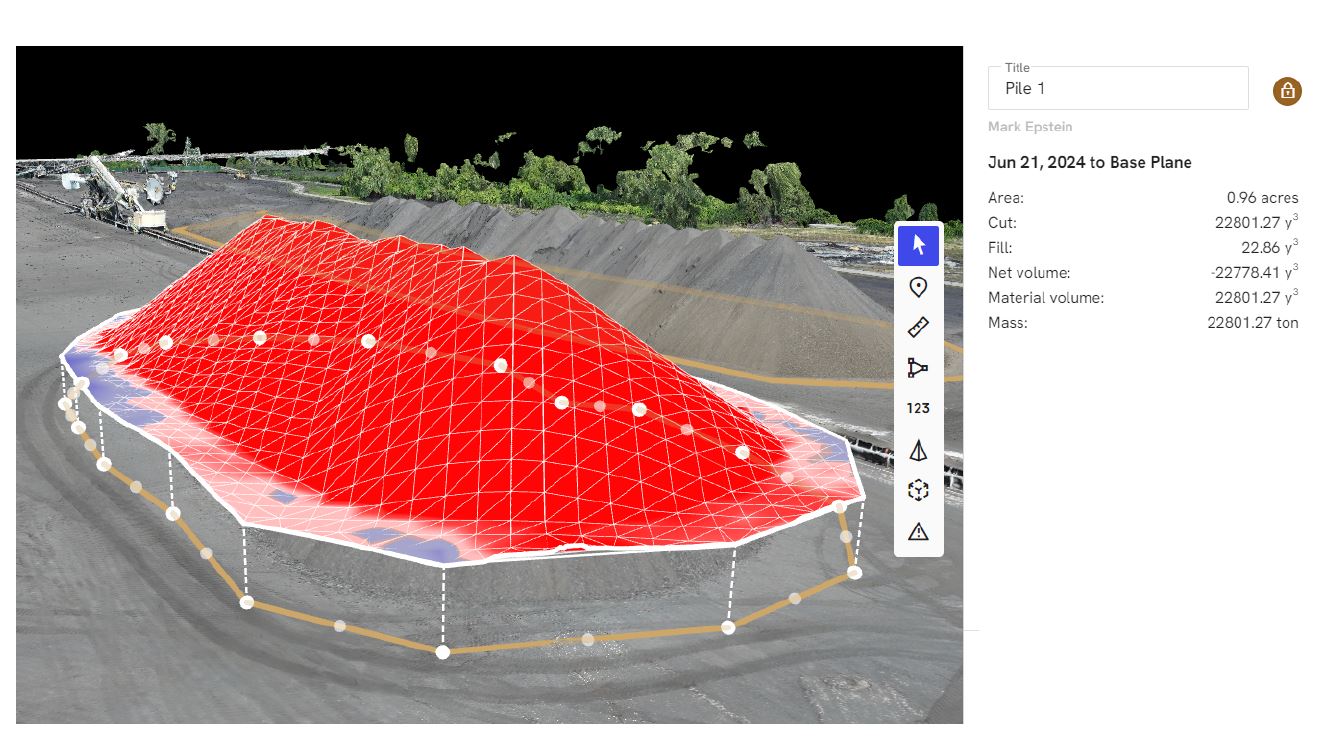
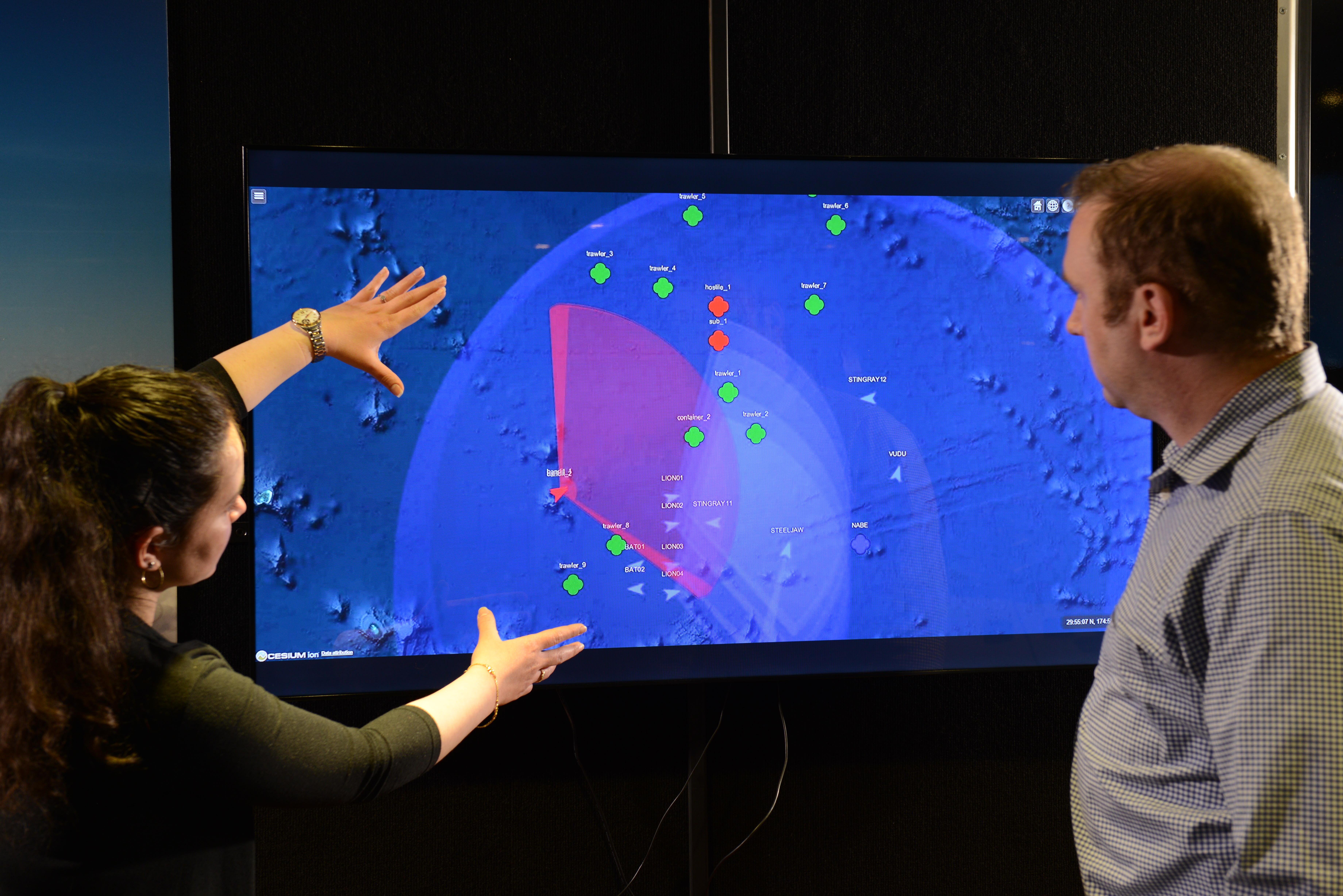
A professionally managed LiDAR project can produce deliverables such as classified point clouds, digital terrain models, elevation surfaces, contour products, measurement-based visuals, and files that integrate into downstream GIS, CAD, engineering, and planning workflows. USGS’s 3D Elevation Program materials emphasize LiDAR point clouds and DEM products as core outputs, underscoring that the purpose of LiDAR is not simply to fly a mission but to produce usable data.

That is an important distinction for business clients. A drone flight by itself is not the product. The product is the information that comes out of it and whether that information can actually support your next decision.

Accuracy, planning, and workflow matter more than the buzzword

LiDAR is not a magic button. The value of the final data depends on mission planning, site conditions, processing methods, coordinate requirements, control strategy, classification workflow, and the skill of the production team managing the project.

A serious LiDAR engagement should begin with the business objective. Are you documenting preconstruction conditions? Comparing site changes over time? Evaluating a facility footprint? Measuring volume? Supporting consultants? Building an internal archive of property data? The answer shapes how the mission should be planned and what deliverables are worth paying for.

Industry standards matter here. ASPRS maintains positional accuracy standards for digital geospatial data and publishes best-practice guidance because geospatial deliverables must be evaluated against defined accuracy expectations, not vague marketing language.

That is why clients should look for a production partner who understands not only drone operations, but also file handling, downstream workflow needs, and how to frame the project around usable outcomes.

Safety and compliance are part of professional drone service

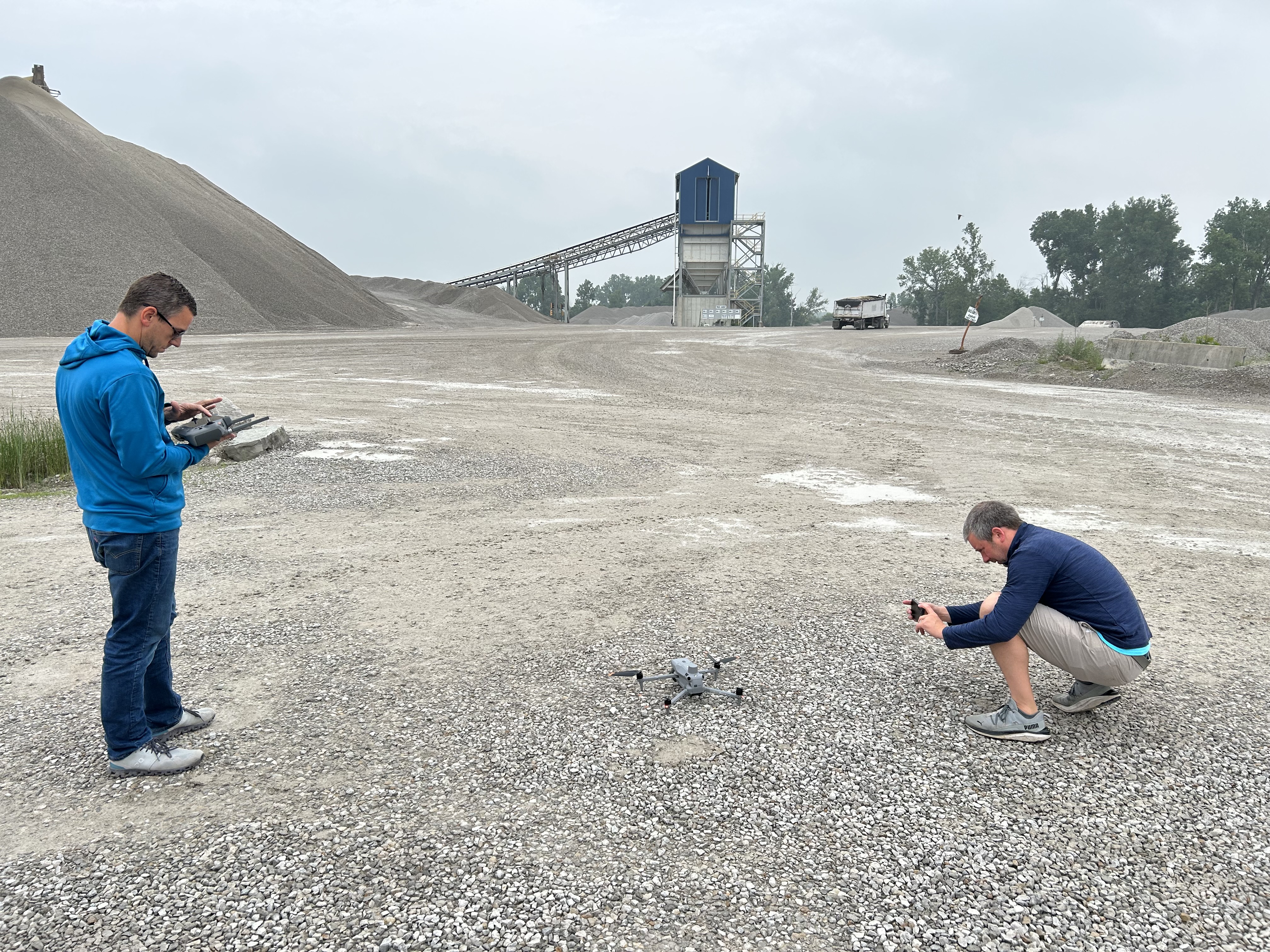
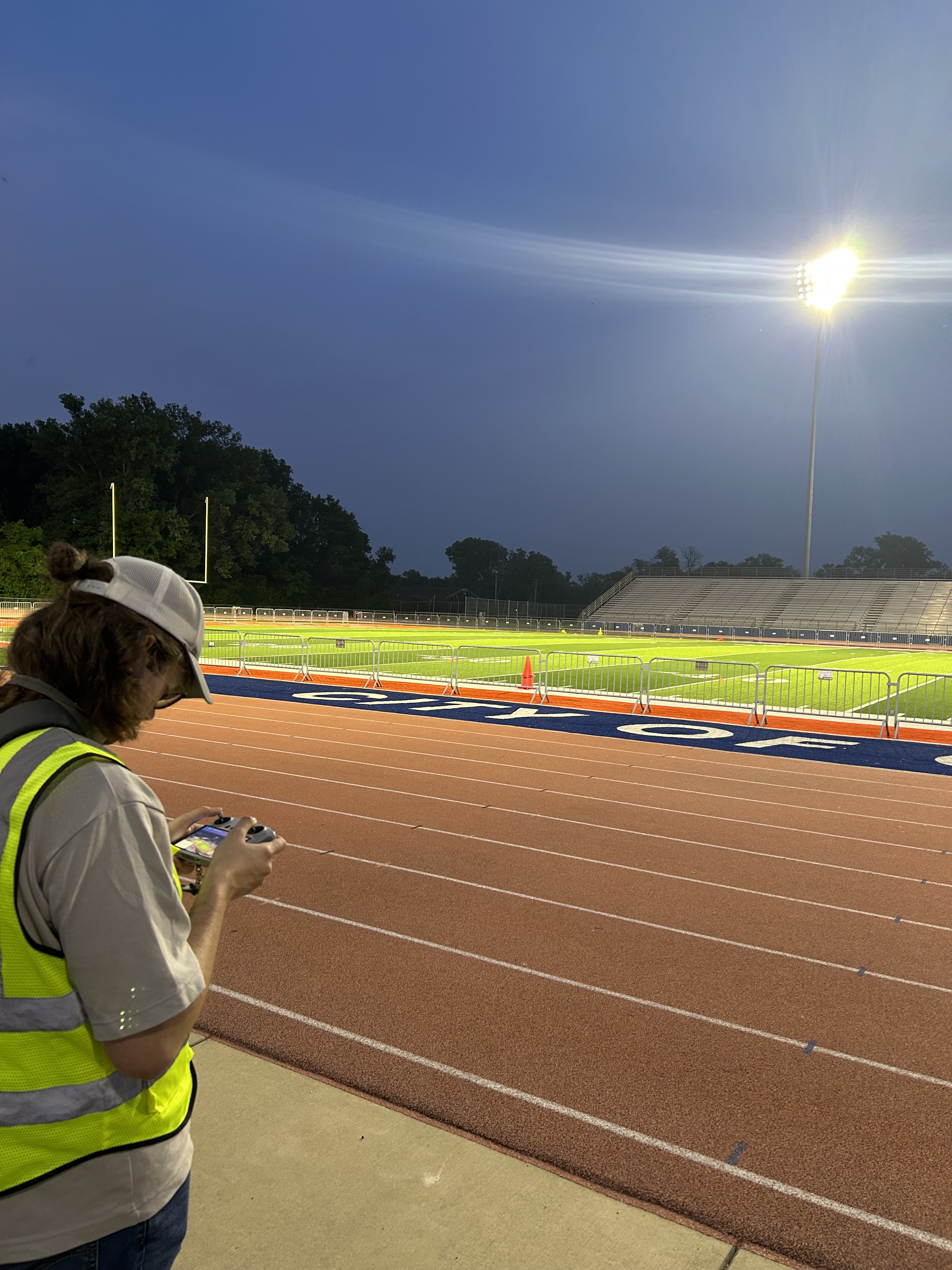
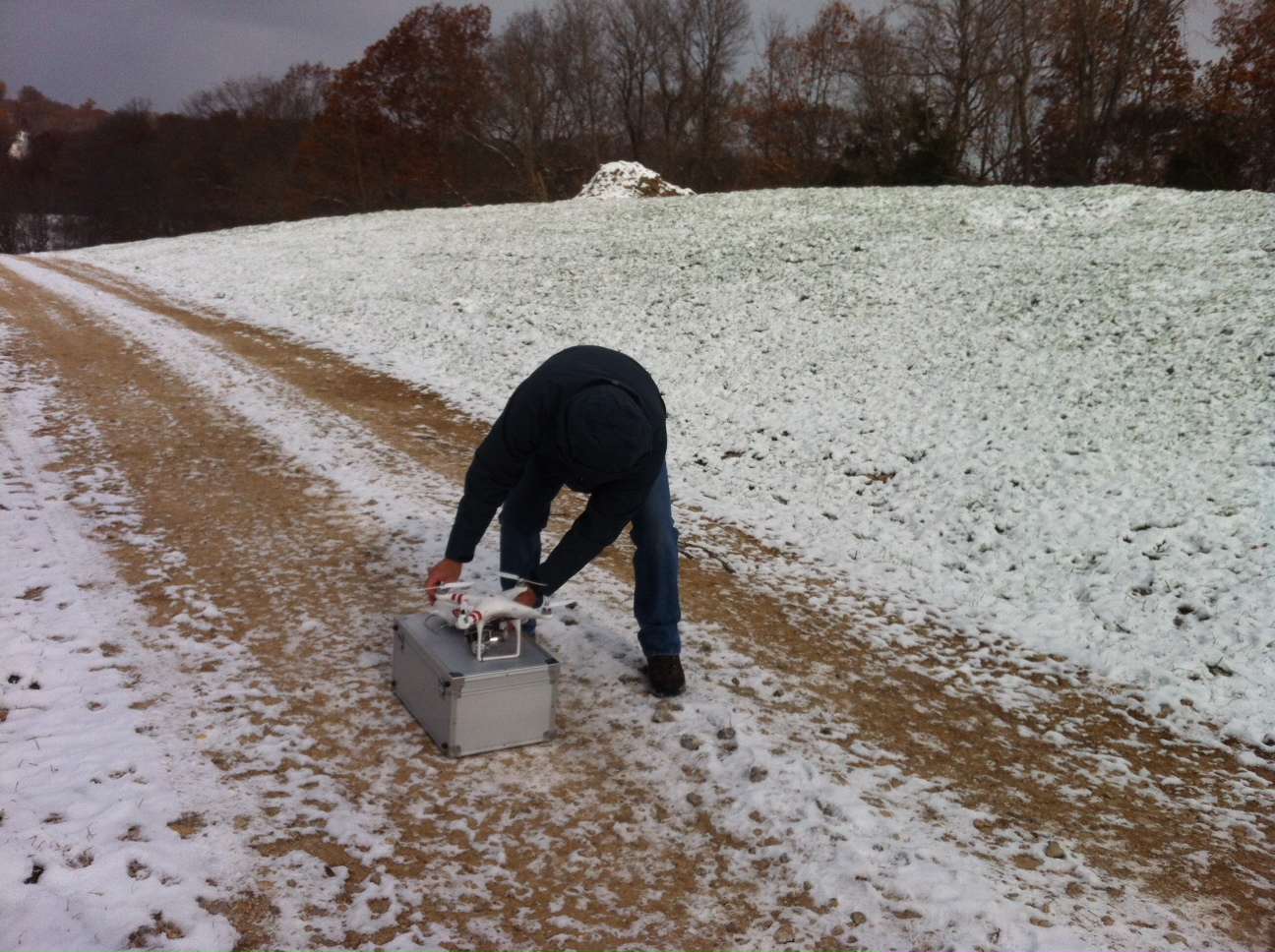
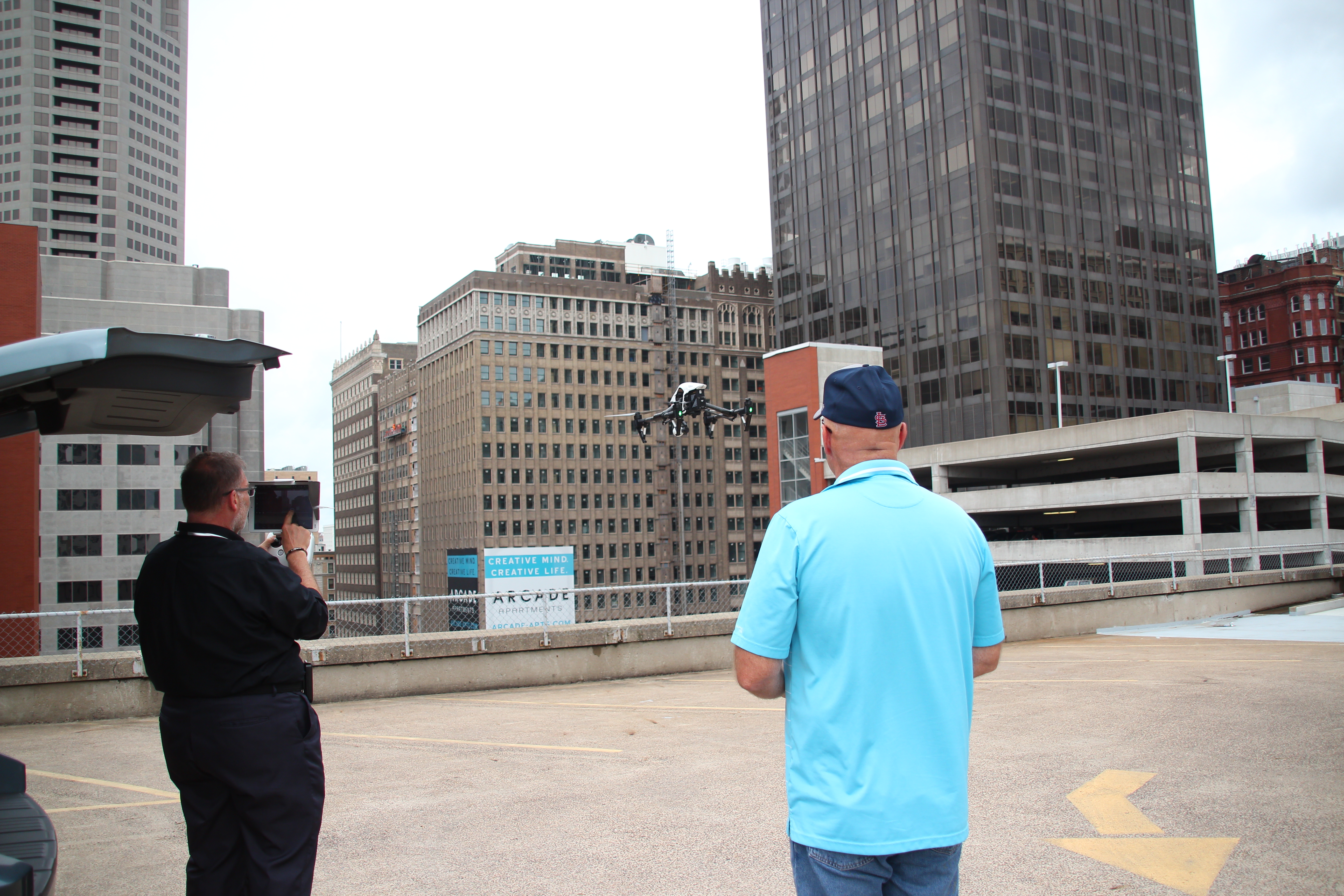
Any commercial drone operation has to be approached with operational discipline. The FAA states that work or business drone operations with small drones generally fall under Part 107, and remote pilots must hold the appropriate FAA certification to operate commercially under those rules. The FAA also provides for waivers in cases where operations need to go beyond specific Part 107 limitations, provided the operator demonstrates that the mission can still be conducted safely.

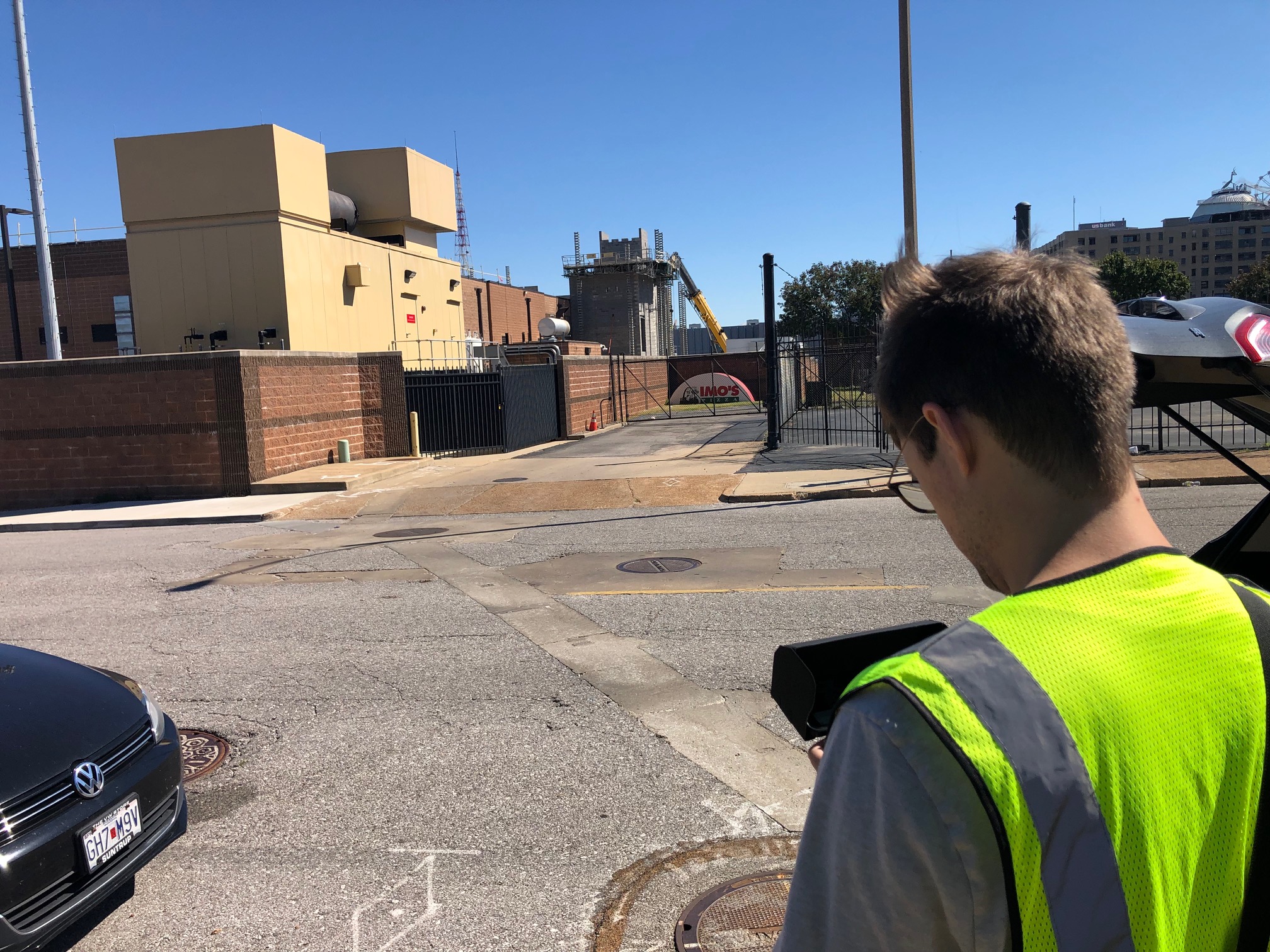
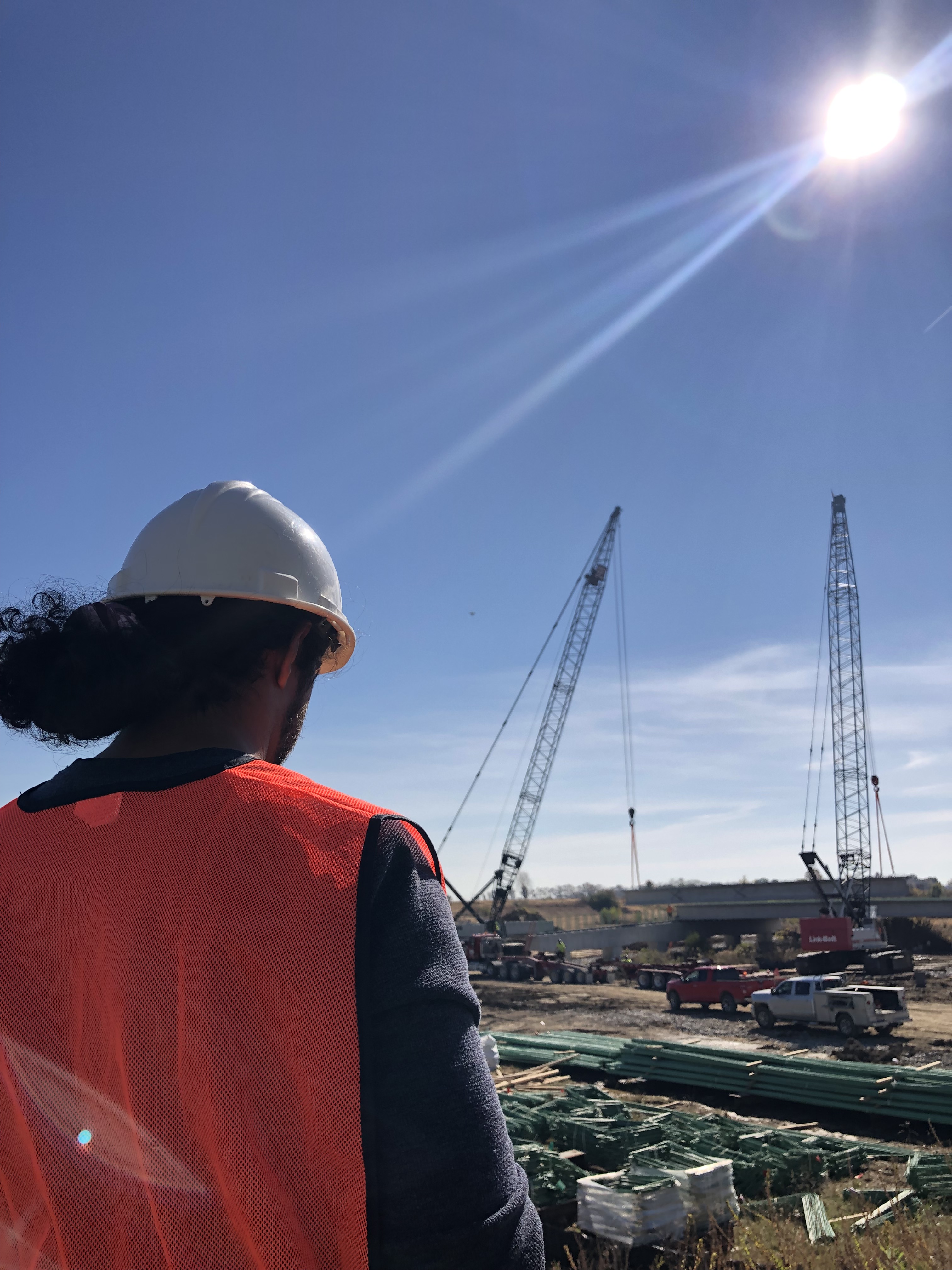
For commercial clients, this means the provider should already be thinking about airspace, property conditions, safety procedures, site activity, and operational planning before the mission begins. That becomes even more important around active facilities, tight urban environments, industrial sites, rooftops, campuses, or indoor spaces where specialized flight experience can make a major difference.
Why LiDAR should be part of a broader visual strategy

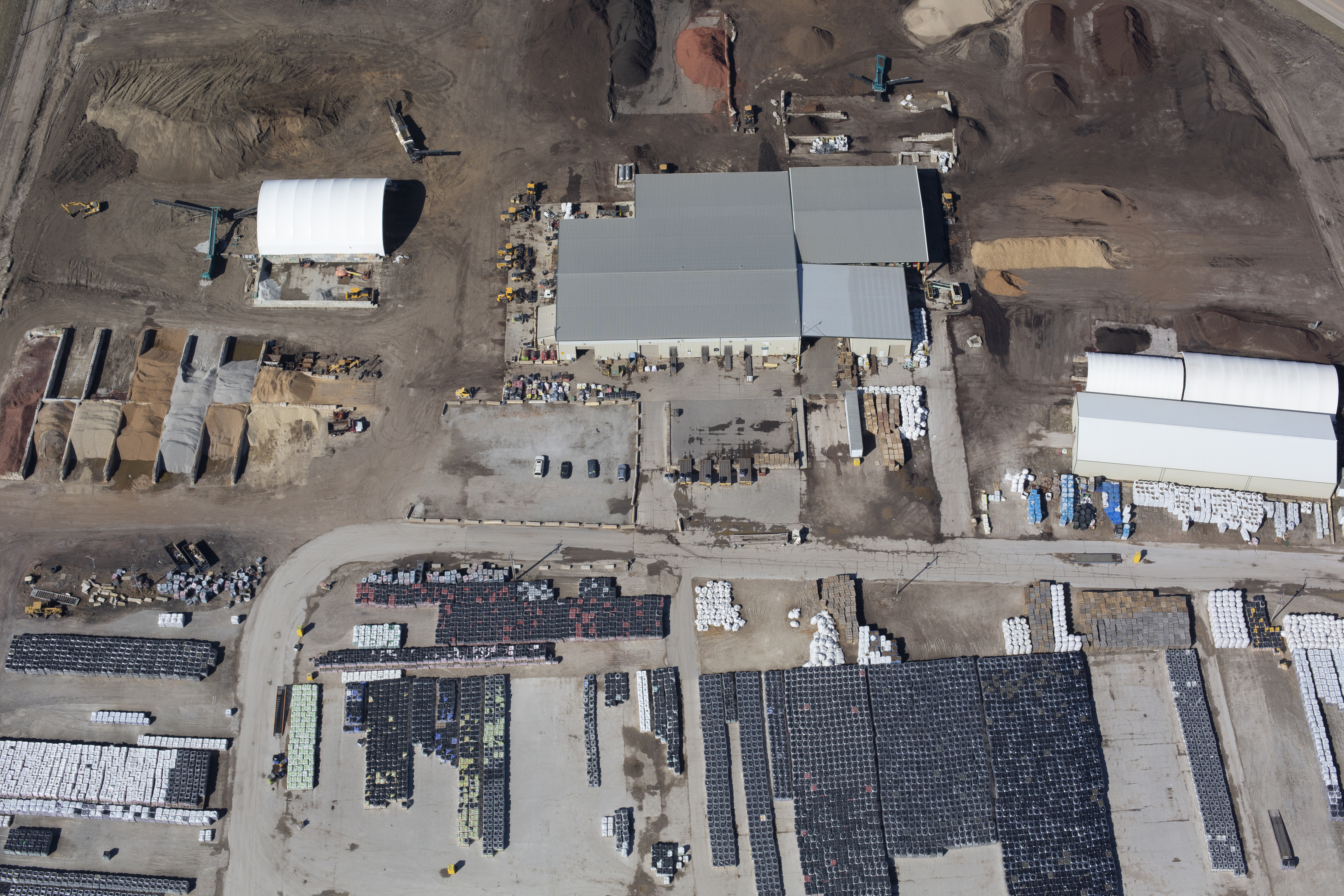
One of the biggest misconceptions about LiDAR is that it replaces conventional photography and video. In reality, the best results often come from combining them.

A business may need LiDAR for measurable site data, aerial photography for stakeholder presentations, ground-level photography for documentation, and video for marketing, internal communication, recruitment, or investor-facing content. When these needs are addressed together, one project can support multiple departments instead of creating separate costs and separate field days.

That broader approach is often where the greatest value appears. Technical capture can inform engineering and operations, while polished visual assets can serve communications, branding, and executive reporting. For a company trying to maximize budget and reduce production friction, that combination is highly effective.

What smart buyers should ask before hiring a LiDAR drone provider

Before committing to any LiDAR engagement, decision makers should ask a few practical questions:

What is the actual business problem we are trying to solve?
What deliverables will we receive?
Will those files work with our software or consultant workflow?
What level of accuracy is appropriate for this use case?
Will the provider also capture supporting imagery or video if needed?
How will the flight be planned for safety, efficiency, and compliance?
Can the same team help translate technical data into clear visuals for presentations or marketing use?

Those questions usually reveal the difference between a basic drone operator and a true production partner.
Experienced LiDAR drone services require more than equipment

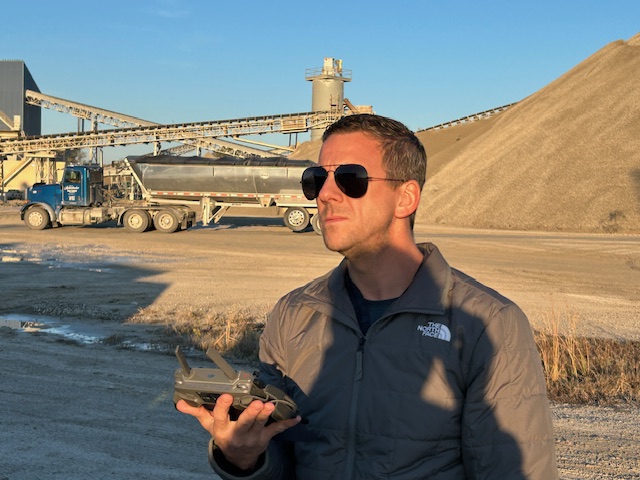
The most successful LiDAR projects are not driven by gear alone. They are driven by experience, planning, communication, and the ability to turn technical capture into practical value for the client. That means understanding both the data side and the media side of modern production.

At St Louis Corporate Photographer, we understand that many organizations do not just need drone flights. They need dependable image acquisition, flexible deliverables, and a production team that can support technical, operational, and marketing goals in one place.

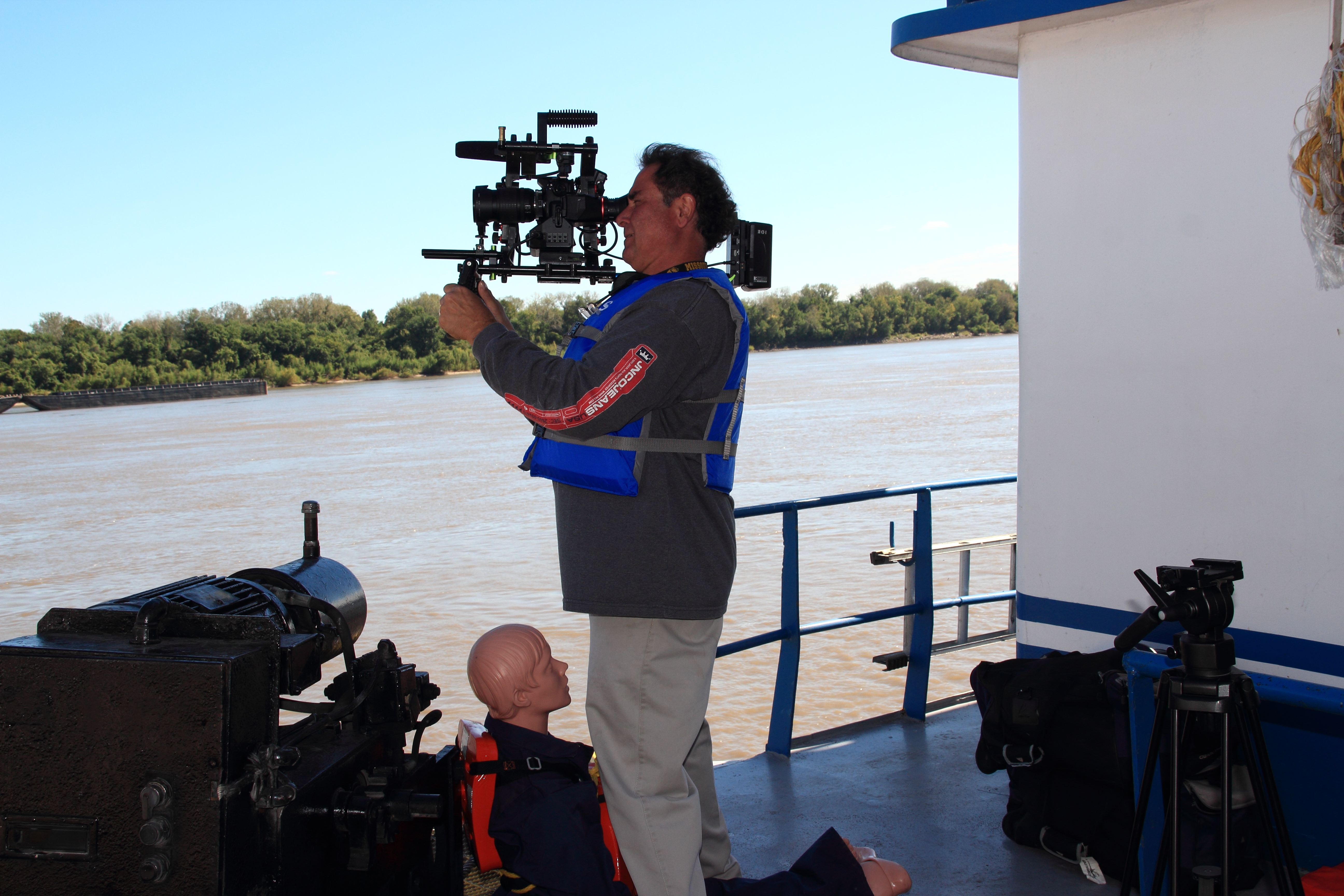
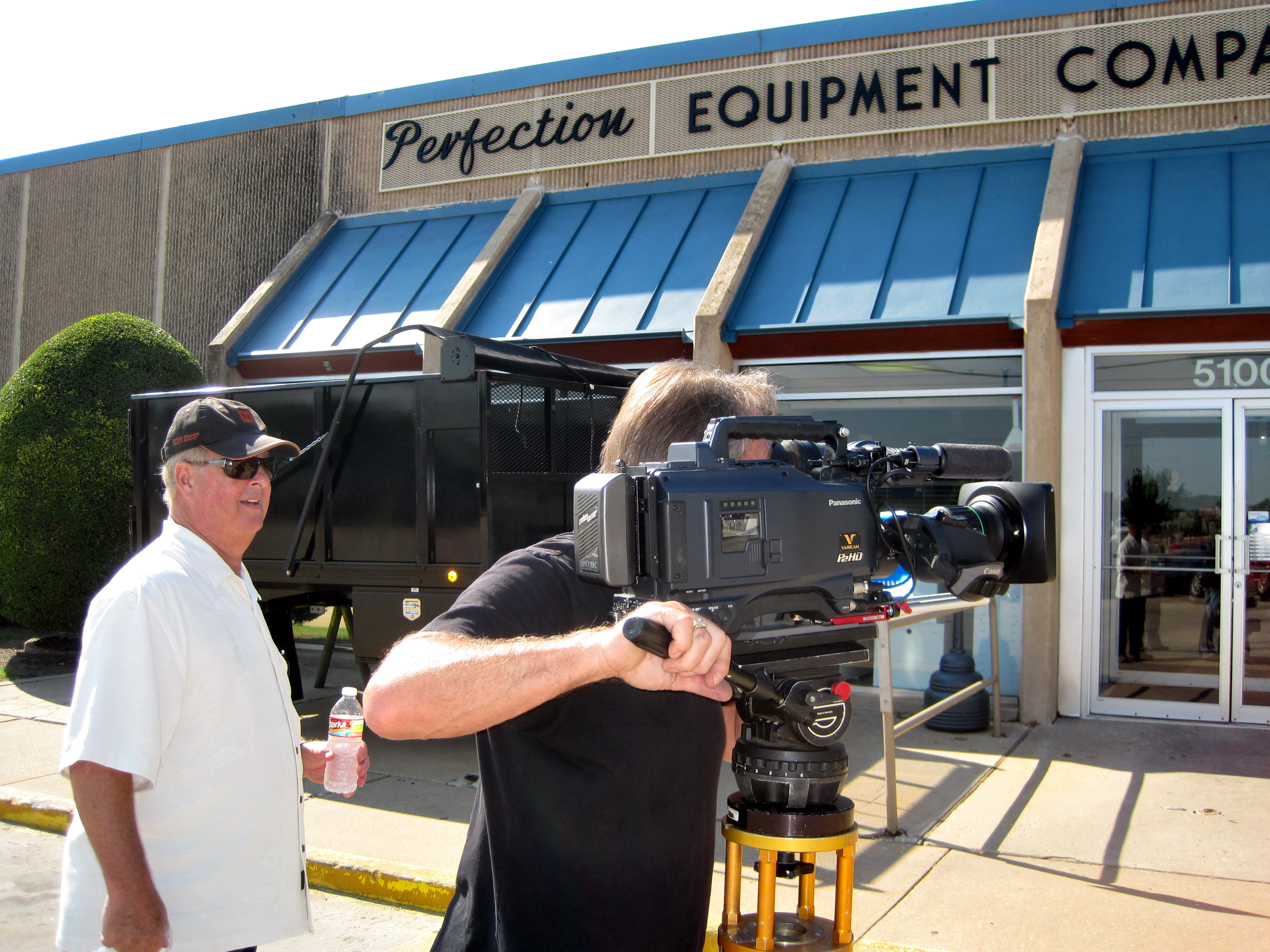
St Louis Corporate Photographer is a full-service professional commercial photography and video production company with the right equipment and creative crew service experience for successful image acquisition. We offer full-service studio and location video and photography, as well as editing, post-production and licensed drone services. St Louis Corporate Photographer can customize your productions for diverse types of media requirements. Repurposing your photography and video branding to gain more traction is another specialty.
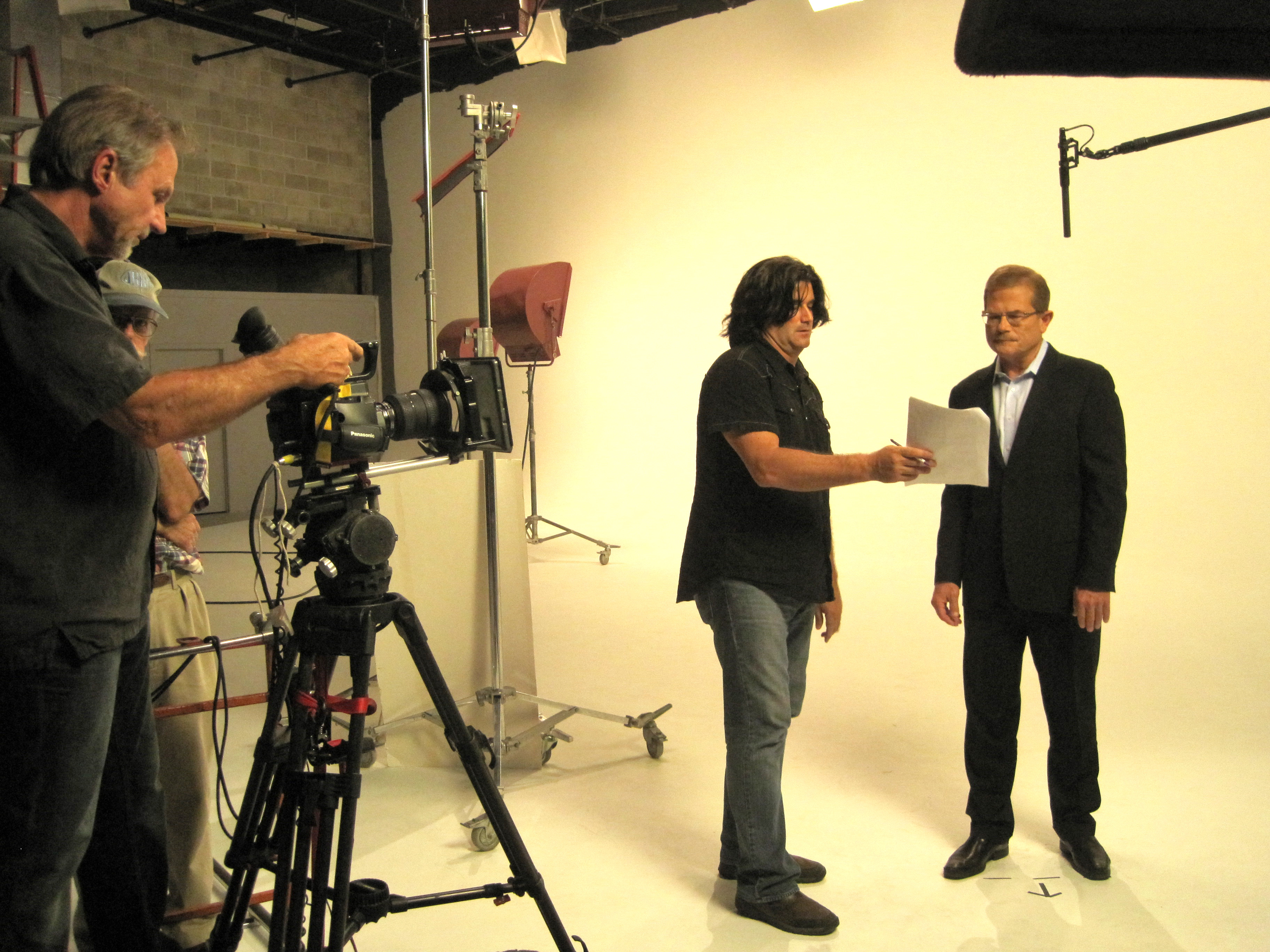
We are well-versed in all file types and styles of media and accompanying software. We use the latest in Artificial Intelligence for all our media services. Our private studio lighting and visual setup is perfect for small productions and interview scenes. Our studio is large enough to incorporate props to round out your set. We support every aspect of your production—from setting up a private, custom interview studio to supplying professional sound and camera operators, as well as providing the right equipment—ensuring your next video production is seamless and successful. We can fly our specialized drones indoors.

As a full-service video and photography production corporation, since 1982, St Louis Corporate Photographer has worked with many businesses, marketing firms and creative agencies in the St. Louis area for their marketing photography and video. When your project calls for precise aerial data, polished visual assets, and a crew that understands how to align both with business goals, St Louis Corporate Photographer brings the experience, equipment, and production depth to help make that happen.
314-913-5626

stlouiscorporatephotographer@gmail.com

Custom Photography vs. Stock: Cost, Control, and Brand Risk for Service Brands

If your company sells a service—IT support, healthcare, professional consulting, logistics, facilities, engineering—the “product” prospects evaluate is trust. Images are often the first proof of that trust. The question I hear constantly from marketing directors: “Do we invest in custom photography, or can we move faster with stock?” The right answer isn’t dogma; it’s a decision framework—balancing cost, control, and brand risk against speed and campaign goals. Here’s a practical, expert guide built from decades producing corporate visuals that convert.


Executive Summary (for busy stakeholders)

  • Stock is efficient for low-stakes, short-life assets (internal decks, early mockups, blog filler, social A/B tests).
  • Custom photography wins when you need ownable brand IP, legal clarity, consistent style across channels, and visual proof of your real people, processes, and locations.
  • Hidden costs and brand risk often flip the math: licensing traps, look-alike competitors, misrepresentation, and compliance issues (HIPAA, safety PPE, manufacturing protocols, accessibility) can push stock from “cheap” to “expensive.”

Cost Realities: Sticker Price vs. Total Cost of Ownership (TCO)

Direct costs

  • Stock: License fee per image or subscription. Upside: immediate availability. Downside: extended licenses (OOH, high-impression ads, templates, paid social) quickly escalate costs.
  • Custom: Day rate(s), crew, gear, studio/location, permits, edit/post. Upside: you typically own much broader rights and master files for long-term reuse.

Hidden costs

  1. License compliance effort: Time to track where each stock asset is used, by whom, and for how long.
  2. Re-cropping & re-touching fees: Some stock licenses restrict edits, templates, or AI-based transformations.
  3. Inconsistent style tax: Mixing stock aesthetics with your owned visuals increases design labor to unify look/feel.
  4. Replacement cost: When a competitor runs the same hero image, you’ll pay again—creative time, layouts, and possible re-prints.
  5. Opportunity cost: Generic imagery underperforms on conversion pages where buyers need proof (case studies, facilities pages, “Meet the Team,” recruiting).

A simple ROI lens

  • Pages with evidence imagery (your technicians, labs, trucks, clinics, manufacturing cells) typically outperform generic stock on high-intent traffic because the visuals reduce perceived risk. If your conversion rate lifts even modestly, custom quickly pays for itself over a content calendar.

Control: Creative Direction, Consistency, and Compliance

Brand Control

  • Stock: You control selection and crop, but not who else uses it. You inherit the photographer’s lighting, perspective, and casting choices—often at odds with your brand guidelines.
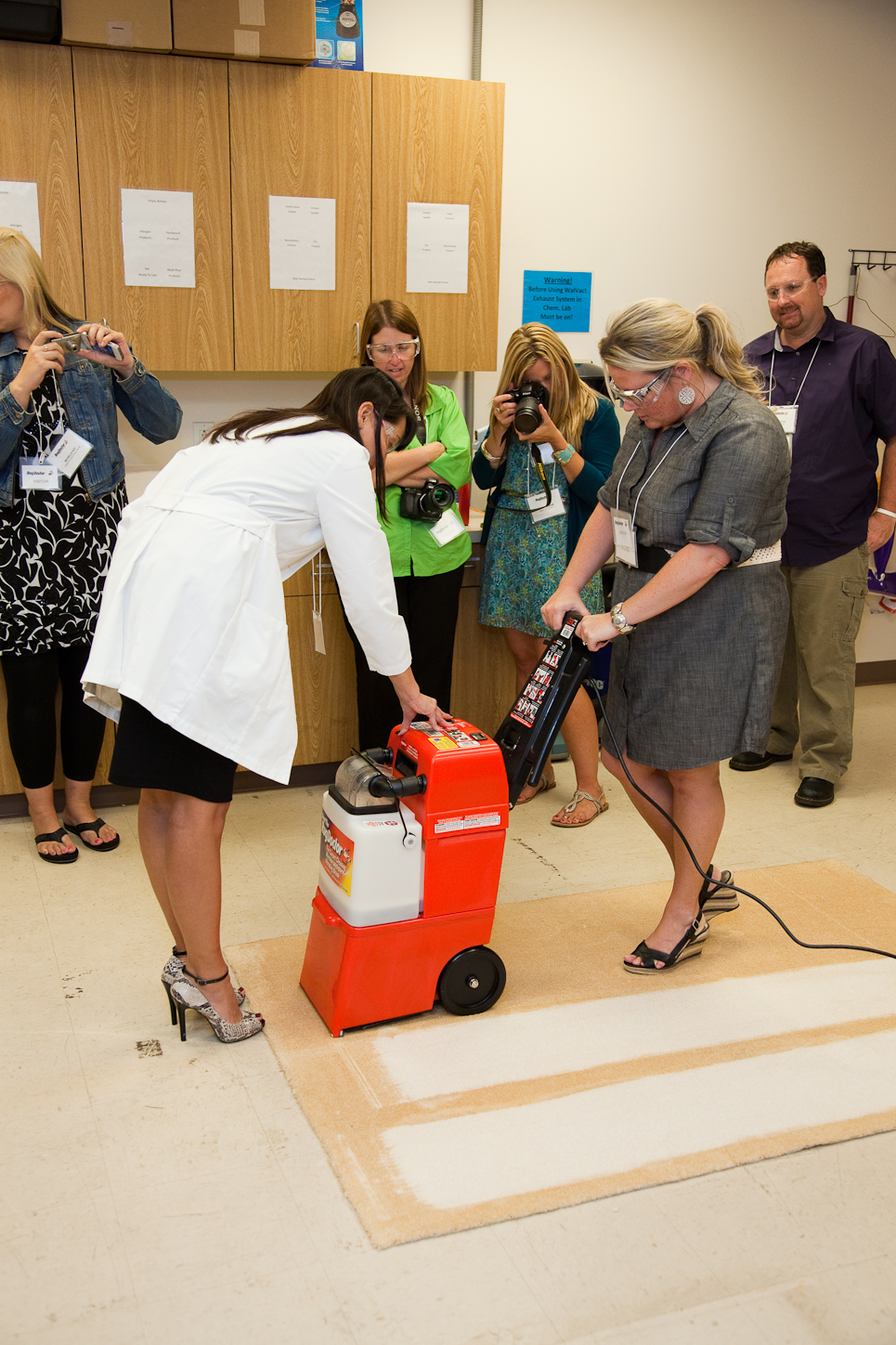
  • Custom: You control subject matter, wardrobe, safety compliance, DEI casting, set cleanliness, background branding, and visual hierarchy. We build shot lists aligned to your funnel: hero banners, service-process sequences, culture portraits, and vertical-first short-form video cut-downs.

Style Consistency

  • Stock is a patchwork quilt. Cohesion requires design effort and still rarely feels unified.
  • Custom yields a brand style library: repeatable lighting, lensing, color grading, and composition rules that scale across web, print, social, trade shows, and recruitment.

Regulatory/Safety

  • Stock often misses details that matter to auditors and sophisticated buyers: proper PPE, lockout/tagout indicators, sterile fields, HIPAA-safe contexts, or chain-of-custody cues.
  • Custom can be designed to pass compliance review the first time.

Brand Risk: The Part Everyone Underestimates

  1. Look-Alikes and Competitor Collisions
    The same “smiling headset agent” or “handshake in the lobby” devalues your differentiation. If a prospect has seen that image on another site, credibility erodes.
  2. Representation Misfires
    Stock can unintentionally telegraph the wrong geography, facility type, or workforce makeup. Today’s buyers notice.
  3. Legal Ambiguity
    • Editorial vs. commercial license confusion
    • Releases not fit for your jurisdiction
    • Prohibited uses (biometric editing, logo visibility, generative AI reworks)
    • Duration/territory exclusions that clash with campaign realities
  4. AI & Content Authenticity
    Many stock marketplaces now mix real, 3D, and AI-generated content. Without provenance controls, you risk using visuals that are flagged by clients, journalists, or platforms. With custom, you can embed Content Credentials (C2PA) and maintain a clear audit trail.

When Stock Makes Sense (and How to Use It Wisely)

  • Early-stage wireframes and layouts
  • Blog posts where the image is decorative, not evidence
  • Low-stakes organic social or internal newsletters
  • Filler thumbnails for fast iteration

Best practices

  • Maintain a license log (URL, campaign, start date, term, territory, impressions).
  • Prefer non-exclusive stock with restricted distribution when possible.
  • Avoid faces in conversion-critical placements; choose textures, abstractions, or macro details to reduce recognizability.
  • Run reverse-image checks on hero assets to see current usage saturation.

When Custom Is the Clear Choice

  • Homepage hero and core service pages
  • Case studies, proposals, RFP responses
  • Recruitment and culture hubs
  • Tradeshow booths, large-format print, OOH
  • Regulated or technical workflows (healthcare, manufacturing, utilities, aviation)
  • Any time visual proof reduces buyer risk

Deliverables that scale

  • Modular shoot plans: Portraits + action + processes + environments + details, designed to feed 6–12 months of campaigns.
  • Aspect ratio coverage: 16:9, 4:5, 1:1, 9:16 captured on set—no painful crops later.
  • Motion-first capture: Short b-roll + micro-interviews for social, recruiting, and product explainers.
  • Template-ready framing: Space for copy and CTAs baked into composition.

The Decision Matrix (Use This Before Your Next Campaign)

Ask these five questions:

  1. Is this asset proof or decoration?
    • Proof = Custom. Decoration = Stock can work.
  2. How public and persistent is the placement?
    • High-visibility or evergreen = Custom reduces risk.
  3. Are there compliance or accuracy requirements?
    • If yes, custom. We control PPE, signage, process.
  4. Do we need consistent style across channels?
    • If yes, build a custom library and a short style guide.
  5. What’s the lifecycle value?
    • If the asset will be reused across sales, HR, PR, and paid, custom’s TCO is usually lower within a quarter.

Practical Budgeting: How to Buy Once, Use Many Times

Plan the library, not just the shoot.

  • Map your customer journey: awareness, consideration, decision, onboarding, advocacy.
  • For each stage, list the visuals that reduce friction: team expertise, process evidence, safety, scale, outcomes.

Stack efficiencies

  • Combine headshots, environment portraits, and process stills in one schedule block.
  • Capture b-roll for recruiting and social while lighting is already dialed.
  • Use indoor drone moves for dynamic facility reveals and unique vantage points without disrupting operations.

Rights & Governance

  • Commission with broad commercial rights and model/property releases covering digital, print, paid, and derivative edits (including AI-assisted variations).
  • Embed C2PA credentials for provenance and maintain a central asset index with tags, usage notes, and expiration dates.

Creative Guardrails for Service Brands

  • People over props: Feature your real teams, supervisors, and clients (when permissible).
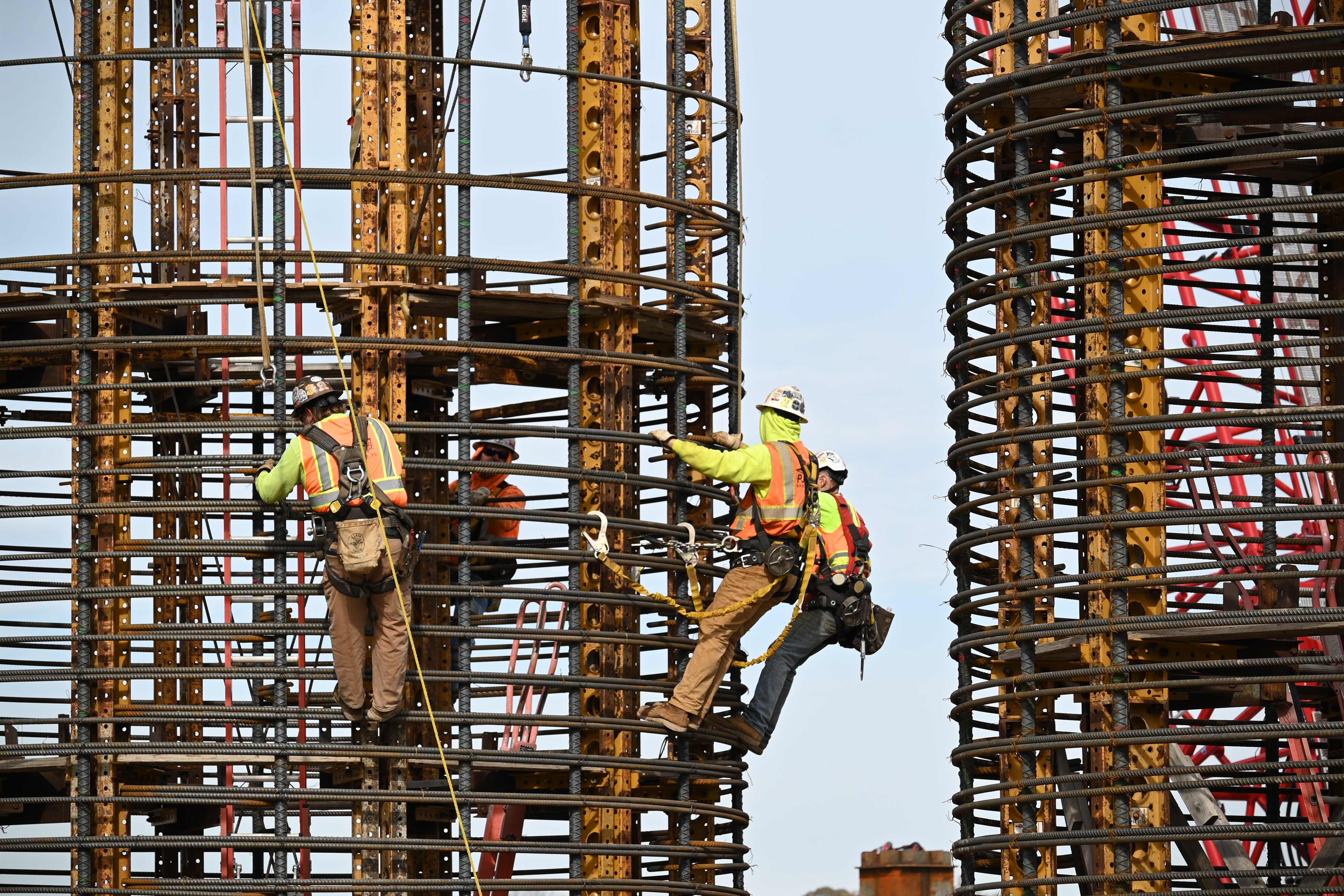
  • Detail parity: If your service is complex, show the details (labels, instruments, dashboards) that experts recognize.
  • Safety and inclusion: PPE and signage must be correct; represent the diversity of your workforce and customers authentically.
  • Lighting language: Define a repeatable look—soft directional key, controlled practicals, modest contrast—for recognizability.
  • Motion snippets: 5–8 second loops for social and web UI add perceived quality without heavy post.

Sample One-Day Shoot Plan (Built for a 6–12 Month Library)

Pre-production (1–2 weeks prior)

  • Shot list, schedule, permissions, releases, wardrobe, safety review
  • Visual style brief + reference frames
  • Location tech scout; identify drone paths (including indoor drone routes)

Production (1 day)

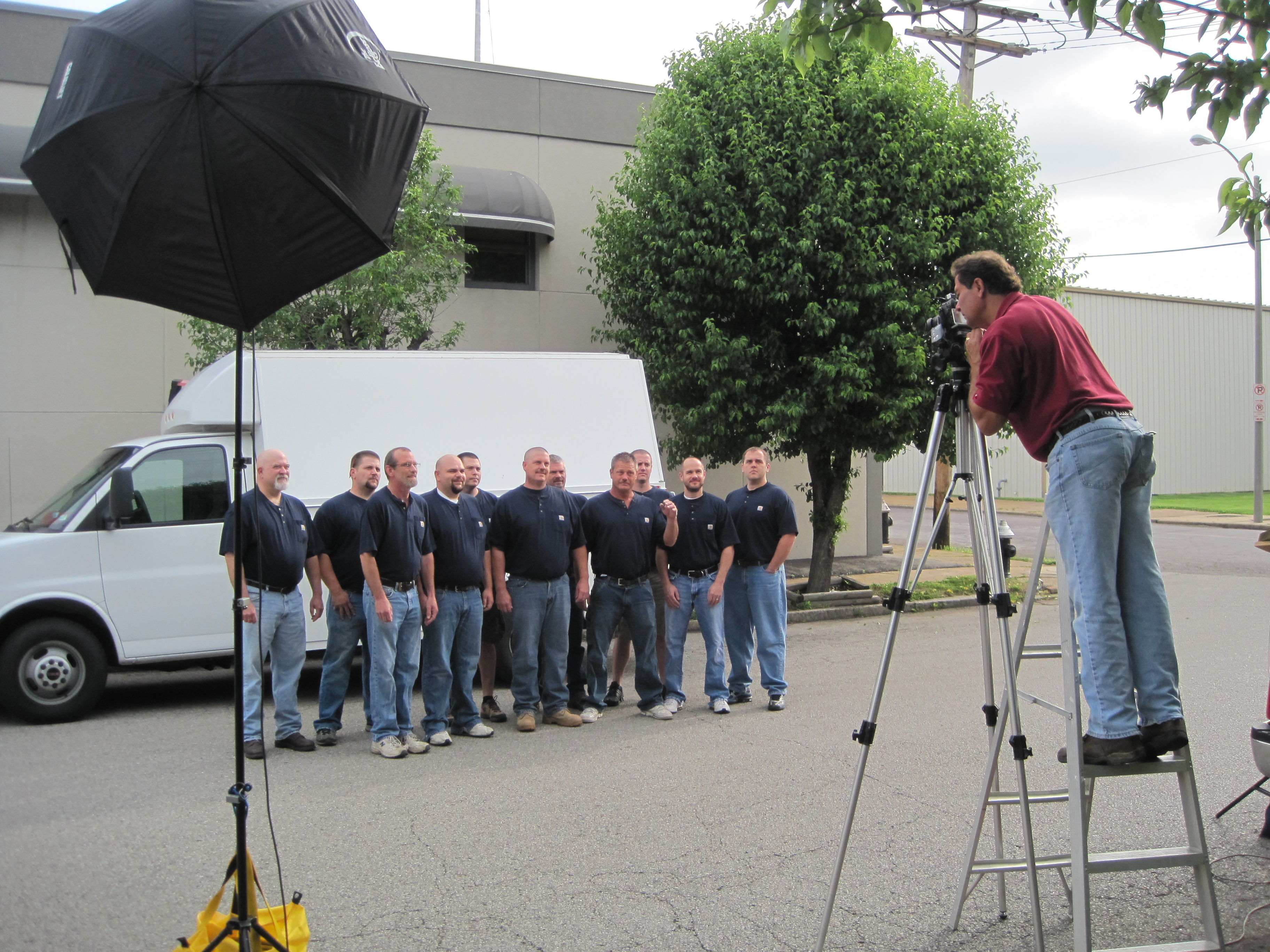
  • Team portraits (on-brand background, tethered for approvals)
  • Service in action (two key processes, wide + medium + detail)
  • Environment plates (lobby, trucks, labs, shop floor, server rooms)
  • Culture moments (stand-ups, collaboration, toolbox talks)
  • Indoor drone passes for dynamic scene-setters
  • B-roll clips for web headers, recruiting, and case study intros

Post-production (3–10 days)

  • Color-consistent master set
  • Crops for web/social templates
  • Short motion edits (9:16 / 1:1 / 16:9)
  • Delivery with metadata, releases, and content credentials

Governance Checklist (Keep This in Your Brand Binder)

  • Master usage rights secured (commercial, worldwide, perpetual where possible)
  • Model & property releases on file
  • Safety/compliance sign-off (PPE, signage, patient/customer privacy)
  • C2PA credentials embedded
  • Asset index with tags, licenses, expiry dates
  • AI transformation policy (permitted edits, disclosure rules)
  • Accessibility check (alt text, contrast in graphics, readable overlays)

What About AI-Generated Images?

AI is a speed tool, not a replacement for authenticity. Use it to prototype layouts, visualize concepts, replace non-critical backgrounds, or sketch storyboards. For credibility visuals—your people, facilities, equipment, and clients—capture the real thing and use AI for polish (cleanup, plate extension, object removal) while maintaining provenance.


Bottom Line

For service brands, images aren’t decorations; they’re evidence. Stock has a role in speed and experimentation, but the visuals that move revenue—trust-building proof, consistent brand language, and compliant process storytelling—come from custom production. When you model total cost and risk honestly, bespoke photography is very often the least expensive option you can’t afford not to choose.


About St Louis Corporate Photographer

Experienced St Louis Corporate Photographer is a full-service professional commercial photography and video production company with the right equipment and creative crew experience for successful image acquisition. We offer full-service studio and location video and photography, as well as editing, post-production, and licensed drone pilots. We can fly our specialized drones indoors for dynamic facility footage and unique perspectives without disrupting your operations.

Our team customizes productions for diverse media requirements and specializes in repurposing your photography and video branding to gain more traction across websites, social, recruitment, proposals, trade shows, and paid media. We’re well-versed in all file types, media styles, and accompanying software, and we use the latest Artificial Intelligence—from intelligent upscaling and cleanup to content credentials—for efficient, secure workflows. Our private studio lighting and visual setup is perfect for small productions and interview scenes, and our studio is large enough to incorporate props to round out your set.

As a full-service video and photography production corporation since 1982, St Louis Corporate Photographer has partnered with businesses, marketing firms, and creative agencies across the St. Louis region to create credible, conversion-ready brand libraries. We support every aspect of your production—from setting up a private, custom interview studio to supplying professional sound and camera operators, as well as providing the right equipment—ensuring your next video production is seamless and successful.

314-913-5626

stlouiscorporatephotographer@gmail.com